Acaia Lunar Review: Honest Pros, Cons & Who It's For (2026)
Disclosure: We may earn a commission when you buy through links on this page, at no extra cost to you. As an Amazon Associate I earn from qualifying purchases. Learn more
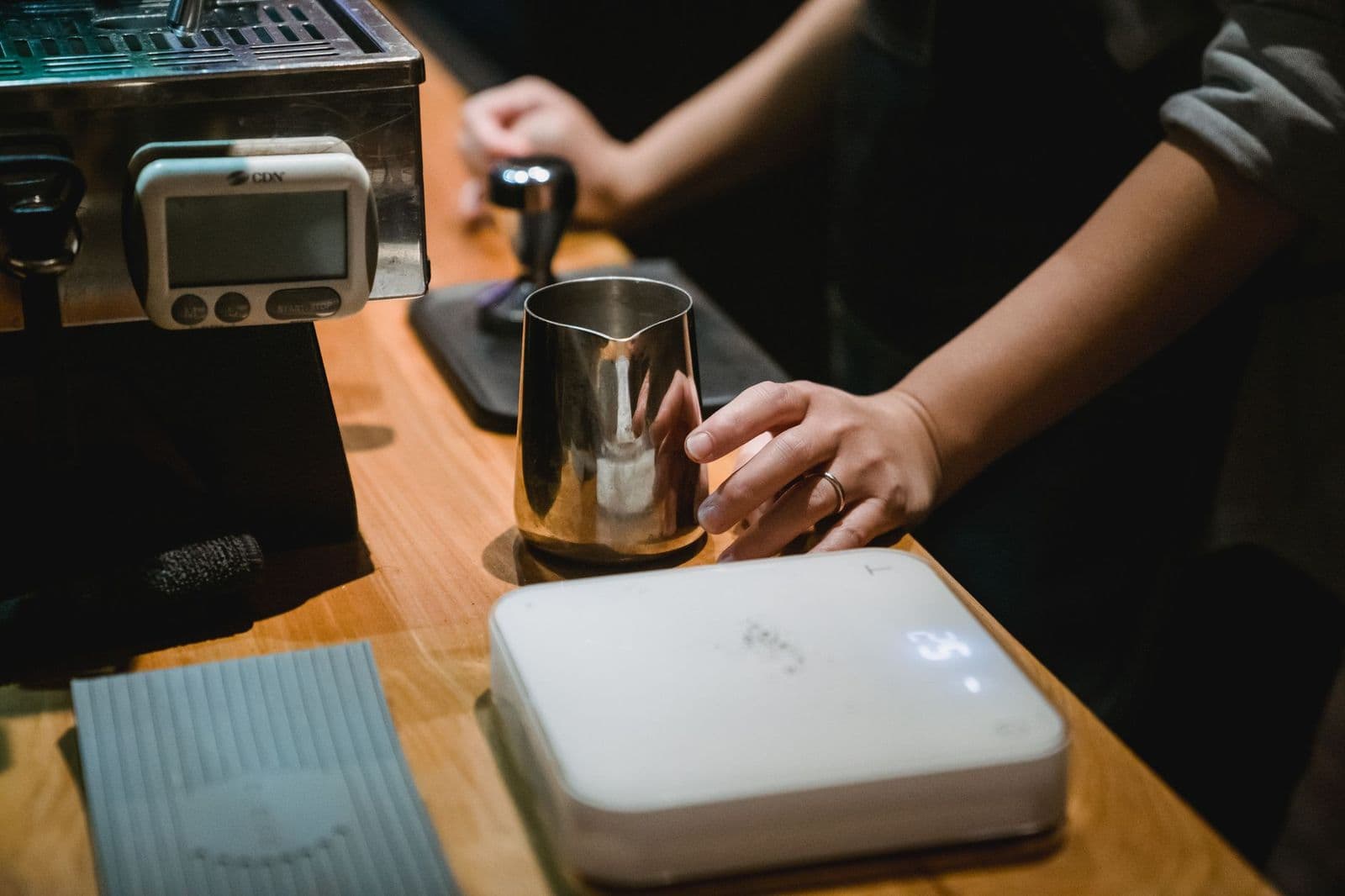
Thinking about the Acaia Lunar? Our honest Acaia Lunar review covers everyday pros and cons, who it suits, and smarter alternatives if it's not a fit.
A scale built only for espresso asks a lot of your budget, so this acaia lunar review looks past the spec sheet and at daily home life instead. The Lunar is a compact espresso scale from Acaia, made to sit on a drip tray, weigh each shot as it pours, and time the extraction. Below, you will find how its size suits different kitchens, what living with it costs over time, and who should skip it and save the money.
Think about fit first. A small footprint matters in a flat with one short counter run, while a busy family kitchen needs a scale that wipes clean fast and shrugs off splashes. The key specs below put the numbers in one place. If you weigh ingredients as often as you pull shots, our guide to the best kitchen scale covers larger models for bowls and baking.
Quick Verdict
The Lunar suits home baristas who pull shots daily, value a fast and stable reading, and have the counter space and budget for a specialist tool. Its compact body, quick response, and shot timer solve the exact problems that slow down a morning routine, and it stores flat in a drawer when the counter gets crowded.
Skip it if you mostly weigh flour, rarely make espresso, or share one scale across all kitchen jobs. A larger and simpler food scale will serve you better and cost far less.
Acaia Lunar: Key Specs
- Compact square footprint, slim enough for most drip trays
- Capacity up to 2000 g, enough for a shot plus a heavy cup
- Readings in 0.1 g steps for tracking dose and yield
- Anodized aluminum body with a water resistant design
- Rechargeable battery that charges over USB C
- Bluetooth connection for app logging and updates
Treat the footprint as the headline number. Measure your drip tray before you order, since a scale that overhangs the edge can rock under a cup and spoil a reading.
First Impressions and Build
The design idea is clear at a glance. The Lunar is a low, square slab of aluminum with no raised edges, so cups slide on and off without catching, and the display sits flush at the front where you can read it over the rim of a cup. Small indicator lights show the active mode, and the whole unit feels dense and planted rather than light and hollow.
The controls sit under the surface instead of standing proud of it, so there are no gaps where loose grounds can collect. A silicone pad rests on top to shield the plate from heat and scratches. Nothing about the build asks for counter space beyond the tray itself.
How It Performs in Everyday Home Use
Specs only matter once the machine is warming up and you are half awake. This is where the Lunar earns or loses its place in a household routine.
Ease of Use
Daily operation stays simple. You switch the scale on, set the cup down, tare the weight to zero, and start the shot. The reading settles fast, so you can judge yield while the shot still runs instead of after it ends. The timer modes take a few sessions to learn, since small lights rather than words show which mode is active. Once that clicks, a normal morning shot needs no thought at all.
Durability
An espresso station is a wet and messy place, and the aluminum plate handles that life well. Splashes from the drip tray and drips from the portafilter wipe off without staining, and the sealed surface keeps liquid away from the parts inside. The pad takes most knocks from heavy ceramic cups. The real risks are drops onto hard floors and sitting in standing water, so lift it clear when you empty and rinse the tray itself.
Cleaning
Cleaning takes seconds because the top is one flat surface with no seams or buttons to trap grounds. A quick wipe after each session keeps old coffee oils from building up and tainting the next drink by smell alone. Grounds brush straight off the edge into the bin. If you make drinks back to back for a household, that flat surface stays presentable between shots with a single pass of a cloth.
Design
The low body preserves cup clearance under the group head, which matters on compact home machines where a tall scale forces you to swap to a smaller cup. The square shape reads as calm and plain on the counter, closer to a coaster than a gadget, and it comes in neutral finishes that sit quietly beside most machines. In a small kitchen where every object stays on display, that restraint counts.
Features You'll Actually Use
Beyond plain weighing, three features do the daily work. The flow rate readout shows how fast liquid is landing in the cup, which helps you spot a shot that runs too fast long before the taste confirms it. The timer modes can start counting when the first drops land, so your hands stay free for the portafilter and the cup. The app connection logs dose, yield, and time for each shot, which suits households where two people share one machine and want to repeat a recipe that worked. Updates through the app keep the scale current without any service visit.
Living With It: Setup, Cleaning and Upkeep
Setup on day one is short. Charge the scale fully, place it flat on the tray, and run one test shot to learn the display. Pairing the app is optional and can wait until you care about logging. After that, upkeep is mostly charging rhythm. Most home users plug in every few weeks, since a single morning routine sips power slowly. Store the scale flat rather than on its edge, and check the reading now and then against a known weight, such as a coin stack you always use, so drift never surprises you mid routine.
What We Like and What We Don't About the Acaia Lunar
What stands out:
- Compact footprint that frees up tray and counter space
- Fast and stable readings you can trust while a shot runs
- Timer and flow data in one small device
- Solid aluminum build with a surface that wipes clean
- Flat storage in a drawer when counter space runs short
What gives us pause:
- Premium price for a tool that does one job
- Touch controls that can react to wet fingers or stray drips
- Small plate that rules out big bowls and batch cooking
- App extras that some households will never open
Is the Acaia Lunar Right for Your Household?
A solo drinker in a small flat gets the clearest value, since the scale lives on the tray, takes no extra room, and speeds up a quiet daily ritual. A couple who both pull shots each morning will use the timer and logging often enough to justify the cost. A family kitchen is a harder fit. If one scale must handle pasta, flour, and coffee, a larger model fits that mixed use better, and our etekcity food kitchen scale review covers that simpler route.
How the Acaia Lunar Compares
Shoppers reading this acaia lunar review usually weigh two other routes. The first is a brew focused scale built for pour over, with a larger plate shaped for a carafe and a kettle routine rather than a drip tray. Our fellow tally pro review looks at that style, which suits filter coffee fans far better than espresso drinkers working in a tight space.
The second route is a lower cost espresso scale with a plain timer and no app. You give up the flow readout, the aluminum body, and some reading speed, but you keep the core job done for much less money. Our guide to each acaia lunar alternative walks through those tradeoffs in detail, so you can judge what the extra spend actually buys.
Price, Deals and Warranty
Expect to pay about $250, which places the Lunar firmly in premium territory for a scale. Prices dip during the big sale events each year, so patient buyers can save by waiting for a deal rather than ordering at full price on a whim. The maker backs the scale with a limited warranty, and registering your purchase keeps proof of the start date in one place. Check the exact terms before you buy, since coverage for water damage and battery wear can differ from the headline promise.
Common Buying Mistakes to Avoid
- Ordering before you measure the drip tray, so the scale rocks or blocks the cup.
- Buying it as your only kitchen scale, then finding the plate too small for mixing bowls.
- Paying for app logging you never open, when a basic timer scale would do the same job.
- Letting the battery run flat for months, which shortens its life and stops a morning routine cold.
- Setting the scale on a soft mat, so the reading wanders while the shot runs.
Cost of Ownership and Care
Running costs stay close to zero. Charging uses a trace of electricity, and there are no filters, bags, or parts on a replacement cycle. The only likely extras over the years are a fresh silicone pad or a travel case, at about $10 to $25 for either. Battery wear is the one slow cost, since the cell is built in rather than swappable. Keep the scale away from the steam wand vent and out of the sink splash zone, and the finish should stay tidy for years of daily use.
Your Questions, Answered
How do you clean the Acaia Lunar?
Wipe the plate with a soft cloth that is damp rather than wet, then dry it before you charge or store the scale. Never soak the Lunar or hold it under a running tap, since water can reach the charging port and the seams around the display. Skip abrasive pads and harsh sprays, which can dull the anodized finish over time. If coffee oils leave a smell, a cloth with a drop of mild dish soap, wiped off right away, clears it.
What is a cheaper alternative to the Acaia Lunar?
A basic espresso scale with a built in timer covers dose and yield for a fraction of the price, often under $50. You trade away the flow rate readout, the app log, the aluminum body, and some speed in the reading. Count your shots per week before you decide. Daily drinkers feel those gaps often, while someone who pulls two shots on a Sunday may never miss the extras at all.
How long does the Acaia Lunar last?
The aluminum body and sealed surface should handle years of daily shots, since there are few moving parts to wear out. The battery sets the real limit. Charge it before it sits empty for long stretches, and avoid leaving it plugged in for weeks at a time. Used most days and charged gently, the cell should stay useful for a long stretch of home service before capacity fades in a way you would notice.
What are common Acaia Lunar problems?
Most complaints trace back to placement or moisture rather than faults. A reading that drifts usually means the tray flexes or the scale sits over a ridge, so move it to the flattest spot you can find. Drips on the touch controls can pause the timer, which a quick wipe before the shot prevents. If the app refuses to connect, toggle Bluetooth off and on and reopen the app, since pairing drops are the usual cause.
Is the Acaia Lunar worth it?
Worth depends on volume. A household pulling shots every day spreads the cost across hundreds of drinks, and the speed and timer help nearly every one of them. An occasional espresso drinker pays the same price for a tool that sits idle most of the week. Be honest about your real routine rather than the routine you plan to start, and the answer usually becomes clear on its own.
The Bottom Line
Measure your tray, count your weekly shots, and check the key specs above once more before you decide. If espresso anchors your mornings and counter space is tight, the acaia lunar review case is strong: few tools this small remove this much friction from a daily ritual. If your kitchen needs one scale for every job, save the money and choose a larger all rounder instead.