Acaia vs Timemore: Which One Fits Your Home Better? (2026)
Disclosure: We may earn a commission when you buy through links on this page, at no extra cost to you. As an Amazon Associate I earn from qualifying purchases. Learn more

Acaia vs Timemore: see how they differ in everyday use, features and value, and which one makes more sense for your home and budget.
Picture a quiet morning in a small kitchen. One person is brewing coffee for a household of four, another is making a single cup before work, and both want a scale that keeps up without taking over the counter. That is the real heart of the acaia vs timemore choice. These two brands of coffee scale look similar at first glance, yet they suit different homes, different routines, and different budgets. This guide compares them by counter space, the number of people using the scale each day, and how simple each one feels in daily use, so you can pick with confidence. You will find the key points summed up in the comparison table below.




Acaia vs Timemore at a Glance
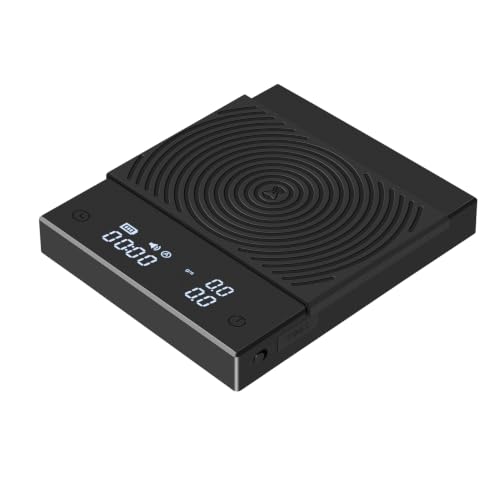
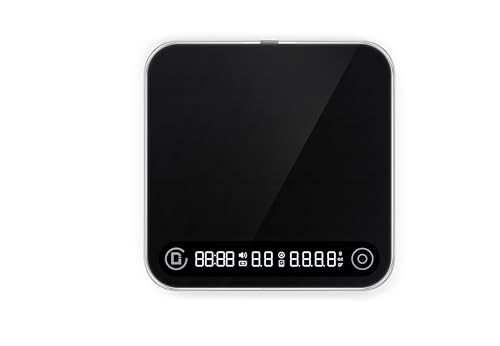
Both brands build scales for brewing coffee, and both read weight in small steps with a built in timer. The split between them comes down to polish, price, and how much guidance you want while you brew. The short version looks like this:
- Price tier: Acaia sits in the premium tier, while Timemore covers the lower and middle tiers.
- Guidance while brewing: Acaia leans into flow rate readouts and app support, while Timemore keeps the focus on weight and time on the scale itself.
- Build and finish: Acaia favors metal bodies and a refined feel, while Timemore favors lighter bodies that are easy to move and store.
- Best fit: Acaia suits a dedicated coffee corner, while Timemore suits shared kitchens and smaller counters.
Neither brand is the wrong answer for every home. The better pick depends on how your household brews, who else will use the scale, and how much room you can give it day after day.
Meet the Contenders: Acaia and Timemore
Acaia overview
Acaia built its name on scales for careful, repeatable brewing. Its models are known for very fast response, so the number on the display tracks your pour with almost no lag. Many Acaia scales show flow rate as you pour, which tells you whether your stream is steady or rushing. The brand also offers app support on much of its line, letting you save brews and review them later. The trade off is price. Acaia scales cost more than most rivals, and the extra features reward people who brew often and pay close attention to each cup.
Timemore overview
Timemore built its name on giving home brewers the core tools at a friendlier price. Its scales cover the basics well: clear weight readings, a timer you start and stop with a tap, and a compact body that slides into a drawer. Many Timemore scales charge over USB C and run for a long stretch between charges, which suits busy shared kitchens. The finish is simpler than what Acaia offers, and app support is limited or absent on much of the line. For many homes, that simpler approach is exactly the point, since the scale stays quick to grab and easy to live with.
Head to Head: Where They Really Differ
Ease of Use
Daily ease is where most households feel the gap. Acaia scales respond almost at once, and the flow rate readout gives you live feedback, so learning a steady pour takes fewer brews. Touch controls on both brands can take a day or two to learn, and wet fingers can miss a tap on either one. Timemore keeps its layout plain, with weight and time front and center, so a partner or a teenager can use it with no briefing. If several people in your home brew at different skill levels, the simpler screen often wins. If you brew solo and love data, Acaia gives you more to work with.
Durability
A kitchen scale lives a hard life near water, steam, and coffee grounds. Acaia uses metal on much of its line, and the bodies feel dense and solid, with water resistance built into the designs meant for espresso duty. Timemore leans on lighter materials, which keeps weight down but can feel less sturdy if the scale gets knocked off a counter. Either brand will suffer if it soaks in a sink, so treat water resistance as splash protection, not a license to rinse the scale under a tap. A scale that lives on a dry shelf away from the sink area will outlast one stored beside it, whichever logo it carries.
Cleaning
Both brands use flat tops with few seams, so a quick wipe handles most spills. Coffee oils and fine grounds collect around the edges of the weighing surface, and a soft brush clears them without scratching. Acaia models with metal tops shrug off stains a bit better, while lighter Timemore tops can show marks from dark roasts over time. Neither scale should go in a dishwasher, and harsh sprays can seep into the seams around the display. The honest difference is small: plan on a damp cloth after brewing and a dry storage spot, and both stay tidy with little effort.
Design
Looks matter when a scale lives on the counter full time. Acaia goes for a calm, minimal style with clean lines that blend into a modern kitchen, and its smaller models tuck under many espresso machine drip trays. Timemore designs are also tidy, often with a slightly larger footprint that gives big brewers and carafes a stable base. Think about your space before your style. A wide scale that crowds a small counter will annoy you daily, while a compact one that wobbles under your largest server is just as frustrating. Measure your brewing spot and your biggest vessel, then match the footprint to both.
Value
Value is not the sticker price alone. It is what the scale gives your household across years of mornings. Acaia charges more, and in return you get speed, flow rate guidance, and app features that help a keen brewer improve. Timemore charges less, and in return you give up some of that guidance while keeping the core job intact. Ask who will use the scale most. A feature only one person touches once a month adds little value, while a clear display and a reliable timer help every single brew. Match the feature set to real habits, not hopeful ones.
Price and Value Over Time
As a rough guide, Timemore scales often land around $50 to $100, while Acaia scales often land about $150 to $250 depending on size and features. Ownership costs stay low for both, since charging cables are standard and there are no parts to replace on a schedule. Battery care is the main long term point: charge before the battery runs fully flat, and store the scale dry. Acaia holds resale interest among coffee fans, which softens the higher entry price if you upgrade later. Timemore asks so little up front that a second scale for a second brewing spot still fits many budgets.
Our Recommendation for Your Home
Pick Acaia if...
Choose Acaia if you brew most days, you want live flow rate feedback while you pour, and the scale will live in a set coffee corner rather than travel around the kitchen. It also suits a home where one keen brewer does most of the coffee making and enjoys tracking brews in an app. The higher price makes sense when the extra guidance gets used every morning instead of gathering dust as a novelty.
Pick Timemore if...
Choose Timemore if your kitchen is shared, your counter space is tight, or several people with mixed skill levels will use the scale. It also fits homes that brew well without app data and would rather put the savings toward beans, a grinder, or a kettle. The simple layout means guests and family members can weigh and time a brew with no learning curve, and the lower price stings less if the scale ever takes a fall.
Not Sold on Either? One More Option
Some homes find that a coffee scale is more tool than they need. If you mostly weigh flour, portion snacks, or check recipe ingredients, our guide to the best kitchen scale covers general purpose models built for cooking first. Readers who want a premium brewing scale with a different design language can also read our fellow tally pro review for a sense of what the top tier offers. And if nutrition tracking matters more than brew timing, the etekcity smart nutrition scale review and the etekcity food kitchen scale review show how food focused scales handle that job. One honest route is best for most kitchens, so pick the category that matches your daily tasks.
Your Questions, Answered
Which scale lasts longer, Acaia or Timemore?
Both can last for years, and daily habits matter more than the logo. Metal bodied Acaia models shrug off knocks and splashes a bit better, which helps in busy kitchens. Timemore models hold up well when they are stored dry and kept off wet counters. One point many owners miss is battery care: letting any rechargeable scale sit empty for months shortens battery life, so top up the charge now and then even during slow periods.
Which is easier to clean, Acaia or Timemore?
They are close, with a small edge to Acaia on stain resistance thanks to its metal tops. The new point worth knowing is about grounds, not spills. Fine coffee dust works its way under the weighing surface on any scale and can affect readings over time, so a gentle shake and a brush around the edges once a week keeps either brand accurate. Never soak either scale, and skip strong sprays near the charging port.
What is the main difference between Acaia and Timemore?
The main difference is guidance versus simplicity. Acaia adds fast response, flow rate readouts, and app support for brewers who want feedback on every pour. Timemore strips the job back to weight and time at a lower price. A useful way to decide is to watch your own brewing for a week. If you never wish for more data mid pour, the simpler scale already covers your needs.
Is Acaia better than Timemore for a beginner?
Not always. A beginner often learns faster on a plain layout, since there is less on the screen competing for attention while the kettle is in hand. Acaia becomes the better fit once a beginner starts chasing repeatable results and wants the flow rate readout as a coach. Starting simple and upgrading later is a sound path, and the lower Timemore price makes that first step painless.
The Bottom Line
For most shared kitchens, Timemore covers the daily job at a price that is easy to justify, and its simple layout welcomes every user in the house. For a dedicated brewer who wants feedback on each pour and a scale that feels like a long term fixture, Acaia earns its premium. Weigh your space, your household, and your habits against the product table above, and the acaia vs timemore decision becomes a clear one. Either way, you end up with a scale that makes home brewing calmer and more consistent.