Acaia Lunar Alternatives: Options Worth Considering (2026)
Disclosure: We may earn a commission when you buy through links on this page, at no extra cost to you. As an Amazon Associate I earn from qualifying purchases. Learn more

Looking at an Acaia Lunar alternative? Compare compact espresso scales, general kitchen scales and larger brew scales by size, cost and daily fit.
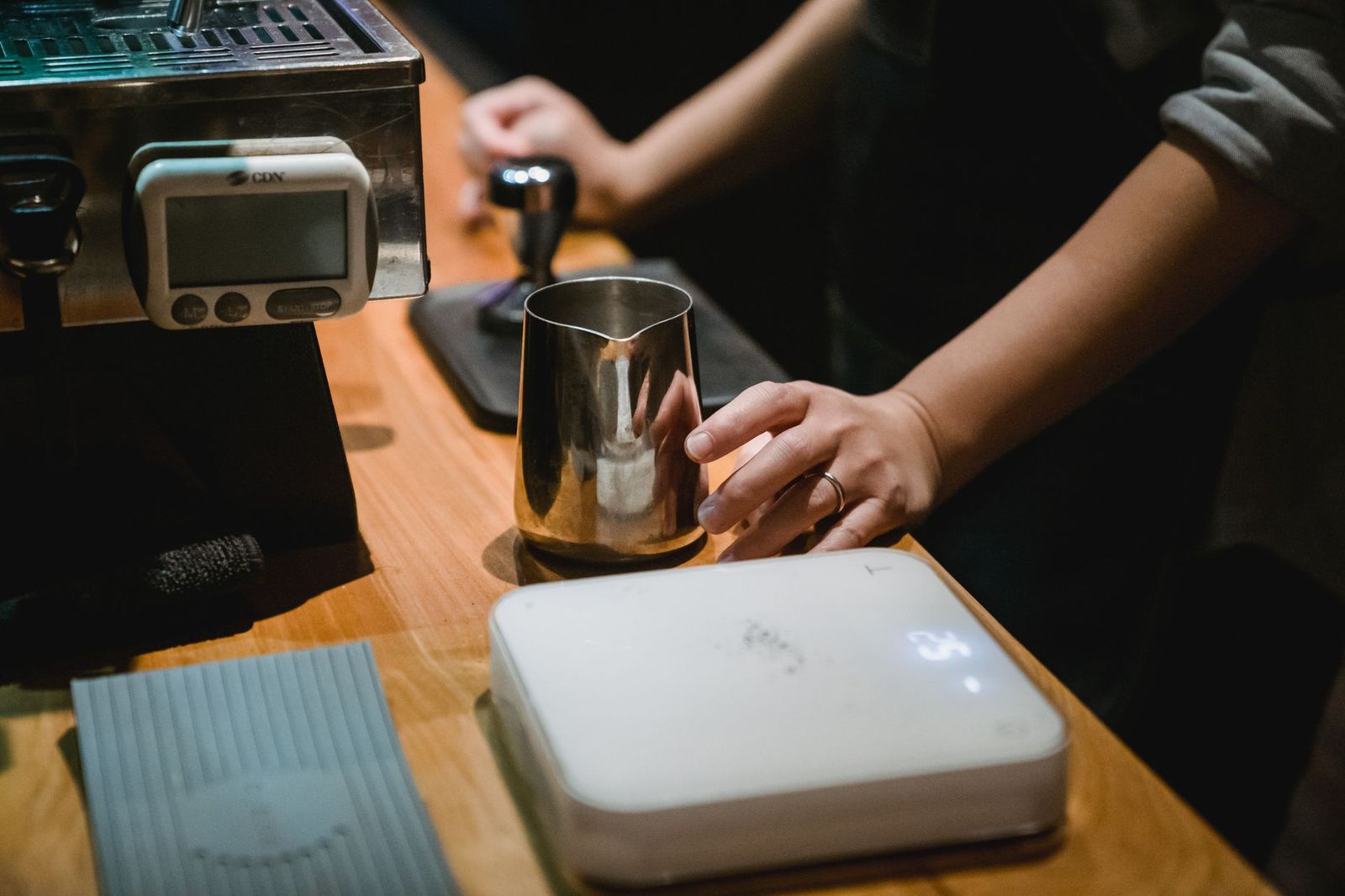
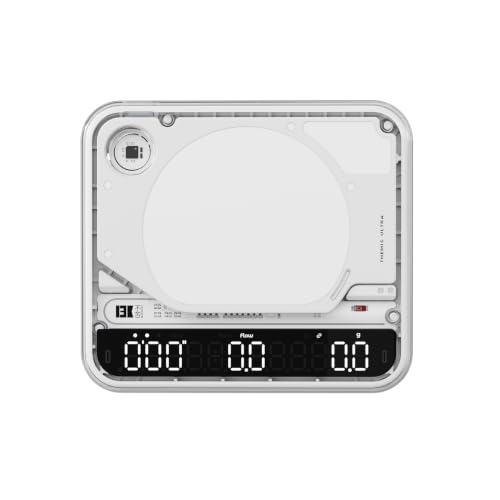
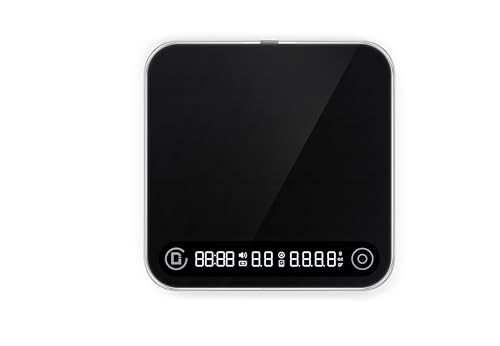
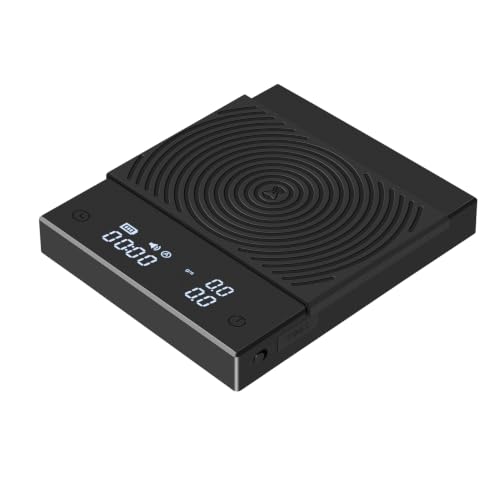
Picture a weekday morning in a small kitchen. The espresso machine sits on a narrow counter, mugs and a grinder already crowd the drip tray area, and the scale you want has to slide in, do its job, and disappear into a drawer afterward. That daily reality is why many home brewers look for an acaia lunar alternative that fits their space, their household, and their budget instead of copying a cafe setup. This guide compares three types of alternatives by footprint, ease of daily use, and total cost of ownership, and the comparison table below sums up how each type lines up.






Why Look for an Acaia Lunar Alternative?
The Acaia Lunar earned its reputation as a compact espresso scale with fast response, a built in timer, and water resistance that suits life on a drip tray. None of that is in question. The issue for many households is fit. Its price sits well above what a casual home brewer wants to spend on one accessory, and its small platform, while perfect under a portafilter, can feel cramped when the same scale also has to weigh a mixing bowl of dough or a big pour over setup.
Space is the second reason. In a shared kitchen, a scale that lives permanently on the counter competes with cutting boards, a toaster, and homework. A slightly larger or thinner alternative may store more easily in your particular drawers and cabinets. The third reason is who else uses it. A scale shared with a partner, a teenager learning to bake, or a roommate who just wants grams for coffee needs clear buttons and a display everyone can read at a glance, not a menu system only one person understands.
Finally, there is the cost of ownership over years, not just the price on day one. Rechargeable batteries, replaceable batteries, charging cables, and protective cases all differ between models, and those small costs and habits decide whether a scale still feels convenient three years later. If you are still deciding whether you need an espresso focused scale at all, our guide to the best kitchen scale covers the wider field of everyday kitchen scales and what separates them from brew specific models.
The Main Types of Alternatives to Compare
Instead of chasing one supposed dupe, it helps to sort alternatives into three types. Each type matches the Lunar on some points and trades away others, and the right choice depends on your counter, your household, and how many jobs the scale must do.
Compact Espresso Scales: The Closest Match
This type copies the Lunar formula most closely: a small platform sized for a drip tray, fast readings as liquid lands in the cup, a built in stopwatch, and a sealed body that shrugs off splashes. For a home with a dedicated espresso corner, this is the natural acaia lunar alternative because your routine barely changes. You gain the same shot timing habits at a lower price, and the scale still tucks into a drawer when guests need the counter. What you give up is versatility. A platform built for an espresso cup will not hold a large mixing bowl steady, and some compact models skip the flow rate readout or app support that keen brewers enjoy. Choose this type if espresso is the main event in your kitchen and counter space is genuinely tight.
General Kitchen Scales: The Money Saver
A standard digital kitchen scale costs a fraction of an espresso scale, often about $15 to $40, and handles far more than coffee. It weighs flour for a family sized batch of pancakes, portions ground meat, and checks a package before a trip to the post office. The trade off shows up at the espresso machine: most general scales respond more slowly, update in larger steps, and lack a timer, so judging a shot by weight alone takes more patience. Their platforms are also wider, which may not fit between the drip tray rails of a compact machine. In a household where three or four people cook and bake but only one pulls espresso shots, this type often wins because everyone uses it daily and nobody feels the purchase was spent on a single hobby.
Brew Focused Scales With Larger Platforms: The Long Term Investment
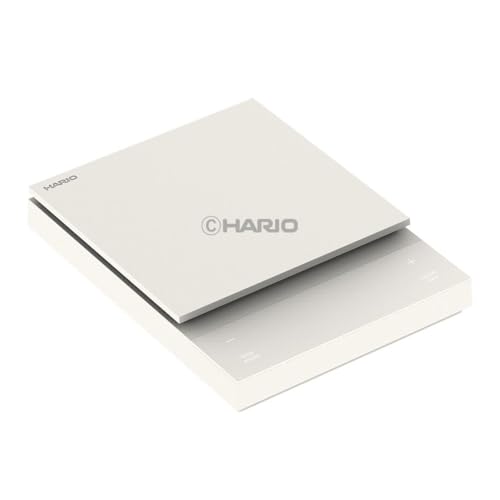
The third type sits between the other two: a scale designed for coffee, with a timer and fine 0.1 gram resolution, but a platform big enough for a pour over brewer or a small mixing bowl. It costs more than a general kitchen scale, yet usually well under the Lunar, and it can serve as the only scale in the home for years. That one scale for everything logic suits couples and small families who brew pour over on weekends and espresso on weekdays. Reading a detailed walkthrough of one such model, like this fellow tally pro review, shows how this type balances brew features against everyday capacity. The downside is size. Measure your storage spot before buying, because a scale that fits neither the drawer nor the drip tray area will end up living in a box.
How to Compare the Alternatives
Footprint and Storage in Your Kitchen
Start with a tape measure, not a product page. Note the width and depth of your drip tray, the height between the tray and the portafilter spouts with your usual cup in place, and the inside dimensions of the drawer or cabinet where the scale will live. A scale that clears the spouts by only a few millimeters leaves no room for a taller cup. In small apartments, also check whether the scale can stand on edge in a cabinet without the platform catching. These plain measurements rule out more wrong purchases than any feature list.
Speed, Resolution, and the Timer
For espresso, look for 0.1 gram resolution and a display that updates quickly, because a slow scale shows you the shot weight after the moment to stop the pump has passed. A built in timer matters because your hands are busy holding the portafilter and a milk pitcher. Some scales start the timer automatically when they sense the first drops, which helps new brewers build a repeatable routine. For baking and general cooking, 1 gram steps are fine and often come with a higher maximum capacity, which is the better trade for a shared family scale.
Water Resistance and Daily Cleaning
An espresso scale lives in a splash zone. Sealed buttons and a body that tolerates spills will outlast an open design that lets liquid creep under the platform. Whatever type you choose, plan the cleaning habit: a quick wipe after each session, and never submerge a scale that is not rated for it. Households with kids should also think about sticky fingers and cocoa powder, which argue for smooth surfaces with few seams where grime can collect.
Batteries, Charging, and Cost of Ownership
Rechargeable models remove the cost of replacement batteries but add a cable and downtime if you forget to charge. Battery powered models run for months and swap back to life in a minute, at a small ongoing cost. Over several years the difference is modest either way, so choose the system that matches your habits. Also check what the warranty covers and whether replacement charging cables use a common connector you already own, since a lost proprietary cable can sideline a scale for days.
One Scale or Two: The Household Question
Many homes end up happiest with a division of labor. A compact espresso scale stays at the machine, while an inexpensive general scale handles cooking for the whole family. If you explore that route, a nutritionally focused model can add recipe tracking for the cook in the house; this etekcity smart nutrition scale review explains what that extra data does and does not do. A single all purpose model keeps things simpler, though, and a plain, sturdy option reviewed in this etekcity food kitchen scale review shows how much a basic scale covers for everyday weighing.
Should You Just Buy the Acaia Lunar?
Sometimes, yes. If espresso is a daily ritual, your counter is small, and the budget allows it, the Lunar remains a benchmark for a reason: it is compact, quick, and built for exactly the spot under your portafilter. Buyers who host often or run a small home cafe setup for friends may also value how it disappears into the workflow. The honest test is usage. If the scale will sit in a drawer six days a week, or if three other people need it for baking and meal prep, the money usually works harder in one of the alternative types above. There is no prize for owning the most specialized tool in a kitchen that mostly needs a versatile one.
Your Questions, Answered
Is the Acaia Lunar worth the price?
It can be, if you pull espresso shots daily and value a compact, water resistant scale that fits small drip trays and responds almost instantly. The price buys refinement and durability rather than basic accuracy, since far cheaper scales weigh just as precisely on a bench. If your brewing is occasional, or the scale must serve a whole household, the premium is harder to justify.
Is there a cheaper version of the Acaia Lunar?
Acaia sells other scales, including a larger model aimed at pour over brewing, but there is no budget edition of the Lunar itself. A cheaper alternative to acaia lunar models comes from other makers who copy the compact format with a timer and 0.1 gram resolution. Expect to give up some polish, such as app features or the finest build materials, rather than core weighing ability.
What is the best alternative to the Acaia Lunar?
The best acaia lunar alternative depends on the job. Espresso only households should look at the compact espresso type, mixed use homes at a larger brew scale, and budget first buyers at a general kitchen scale. Match the platform size to your drip tray and your biggest bowl, confirm the timer style suits your routine, and the choice usually makes itself.
Can an acaia lunar alternative handle pour over brewing too?
Yes, with a size caveat. Compact espresso scales fit a single cup dripper but can feel unstable under a large server, and their maximum capacity may top out before a big batch finishes. If pour over is a weekly habit for several people, pick an alternative with a wider platform and a capacity of at least 2 kilograms so one scale covers both brew methods.
How long should a coffee scale last in a busy household?
With basic care, a decent scale should serve for several years. The usual failure points are liquid damage around the buttons, a battery that no longer holds a charge, and drops onto hard floors. Keeping the scale stored flat, wiping spills the same day, and avoiding leaving it on a hot machine surface all extend its working life more than the brand name does.
Final Thoughts
The right acaia lunar alternative is the one that fits your drip tray, your storage, and the people who share your kitchen, not the one that copies the most features on paper. Compact espresso scales keep a small coffee corner tidy, general kitchen scales serve the whole family for very little money, and larger brew scales split the difference for mixed routines. Use the product table above to compare the three types against your measurements and budget, and you will end up with a scale that earns its place on your counter every single day.