Aarke Carbonator Pro Review: Honest Pros, Cons & Who It's For (2026)
Disclosure: We may earn a commission when you buy through links on this page, at no extra cost to you. As an Amazon Associate I earn from qualifying purchases. Learn more

Thinking about the Aarke Carbonator Pro? Our honest Aarke Carbonator Pro review covers everyday pros and cons, who it suits.
A soda maker only earns its counter space if your household drinks sparkling water often, and the Pro asks a premium price for that habit. This aarke carbonator pro review judges the machine the way you will live with it, through its glass bottle, steel body, running costs, and fit with your kitchen, rather than through looks alone.
Below you will find who it suits, what daily use involves, and where the money goes after the purchase. If you are still weighing the whole category, our guide to the best soda maker options sets out the main types side by side, and the comparison table below sums up the key points.


Quick Verdict
The short answer in this aarke carbonator pro review is that the Pro suits design led kitchens and steady sparkling water drinkers who prefer glass over plastic. You pay more up front for a steel body and a glass bottle, then keep paying for gas refills like any other home carbonator.
- Best for households that carbonate daily, serve water at the table in the same bottle, and want a machine that looks at home on an open counter.
- Skip it if you want bottles for bags and travel, the lowest cost per liter, or the lightest machine to move around.
Aarke Carbonator Pro: Key Specs
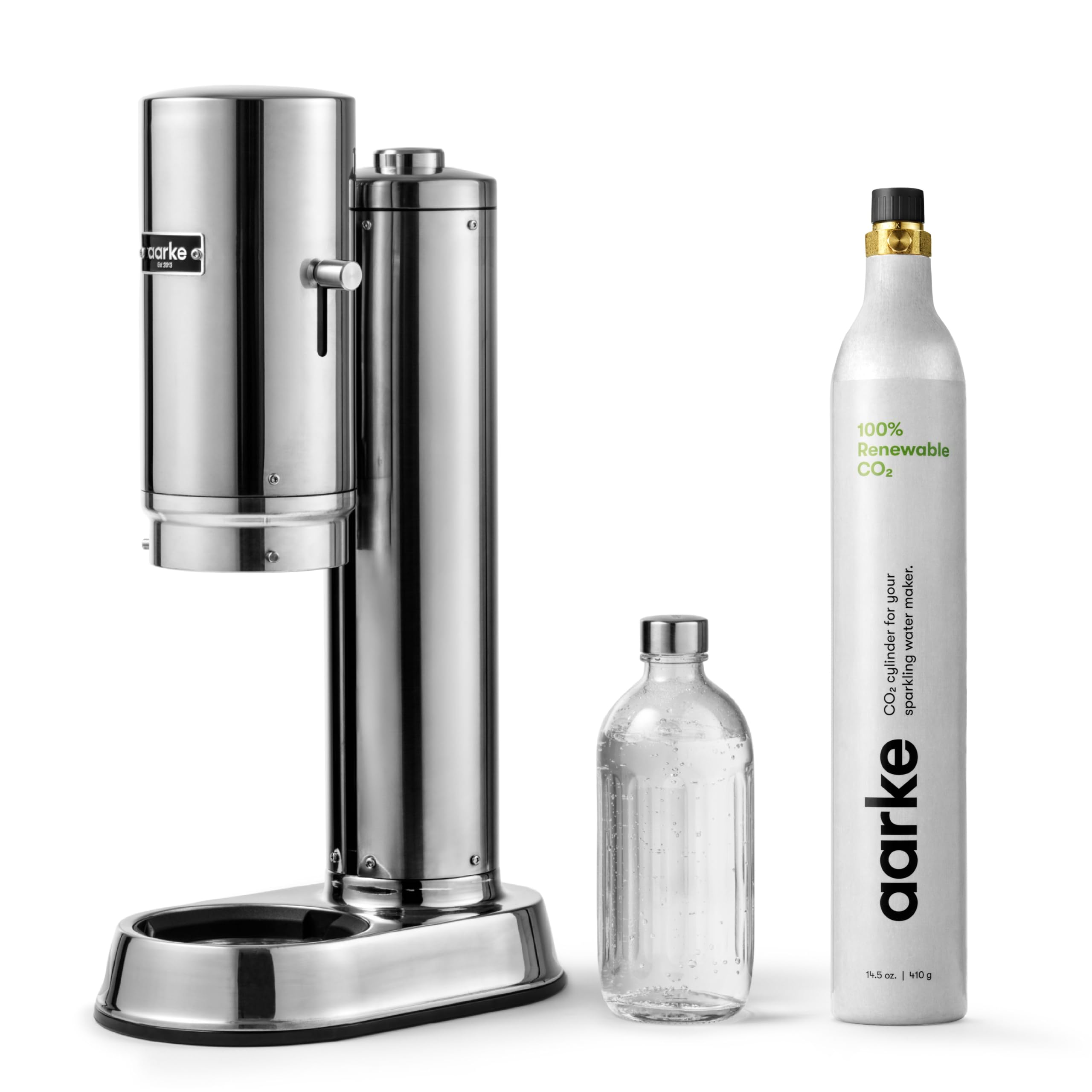
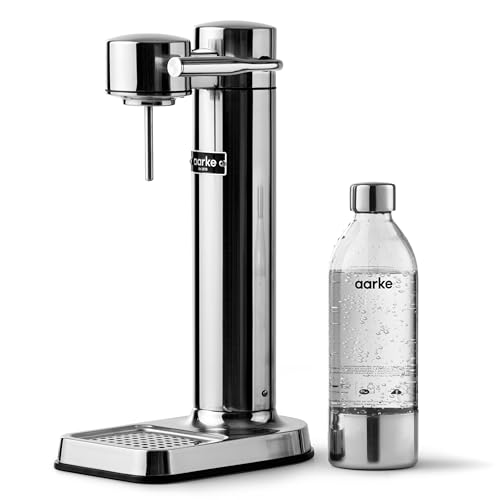
The Pro is a manual countertop carbonator with a stainless steel body and a glass bottle that sits inside an enclosed chamber during carbonation. It needs no power cord, batteries, or plumbing, since all of the work comes from a gas cylinder stored inside the machine. It uses the standard screw in cylinders sold for home soda makers, and a removable drip tray sits under the bottle to catch spills.
First Impressions and Build
The first thing you notice is the weight. Steel panels and a steel frame make the Pro feel planted on the counter, and it does not shift when you load a bottle or press for gas. The finish wipes clean and suits kitchens with steel appliances, open shelves, and stone or wood worktops where a plastic appliance can look out of place.
The glass bottle is the other half of the appeal. Glass pours neatly at the table and does not hold flavors from earlier drinks. The trade off is care, since glass can chip if it knocks against a sink edge, and the chamber adds a step each time you carbonate.
How It Performs in Everyday Home Use
Capacity
Each batch is one bottle at a time, which suits a household that drinks sparkling water with meals and refills as it goes. The bottle holds enough for a shared meal for two to four people, so a family dinner may call for a second round. If your home goes through several bottles a day, price a spare bottle into the purchase, because drinking pauses while the only bottle is in the fridge.
Carbonation Performance
Fizz level is in your hands, since you add gas in short presses and stop when the water reaches the strength you like. Light presses give a gentle sparkle for everyday drinking, and extra presses build the sharper bite that suits soda style drinks and mixers. Start with cold water from the fridge, because chilled water holds gas far better than room temperature water and gives a stronger result from the same amount of gas.
Ease of Use
Daily use is simple once the cylinder is in place. You fill the bottle with cold still water, set it in the chamber, close the machine, and press to carbonate, then add any flavor after the water is fizzy. There are no settings, screens, or programs to learn, which helps in homes where several people use the same machine. Younger or less confident users may still need help at first, mainly with seating the bottle correctly.
Cleaning
There is little to clean because you carbonate plain water only. Rinse the bottle after use, wash it with warm water and a small amount of soap when it needs more than a rinse, and wipe the drip tray and the outside of the machine with a damp cloth. Juice, syrups, and flavor drops belong in the glass after carbonating, never in the bottle before, and that habit keeps the bottle and the nozzle far easier to keep fresh.
Features You Will Actually Use
The enclosed chamber is the feature that shapes this model, because it lets a glass bottle carbonate inside a steel housing instead of standing exposed on the counter. Manual control over fizz strength matters daily too, since one person in your home may want a light sparkle and another may want a firm bite from the same machine. The cord free design means you can place it wherever the counter has room, including a coffee corner or a bar cart with no spare outlet.
Some buyers will value what the Pro leaves out. There are no filters to change, no descaling cycles, and no electronics to fail. The flip side is that there is no gas level display, so you judge the cylinder by how the fizz feels.
Living With It: Setup, Cleaning and Upkeep
Setup takes minutes and needs no tools. Stand the machine where you plan to use it, fit the gas cylinder into its compartment by hand, load the bottle, and you are ready to carbonate. Before you buy, measure the height under your wall cabinets, because a tall steel machine plus room to handle the bottle can be a tight fit in kitchens with low cabinets.
Upkeep beyond the cleaning covered above is mostly about parts that wear slowly. Check the bottle for chips or cracks before each use, keep the drip tray dry so it does not develop odors, and swap the cylinder when the fizz weakens even with extra presses. Store spare cylinders upright in a cool cupboard, away from heat sources.
What We Like and What We Do Not Like About the Aarke Carbonator Pro
- Steel body and glass bottle give it a solid feel and a look that suits visible counter space.
- Glass avoids the plastic taste some drinkers notice and doubles as a serving bottle at the table.
- No cord, filter, or electronics means very little to maintain or go wrong.
- You control fizz strength with each press instead of settling for a fixed setting.
- The purchase price sits at the premium end of the home carbonator market.
- Glass needs more care than plastic and is a poor match for bags, picnics, and travel.
- One bottle in the box can feel limiting for larger households.
- There is no gauge to warn you before the gas runs out.
Is the Aarke Carbonator Pro Right for Your Household?
It fits households of one to four steady sparkling water drinkers who mostly drink at home and care how the kitchen looks. If sparkling water is a daily habit for meals and guests, the glass bottle and steel build will feel worth their price over years of use. It fits less well for large families, renters who move often, and anyone who wants sparkling water in a gym bag, where a plastic bottle model makes more sense.
How the Aarke Carbonator Pro Compares
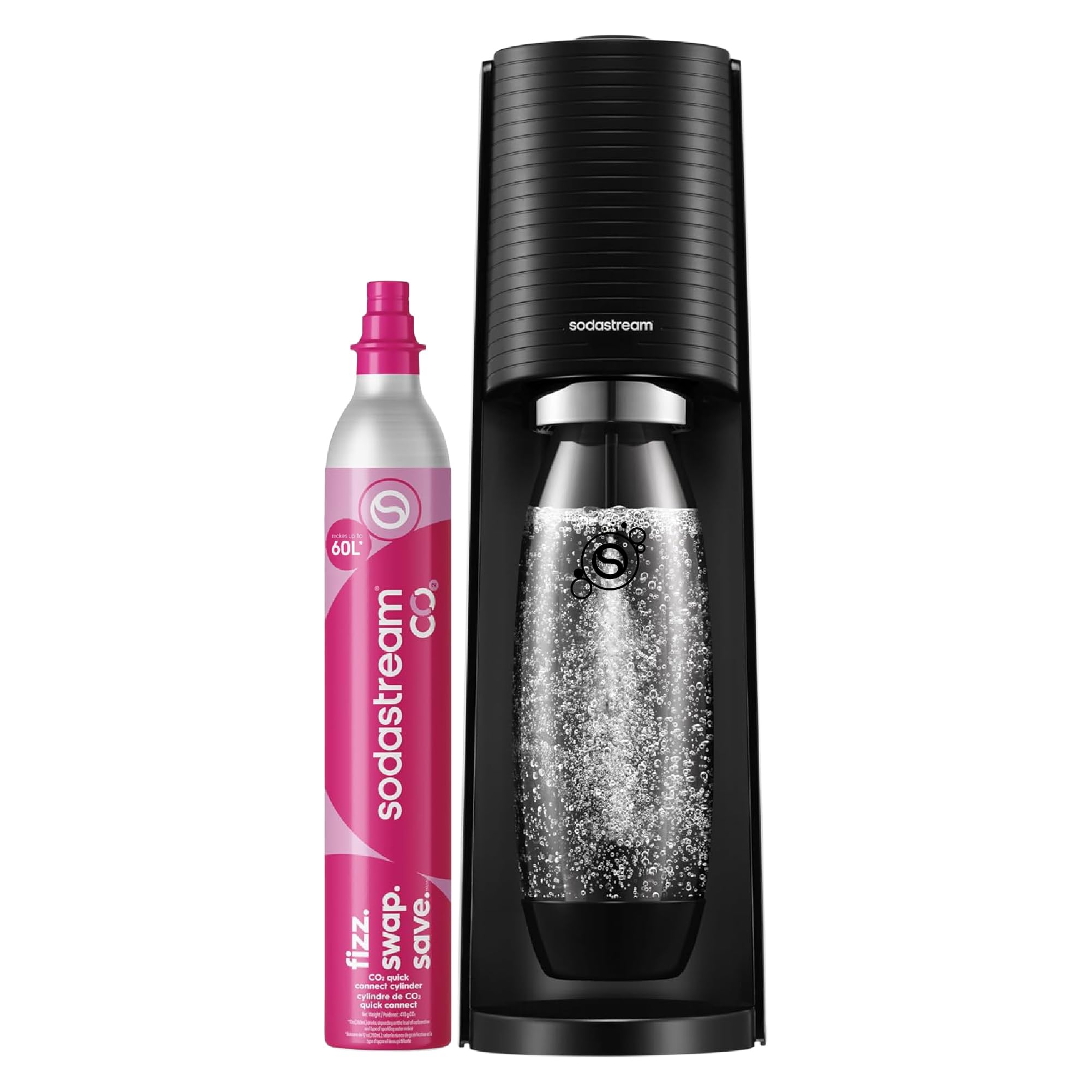
Most rival home carbonators use plastic bodies and plastic bottles, which keeps them lighter and cheaper but less suited to table service. Reading a sodastream terra review shows the value end of the category, where a simple plastic machine covers basic fizz needs for much less money. A sodastream art review covers a middle path, with a lever action design and a more styled body that still uses plastic bottles.
Against those types, the Pro is the choice you make for materials rather than for fizz alone, since all manual carbonators draw on similar gas cylinders. Choose it when glass and steel are worth a premium to you, and choose a plastic model when price or travel matters more.
Price, Deals and Warranty
Expect to pay about $300 to $400 for the machine with one glass bottle and, in many bundles, a first gas cylinder, so check what a listing includes before you compare prices. Sale events are the usual moments when the price drops, and bundles with a spare bottle can beat a small discount alone. Warranty cover varies by seller and region, so read the terms on the bottle, seals, and glass damage before you order.
Common Buying Mistakes to Avoid
- Buying a glass bottle model for a household that mainly wants drinks for bags and travel, so the bottle stays home while the need goes out.
- Skipping the cabinet height check, so the machine ends up exiled to a corner you rarely use.
- Judging the purchase on machine price alone, so the steady cost of gas refills comes as a surprise.
- Carbonating juice, milk, or flat soda, which can foam into the nozzle and create a sticky mess inside the machine.
Cost of Ownership and Care
Gas is the main running cost. A cylinder exchange generally costs about $15 to $30, and how long each one lasts depends on how strong you like your fizz and how many bottles you make each week. A spare glass bottle is the other likely purchase, as insurance against a chip or crack. There are no filters to replace and no power use to pay for, which keeps other running costs close to zero.
Your Questions, Answered
How do you clean the Aarke Carbonator Pro?
Wash the bottle with warm water, a little mild soap, and a bottle brush that reaches the base, then rinse it well because soap residue can flatten the taste of the next batch. Stand the bottle upside down to dry fully before you store it with the cap on. If water has foamed into the chamber after a fizzy overflow, wipe the inside surfaces with a damp cloth and leave the machine open until it is dry.
What is a cheaper alternative to the Aarke Carbonator Pro?
Plastic body carbonators with plastic bottles are the cheaper route into the same habit, often at a third of the price or less. You give up the serving quality of glass and the solid steel feel, and plastic bottles carry a printed expiry date and need replacing over time in a way glass does not. If you drink sparkling water daily but rarely serve it at the table, that trade off can be the smarter spend.
How long does the Aarke Carbonator Pro last?
There is no motor or heating element to wear out, so the body should serve for many years of daily use if it is kept clean and dry. The parts most likely to need attention are the bottle, which should be replaced if it chips or cracks, and small seals that can lose their firmness with age. Treating the bottle as the wear part and the machine as the lasting part is the right way to think about its life.
What are common Aarke Carbonator Pro problems?
Weak fizz is the most common complaint, and the usual causes are a cylinder nearing empty, water that is too warm, or a bottle that is not seated fully in the chamber. Work through those three checks in that order before you assume a fault. Hissing during carbonation points to a poor seal at the bottle neck, while overflow usually means the bottle was filled past its fill line, so measure the water rather than guessing.
Is the Aarke Carbonator Pro worth it?
Worth depends on volume. A household replacing a case of canned sparkling water every week will recover the premium far sooner than a household that opens a bottle on weekends, because the saving sits in each liter you make at home. Count your current spending on bought sparkling water for one month, add the cost of gas refills, and the gap between the two numbers tells you how fast the machine pays for itself in your home.
The Bottom Line
The Pro is a premium manual carbonator that trades a higher price and a fragile bottle for steel build quality, glass serving, and simple daily use with almost no upkeep. Check the product table above against your counter height, your weekly sparkling water habit, and your refill budget, and the right call should be clear. For the right kitchen, this aarke carbonator pro review points to a machine you buy once and use every day.