Aarke Carbonator 3 Review: Honest Pros, Cons & Who It's For (2026)
Disclosure: We may earn a commission when you buy through links on this page, at no extra cost to you. As an Amazon Associate I earn from qualifying purchases. Learn more

Thinking about the Aarke Carbonator 3? Our honest Aarke Carbonator 3 review covers everyday pros and cons, who it suits.
A countertop soda maker only earns its place in your kitchen if it fits the space, suits the people in your home, and stays easy to use on busy weeknights. This aarke carbonator 3 review looks at the machine through that lens, covering how it fits different homes, how simple it is to live with each day, and what it really costs to own over time.
The Carbonator 3 is a manual soda maker with a stainless steel body and a lever you press to add fizz, so it needs no cord, no batteries, and no outlet. If you are still deciding whether a soda maker suits your household at all, start with our guide to the best soda maker options, then use the comparison table below to see where this model sits on size, materials, and running costs.
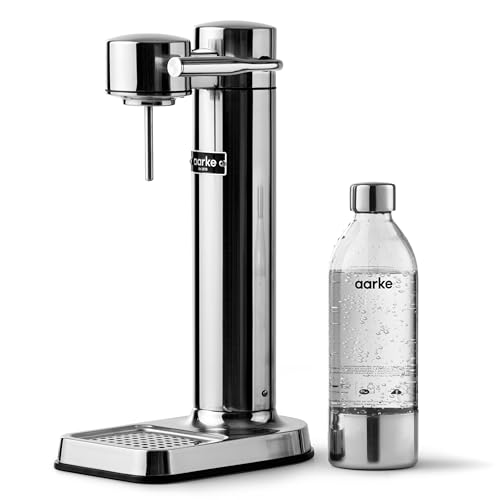
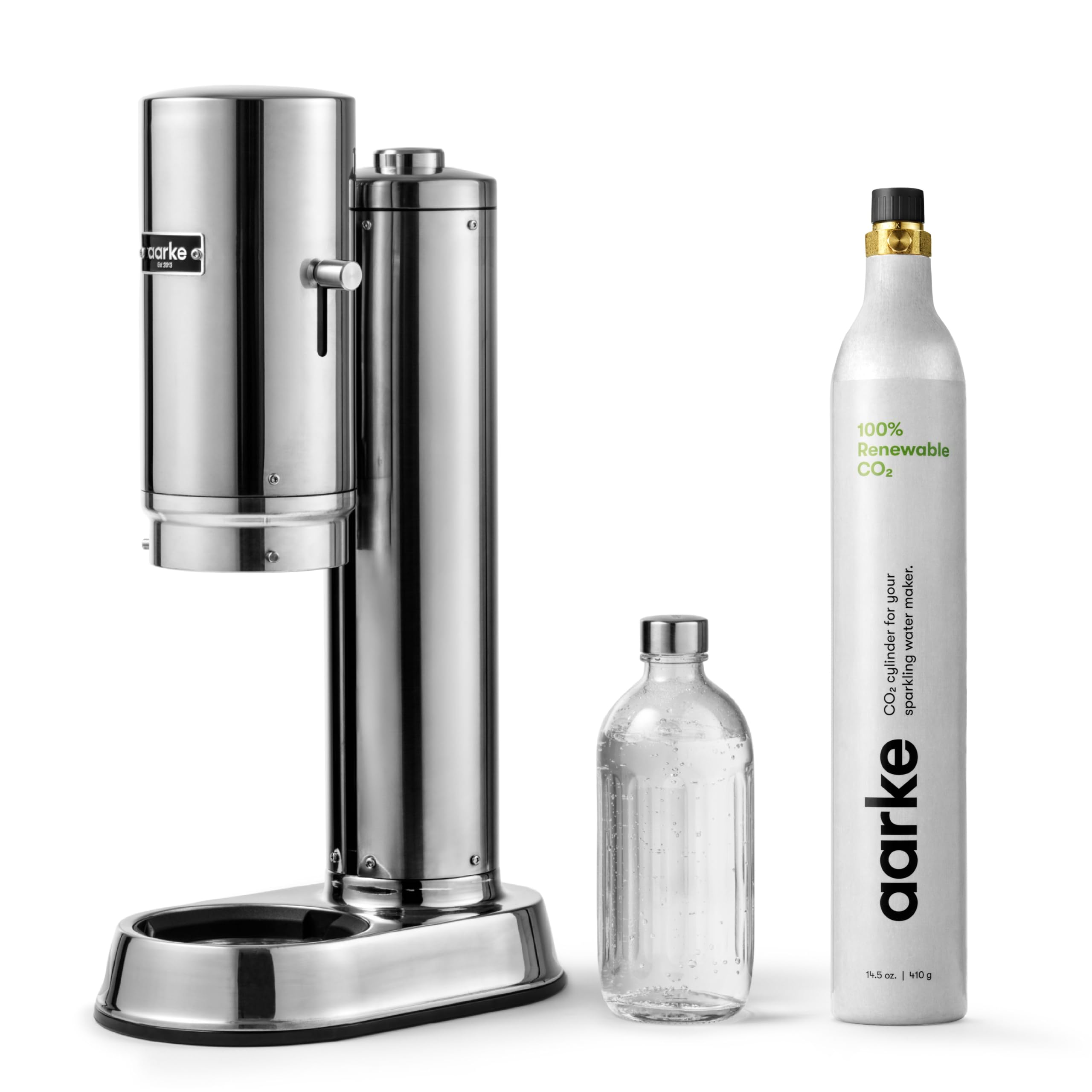
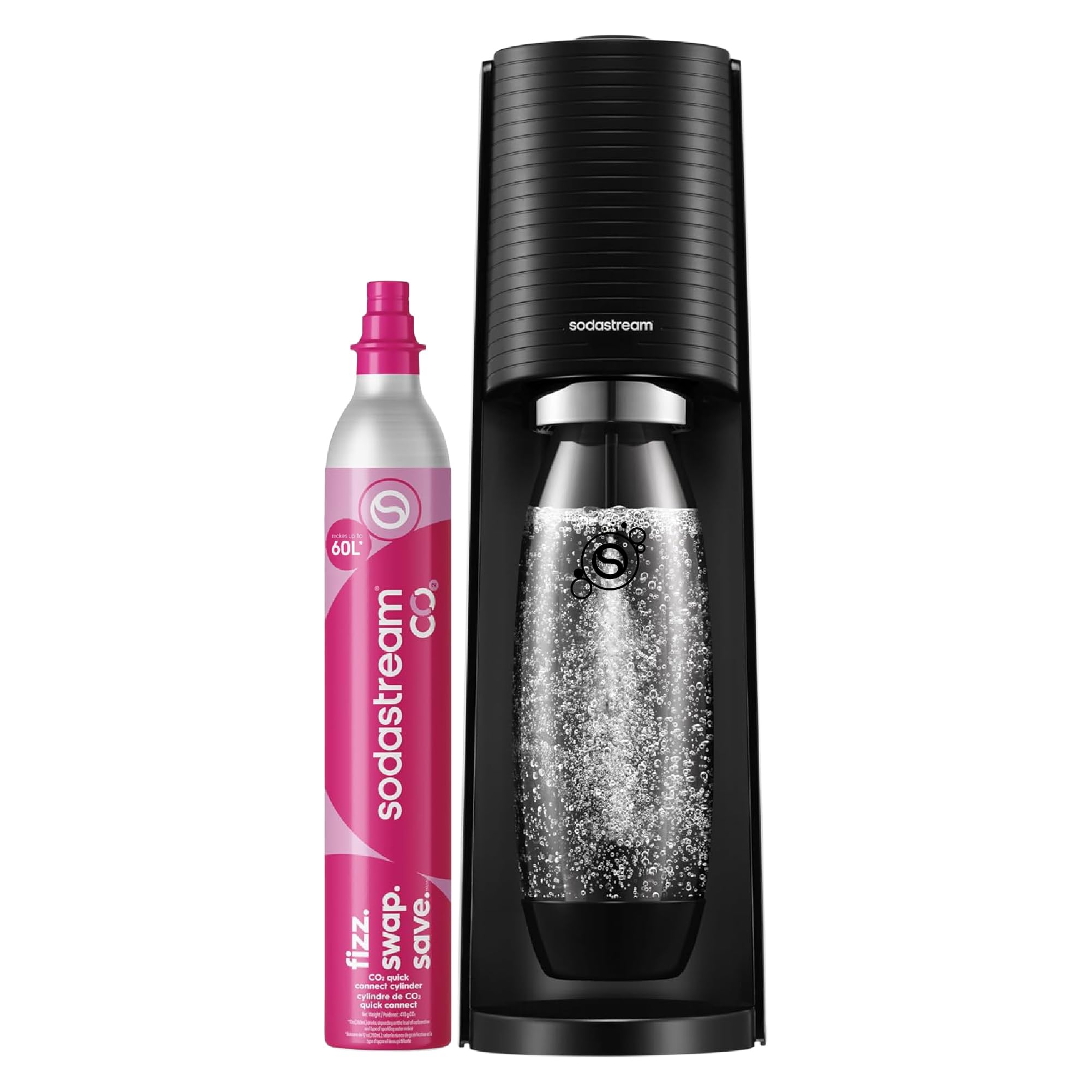


Aarke Carbonator 3: Key Specs
- Body: stainless steel with a polished or matte finish, plus a removable drip tray
- Bottle: one PET bottle of about 800 ml is included, with a stainless steel cap and bottom detailing
- Gas: standard 60 liter screw in CO2 cylinders, the widely available screw thread type
- Power: none, the lever does all the work
- Footprint: slim and tall at about 16 inches high, so check the gap under your upper cabinets
- Price: about $250 to $275, depending on finish
First Impressions and Build Quality
Most soda makers are plastic, and this one is not. The steel body gives the Carbonator 3 real weight and a solid feel, and it looks more like a permanent kitchen fixture than an appliance you hide in a cupboard. That matters if your counter space doubles as serving space, because a machine that stays out on display tends to get used far more often.
The trade off is weight. A steel body is heavier to move for cleaning underneath, and the tall shape needs clear vertical room when you lift the bottle in and out. Measure from counter to cabinet bottom before you order, and plan a spot where the machine can live full time rather than a shelf it has to be carried to.
How It Performs in Everyday Home Use
Capacity
The included bottle holds about 800 ml, which pours roughly four modest glasses or two large ones. For a single person or a couple, one bottle usually covers a meal. For a family dinner or guests, expect to carbonate a second round, since each bottle takes under a minute to fizz and chill time in the fridge is what slows you down. Households of four or more often buy a spare bottle so one can chill while the other is in use, and that small extra cost is worth planning for from the start.
Carbonation Performance
Because the lever is manual, you control the fizz level yourself. Short presses give a light sparkle similar to bottled European style water, while longer or repeated presses build the sharper bite that soda fans prefer. There are no preset levels to select, so results depend on your touch, and the first few bottles are a learning curve. Cold water from the fridge carbonates noticeably better than room temperature water, because cold liquid holds gas more readily, so keep a filled bottle chilled and ready.
Ease of Use
Daily use is simple enough for older kids and grandparents alike. You fill the bottle to the marked line, slot it into place, and push the lever down until you hear the release valve buzz, which tells you the water is fully carbonated. There is nothing to plug in and nothing to program. The one habit to build is restraint with the lever, since holding it down too long wastes gas without adding much extra fizz.
Cleaning
The bottle rinses clean with warm water and is not meant for the dishwasher, so hand washing is part of the routine. The drip tray lifts out for emptying, and the steel body wipes down with a damp cloth. The nozzle that dips into the bottle benefits from an occasional rinse if your tap water leaves scale. None of this takes long, but the bottle does need air drying space on the counter or a rack.
Features You Will Actually Use
The standout feature is the lever itself. It gives a smooth, controlled press and a clear buzz when carbonation is complete, so even a first time user can judge the result by sound. The bottle design is the second feature that matters day to day, since the steel cap and base make it sturdy enough for the fridge door shelf and presentable at the table.
Compatibility is the third quiet strength. The machine takes the standard screw in 60 liter cylinders sold for many soda makers, which means refills are stocked by plenty of retailers and exchange programs. You are not locked into one supplier, and a spare cylinder at home means you never face flat water mid dinner party.
Living With It: Setup and Day to Day Upkeep
Setup takes a few minutes. You screw the gas cylinder into the back of the machine by hand, set the unit on its drip tray, and rinse the bottle before the first use. There is no plumbing, no charging, and no app. Because nothing electrical is involved, the machine works on a kitchen island, a bar cart, or a holiday rental counter just as well as beside your sink.
Upkeep beyond cleaning is mostly about gas. A 60 liter cylinder carbonates roughly 60 liters of water in maker estimates, though heavy fizz drinkers will go through one faster. When the lever presses feel weak and the buzz fades, the cylinder is nearly empty and swapping in a fresh one takes under a minute.
Strengths and Trade Offs of the Aarke Carbonator 3
On the plus side, the steel build feels durable, the footprint suits narrow counters, and the manual design removes cords from an already crowded worktop. Running costs stay predictable because cylinders are the only consumable, and the machine carbonates plain water only, which keeps the nozzle free of sticky residue.
On the down side, the price sits well above plastic rivals, and you pay for looks and materials rather than extra functions. The single included bottle can feel limiting for larger households, the manual lever gives less repeatable results than preset machines, and the pink quick connect cylinders sold for some newer models do not fit this screw in design.
Is the Aarke Carbonator 3 Right for Your Household?
Choose it if your kitchen has limited counter depth but good vertical clearance, if you drink sparkling water daily, and if an appliance that stays on display needs to look the part. It suits couples and small families who value a calm, cord free counter and who mostly carbonate water rather than flavored drinks.
Skip it if your household goes through several liters a day and would rather have presets and a larger bottle, if your budget is tight, or if your under cabinet gap is too low for the tall body. Big families who host often may find a cheaper machine plus spare bottles the more practical route.
How the Aarke Carbonator 3 Compares
The closest rivals come from SodaStream. If you like the idea of preset carbonation levels in a plastic body at a lower price, read our sodastream terra review for a budget friendly take on the same job. If you prefer a lever style machine with a glass carafe option and a mid range price, our sodastream art review covers that design in detail. The Aarke stands apart mainly on materials and looks, while all three carbonate water in much the same way.
Price, Deals and Warranty
Expect to pay about $250 to $275 for the machine with one bottle and no cylinder in some bundles, so check the listing carefully because some packages include a starter cylinder and some do not. Prices and availability can change, so check the product page before ordering. Holiday sale periods often bring the finish options down in price, and buying during a sale is the easiest way to soften the premium. Aarke backs the machine with a limited warranty, and registering your purchase and keeping the receipt makes any claim simpler.
Common Buying Mistakes to Avoid
- Skipping the height check and finding the tall body will not fit under your upper cabinets.
- Assuming a gas cylinder is in the box, then being unable to use the machine on the day it arrives.
- Buying quick connect cylinders, which do not fit this screw in model.
- Carbonating juice or wine, which can clog the nozzle and void the warranty, when the machine is made for plain water only.
- Ordering for a large household without a spare bottle, so chilled water runs out at gatherings.
Cost of Ownership and Care
After the purchase price, your main cost is gas. Exchange cylinders typically cost about $15 to $20 each when you return the empty, and a household carbonating a liter a day might swap one every six to eight weeks. Bottles also age out, since PET bottles carry an expiry date printed on the base and should be replaced when it passes or if the plastic turns cloudy or scratched.
To keep the machine looking new, wipe fingerprints from polished finishes with a soft cloth, empty the drip tray before it overflows, and store the unit away from direct heat. Keep a spare cylinder and a spare bottle on hand and the total yearly running cost stays modest and predictable.
FAQ
How do you clean the Aarke Carbonator 3?
Rinse the bottle with warm water and a drop of mild soap, then let it air dry, since the bottle should not go in the dishwasher. Wipe the steel body with a damp cloth and dry it to prevent water marks on polished finishes. Empty and rinse the drip tray weekly. If your tap water is hard, rinse the nozzle area now and then so scale does not build up and affect the seal.
What is a cheaper alternative to the Aarke Carbonator 3?
Plastic soda makers from larger brands do the same core job for about half the price or less, and they use the same screw in cylinders in many cases. What you give up is the steel body, the weight, and the display worthy looks. If the machine will live in a cupboard between uses, a cheaper model makes sense. If it will sit out every day, the Aarke premium is easier to justify.
How long does the Aarke Carbonator 3 last?
The machine itself has few parts that wear out, since there is no motor, pump, or electronics, and a steel body should serve for many years with basic care. The parts with a real lifespan are the PET bottle, which has a printed expiry date, and the seals, which can slowly lose their tightness. Keeping the lever action clean and storing the machine dry helps everything last longer.
What are common Aarke Carbonator 3 problems?
Weak fizz is the most reported frustration and usually traces back to warm water, an underfilled bottle, or a cylinder that is nearly empty rather than a fault. Leaks at the bottle neck often mean the bottle was filled past the marked line. A lever that feels stiff can result from a cylinder that was screwed in at an angle, so reseating it by hand normally fixes the issue.
Is the Aarke Carbonator 3 worth it?
It is worth it if you carbonate water most days, care how your counter looks, and want a machine with no cord and no electronics to fail. The value case weakens if you only make sparkling water on weekends, because the premium buys materials and design rather than better fizz. Think of it as paying once for a fixture, not renting features you may never use.
Final Thoughts
The Carbonator 3 is a premium, manual soda maker that trades presets and a low price for steel construction, a slim footprint, and calm, cord free daily use. Before you decide, look back at the product table above and weigh the height, the single bottle, and the cylinder costs against how your household actually drinks. If those points line up with your kitchen and your habits, the aarke carbonator 3 review verdict is simple: it is a well judged buy for design minded sparkling water drinkers.