30 vs 36 Inch Cooktop: Which One Fits Your Home Better? (2026)
Disclosure: We may earn a commission when you buy through links on this page, at no extra cost to you. As an Amazon Associate I earn from qualifying purchases. Learn more
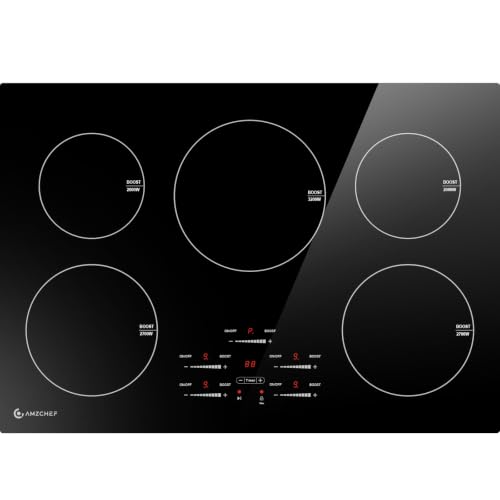
30 vs 36 Inch Cooktop: see how they differ in everyday use, features and value, and which one makes more sense for your home and budget.
Picture a weekday evening in a busy family kitchen. Two pans need heat at once, a pot of pasta water is coming to a boil, and the cook is also trying to keep counters clear for plates. This is where the 30 vs 36 inch cooktop decision stops being about a tape measure and starts being about how your home actually runs each day.
This guide compares the two sizes by room layout, household size, ease of daily use, and the full cost of owning each one. Use the comparison table below for a quick view, then read on for the detail behind each row before you commit to a cutout.

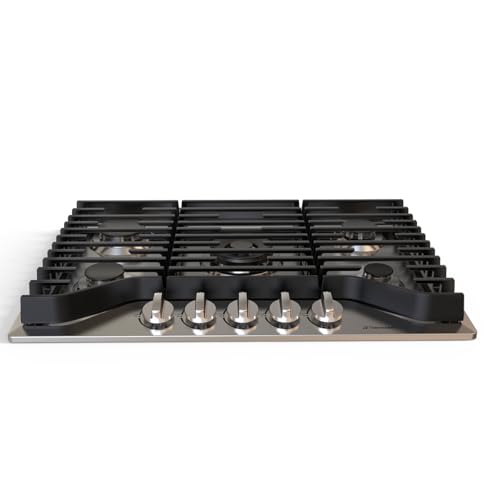

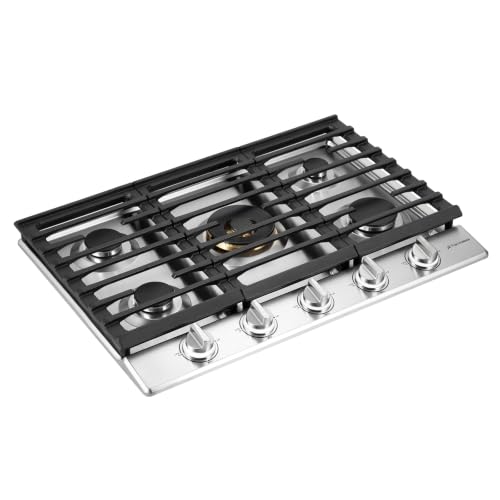


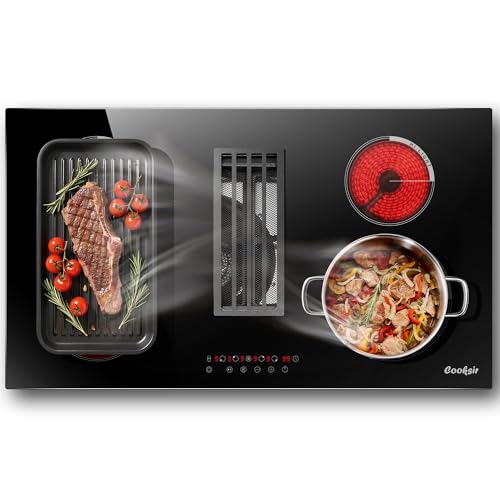
30 vs 36 Inch Cooktop at a Glance
Both sizes cook the same kinds of food and come in gas, electric radiant, and induction versions. The real gap is space. Six extra inches of width changes how many pans fit at once, how much counter you give up, and how much work a swap involves.
| Criteria | 30 Inch | 36 Inch | Edge |
|---|---|---|---|
| Typical layout | Four burners or elements | Five burners or elements | 36 inch for crowds |
| Counter width used | Fits a standard 30 inch cabinet run | Needs a wider cabinet run or island | 30 inch for small kitchens |
| Large pan room | One large pan fits with care | Two large pans fit with room to spare | 36 inch |
| Best household size | One to four people | Four or more people, plus guests | Depends on your home |
| Typical price range | About $600 to $2,000 | About $900 to $3,000 | 30 inch |
| Cleaning area | Smaller surface, faster to wipe | Larger surface, more grates or glass | 30 inch |
Read the rows as a starting point, not a verdict. A large family may use the wider surface daily, while a small flat may value the counter space the standard size saves.
Meet the Contenders: The Two Sizes in Daily Life
The 30 Inch Size in Daily Life
The 30 inch size is the standard fit in most American homes, apartments, and condos. It usually offers four burners or elements arranged so a large skillet and a medium pot can share the surface, though two oversized pans will crowd each other. For one to four people, that layout covers weeknight cooking well. Because the size is so common, cabinets, counters, and replacement units are built around it, which keeps shopping and future swaps simple.
The 36 Inch Size in Daily Life
The 36 inch size adds a fifth burner or element and spreads the cooking zones farther apart. That spacing is its main gift. A stock pot, a wide skillet, and a small saucepan can sit at once without handles fighting for room. This size suits larger households, people who host often, and homes with an island or a long counter run where the extra width does not steal prep space.
Head to Head: Where They Really Differ
Installation and Compatibility
Start with the cutout, because it decides whether a swap is easy or costly. A 30 inch unit drops into the opening left by most older cooktops, so a like for like change can be quick. Moving up to 36 inches means cutting the counter wider, checking that the cabinet below still has room, and confirming clearance from walls nearby. Stone and quartz counters need a specialist to cut them, and that cost belongs in your budget. Always measure the actual opening against the spec sheet, since nominal width and cutout width are never the same number.
Power and fuel add a second check. Induction and electric models need the right circuit capacity, and a larger unit may draw more than a small one. Gas models need a sound gas line and proper venting above. Ask an electrician or plumber to confirm what you have before ordering either size.
Build Quality and Finish
Size alone does not tell you how well a cooktop is built. On glass models, look for a smooth surface that sits flat in the cutout and an edge treatment that guards against chips from heavy pans. On gas models, heavy cast iron grates that sit level and do not rock are a good sign, and sealed burners help keep spills out of the works below. Finishes such as black glass and stainless steel both show marks, so think about your tolerance for wiping rather than chasing a finish that hides everything.
A wider unit has more parts that can show wear. That means one more grate to lift, one more burner cap to align, and a larger glass area where a dropped pan can do harm. Check that knobs feel firm, that grates lift out without a struggle, and that replacement parts for the brand are easy to order in the United States.
Features
Feature lists grow as width grows, and the useful ones are about control, not novelty. On a 36 inch model, a central burner or element often handles very large pans, and flexible induction zones can join two areas under one long pan or griddle. If you want to see how joined zones behave on a full width surface, our thermador freedom induction review walks through that idea in detail. On a 30 inch model, the same money often buys stronger top burners instead of a fifth zone.
Everyday ease matters more than headline power. Touch controls should be simple to set with wet hands, and a bridge or griddle option should match pans you already own. Families with young children should look for a control lock and clear hot surface warnings on radiant and induction glass. List the two or three features you will use weekly, and let that list, not the size badge, guide your choice.
Certifications
Whichever size you pick, look for a listing mark from a recognized testing body such as UL or ETL on the rating plate and in the manual. That mark tells you the unit was checked against United States safety standards for electrical and fire risk. Gas models should also meet the standards for household cooking gas appliances, and the manual will name them. If a listing mark is missing, walk away, because insurance and local codes can both depend on that approval.
Energy labels play a smaller role here than with fridges or laundry machines, since cooktops are not rated the same way. Induction still stands out for putting more of its energy into the pan and less into the room air, which can make a small kitchen feel cooler in summer.
Warranty
Warranty terms tend to follow price more than width. Most cooktops in both sizes carry about one to two years of cover on parts and labor, with longer cover on some glass surfaces or electronic boards in higher priced lines. Many warranties require proof of correct installation, and some exclude damage from spills or impacts. Keep your receipt and the model and serial numbers in a safe place from day one.
Before you buy, check how service works in your area. A wide unit is heavy and awkward to remove, so in home service matters more for the 36 inch size. Ask who handles repairs near you and whether the brand stocks parts for older models. A modest warranty with fast local service can be worth more than a longer promise with slow support.
Price and Value
Expect the 36 inch size to cost more at every level, both for the unit and for the work around it. The price gap covers the extra burner or element and the larger glass or grate set. Add the hidden costs before you judge value. Cutting a counter, changing a cabinet, or upgrading a circuit can add about $200 to $800 or more to a size change, while a same size swap may add almost nothing beyond fitting.
Value also depends on use. If the fifth zone sits cold six days a week, the smaller size gives you the same meals for less money and leaves counter room you will use daily. If you cook for a crowd three or four nights a week, the wider surface saves time and stress on every one of those nights. Judge the gap against your real routine, not against the dinner you cook twice a year.
Our Recommendation for Your Home
Pick the 30 Inch Size if Your Space and Routine Are Modest
Choose the smaller size if your kitchen has a standard cabinet run, limited counter length, or a galley layout where every inch of prep space counts. It also fits households of one to four people who rarely cook more than two pans at once. Owners planning a simple swap will feel the benefit most, since fitting is easier and the choice of models is wider.
Pick the 36 Inch Size if You Cook for More People, More Often
Choose the wider size if you cook for five or more people, host regular gatherings, or run three pans at once as a normal habit. It also suits homes with an island or a long counter run, where the unit can sit without crowding prep zones at either side. When the choice of 30 or 36 inch cooktop comes up in a remodel, this is the moment to go wider, because changing your mind after the counter is cut is costly.
Not Sold on Either? One More Option
If both sizes feel wrong, a compact 24 inch cooktop can serve a studio, a basement kitchenette, or a second cooking spot, and it leaves generous counter room in a tight layout. You give up burner count, so treat it as a deliberate trade for space, not a bargain version of the standard size. To compare widths, fuels, and layouts before you settle, browse our guide to the best induction cooktop options and note which sizes appear most often for homes like yours.
Your Questions, Answered
Which size cooktop lasts longer, a 30 inch or a 36 inch model?
Neither size has a built in life advantage. Lifespan depends on build quality, how often the unit runs, and whether spills are dealt with promptly. One point in favor of the standard size is parts supply. Because far more 30 inch units are sold, boards, knobs, and grates for common models tend to stay in stock longer, which can keep an older unit repairable.
Which is easier to clean, a 30 inch or a 36 inch cooktop?
The smaller surface is faster to clean simply because there is less of it. A 30 inch glass top is one quick wipe, and a gas version has fewer grates to lift and soak. The wider gas models add a fifth grate and burner cap, which adds a few minutes after a messy meal. One habit helps both sizes. Wipe spills while the surface is still slightly warm but safe to touch, because sugary spills left to harden stain glass and bake onto grates.
What is the main difference between a 30 inch and a 36 inch cooktop?
The main difference is usable pan space, not cooking power per burner. Top burners on good models from both sizes reach similar strength, so a pot of water boils at a similar pace. What changes is how many pans can reach that heat at once and how far apart they sit. Think of the wider size as more elbow room for the same cooking skills, which is why the difference between 30 and 36 inch cooktop models shows up most on busy nights.
Is a 30 inch cooktop better than a 36 inch cooktop for a remodel?
It is better only when the room and the routine say so. In a remodel that keeps the existing cabinet run and counter, the standard size protects your budget for other work and avoids cutting finished stone. In a remodel that already replaces counters and cabinets, the wider size costs little extra to fit at that stage. So the honest answer to 30 vs 36 inch cooktop which is better is that timing matters. Decide the size before drawings are final.
Final Thoughts
Measure your cutout, count the pans you truly use on a busy night, and think about who eats at your table most weeks. The 30 vs 36 inch cooktop choice rewards honesty about your routine far more than buying the biggest surface you can fit. Match the size to your space, household, and budget, check the product table above once more, and you will choose well.