
Best Self Defense Flashlights: A Complete Buying Guide
Disclosure: We may earn a commission when you buy through links on this page, at no extra cost to you. As an Amazon Associate I earn from qualifying purchases. Learn more
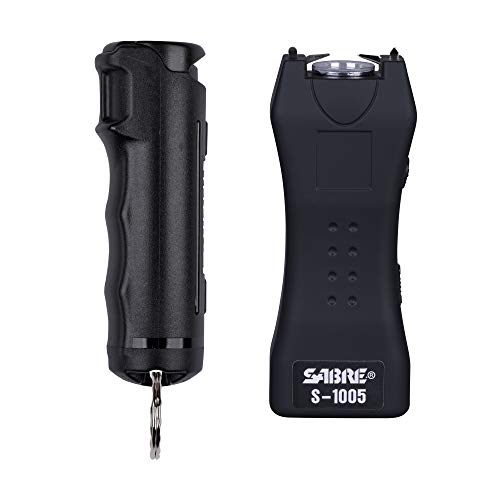
Walking to your car alone in a dark parking lot or checking a strange noise outside your house at night calls for something more than the flashlight app on your phone. A light built for personal protection has to do two jobs at once: put enough light on a threat from a safe distance, and hold up if you ever actually have to use it as a striking tool. That is exactly what the best self defense flashlights are designed for, and they differ in real ways from a light grabbed off a hardware store shelf or even a general-purpose everyday carry flashlight. This guide covers the brightness that actually disorients someone, the hardware features built specifically for defense, how to hold and carry one for a real confrontation, and the legal ground you need to understand before you carry one as a weapon.
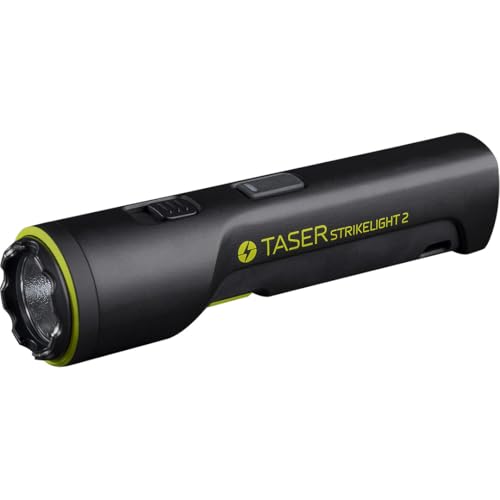
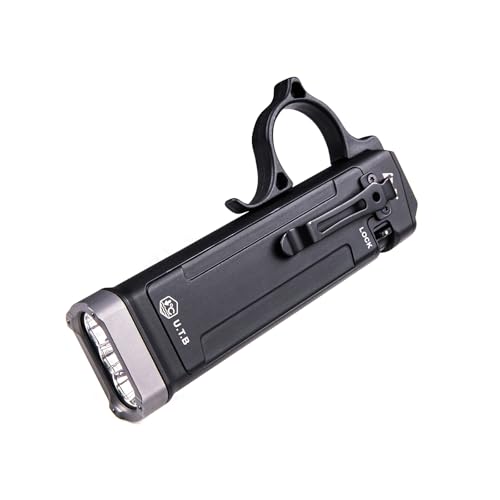
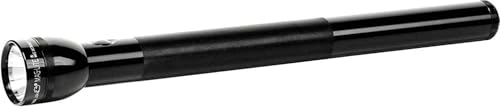




Brightness and Throw That Actually Stop an Attacker
A good self defense flashlight starts with brightness, but the lumen number on the box only tells part of the story. Most sources agree that somewhere around 500 lumens is the point where a light starts genuinely disorienting someone at close range, while 1,000 lumens or more gives you a bigger margin, especially outdoors where ambient light soaks up some of the effect. What matters just as much is how fast that light reaches full brightness. A light that takes a moment to ramp up, or that buries its highest setting several clicks deep in a menu, is far less useful than one that hits maximum output the instant you press the switch.
Beam pattern is the other piece people overlook. A flood-heavy beam lights up your immediate surroundings and works well at arm's length, while a beam with a tighter hotspot throws light further and can catch someone's eyes before they're close enough to be a problem. If you also want a broader rundown of general-purpose brightness, battery, and durability specs for everyday and outdoor use, our guide to tactical flashlights covers that ground in more depth. This guide stays narrower, focused specifically on what helps in a confrontation rather than on a hike or during a power outage.
Strike Bezels and Defensive Hardware Worth Paying For
A self-defense flashlight earns that label through hardware choices most everyday lights skip entirely, not just a higher lumen count.
What a Crenellated Bezel and Glass-Breaker Tip Actually Do
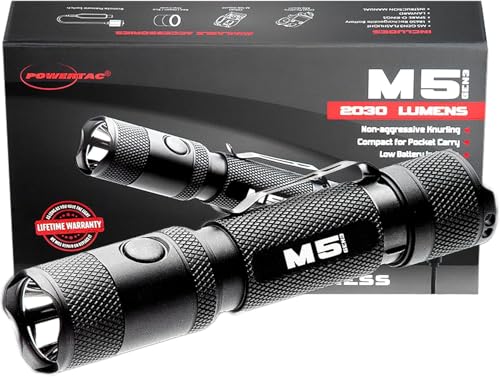
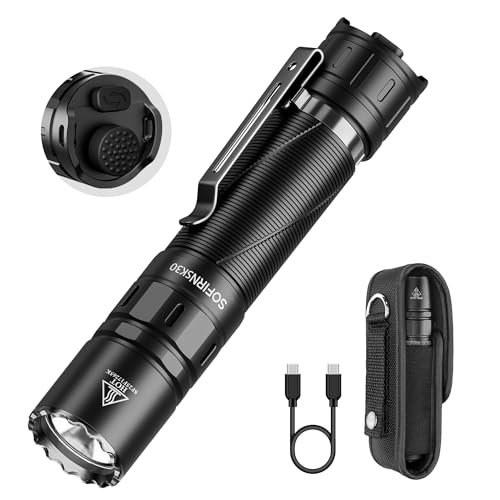
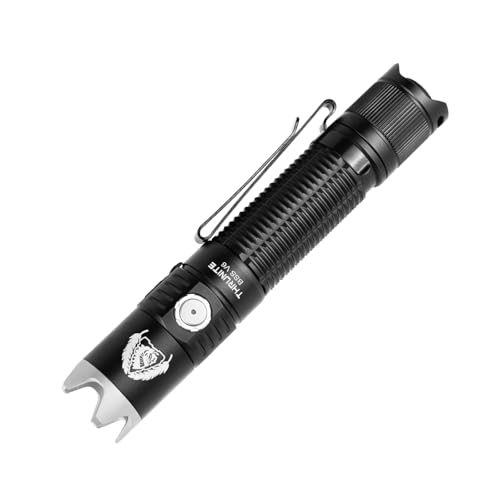
A crenellated bezel, the ridged, saw-toothed ring around the lens, is designed to concentrate force into a smaller area if you ever need to strike with the front of the light. Some models add a hardened, pointed tip specifically meant to break tempered glass in a car window emergency, which doubles as a defensive striking point in a pinch. These features do not turn a flashlight into a weapon on their own, but they matter more than an extra 200 lumens if a light ever has to double as a last-resort tool.
Body Material and Impact Rating
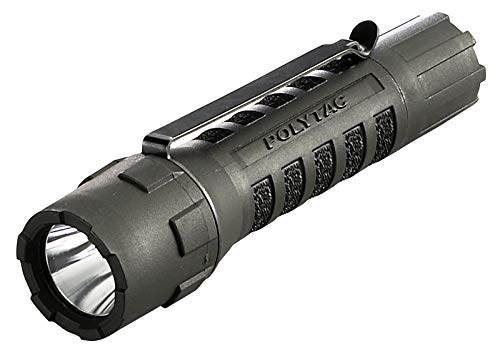
Skip anything built from plastic. Aircraft-grade aluminum bodies hold up to repeated drops and impacts far better, and a stated drop rating, usually given in feet, tells you how much abuse the housing is rated to survive. A light rated for a six-foot drop onto concrete gives you real confidence it will keep working after being knocked around in a bag, a car door, or an actual physical struggle.
Grip, Size, and Carry Style for a Real Confrontation
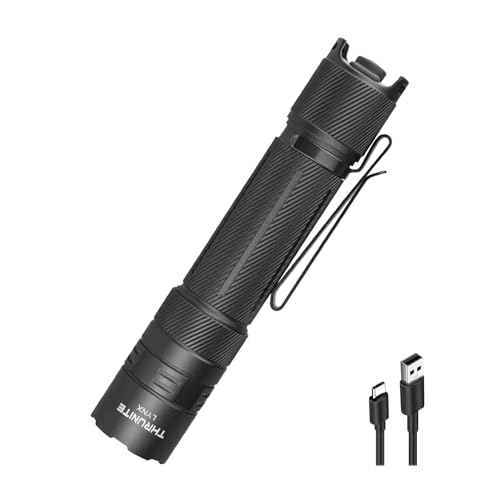
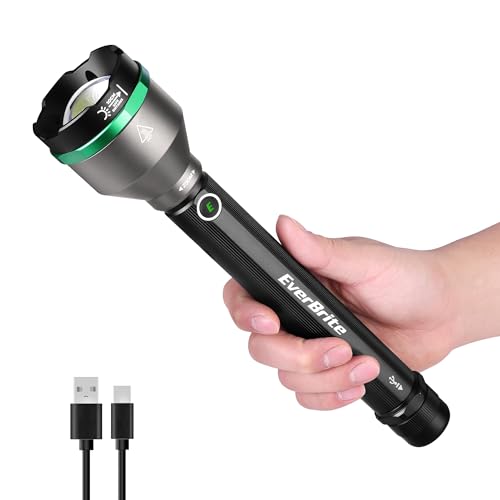
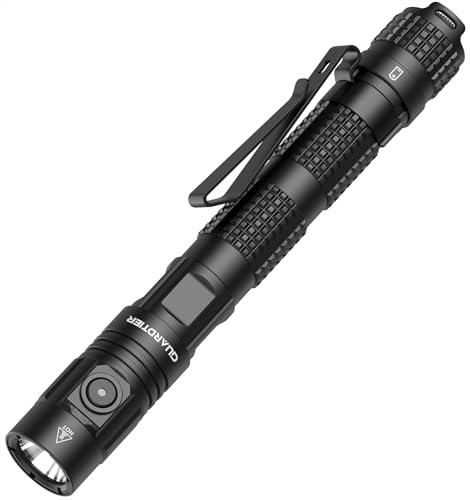
A flashlight that's awkward to hold under stress defeats its own purpose, no matter how bright or well built it is. Look for a body diameter that matches your hand comfortably, with textured knurling along the barrel so it stays put even if your palm is sweaty. A light long enough to extend a few inches past your fist gives you reach and leverage if you need to swing or strike, while something too short can end up trapped against your own hand at the worst moment.
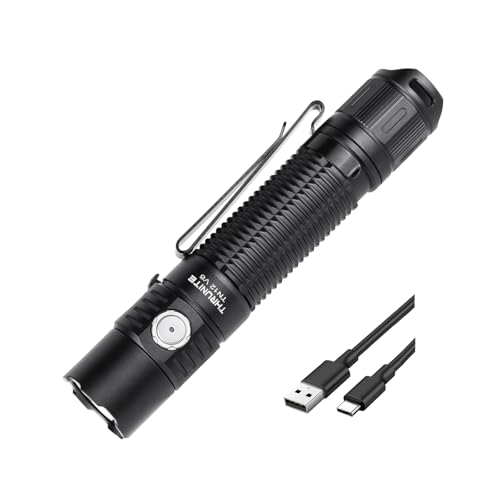
Weight is a balancing act. Too light and a light feels flimsy and does little if used as a striking tool; too heavy and it's the flashlight you leave in a drawer instead of carrying daily. A mid-size aluminum body with a secure pocket clip tends to hit that balance for most people, small enough for daily carry and substantial enough to matter if you ever need it. This is where a good self defense flashlight earns its keep over a generic light left in a junk drawer. If you're building out a broader personal safety setup at home, pairing a reliable flashlight by the door with something like a video doorbell camera lets you see who's outside before you ever need to reach for either one.
Legal Considerations Before You Carry One as a Defense Tool
A basic self-defense flashlight is legal to own and carry almost everywhere in the United States, but the moment you start treating one as a weapon, the rules get more complicated and vary by state and city. Using bright light or a strobe function against another person can, in some jurisdictions, raise questions around assault or brandishing if it's judged excessive for the situation, even in genuine self-defense. This matters most with combination devices, like flashlights built with a stun-gun function, since stun-gun ownership and use is restricted or banned outright in some states and cities regardless of intent.
None of this means a flashlight isn't a reasonable, common self-defense tool, it clearly is, and it's legal in far more places than many other options. It just means it's worth a few minutes checking your local and state rules before you rely on one, particularly if you're considering a model with added features like a stun function rather than a straightforward high-output light.
Pairing a Flashlight With Other Personal Safety Tools
A flashlight is rarely meant to be someone's only line of defense, and treating it that way sets expectations too high for what a single tool can do. Its real strength is buying you time and visibility, disorienting someone for a few seconds and letting you see clearly enough to get away or call for help, not ending a confrontation on its own.
Many people pair a bright, strike-capable flashlight with a second, lower-commitment option like pepper spray, since the two work in different ranges and situations. A flashlight works at a distance and in low light, while pepper spray is more useful once someone is already close. Carrying both, and actually knowing how to reach each one quickly, does more for your safety than maximizing any single spec on either tool.
A self defense flashlight also fits naturally into a wider home safety routine rather than standing alone. Keeping one charged near the door, alongside broader steps like a smart home security system that alerts you before someone reaches the door, covers more ground than any single product can on its own.
Frequently Asked Questions
How many lumens do I actually need for self defense?
Around 500 lumens is generally enough to disorient someone at close range, while 1,000 lumens or more gives you a bigger margin outdoors or at a distance. Beyond that point, other factors like beam quality and how fast the light reaches full brightness matter more than chasing an even higher number.
What makes a flashlight good for self defense besides brightness?
Hardware details like a crenellated strike bezel, an aircraft-grade aluminum body with a real drop rating, and a size and grip you can actually hold onto under stress matter as much as lumen output. A bright light in a flimsy plastic body isn't a reliable defense tool.
Are strobe flashlights legal to use against an attacker?
Strobe itself is legal in most places, but using any bright light or strobe against a person can raise legal questions depending on your state and the circumstances, especially with combination devices like stun-gun flashlights. It's worth checking local laws rather than assuming it's unrestricted everywhere.
Can I carry a self defense flashlight everywhere?
A standard high-output flashlight is legal to carry in nearly every setting in the United States. Combination devices with an added stun-gun function face more restrictions and are banned outright in some states and cities, so check those specifically before buying one.
Should I choose a rechargeable or battery-powered model?
Rechargeable models are convenient and cheaper to run day to day, while models that also accept standard disposable batteries give you a backup if you can't charge on schedule. Many people carrying one specifically for personal safety prefer a hybrid option that supports both.
How do I actually use a flashlight to defend myself?
The main use is disorienting an attacker with a sudden burst of bright light or strobe, buying yourself a few seconds to create distance and get away or call for help. Striking with the bezel is a last resort, not the primary strategy, and is most effective aimed at soft targets if it's genuinely needed.
Is a self defense flashlight better than pepper spray?
Neither is strictly better since they work at different ranges and in different situations. A flashlight is useful from a distance and in low light, while pepper spray is more effective once someone is already close, which is why many people carry both rather than choosing one over the other.
Making Your Decision
Choosing the best self defense flashlight for your needs comes down to matching brightness and defensive hardware to a size and grip you'll actually carry every day, then understanding the legal ground you're standing on before you rely on it. Get the brightness, build, and fit right, and you end up with a tool that genuinely helps in the moment it matters instead of one that just sounds impressive on a spec sheet.