Best Murphy Bed Kit: A Complete DIY Buying Guide
Disclosure: We may earn a commission when you buy through links on this page, at no extra cost to you. As an Amazon Associate we earn from qualifying purchases. Learn more

A guest room that also works as a home office only pays off if the bed disappears when you need the floor space back. That is why so many people skip a finished wall bed and buy the best murphy bed kit they can find instead, then build the cabinet themselves. Doing it this way is a real project, not a weekend flat pack job, and the hardware you choose determines almost everything about how the finished bed feels once it is mounted. This guide walks through what actually separates a solid kit from a disappointing one, where DIY builds tend to run into trouble, and what to expect once you compare the true cost against buying something pre-made.


Kit vs Pre-Built: Where the Money and the Work Actually Go
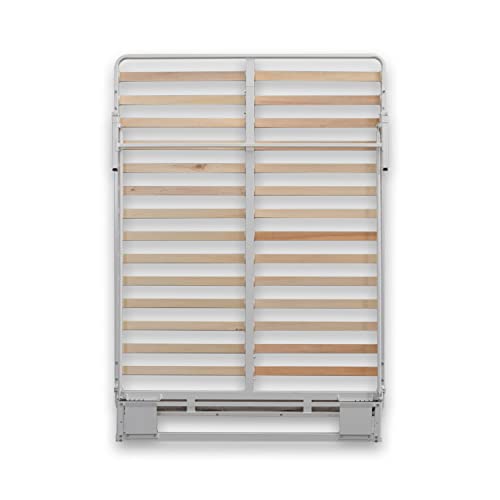
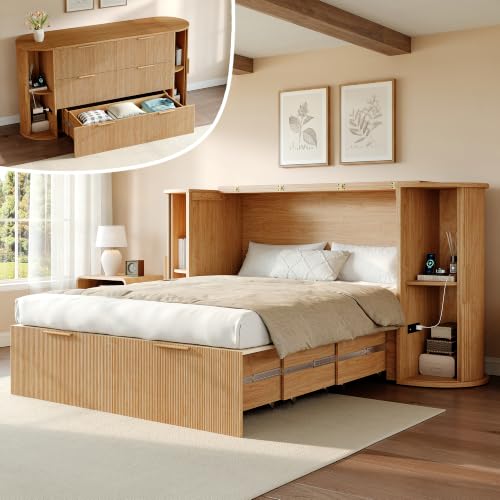
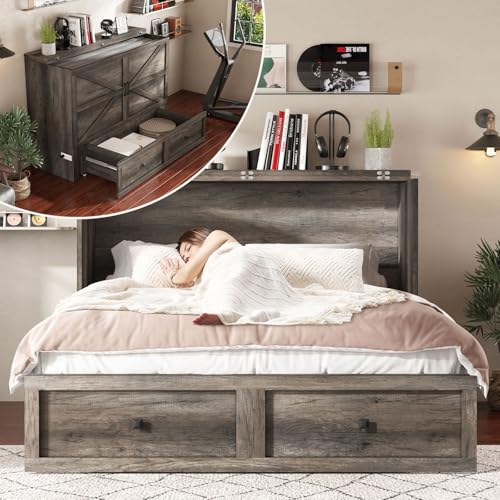
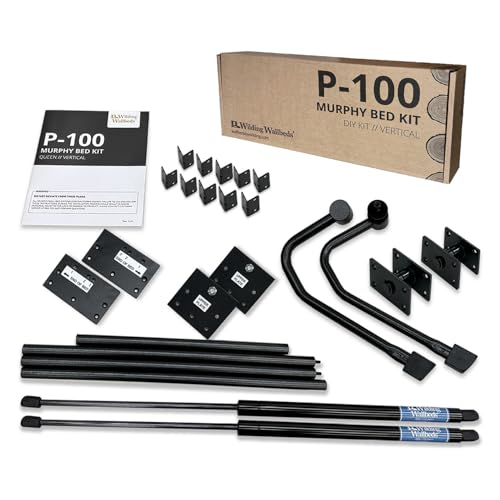
The appeal of a kit almost always starts with price. A hardware-only mechanism typically costs a fraction of what a finished, cabinet-included wall bed runs, since you are paying for steel and pistons, not labor, joinery, or a factory finish. That gap widens fast once you add in professional installation, which is why so many buyers who are comfortable with basic woodworking never look at a pre-built option twice.
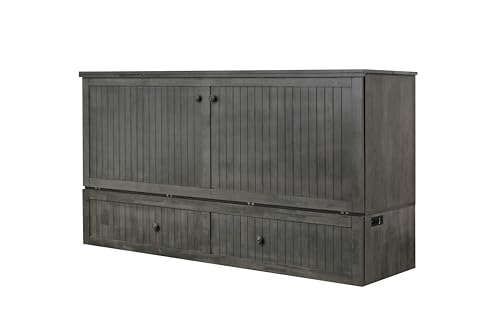
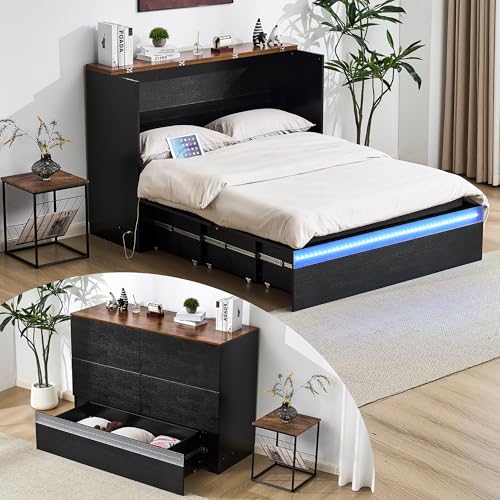
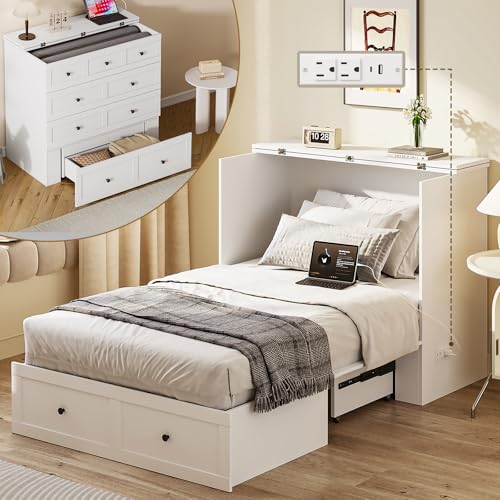
The trade-off is time and skill, not just dollars. A pre-built wall bed usually needs little more than wall anchoring and a level, while a kit hands you a bare mechanism and expects you to design, cut, and finish a load-bearing cabinet around it. If the idea of squaring plywood panels and routing for hinges sounds like more hassle than savings, a pre-assembled cabinet bed or finished wall bed will get you a usable result with far less risk of a mistake mid-build.
Matching the Mechanism to Your Room and Mattress
Most of the complaints people post about murphy bed kits trace back to a mismatch between the hardware and what it is being asked to hold or fit into, not a defect in the kit itself.
Weight Capacity Starts With the Mattress, Not the Frame
Every kit lists a maximum supported weight, but that number covers the mattress, the frame, and anything left on the bed when it folds, not just the mechanism itself. Thick memory foam or hybrid mattresses eat into that allowance quickly and can leave a mechanism working harder than it should on every lift. Check the manufacturer's rated mattress weight specifically, not only the overall capacity, before you commit to a mattress size.
Piston or Spring: What the Difference Feels Like Day to Day
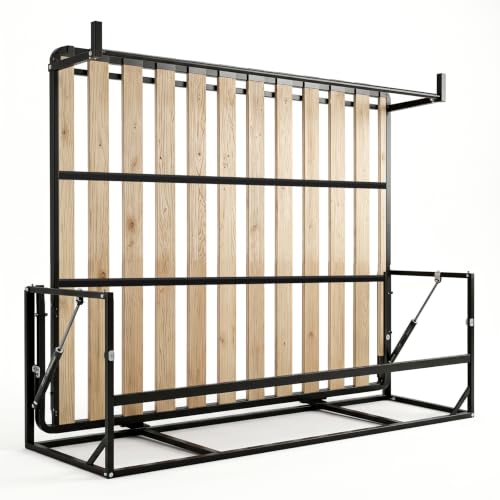
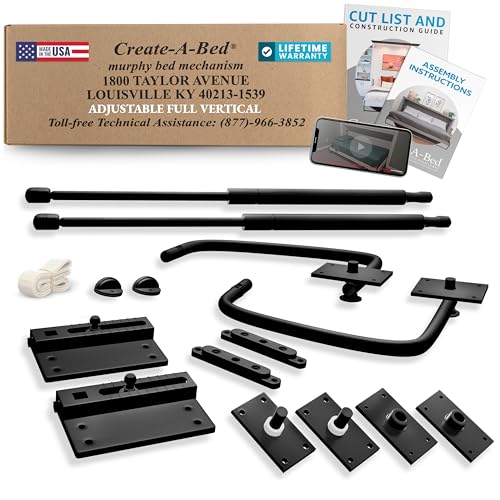
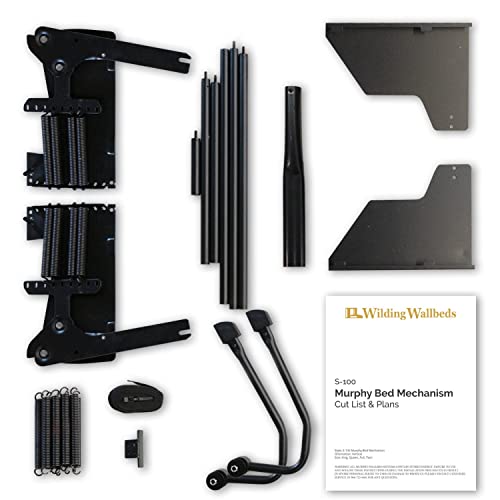
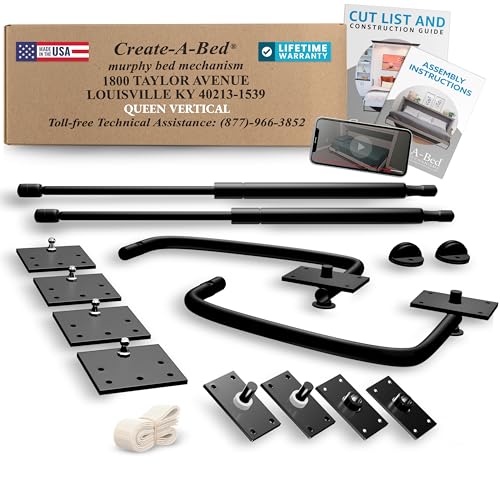
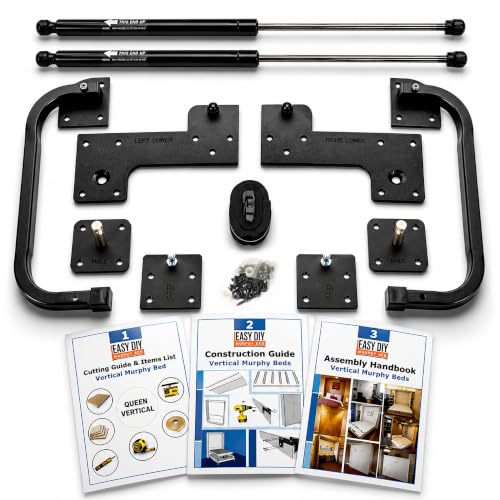
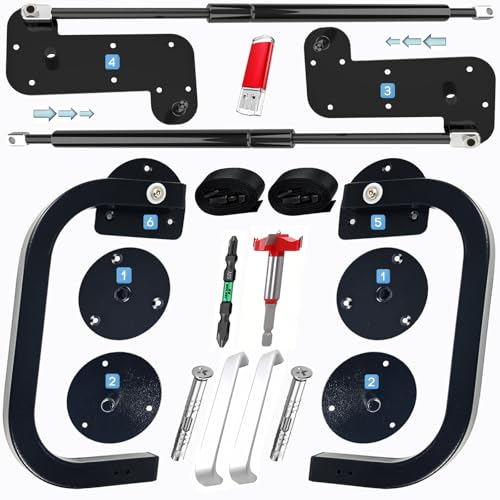
Spring-loaded mechanisms use torsion springs to counterbalance the fold and cost less up front, which makes them a reasonable choice for occasional guest rooms. Piston mechanisms rely on gas struts, similar to a hatchback lift, and most allow you to adjust lift tension after installation. That adjustability matters more than it sounds. A bed you use daily benefits from being able to fine-tune how hard it is to raise or lower months after the initial build, something spring systems generally cannot offer.
Vertical or Horizontal Depends on Your Ceiling, Not Your Preference
A vertical kit folds along the headboard and needs enough ceiling height to clear the mattress length, which suits rooms where you want to keep wall width open for shelving or a desk. A horizontal kit folds sideways instead, trading wall width for a lower ceiling requirement, which is often the only option that works in basements or attic rooms with sloped rooflines. Measure both dimensions of your room before you shop rather than assuming one orientation will simply fit.
What Ships in the Box vs What You'll Still Need to Buy
Kits vary widely in completeness, and that gap catches first-time builders off guard more than almost anything else. Some include leg hinges, cable guides, and every fastener down to the last screw, while budget kits assume you already own basic hardware and only ship the core lift mechanism. Read the included parts list against a full project checklist before ordering, because plywood, edge banding, trim, and finish are separate purchases no matter which kit you buy.
Wall attachment hardware deserves its own line item too. A kit built around solid stud anchoring should include fender washers or backing plates that spread the load, since the mechanism transfers real structural force into the wall every time the bed opens. If your framing is unusually spaced or interrupted by outlets, budget for extra blocking that will not come in the box. Sizing this correctly also matters if you are still deciding between a full frame and a simpler platform, which is worth comparing against options like metal bed frames before you finalize a cabinet design.
Where DIY Installs Usually Go Wrong
Reviewers who complain that a finished murphy bed kit feels heavy or sticky almost always trace the problem back to the build, not the hardware. An out-of-square cabinet is the most common culprit. Even a small amount of racking in the box causes the mechanism to bind against its own frame, which makes the bed feel far stiffer than its rated tension should allow.
- Skipping the piston tension adjustment step after installation, which leaves the bed too hard to lift or too quick to drop.
- Anchoring into drywall alone instead of studs, risking the whole assembly pulling loose under repeated load.
- Not checking a shipment for missing or damaged hardware before starting the cabinet build, since replacement parts can take weeks to arrive.
- Underbuilding the cabinet with panels that are too thin to stay rigid once the mechanism is bolted in and cycling daily.
Planning the rest of the room matters just as much as the mechanism itself. A wall bed pairs naturally with a room divider if the space doubles as a home office during the day, and giving the mattress solid support underneath helps the whole system stay level over years of folding.
Frequently Asked Questions
Does a murphy bed kit include the cabinet?
No. A kit is the mechanical hardware only, and you design and build the surrounding cabinet from plywood and trim. If woodworking is not something you want to take on, a pre-assembled wall bed will get you a finished piece without that step.
How much does a DIY kit cost compared to a finished wall bed?
A hardware kit is generally far cheaper than a factory-built wall bed, since you are paying for the mechanism rather than cabinetry and labor. That gap narrows once you add plywood, finish materials, and your own time, so it helps to price the full project before comparing it against a pre-built option.
Can one person install a murphy bed kit alone?
Building the cabinet can be a solo project, but mounting the finished assembly to the wall is much easier with a second set of hands, since the unit is heavy and needs to stay level while it is being secured.
What mattress works best with a murphy bed kit?
Most kits accommodate twin through king sizes, but weight matters more than the size label. Match the mattress weight to the mechanism's rated capacity before buying either piece.
Is a piston or spring mechanism better?
Neither wins outright. Springs are simpler and more affordable, while pistons cost more but let you adjust lift tension after the bed is installed, which tends to pay off for beds used often.
Do murphy bed kits need to be anchored to wall studs?
Yes, this is not optional. The mechanism puts real structural load on the wall on every cycle, so it has to reach solid framing, with extra blocking added if the studs do not line up conveniently.
How long does a murphy bed kit take to build and install?
Plan for more than a single weekend if you are building the cabinet from scratch. Cutting, assembling, and finishing the box typically takes longer than mounting the mechanism itself once the cabinet is ready.
Deciding If a Kit Fits Your Project
A murphy bed kit rewards people who want control over the finished look and are comfortable treating this as a real cabinetry project, not a quick assembly job. If that description fits, matching the mechanism's weight rating and mounting requirements to your room and mattress will get you most of the way to a bed that feels solid for years. If the cabinet build sounds like more than you want to take on, pricing a pre-built alternative before you buy hardware can save you a frustrating first attempt.