
Best Kitchen Islands on Wheels: A Complete Buying Guide
Disclosure: We may earn a commission when you buy through links on this page, at no extra cost to you. As an Amazon Associate I earn from qualifying purchases. Learn more

Shopping for the best kitchen islands on wheels? Learn sizing, materials, storage, and wheel quality before you buy a mobile kitchen island.
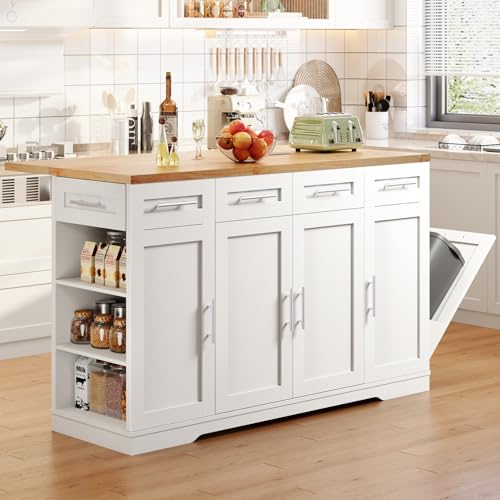
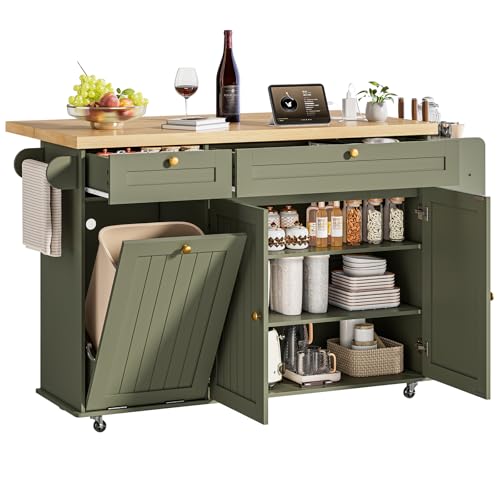
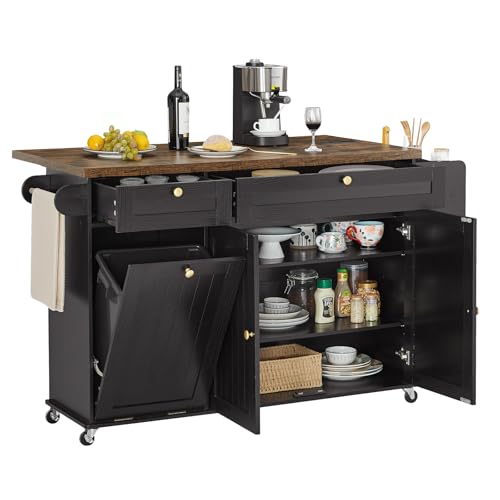
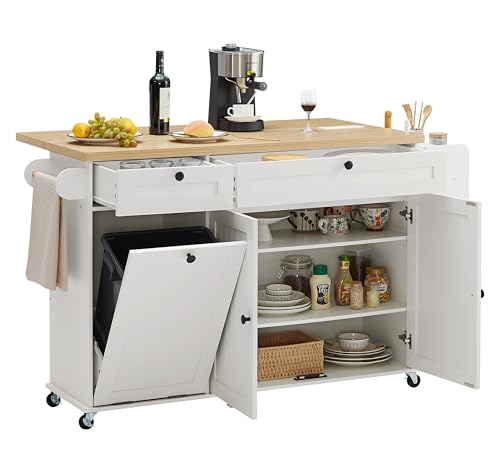
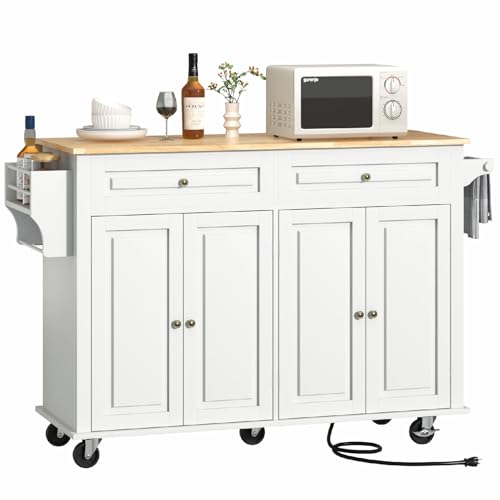
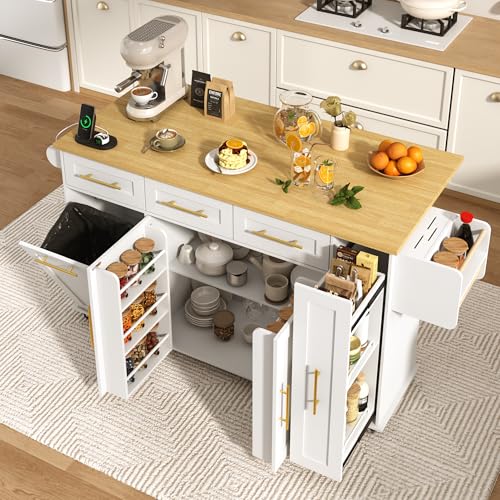
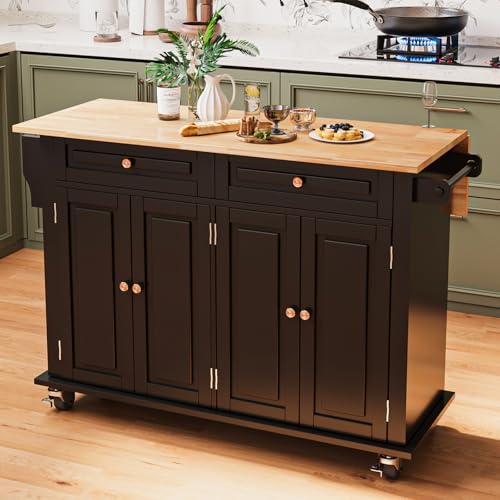
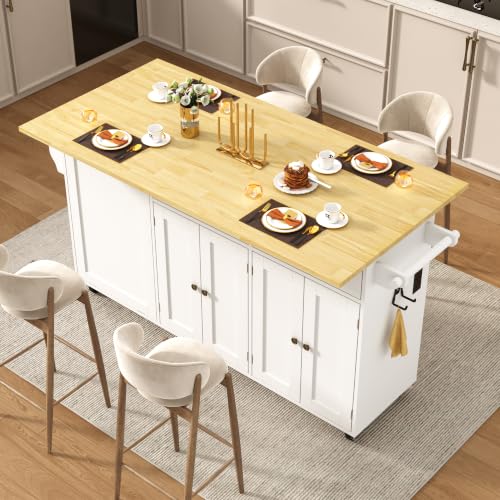
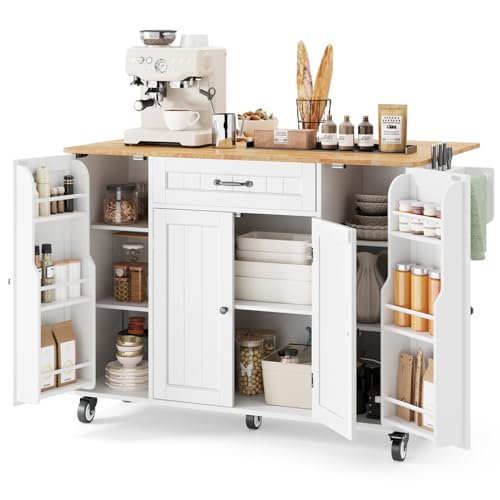
Open-concept kitchens are great for entertaining, until you need a permanent island in the middle of a space you also want to keep open. That is the problem kitchen islands on wheels solve, and the larger models are built for exactly this kind of flexibility. Unlike a small utility cart tucked into a corner, a full-size rolling island can carry a stone or thick butcher block top, hold real storage, and still roll out of the way when you host a party or need to deep clean the floor underneath it. In this guide, you will learn what makes the caster system strong enough for a heavier island, how to pick a countertop that matches that base, and how to use a rolling island as a true movable hub instead of just a bigger cart.
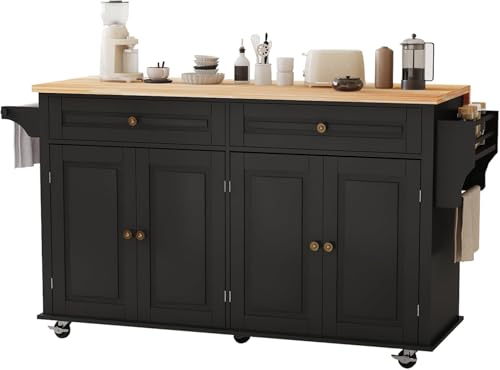
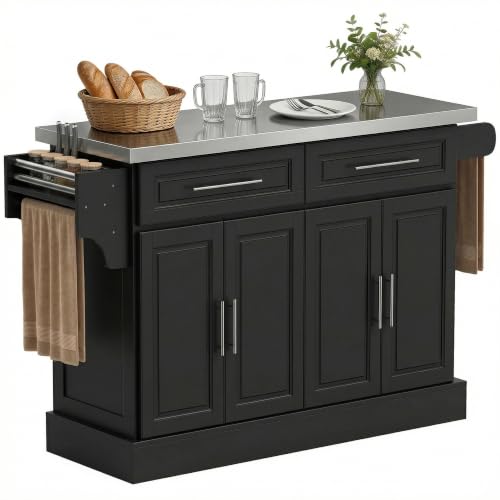
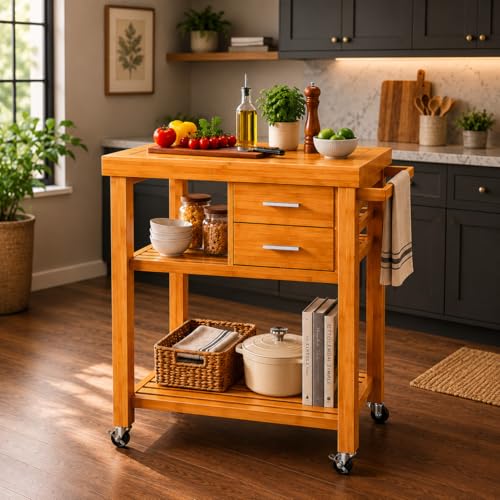

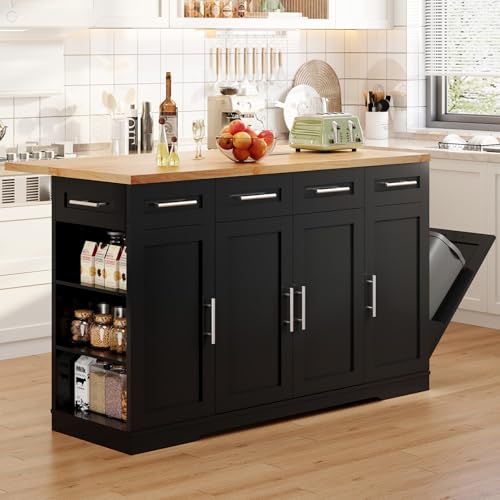

The Caster System Determines Whether a Large Rolling Island Actually Works
A small kitchen cart can get away with basic plastic wheels because there is not much weight or size to manage. A full-size rolling island is a different story. The base and casters are carrying a heavier countertop, a loaded interior, and whatever ends up stacked on top during meal prep, so the wheel system is not a minor detail here, it is the feature that decides whether the whole piece feels stable or wobbly.
Weight Capacity: Base, Countertop, and Everything You Load On It
Add up the island's own weight, the countertop material, and a realistic estimate of what you will store or set on it, then compare that total to the combined rated capacity of the casters. Stone and quartz tops in particular push the total weight well beyond what a lightweight cart's wheels were designed to hold. Look for casters rated individually, not just as a vague "heavy duty" label, so you can actually do the math before you buy.
Wheel Diameter and Material for Your Floor Type
Larger wheels roll more smoothly over uneven tile grout lines and transition strips between rooms, which matters more in an open-concept layout where the island crosses multiple flooring types. On hardwood, soft rubber or polyurethane treads protect the finish, while hard plastic or metal wheels can leave marks over time. If your kitchen sits on a rug or mat near a breakfast nook, wider wheels distribute weight better and resist sinking in.
Locking Mechanisms You Can Actually Trust
You want the island to stay put while you are chopping, not drift a few inches every time you lean on it. Total-lock casters that stop both the swivel and the roll are worth the upgrade over wheels that only lock rolling direction. Test the lock lever with your foot before buying in person, or read reviews closely if you are shopping online, since a lock that requires two hands to engage gets skipped in daily use.
Countertops and Bases Built to Handle a Bigger Work Surface
Because a larger kitchen island on wheels supports more weight and sees more prep activity, the countertop and base need to be matched to that job rather than borrowed from a smaller cart design.
Stone, Quartz, and Solid-Surface Tops
These materials give you a cool, durable surface for rolling dough or setting down hot cookware, and they hold up well over years of daily use. The tradeoff is weight, so pair a stone or quartz top with a reinforced base and casters rated for the extra load rather than a standard frame meant for wood.
Thick Butcher Block and Reinforced Wood
A thicker wood top feels warmer underfoot noise and all, and it is forgiving on knife edges compared to stone. Look for a top that is at least an inch and a half thick if you plan to use it as a primary cutting surface, and check that the base has corner bracing rather than thin legs, since a wide overhanging top can flex or wobble on a lightweight frame.
Using a Rolling Island as a Movable Kitchen Hub
The real advantage of a larger kitchen island on wheels is not just extra counter space, it is the ability to treat your kitchen layout as flexible instead of fixed.
Repositioning for Hosting and Everyday Traffic Flow
Roll the island toward the center for food prep and buffet-style serving when you have guests over, then push it against a wall afterward to open up walking space. This kind of on-demand reconfiguration is exactly what separates a rolling island from a fixed one, and it is worth thinking through the traffic pattern in your kitchen before you settle on a size and shape.
Islands With a Built-In Prep Sink or Mini Cooktop
Some larger rolling islands go a step further and integrate a small prep sink or mini cooktop, turning the piece into a secondary work station rather than just a table with storage. This setup is useful if your main sink gets crowded during big cooking sessions, though you will need a flexible water line or removable basin since a hardwired connection defeats the purpose of a mobile island. If you go this route, pairing it with a reliable pull-down kitchen faucet makes rinsing and cleanup at the secondary sink much easier.
Sizing a Large Rolling Island for an Open Kitchen
Sizing a large kitchen island on wheels starts with measuring your available floor space with the island parked in its most common spot, then add clearance on every side you will actually walk through, at least 36 inches is a safe minimum. Open-concept kitchens can usually handle a larger footprint than a galley layout, but you still need room to roll the island fully out of the way for cleaning or entertaining without blocking a doorway. If your kitchen is on the smaller side and you mainly need extra counter space rather than a full mobile hub, a compact kitchen island cart is worth a look instead, since it trades some of the wheel and load capacity discussed here for a tighter footprint.
Frequently Asked Questions
Are kitchen islands on wheels sturdy enough for daily use?
Yes, as long as the caster load rating matches the combined weight of the kitchen island on wheels, its countertop, and stored items. Total-lock casters keep the island stable during prep, so stability comes down to matching the wheels to the job rather than the wheels themselves being weak.
What size caster wheels work best for a large kitchen island?
Larger diameter wheels, generally 3 to 5 inches, roll more smoothly over uneven flooring transitions and carry heavier loads with less strain on the axle. Smaller wheels can work on a light cart, but they are not the right choice once you add a stone top or a fully stocked interior.
Can a rolling kitchen island have a sink or cooktop?
Some larger models do include a small prep sink or mini cooktop, usually connected with a flexible line or removable water basin so the island can still move. This is less common than storage-only designs, so confirm the connection type before buying if this feature matters to you.
Will caster wheels scratch my hardwood floors?
Hard plastic or metal wheels can, but rubber or polyurethane treads are designed to roll without marking most hardwood finishes. Wiping debris off the wheels occasionally also helps prevent grit from getting ground into the floor as you roll the island.
How much weight can a kitchen island on wheels typically hold?
It depends entirely on the casters and base, but many kitchen islands on wheels built for stone or quartz tops use casters rated well beyond what a basic utility cart needs. Always check the manufacturer's combined weight rating rather than assuming it can match a fixed island.
Do I need to lock the wheels every time I use the island?
For chopping, kneading, or anything that involves pressing down repeatedly, yes, locking prevents the island from creeping across the floor. You can leave the wheels unlocked when you are just setting items down or rolling the island into position.
Making the Move
The best kitchen islands on wheels earn their keep by doing two jobs at once: giving you a sturdy, heavy-duty work surface and letting you reshape your kitchen layout whenever you need to. Get the caster system and weight capacity right first, then choose a countertop that matches that base, and the rest of the buying decision gets much easier.