
Best Garden Hoes: How to Pick the Right One for Your Garden
Disclosure: We may earn a commission when you buy through links on this page, at no extra cost to you. As an Amazon Associate I earn from qualifying purchases. Learn more
Standing in the tool aisle staring at a wall of hoes is more confusing than it should be. Some have loop-shaped blades, some have flat blades on an angle, and the handles range from waist-high to well over your head. Picking from the best garden hoes for your situation really comes down to a few things: what job you need it to do, how tall you are, and what kind of soil you're fighting. This guide walks through blade styles, handle sizing, and materials so you can narrow the field to the one or two hoes that actually fit how you garden.


Match the Blade Shape to the Job
Before comparing styles by name, it helps to think about what you'll actually be doing with the tool most often. A hoe that's great for slicing weeds off the surface of an already-planted bed is a poor choice for breaking up hard, uncultivated ground, and vice versa. Most gardeners end up frustrated with a hoe not because it's poorly made, but because it was built for a different task than the one they're using it for, which is really the starting point for finding the best garden hoes for your own routine.
Weeding an Established Bed vs. Breaking New Ground
If your beds are already planted and you're mainly knocking down small weeds before they take hold, you want a hoe with a thin blade that rides just under the soil surface. If you're prepping a new bed, chopping through sod, or mixing in compost, you need a heavier blade that can bite into compacted or unworked soil. Trying to use a lightweight weeding hoe for heavy ground work usually just bends or dulls the blade fast.
Working Between Tightly Spaced Plants
Raised beds and intensively planted vegetable rows call for a narrower, more precise blade so you can get close to stems without nicking them. A wide blade that's fine for open rows can be clumsy and risky in a tightly packed bed. If most of your garden is planted close together, prioritize a hoe with a narrow profile over one built for broad-acre efficiency.
The Four Hoe Styles You'll Run Into
Nearly every hoe sold for home gardens falls into one of four families, and most lists of the best garden hoes are really just different ways of ranking these same four styles. Knowing what each one is actually built for makes the rest of the shopping decision much easier.
Stirrup (Hula) Hoes
A stirrup hoe, also called a hula hoe or scuffle hoe, has a looped blade that cuts on both the push and the pull stroke. It skims just under the soil surface to sever weed roots without disturbing the surrounding soil or bringing new weed seeds up to sprout. It's usually the easiest style for beginners since the push-pull motion is intuitive and takes less arm strength than a chopping motion. This is the go-to choice for maintaining beds that are already cultivated and planted.
Draw Hoes
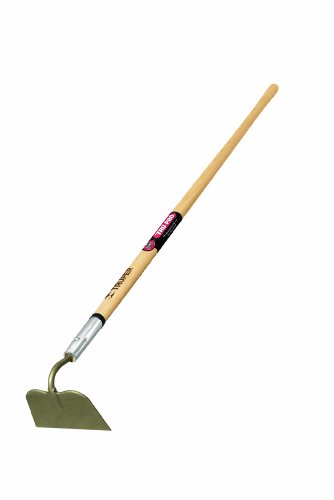
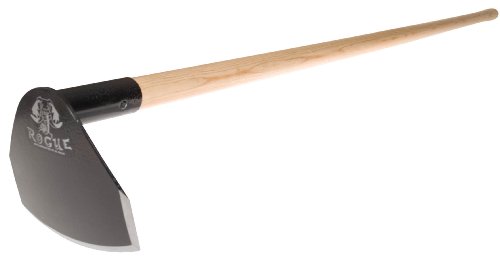
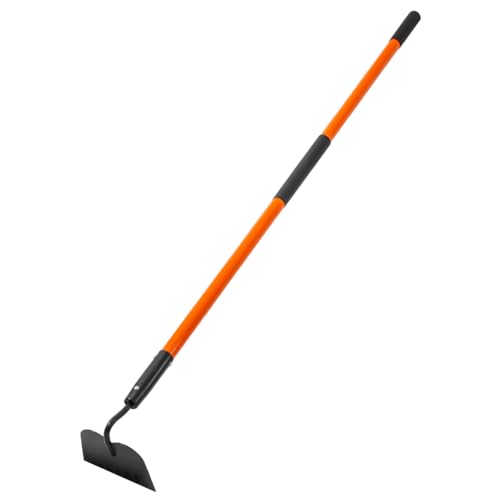
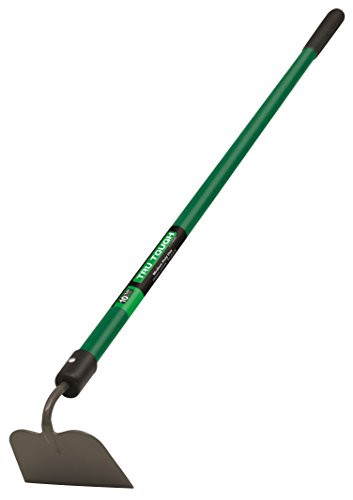
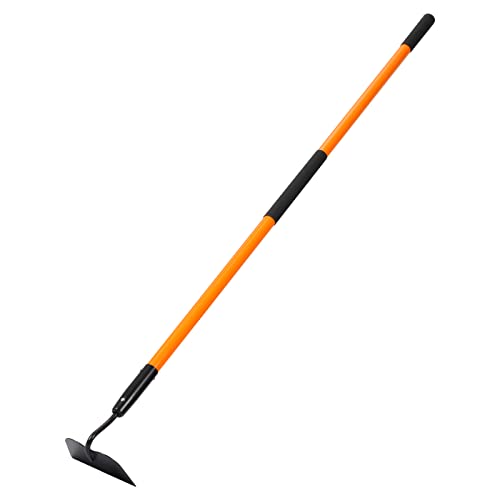
The draw hoe is the classic, familiar garden hoe shape, with a flat blade set at an angle to the handle. It cuts only on the pull stroke, which makes it well suited to breaking up clumps, loosening compacted soil, forming furrows for seeds, hilling soil around plants, and general bed prep. It's more of a workhorse tool than a precision one, and it's usually the best pick if you're starting a new bed from scratch.
Warren Hoes
Easy to spot by its heart or arrow-shaped blade, the warren hoe is built for precise furrows and trenches when direct-sowing seeds. The pointed tip also lets you dig out stubborn taproot weeds and cultivate close to existing plants without damaging their roots. It's a good secondary hoe for gardeners who already have a general-purpose tool and want something more precise for planting season.
Collinear Hoes
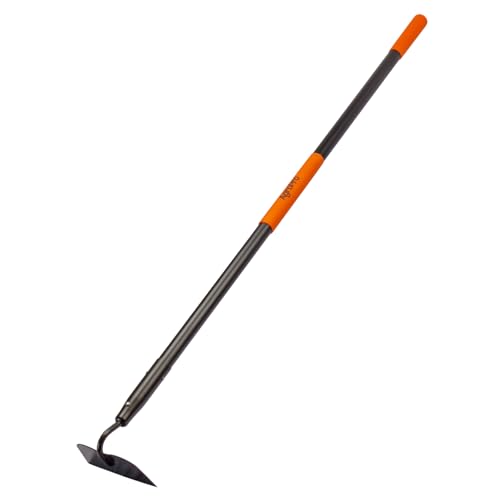
Sometimes called an onion hoe, the collinear hoe has a long, narrow blade that stays parallel to the ground and rides just below the surface. It's designed for shallow, exact cultivation in tight spaces, which makes it a favorite for weeding between closely spaced vegetables without disturbing the roots nearby. If you garden intensively in raised beds, this style is worth a close look.
Sizing the Handle to Your Height
Handle length gets overlooked constantly, but it's arguably more important than blade shape for how comfortable the tool feels after twenty minutes of use. Among the best garden hoes, the ones that actually get used season after season are almost always sized correctly for the person swinging them. A hoe that's too short forces you to hunch over, which is where most of the back and shoulder soreness people blame on "using a hoe wrong" actually comes from.
A Quick Fit Test You Can Do Before You Buy
Handle lengths generally run from about 55 to 60 inches for hoes meant to be used bent slightly forward, up to around 74 inches for hoes meant to be used fully upright. A simple rule of thumb is to take your height and subtract about 12 inches. If you can test the hoe in person, hold it upright next to your body; the top should land somewhere between your armpit and the top of your shoulder. Held out in a working position, the end of the handle should reach roughly to your belly button. Taller gardeners generally do best with the longest handle they can find, while shorter or petite gardeners often find long handles unwieldy and prefer something on the shorter end of the range.
Handle Material Trade-offs
Wood handles, usually ash or hickory, are affordable and have a bit of natural flex that absorbs shock during heavy chopping, though they can eventually crack or splinter if left out in the weather. Fiberglass handles are lighter and more weather resistant, holding up well to being left outside occasionally without warping. Aluminum handles are the lightest option and won't rot or crack, but they can feel less sturdy under heavy, repeated chopping motions. None of these are wrong choices, it mostly comes down to how much abuse the handle will take and how much weight you want to swing around, and it's one more reason the best garden hoes for one gardener aren't always the best garden hoes for another.
Blade Material and Long-Term Care
Blade material affects both how long the edge stays sharp and how much upkeep the tool needs, which matters more than most buyers expect once they've owned a hoe for a season or two. Not all of the best garden hoes use the same blade material, and the right pick depends heavily on your climate.
Carbon Steel vs. Stainless Steel
Carbon steel blades are tougher, hold a sharp edge longer, and are easier to re-sharpen thanks to their hardness, which makes them a strong pick for heavy work like chopping through roots or breaking compacted soil. The trade-off is rust, especially if the garden sees a lot of humidity or the blade gets left outside wet. Stainless steel resists corrosion with very little upkeep, usually just a rinse and a wipe-down, but the edge tends to dull faster and needs more frequent sharpening. If you garden somewhere rainy or humid and don't want to think much about maintenance, stainless is usually the more forgiving choice.
Sharpening Frequency and Angle
Most hoes need sharpening roughly every 10 to 20 hours of use, which for a typical home garden works out to about two or three times per season. A general-purpose edge somewhere between 30 and 35 degrees works for most tasks, while fine, shallow weeding can use a slightly lower angle and heavy chopping work holds up better with a steeper edge closer to 45 degrees. Keeping the angle consistent as you file matters more than hitting an exact number.
Preventing Rust Between Uses
Wiping the blade dry after use, especially with carbon steel, goes a long way toward preventing rust from taking hold. A light coat of oil on the blade before storing it for the off-season is a common habit among gardeners who want their tools to last for years rather than seasons. Hanging tools rather than leaving them on damp ground also helps, since a blade sitting in wet soil overnight will rust far faster than one that's stored dry.
Using a Hoe Without Straining Your Back
A properly sized handle solves most of the strain problem, but technique still matters. Stand upright with your feet about shoulder-width apart and a slight bend in your knees rather than bending at the waist. Grip the handle with one hand near the top and the other roughly halfway down for control, and let the tool's motion do the cutting instead of muscling it with your shoulders and lower back. If you're pairing your garden hoes with other cutting tools during a big cleanup, keeping your pruning shears sharp makes the whole session go faster since dull blades on any tool tend to push you into awkward, straining motions to compensate.
Frequently Asked Questions
What type of garden hoe is best for weeding a vegetable garden?
Among the best garden hoes for weeding, a stirrup hoe is usually the easiest choice for an established vegetable garden, since its push-pull motion cuts weeds on both strokes without disturbing nearby plant roots. A collinear hoe is a strong alternative if your rows are especially tight.
What handle length should I get for my height?
A common rule of thumb is your height minus about 12 inches. In practice, most adult gardeners are comfortable with a handle between 54 and 60 inches, though taller gardeners often prefer something closer to the 70-plus inch range. Getting this measurement right matters more than the brand or style when you're shopping for the best garden hoes.
How often should I sharpen a garden hoe?
Plan on sharpening about every 10 to 20 hours of use, which typically works out to two or three times per gardening season for most home gardeners. Heavy or daily use will wear the edge down faster.
What angle should a garden hoe blade be sharpened to?
A general-purpose bevel between 30 and 35 degrees suits most weeding and light cultivating tasks. Fine, shallow weeding can go slightly lower, while heavy chopping work holds an edge better closer to 45 degrees.
Is carbon steel or stainless steel better for a garden hoe blade?
Carbon steel holds a sharper edge longer and handles heavy work well but rusts more easily, while stainless steel resists rust with little upkeep but dulls faster. The better choice usually depends on your climate and how much maintenance you're willing to do.
What is the difference between a stirrup hoe and a draw hoe?
A stirrup hoe has a looped blade that cuts on both the push and pull stroke and is meant for skimming weeds just under the surface. A draw hoe has a flat angled blade that only cuts on the pull stroke and is better suited to heavier tasks like breaking up soil or forming furrows.
How do I store a garden hoe to prevent rust?
Wipe the blade dry after each use, particularly if it's carbon steel, and store the tool hanging up rather than resting on damp ground. A light coat of oil on the blade before winter storage also helps keep rust from forming.
Choosing the Hoe That Fits Your Garden
There's no single hoe that's right for every garden, which is exactly why the market has settled on these four distinct styles instead of one universal design. Start by being honest about the task you do most often, whether that's quick weeding between established plants or breaking new ground, then size the handle to your height and pick a blade material that matches your climate and patience for upkeep. Get those three things right and the best garden hoes for your yard will be obvious pretty quickly.