
Best Folding Hunting Knives: A Complete Buying Guide
Disclosure: We may earn a commission when you buy through links on this page, at no extra cost to you. As an Amazon Associate I earn from qualifying purchases. Learn more

Standing over a downed deer with cold hands and a knife that will not hold an edge is a bad way to learn what matters in a blade. A folding knife rides in a pocket all day without a sheath digging into your hip, then opens in seconds when you need it. That convenience only pays off if the knife itself is built for field work, not just everyday carry. This guide walks through how to evaluate the best folding hunting knives so you can judge any model against criteria that actually affect performance in the field, including blade shape and steel, locking strength, grip, and how easy the knife is to keep clean after a hunt.

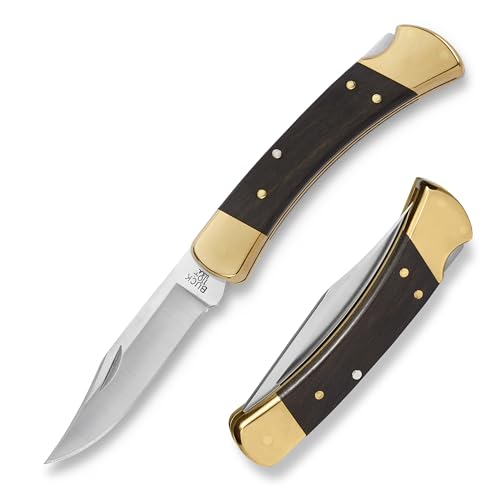
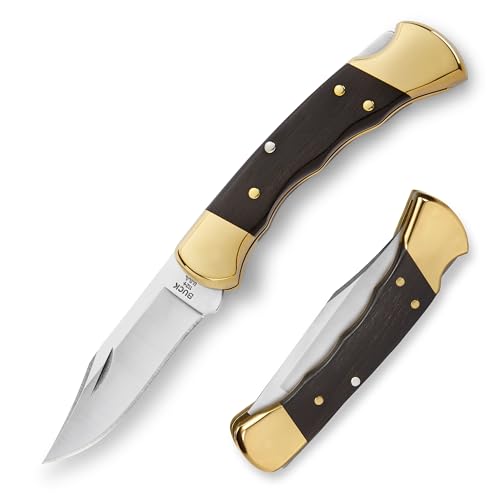
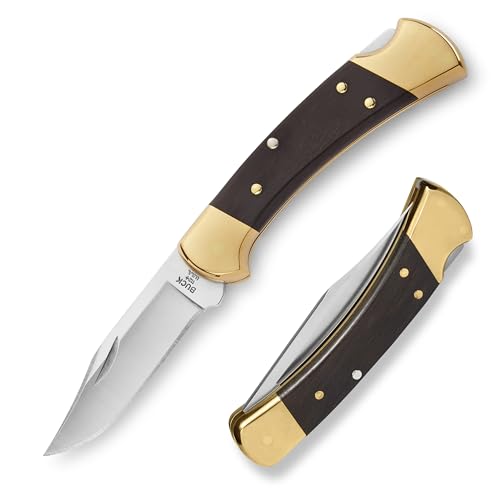
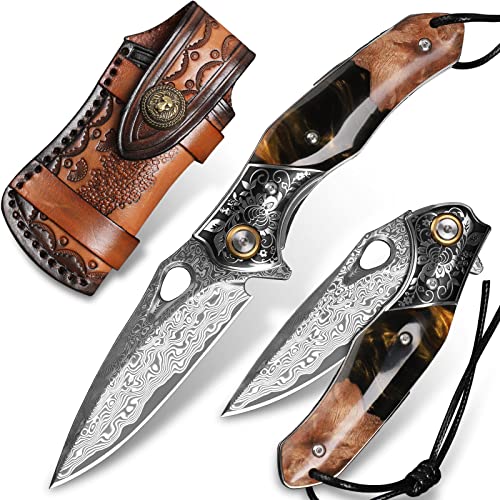
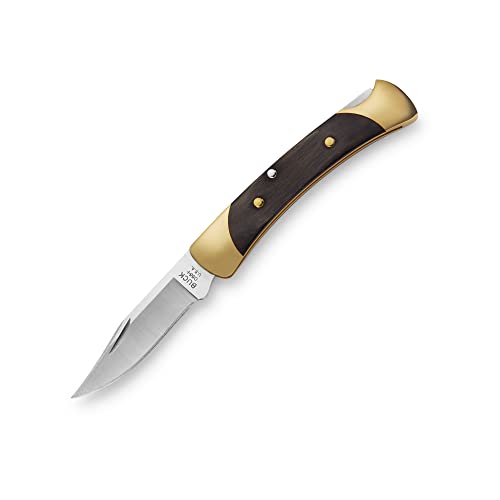
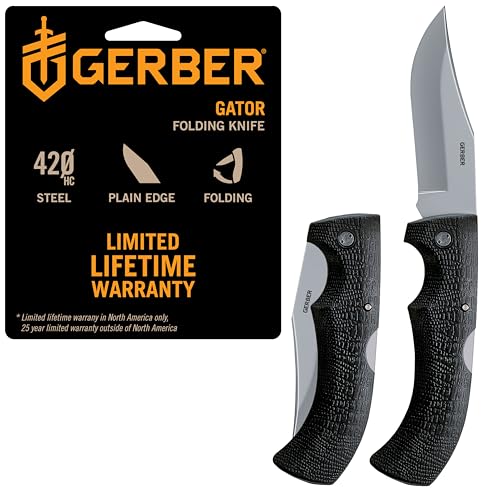
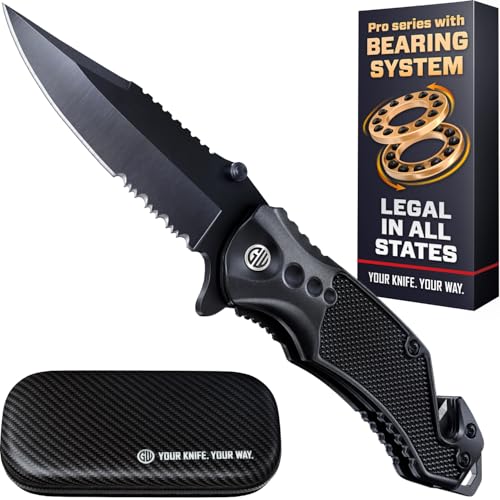
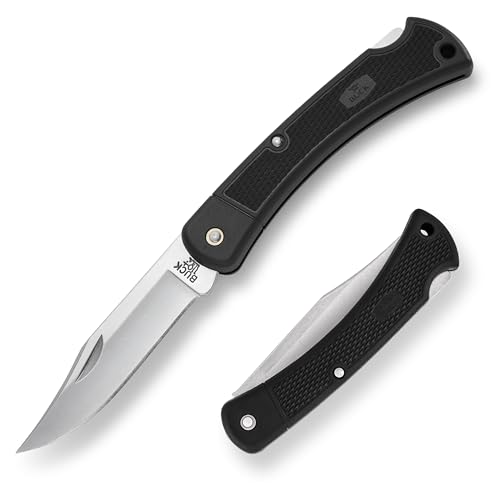
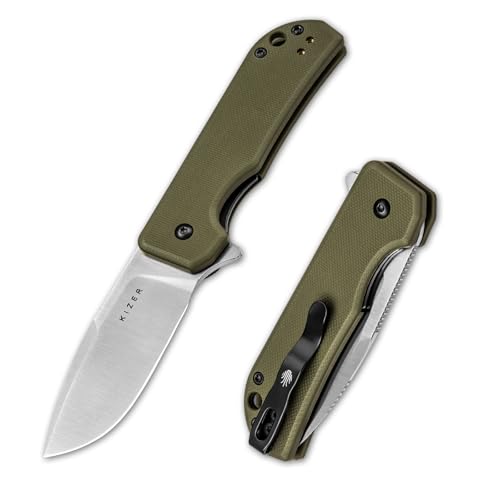
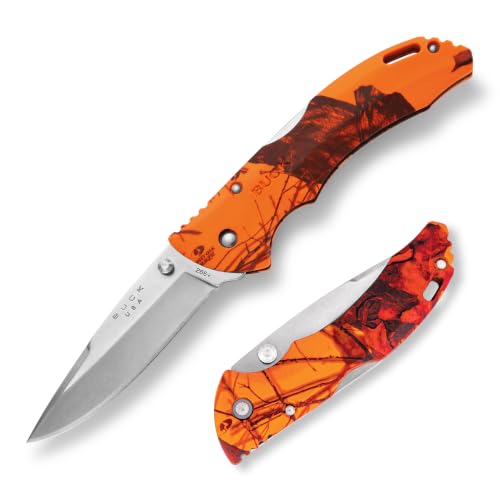
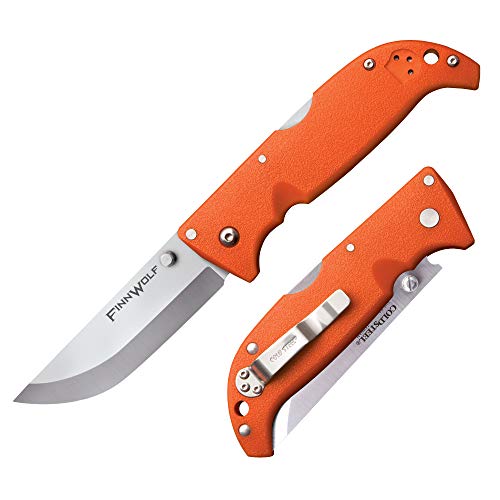
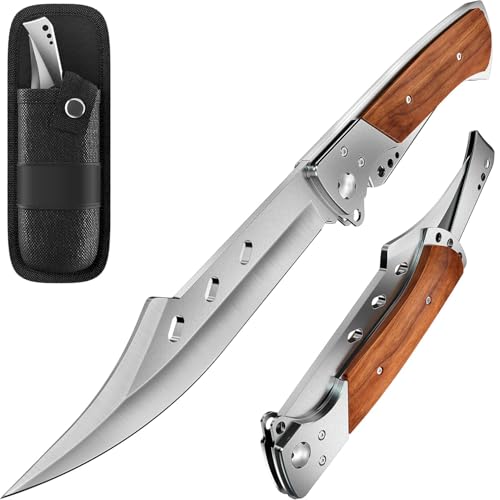
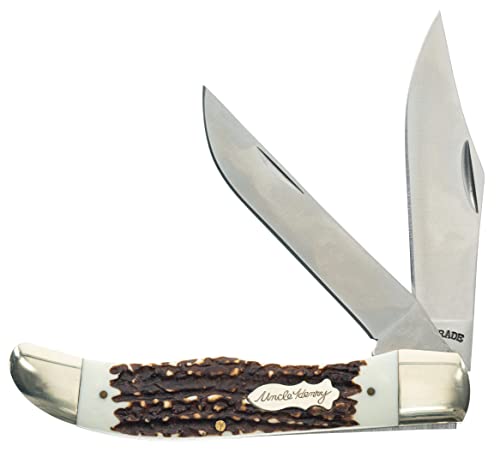
Blade Shape and Steel: What Actually Matters in the Field
Two things separate the best folding hunting knives from a folder that just looks the part once you start skinning or field dressing: the shape of the blade and the steel it is made from. Get either one wrong for your style of hunting and the knife feels like the wrong tool no matter how nice the handle is.
Drop Point, Clip Point, or Gut Hook
A drop point blade has a spine that curves gently down to the tip, keeping the point controlled and less likely to puncture organs while you work through hide and muscle. It is the most common shape on hunting folders because it handles skinning, caping, and general butchering without needing a second tool. A clip point trades some of that belly for a thinner, sharper tip, which is useful for detail work but slightly more prone to snapping if you pry with it. A gut hook adds a small curved notch that lets you open the hide from the inside out without slicing into the stomach cavity. It is a genuine time saver for deer-sized game, though plenty of experienced hunters skip it entirely and get the same result with a controlled drop point.
Stainless vs Carbon Steel Edge Retention
Stainless steel blades resist rust and clean up fast, which matters when you are working with blood, fat, and moisture for hours at a time. High-carbon steel holds a sharper edge longer between sharpenings, but it needs to be dried and oiled promptly or it will spot with rust overnight. If you hunt in wet climates or tend to forget gear maintenance until the season is over, stainless is the more forgiving choice. If you process a lot of animals in one trip and want an edge that keeps cutting without a mid-hunt touch up, carbon steel earns its extra upkeep. Either way, keeping a compact hunting knife sharpener in your pack means edge retention becomes less of a deciding factor.
Locking Mechanism and Handle Grip When Hands Get Bloody
A folding blade is only as safe as its lock, and that lock gets tested the moment you apply real pressure while your hands are wet, cold, or covered in fat. This is one area where budget folders fall short even when the steel is decent, and it is a big reason the best folding hunting knives tend to cost a bit more than a generic pocketknife.
Which Lock Type Holds Up to Field Pressure
Among the best folding hunting knives, liner locks are common and affordable, using a spring-loaded metal liner that slides behind the blade tang once it is open. They work fine for light tasks but can loosen over time with heavy use. Frame locks improve on that design by using part of the handle itself to brace the blade, giving you more metal contact and a sturdier lock overall. Back locks sit along the spine and are widely regarded as strong and simple, with a satisfying click that confirms the blade is secure. Axis-style locks use a spring-loaded bar that you can release with either hand, which is genuinely useful when you are wearing gloves or working at an awkward angle over a carcass.
Handle Materials That Stay Grippy When Wet
Wood and bone handles look great and feel warm in the hand, but both can turn slick once blood or fat gets on them. Textured synthetic handles, often reinforced with fiberglass or rubberized inserts, hold their grip far better in exactly the conditions a hunting knife gets used in. If you like the look of natural materials, look for models that add jimping or contoured finger grooves so your hand stays put even when the surface itself is not perfectly dry.
Folding Blade or Fixed Blade: Matching the Tool to Your Hunt
This is the question most hunters wrestle with before they even start comparing the best folding hunting knives against each other. A fixed blade has no pivot, no lock, and no joint where grit can collect, which makes it more dependable for heavy, repeated cuts through hide and joints on big game. It also rinses clean under running water in seconds. A folding knife gives up a bit of that raw durability in exchange for portability. It rides comfortably in a pocket, tucks away safely while you climb in and out of a stand, and in many areas faces fewer carry restrictions than a fixed blade with an exposed edge. For deer-sized game processed close to camp, a well-built folder handles the job without issue. For backcountry elk or extended trips where you are quartering animals far from a truck, many hunters still pack a fixed blade as a backup, and a tree stand harness alongside a folding knife is a common combination for hunters who spend most of their time above ground rather than field dressing on the spot.
Replaceable Blade Systems vs Traditional Folders
A newer category among the best folding hunting knives skips sharpening altogether. Instead of maintaining a fixed edge, these knives use a locking mechanism that holds a swappable blade, so when the edge dulls mid-hunt you simply pop in a fresh one. The main advantage is consistency. Every new blade is factory sharp, which matters if you process several animals in a short window and do not want to stop and hone an edge in the field. The tradeoff is ongoing cost, since you need to keep a supply of replacement blades on hand, and the blades themselves tend to be thinner and less suited to any prying or heavy-duty task beyond cutting. Traditional folders with a fixed, sharpenable blade cost less to keep running over time and can handle a wider range of tasks, but they demand that you actually maintain your sharpening skills or carry a sharpener with you. Neither option is objectively better. Hunters who process game often and value speed tend to prefer replaceable systems, while hunters who want one dependable blade for years lean toward a traditional folder.
Keeping a Folding Hunting Knife Clean Between Hunts
Even the best folding hunting knives develop problems if the pivot and lock are ignored, since that is exactly where blood, fat, and fine grit like to hide, and that buildup is what eventually makes a smooth-opening knife feel gritty or causes a lock to stick. After a hunt, rinse the blade and handle in warm water with a small amount of dish soap, working the blade open and closed a few times to flush out the joint. Dry it thoroughly, including inside the handle where moisture lingers, then add a drop of knife-specific oil to the pivot to keep it moving freely and to protect any exposed carbon steel from rust. Store the knife somewhere dry rather than in a damp pack, and check it before the next trip rather than assuming it is ready to go. A magnetic strip near your gear bench keeps a folder visible and dry between seasons instead of buried in a drawer where moisture can sit against the steel.
Frequently Asked Questions
Is a folding knife or fixed blade better for hunting?
It depends on the game and the trip. Folding knives are more portable and easier to carry safely, which suits deer-sized game and day hunts. Fixed blades hold up better to heavy, repeated cuts and are easier to clean, which matters more on longer trips or bigger animals.
What is the best blade length for a folding hunting knife?
Most hunters find a blade between 3 and 4 inches handles skinning and field dressing without becoming unwieldy to carry. Longer blades add cutting reach but make the folded knife bulkier in a pocket.
What steel is best for a hunting knife?
Stainless steel resists rust and needs less maintenance, making it a solid default for most hunters. High-carbon steel holds a sharper edge longer but requires prompt drying and oiling to avoid corrosion.
Do I need a gut hook on a hunting knife?
A gut hook is helpful but not essential. It speeds up opening the hide on deer-sized game without risking a puncture, but a controlled drop point blade can accomplish the same task with a bit more care.
Which locking mechanism is strongest for a hunting knife?
Frame locks and back locks are generally considered the most durable options for repeated, heavy use. Axis-style locks add the benefit of easy one-hand or gloved operation without sacrificing much strength.
How do you clean and maintain a folding hunting knife?
Rinse the blade and pivot with warm soapy water after each use, dry it completely, and add a drop of knife oil to the joint. Store the knife somewhere dry between hunts to prevent rust and keep the lock moving smoothly.
Are replaceable blade hunting knives worth it?
Some of the best folding hunting knives now use this approach, and it is worth it if you value a consistently sharp edge and process game often enough to justify the ongoing cost of replacement blades. Hunters who prefer one long-lasting blade they sharpen themselves usually stick with a traditional folder.
Making the Right Call
There is no single correct answer for every hunter, only the combination of blade shape, steel, lock, and grip that fits how and where you hunt. Once you know which tradeoffs matter to you, comparing the best folding hunting knives becomes a matter of checking those specific features rather than guessing based on brand reputation alone.