
Best Exterior Paint: A Complete Buying Guide
Disclosure: We may earn a commission when you buy through links on this page, at no extra cost to you. As an Amazon Associate I earn from qualifying purchases. Learn more

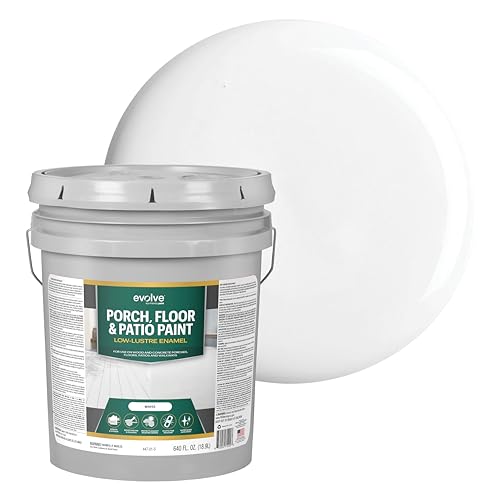
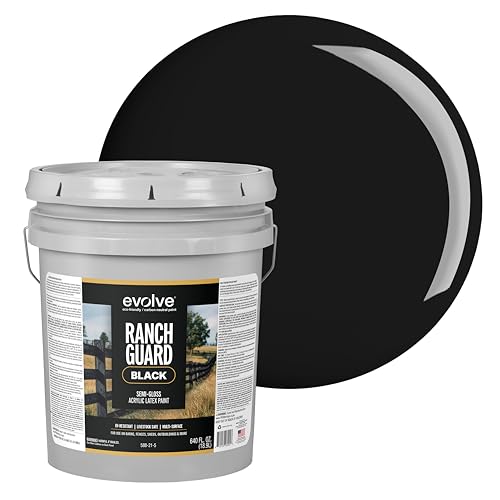
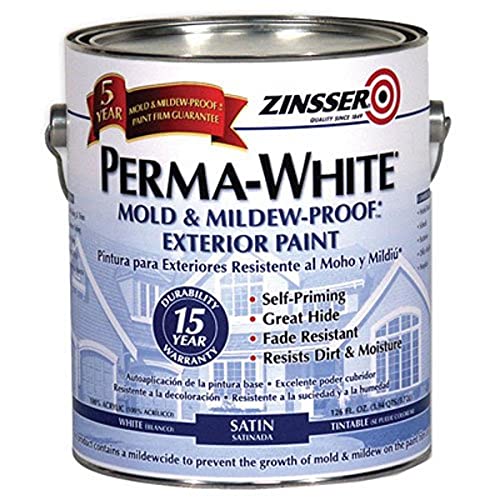
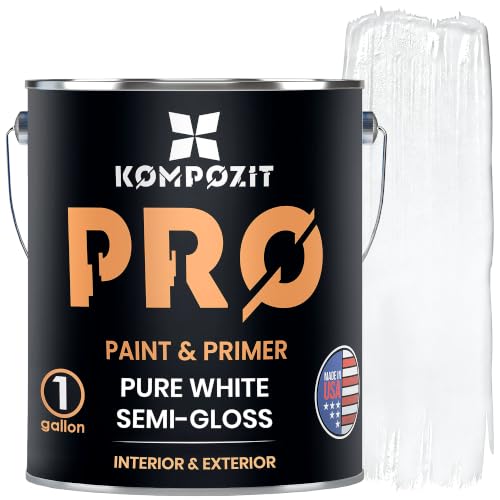
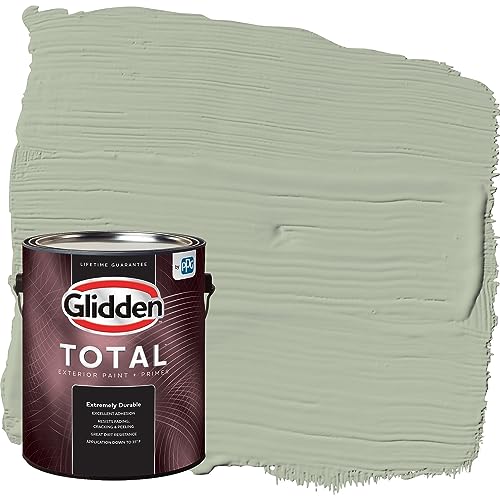
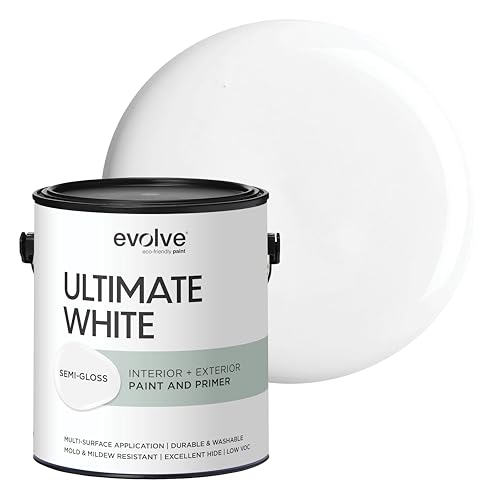

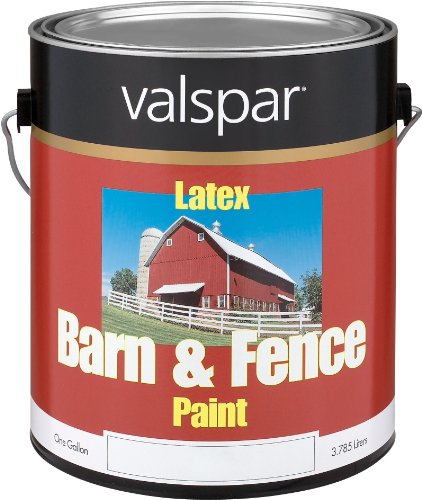
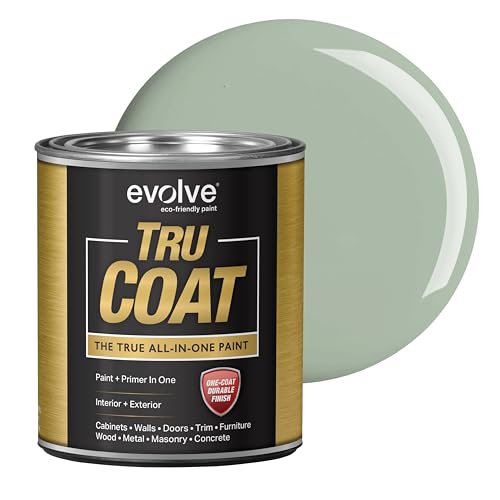
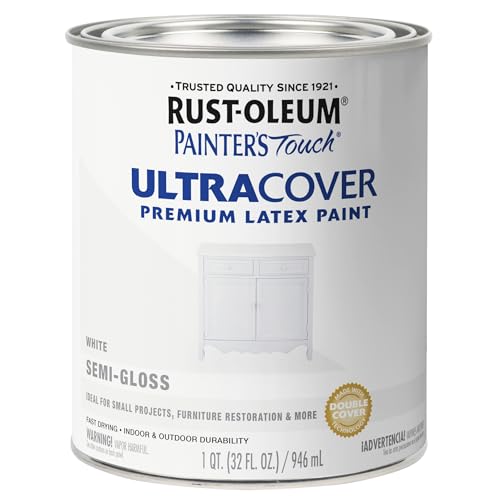
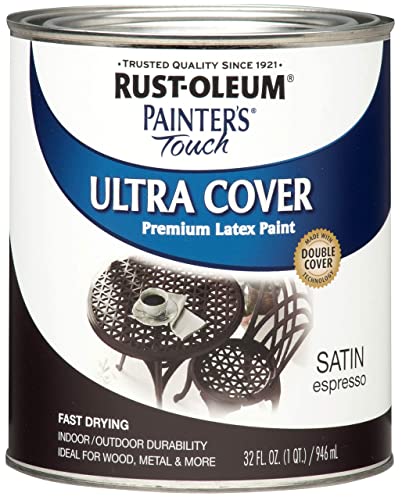
Your siding takes a beating every year from sun, rain, and temperature swings, and a paint job that looked great on day one can start chalking or peeling within a couple of seasons if you picked the wrong product. Finding the best exterior paint for your home isn't really about chasing a brand name. It comes down to matching the paint's formulation to your siding material, your climate, and how the surface was prepped. This guide walks through what separates paint that lasts from paint that fails early, so you can shop with confidence and know exactly what to ask for.
What Actually Makes Exterior Paint Hold Up Over Time
Two paints can look identical on a color swatch and perform completely differently five years later. The gap comes down to a handful of measurable qualities rather than marketing claims.
Hiding Power and Color Retention
Hiding power refers to how well a paint covers the existing color underneath, usually in two coats. Paints with low hiding power leave streaks or require a third coat to even out. Color retention is a separate issue: it measures how much a paint fades under constant UV exposure. Darker, saturated colors fade faster than lighter, muted tones, so a south-facing wall in a bold color will show wear sooner than the same paint on a shaded, north-facing side.
Chalking, Mildew, and UV Resistance
Chalking happens when the paint's binder breaks down under sunlight and leaves a fine, powdery residue on the surface, usually a sign the resin quality was too low for outdoor use. Homes in humid or shaded regions also need paint formulated to resist mildew growth, since trapped moisture on north-facing walls or under eaves creates ideal conditions for mold and algae stains. Look for paint marketed specifically for exterior use with built-in UV and mildew inhibitors rather than repurposed interior paint.
Why Acrylic Latex Is the Default Base for Most Homes
For the majority of siding types, acrylic latex exterior paint is the safest starting point, and it's the base ingredient behind nearly every product marketed as the best exterior paint on the market. It flexes with temperature changes instead of cracking, dries fast enough to avoid dust and bug contamination, and cleans up with water rather than solvents. Oil-based paint still shows up on some trim and metal surfaces because of its hard, durable finish, but it yellows over time, takes far longer to cure, and doesn't flex well with wood movement, which makes it a poor choice for large wall surfaces.
Matching Paint to Your Home's Siding Material
The single biggest mistake homeowners make is treating exterior paint as one universal product. What performs well on wood can fail within a year on stucco, and vice versa, which is why there's rarely one best exterior paint for an entire house with mixed materials.
Wood Siding and Trim
Wood expands and contracts with humidity, so it needs a flexible, breathable acrylic latex paint that moves with the material instead of fighting it. A dedicated wood primer is worth the extra step because it seals knots, blocks tannin bleed-through, and gives the topcoat something consistent to grip.
Stucco and Masonry Surfaces
Stucco is porous and often develops hairline cracks as the structure settles. An elastomeric acrylic coating, which is thicker and more flexible than standard paint, bridges those small cracks and keeps water from working its way behind the surface.
Brick Exteriors
Brick needs to stay breathable so trapped moisture inside the masonry can escape rather than building up behind the paint film. Mineral-based or silicate paints bond chemically with brick and allow this vapor exchange, which is why standard latex paint sometimes blisters or peels on brick within a few years.
Vinyl Siding
Vinyl expands and contracts more than any other common siding material, so it needs paint specifically labeled as vinyl-safe. These formulas stay flexible and are usually limited to lighter sheens and colors, since dark colors absorb enough heat to warp the panels underneath.
If the surface you're actually painting is a concrete patio, garage floor, or driveway rather than your home's siding, that's a different category of product with its own durability requirements. Our guide to concrete paints covers what to look for there instead.
How Much Paint, How Many Coats, and What Sheen
Once you know the right paint type for your siding, the next questions are practical: how much of the best exterior paint to buy, how many coats to plan for, and which sheen to pick.
Estimating Coverage and Gallons Needed
Most exterior paints cover roughly 250 to 400 square feet per gallon on a smooth surface, though rough textures like stucco or wood shakes soak up more and reduce that coverage. Measure your home's exterior square footage, subtract windows and doors, then divide by the coverage rate listed on the can to figure out how many gallons to buy.
One Coat vs Two Coats
Two coats is the standard recommendation for nearly every project, since the first coat acts as a base and the second evens out coverage and adds durability. The main exception is a fresh coat over the exact same color in good condition, where one coat can sometimes suffice. Porous surfaces like stucco and bold color changes almost always need two full coats regardless of the base color underneath.
Choosing Sheen for Body, Trim, and Accents
Flat and satin finishes are typically used on the main body of the house because they hide surface imperfections better. Semi-gloss and gloss sheens go on trim, shutters, and doors, where the higher shine adds contrast and stands up to more frequent handling and cleaning.
Climate and Timing Considerations
Exterior paint needs a specific temperature and humidity window to cure properly, and painting outside that window is one of the most common reasons a job fails early. Most paints need daytime temperatures consistently above the mid-50s Fahrenheit and shouldn't be applied when rain is expected within 24 to 48 hours. High humidity slows drying time significantly, which can trap moisture under the surface and lead to blistering later. It's also worth checking the specific low-temperature rating on your chosen paint, since some newer acrylic formulas are engineered to cure in cooler conditions than older products could handle.
Prep Work That Determines How Long the Paint Job Lasts
Even the best exterior paint will fail early on a poorly prepared surface. Start by washing the exterior to remove dirt, chalking residue, and mildew, since paint won't bond properly over any of it. A pressure washer makes this step faster on large wall sections, though lower pressure settings are safer for older or softer wood siding. Next, scrape off any loose or peeling paint and sand rough transitions so the new coat has a smooth surface to grip. Cracks and gaps around trim, windows, and joints should be sealed with exterior-grade caulk before priming, since a good caulking gun makes it much easier to apply an even, controlled bead without wasting product. Finally, prime any bare wood, patched areas, or stains that could otherwise bleed through the topcoat.
Frequently Asked Questions
What is the best exterior paint for a house?
For most wood, fiber cement, and stucco homes, 100% acrylic latex paint is the best exterior paint choice because it flexes with the surface and resists fading and cracking. Brick and some masonry surfaces do better with mineral or silicate-based paint instead.
How many coats of exterior paint do you need?
Plan on two coats for almost every project. The only common exception is repainting the exact same color on a surface already in good condition, where a single coat can sometimes be enough.
What paint sheen is best for a house exterior?
Flat or satin sheens work best on the main walls because they hide imperfections, while semi-gloss is better suited to trim, shutters, and doors that need a bit more shine and durability.
How long does exterior paint typically last?
A quality job on wood siding usually lasts around five to seven years before it needs attention again, while masonry and vinyl surfaces can often stretch longer if the prep work was done properly.
Can you use interior paint outside?
No. Interior paint isn't formulated to resist UV rays, temperature swings, or moisture, so it will fade, crack, or peel quickly if used outdoors. Always choose paint labeled specifically for exterior use.
What temperature is too cold to paint a house exterior?
Most standard exterior paints need daytime temperatures above the mid-50s Fahrenheit to cure properly, though some newer formulas are rated for cooler application. Check the label on your specific paint for its minimum temperature rating.
Do you need to prime before painting exterior siding?
Priming is necessary on bare wood, patched areas, stains, or any surface where the old paint has been fully stripped. If the existing paint is in good condition and you're staying with a similar color, priming the whole surface usually isn't necessary.
How do you know when it's time to repaint your home's exterior?
Watch for fading, chalking residue that rubs off on your hand, cracking or peeling paint, and any exposed bare wood or masonry. These are all signs the current coat has stopped protecting the surface underneath.
Making Your Decision
The best exterior paint for your home depends less on the label and more on whether it's formulated for your siding material, applied in the right conditions, and put over a properly prepped surface. Get those three factors right, and even a mid-range paint will outperform a premium product applied the wrong way.