
Best Emergency Food Supply Kits: What to Know Before You Buy
Disclosure: We may earn a commission when you buy through links on this page, at no extra cost to you. As an Amazon Associate I earn from qualifying purchases. Learn more
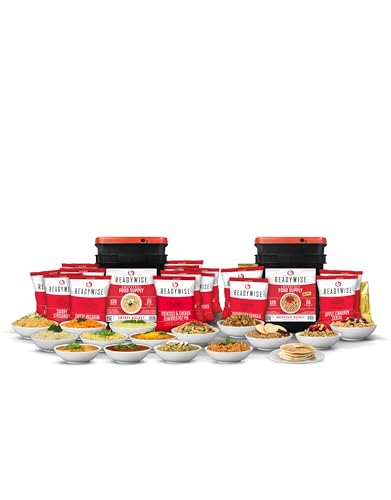
When a hurricane, ice storm, or extended power outage hits, grocery store shelves can empty out within hours. That is exactly the scenario the best emergency food supply kits are built for: a stash of shelf-stable meals that keeps your household fed without power, refrigeration, or a working stove. Not every kit lives up to its label, though. Some pack far fewer real calories than the marketing suggests, and others rely on rehydration that quietly drains your emergency water supply. This guide breaks down what actually separates a dependable food kit from an overpriced bucket of filler, so you can choose, size, and store your own supply with confidence.

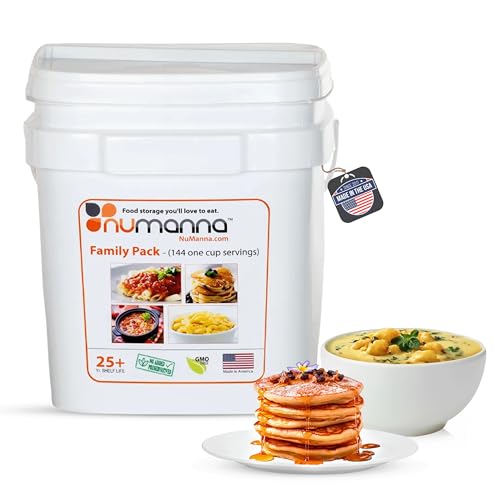
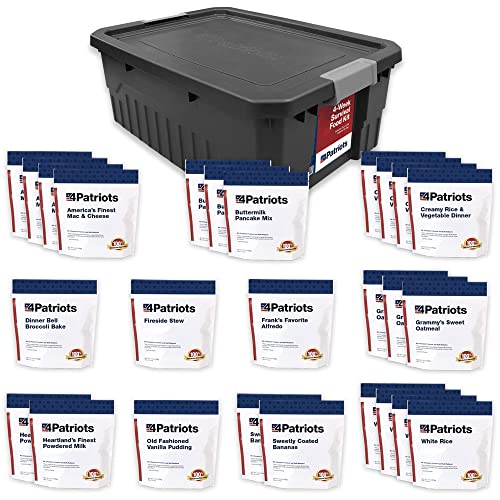
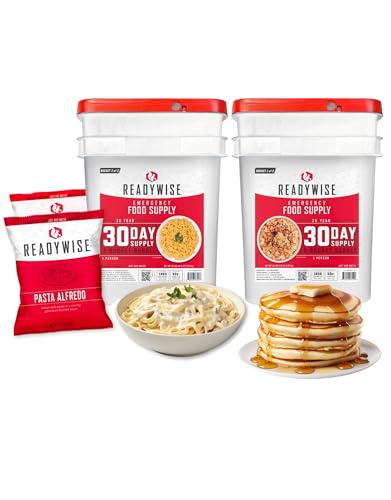

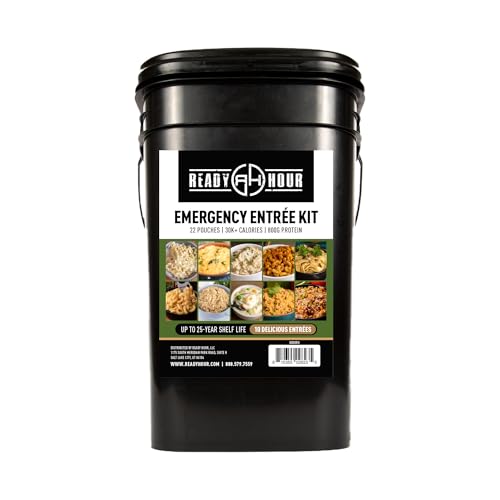
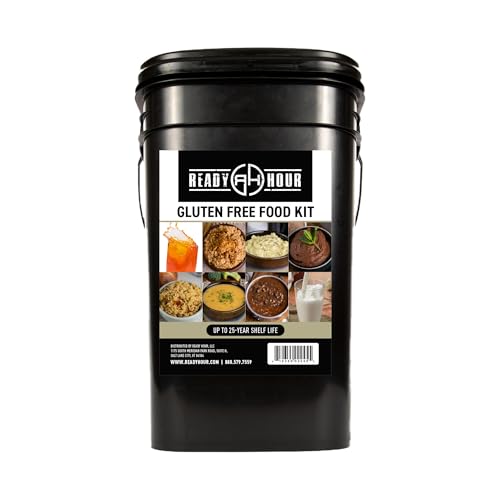
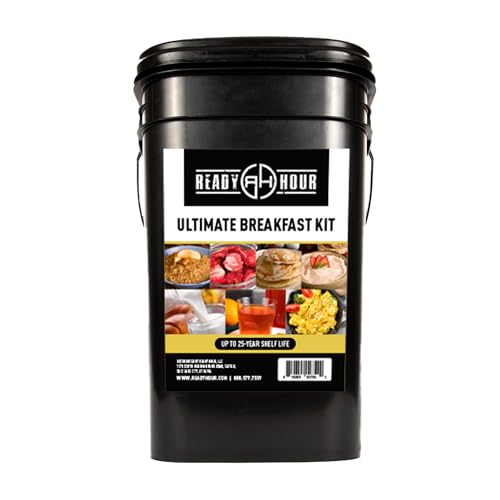

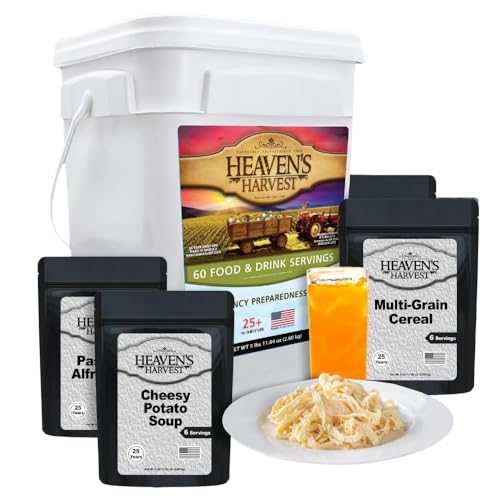
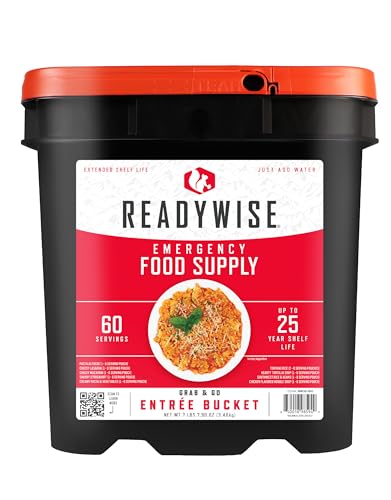
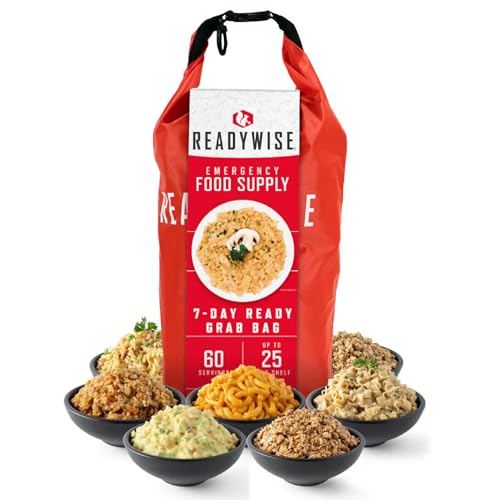
How Many Calories a Day Your Kit Actually Needs to Provide
Kit packaging loves to advertise "servings," but a serving is whatever the manufacturer decides it is, not a standardized calorie count. Before you buy, do the math yourself: total calories in the kit divided by the number of people, divided by the number of days you want covered. Emergency planners generally use roughly 2,000 calories per adult per day and around 1,500 per child, though that baseline climbs to 3,000 or more when cold weather, physical labor, or stress are part of the picture.
The Real Number Behind "Servings"
Two kits can list the same serving count and differ by hundreds of calories per person, per day. Read the nutrition label or spec sheet, not just the marketing bullet points, and check whether the total calorie figure already accounts for every member of your household or just one adult.
Why Protein Deserves Equal Attention
Plenty of budget kits lean heavily on rice, pasta, and starchy fillers because they are cheap to bulk up. That keeps the calorie count high on paper while leaving you hungrier and more fatigued than the number suggests. Look for kits that list protein grams per serving, and favor ones that stay reasonably consistent across meals rather than front-loading protein into one or two dishes.
Freeze-Dried, Canned, or MRE: Picking the Right Format
The three formats behind most emergency food supply kits solve different problems, and the right pick depends on how you plan to use the kit rather than which one sounds most impressive.
Freeze-Dried Meals
Freeze-dried meals hold their shape, weight, and nutrients far better than other formats, with shelf lives that commonly reach 25 to 30 years when sealed. They are light and compact, which makes them a strong pick for home storage where space is limited. The tradeoff is water: most pouches need roughly a cup or more of hot or cold water per serving, so a large freeze-dried supply only works if your water storage plan can keep up with it.
Canned and Retort-Pouch Foods
Canned goods and shelf-stable pouches are ready to eat straight out of the package, no water or cooking required. That convenience comes at the cost of a shorter shelf life, typically three to five years, and significantly more weight and storage space per calorie. They work well as a short-term layer on top of a longer-term kit, especially for the first few days of an outage.
MREs
Meals ready to eat are built for zero-prep situations. Most include a self-heating element, need no added water, and hold up for about three to five years at room temperature. They are bulkier and pricier per calorie than freeze-dried food, which makes them better suited to a grab-and-go bag than a large-scale pantry supply.
Sizing Your Supply: 72 Hours, Two Weeks, or Longer
Federal guidance sets a three-day supply as the bare minimum, but many state and local emergency agencies now recommend closer to two weeks, especially in areas prone to hurricanes or winter storms where roads and utilities can stay down well past 72 hours. Multiply your target daily calories by the number of days and the number of people in your household, then compare that figure to what a kit actually delivers rather than trusting the box size alone.
How long you genuinely need to rely on stored food also depends on what else you have on hand. A household with a portable generator that can keep a refrigerator running may only need to dip into a freeze-dried supply starting on day three or four, while a household with no backup power should plan to lean on the kit from hour one. Building your kit around your actual situation, not a generic number, keeps you from overbuying or underbuying.
What a Multi-Decade Shelf Life Claim Actually Means
The best emergency food supply kits typically advertise shelf lives of 25 to 30 years, and that number is real, but only under specific conditions: sealed packaging, stored at roughly 55 to 70 degrees Fahrenheit, away from direct sunlight and humidity. Once a pouch or can is opened, that decades-long clock resets to days or weeks depending on the food. A kit left in a hot garage or an uninsulated attic through several summers will likely fall well short of its rated life, even if the packaging is never opened.
Where you store the kit matters as much as what's in it. A closet, basement corner, or interior storage room stays closer to that ideal temperature range than an exterior structure does. Since a kit often lives in the same low-traffic spot for years, it's worth keeping a light source nearby too. A solar camping lantern stored alongside your food supply means you're not searching for batteries in the dark if the same outage that sends you to the kit also knocks out your lights.
Keeping Your Supply Ready: Storage, Rotation, and Water
Where and How to Store It
Beyond temperature and light, keep the kit off a concrete floor and away from anywhere it could get damp, since moisture degrades packaging faster than almost anything else. Transferring bulk staples like rice, oats, or beans into airtight pantry storage containers after opening a large bag adds a second layer of protection and keeps pests out.
Rotating Without Waste
A kit is not entirely "buy it and forget it." Check labels once a year, and eat through anything nearing its printed date rather than letting it expire unused. If you open a large pouch and can't finish it in one sitting, resealing the leftover portion with a food vacuum sealer extends its usable window well beyond what a clip or fold-over closure can manage.
Don't Forget the Water
Water is the part most households underplan. General guidance calls for at least one gallon per person, per day, for drinking and hygiene, and freeze-dried meals add to that total since most servings require added water to prepare. If your food kit leans heavily on freeze-dried format, size your water storage accordingly rather than assuming your existing supply will stretch to cover both.
Frequently Asked Questions
How many calories per day should an emergency food supply provide?
Plan for roughly 2,000 calories per adult per day and about 1,500 per child, adjusting upward for cold weather, physical exertion, or added stress. Always check the kit's total calorie count against your household size and target duration rather than relying on the serving count alone.
Is freeze-dried food better than canned food for emergencies?
Freeze-dried food generally wins on shelf life, weight, and storage space, while canned food wins on convenience since it needs no added water. Many households combine both: freeze-dried for long-term storage and a smaller canned supply for the first few days.
How long does emergency food storage actually last?
Sealed freeze-dried food can last 25 to 30 years under ideal cool, dry storage conditions. Canned goods and MREs typically last three to five years. Heat, humidity, and sunlight all shorten these figures, and opened packages should be treated as short-term food, not long-term storage.
How much emergency food do I need for a family of four?
Multiply your target daily calories per person by four, then by the number of days you want covered. A two-week supply for a family of four at 2,000 calories per adult and 1,500 per child, for example, calls for well over 200,000 total calories depending on the age mix.
Do I need extra water to prepare emergency food kits?
Yes, if the kit relies on freeze-dried meals. Most servings require roughly a cup of hot or cold water, so a large freeze-dried supply should come with a matching increase in your stored water, on top of the water you already need for drinking and hygiene.
What is the difference between an MRE and freeze-dried emergency food?
MREs are fully prepared and need no added water, making them ideal for grab-and-go situations, but they are heavier, bulkier, and have a shorter shelf life of about three to five years. Freeze-dried meals need water to prepare but last far longer and take up much less storage space.
How often should I rotate or replace my emergency food supply?
Check expiration dates at least once a year and eat through anything approaching its printed date. Long-term sealed items rarely need replacing on that schedule, but shorter-shelf-life items like canned goods and MREs benefit from an annual check.
The Bottom Line on Building Your Kit
A dependable emergency food supply comes down to three numbers: real calories per person per day, an honest shelf life based on where you'll actually store it, and enough water to match whatever format you choose. Get those three right, and the format, brand, or bucket size becomes a much easier decision.