
Best Dog Collars: A Buying Guide for Everyday Walks
Disclosure: We may earn a commission when you buy through links on this page, at no extra cost to you. As an Amazon Associate we earn from qualifying purchases. Learn more
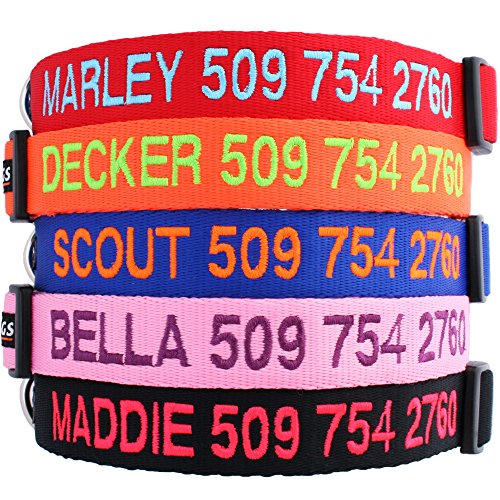
A collar that rubs, slips, or falls apart after a few soggy walks is more than an annoyance, it can leave your dog without a way to hold an ID tag or a leash clip when it matters most. Finding the best dog collars for daily wear comes down to a handful of practical details rather than color or pattern: how it fits, what it is made of, and whether the hardware holds up to real use. This guide focuses on everyday, walking collars, not GPS tracking units or training devices, and walks through fit, material, hardware, and safety features so you can shop with a clearer idea of what actually matters.




Getting the Fit Right
A collar that fits correctly sits comfortably against the neck without room to slip over the head or dig into the skin. Getting dog collar sizing right is the single detail that affects comfort and safety the most, and it takes only a soft tape measure and a couple of minutes.
The Two-Finger Rule
Once the collar is buckled, you should be able to slide two fingers flat between the strap and your dog's neck. If you cannot fit two fingers, the collar is too tight. If more than two fingers slide in easily, it is too loose and your dog could back out of it during a walk. For toy breeds, one finger is usually the safer test, since a snug fit matters more for very small necks.
Re-Measuring as Puppies Grow
Puppies can outgrow a collar within weeks, so check the fit monthly until growth slows down. Adult dogs should still get a quick fit check every few months, especially after a change in weight or coat thickness. A collar that fit perfectly in spring can feel noticeably different once a winter coat grows in.
Material Comparison: Nylon, Leather, and Biothane for Daily Wear
Material affects how a collar handles water, sun, and everyday wear, and it is worth thinking about before color or design. Nylon is the lightest and most affordable option, and it comes in the widest range of colors, but it tends to fray at the edges, hold onto odor, and soak up water on rainy walks. Leather ages well and softens with use, giving a comfortable, broken-in feel over time, though it needs regular conditioning and struggles with repeated soaking. A biothane dog collar is a synthetic, coated material that resists water, mildew, and cracking almost entirely, staying flexible even in cold weather, which makes it a strong pick for dogs that swim or spend a lot of time outdoors. The tradeoff is a slightly stiffer initial feel compared to nylon webbing, though most break in within a few weeks of regular wear. Side by side, the best dog collars for daily wear usually come down to matching material to lifestyle rather than picking whatever looks nicest on a shelf.
Hardware That Won't Fail Mid-Walk
The strap material gets most of the attention, but the buckle and rings are what actually take the daily stress of clipping, pulling, and tugging. Hardware is one of the most overlooked details when people shop for the best dog collars, since a frayed strap is obvious but a weak buckle usually fails without warning.
Buckles: Metal vs Plastic Quick-Release
Metal buckles generally offer more raw strength and hold up better for large or strong-pulling dogs, though they can rust if left wet for long stretches. Quality plastic quick-release buckles have improved a lot and work fine for most dogs, but cheaper versions can go brittle with sun exposure and crack under sudden force. If your dog is a heavy puller or a larger breed, a reinforced metal buckle is usually the safer long-term choice.
D-Rings and Stitching
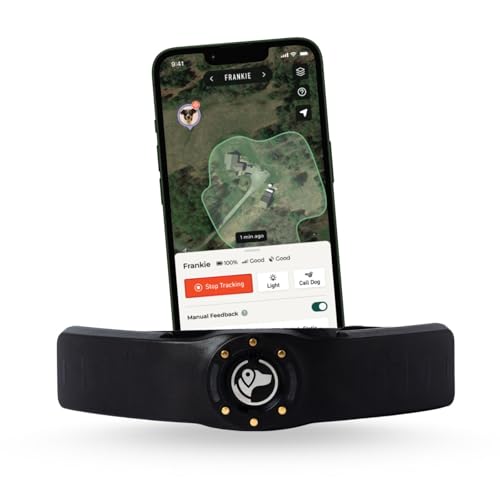
The D-ring is where the leash clips on, so check that it is riveted or bar-tacked rather than just sewn through a single layer of fabric. Loose stitching along the edges is often the first sign a collar is starting to wear out. If tracking your dog's whereabouts matters more to you than a simple leash attachment, that is a different category of product built around GPS hardware rather than everyday buckle and ring construction, and our guide to GPS dog collars covers that separately.
Breakaway Safety for Everyday Collars
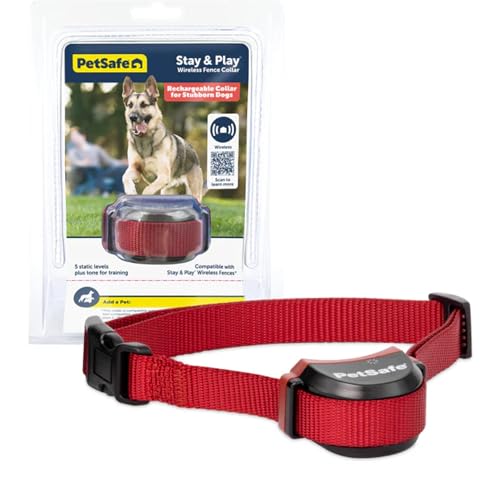
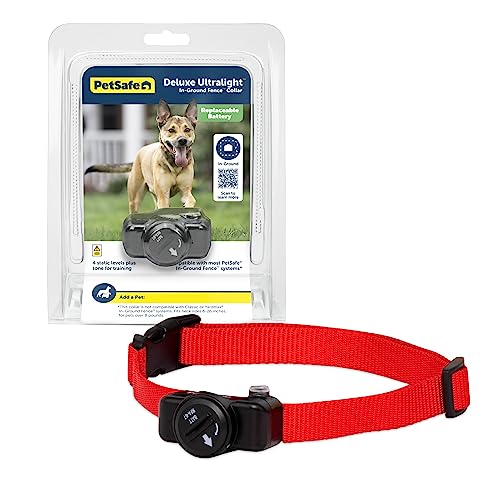
A breakaway dog collar is built with a safety buckle that pops open under sudden, hard pressure, which helps prevent choking if the collar ever gets caught on a fence, crate bar, or another dog's jaw during play. This release mechanism is unrelated to the electronic stimulation used in training collars, which rely on an entirely different design built for behavior correction rather than everyday snag safety. For dogs that spend time off leash in a yard or play with other dogs regularly, a breakaway release is worth prioritizing even if it means occasionally re-clipping the collar after a hard snag. It is a small feature that separates the best dog collars for casual, unsupervised moments from ones built purely for structured leash walks.
Collar or Harness: Which Should Carry the Leash?
Even the best dog collars are not always the right tool for handling leash tension. Research on leash pulling shows that force applied through a neck collar concentrates pressure on a narrow band of tissue near the trachea, while a harness spreads that same force across the chest and shoulders. Dogs that pull consistently, have a history of tracheal sensitivity, or are small and toy breeds tend to do better with a harness carrying the leash load, while the collar stays on for ID and everyday wear. The type of leash you use matters too. A retractable leash can add sudden jerks of tension that make a harness setup even more worthwhile for dogs that lunge or dart after squirrels.
Reflective and Visibility Features for Low-Light Walks
A reflective dog collar uses woven-in reflective thread or a stitched strip that bounces light back toward its source, making your dog easier to spot during early morning or evening walks. It works well alongside a reflective leash but is not a substitute for supervision near roads or bike paths. Over time, dirt and grime dull the reflective effect, so a quick wipe-down every so often keeps the visibility close to new. If you walk before sunrise or after dark on a regular basis, this feature deserves as much weight as material or fit when you compare the best dog collars on your shortlist.
Frequently Asked Questions
How do you know if a dog collar fits correctly?
Use the two-finger rule: once buckled, you should be able to slide two fingers flat between the collar and your dog's neck. Tighter than that and it may rub, looser and your dog could slip out of it.
What is the best material for a dog collar?
It depends on your dog's lifestyle, which is why the best dog collars are not all made from the same material. Biothane holds up best to water and daily wear with little maintenance, leather offers comfort and a broken-in feel over time, and nylon is the lightest and most affordable everyday option.
Are breakaway collars safe for everyday walks?
Yes, for most dogs a breakaway collar adds a safety margin by releasing under hard, sudden pressure rather than risking a choke hazard. Some trainers suggest switching to a standard buckle collar during structured leash training, since the release could open at an inconvenient moment.
Should I use a collar or a harness for walking my dog?
Many owners use both: a collar for ID tags and a harness to handle the actual leash pressure. This setup protects the neck and trachea from repeated pulling force while still keeping identification visible at all times.
How often should I replace my dog's collar?
Check the stitching, buckle, and D-ring every few months and replace the collar at the first sign of fraying, cracking, or a loose ring. Most everyday collars last one to two years with regular wear, though water exposure and rough play can shorten that.
Is it safe to leave a dog collar on all the time?
For most dogs, yes, as long as the fit is checked regularly and the collar is not left on during unsupervised crate time or rough play with other dogs where it could snag. A breakaway design lowers the risk if you do choose to leave a collar on around the clock.
Making the Right Choice for Your Dog
The right everyday collar comes down to matching material and hardware to how your dog actually lives, not to color or design alone. A dog that swims or spends most of its time outdoors benefits from a waterproof material, while a dog that pulls hard on the leash is better served by pairing a well-fitted collar with a harness. In the end, the best dog collars are the ones that fit correctly, hold up to daily wear, and get checked and replaced before the hardware ever fails.