
Best Cozy Blankets: A Guide to Real Warmth and Softness
Disclosure: We may earn a commission when you buy through links on this page, at no extra cost to you. As an Amazon Associate we earn from qualifying purchases. Learn more
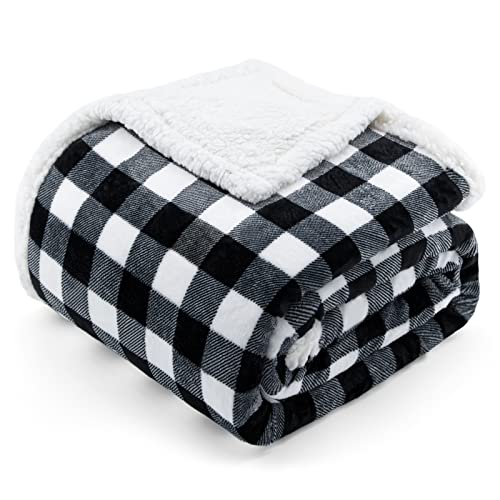
Finding the best cozy blankets comes down to more than a soft-sounding label on a tag. Warmth is a function of a few specific things: how much fabric is packed into the material, how high the pile stands off the surface, and how the fibers are woven or knit together. Two blankets can look nearly identical in a photo and feel completely different once they're actually wrapped around you on a cold night. This guide breaks down what actually makes a blanket warm, how the main cozy fabric types compare, where each one works best in your home, and how to keep that softness intact wash after wash.
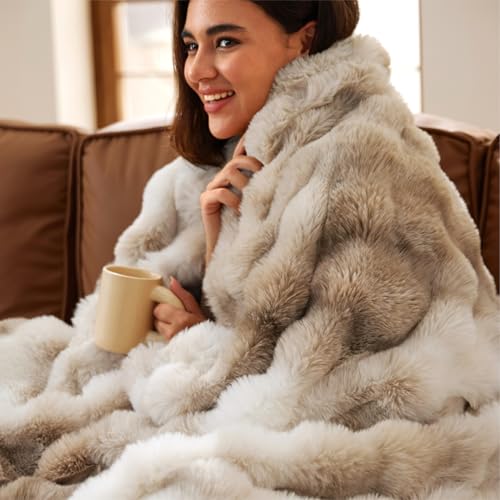
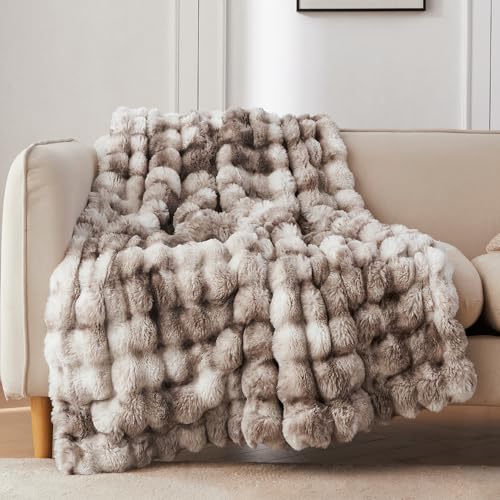

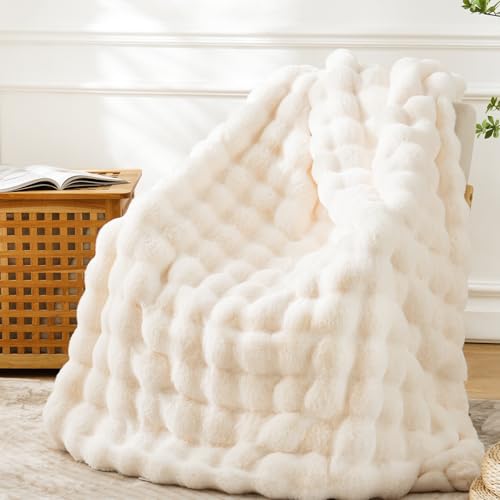


Material Weight and Weave: What Actually Creates Warmth
Fabric weight, usually measured in grams per square meter (GSM), is the single most useful number for predicting how warm a blanket will feel. Lighter fabrics in the 100 to 250 GSM range breathe well and suit mild evenings, while anything from 350 GSM up starts to feel noticeably heavier and holds heat close to the body. That said, GSM alone doesn't tell the whole story, since a low-GSM wool blanket can trap more warmth than a bulkier cotton one because of how the fiber itself behaves.
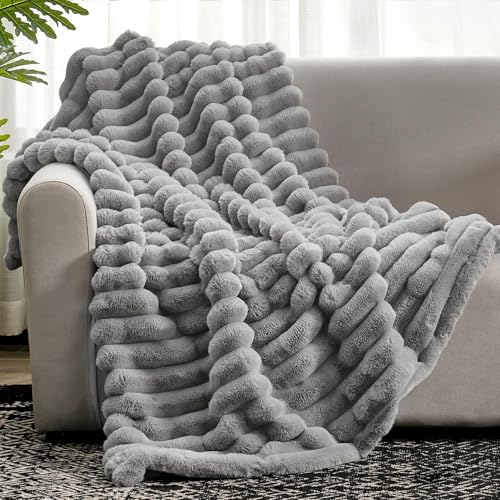
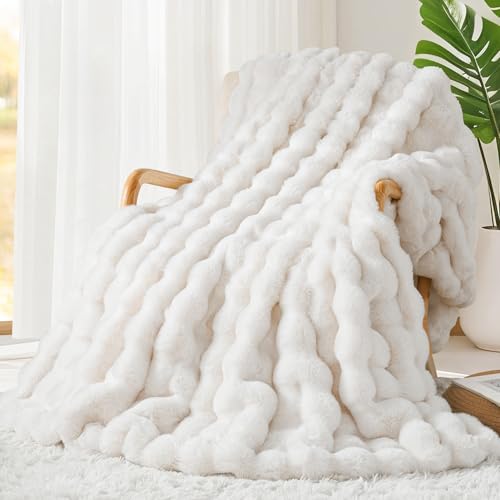
Pile height matters just as much as weight. A deep, plush pile creates thousands of tiny air pockets, and trapped air is what actually insulates, not the fabric itself. That's why a thick, fluffy blanket often feels warmer than a flat woven one of similar weight. The weave or knit structure also plays a role: a tight, dense weave blocks drafts better, while an open, loose knit lets more air move through and cools faster. When you're comparing options, look for both a stated weight and a description of the pile or knit style rather than relying on marketing words like "plush" alone.
Fleece vs Sherpa vs Chunky Knit: Comparing Heat Retention
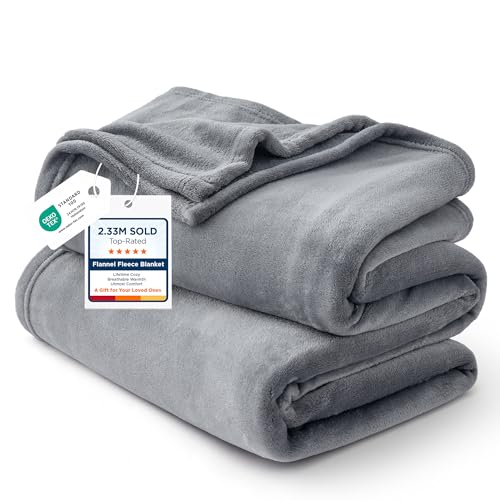
When comparing the best cozy blankets, three fabric types come up again and again: fleece, sherpa, and chunky knit. Fleece is a lightweight, brushed synthetic fabric that traps a moderate amount of warmth without much bulk, which makes it a practical choice for year-round use or for layering under a heavier throw. It dries fast, resists wrinkles, and holds up well to frequent washing.
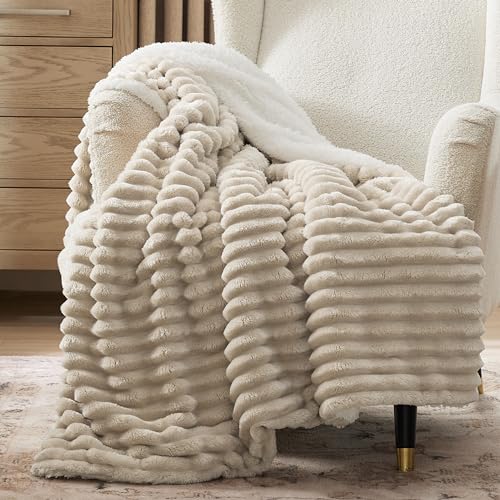
Sherpa runs warmer, built with a dense, curly pile on one side that mimics shearling. That pile holds still air close to the skin, so a sherpa blanket often feels noticeably warmer than a fleece one of similar thickness. Many sherpa blankets pair that fluffy side with a smoother woven or fleece backing, which adds structure and keeps the piece from feeling floppy.
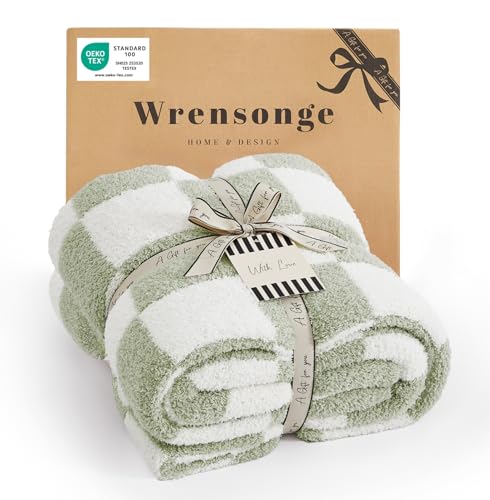
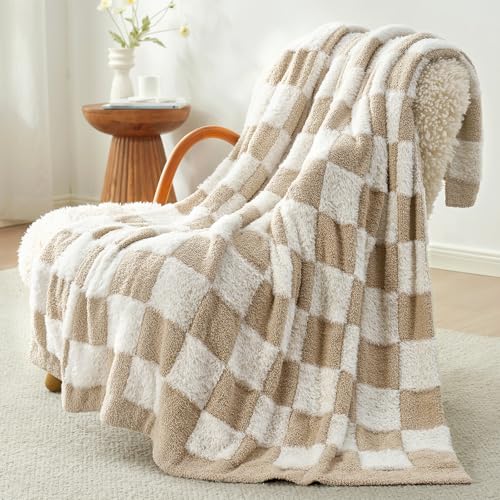
Chunky knit blankets take a different approach entirely. Instead of a dense pile, they use thick strands of yarn looped into a large, open stitch. The visual weight suggests warmth, but the open gaps between stitches let more air escape, so a chunky knit tends to feel cozy rather than truly hot, more suited to a decorative couch throw than a deep-winter bed blanket. If you're drawn to the handmade look of a chunky knit, it's worth reading up on best yarn for blankets before deciding whether to buy one or make your own.
Matching the Blanket to the Room and Use
A blanket that's perfect on the couch isn't always the right pick for the bed, and a travel blanket has its own set of demands. For a couch throw, a mid-weight fleece or sherpa in a smaller size, usually around 50 by 60 inches, works well because you're only using it for an hour or two at a time and want something easy to fold and toss aside.
Bed blankets need to cover more surface area and hold up to a full night of body heat, so a heavier, larger piece, sized to match or slightly overhang your mattress, tends to perform better than a throw-sized blanket stretched too thin. If you share a bed with a partner who runs warmer or colder than you do, a lighter cozy blanket layered under a heavier one gives both of you room to adjust.
Travel blankets prioritize a different set of qualities: packability and quick warmth over sheer bulk. A compressible fleece or thin knit that folds down small works better in a car or on a plane than a heavy sherpa piece that takes up half a suitcase.
Washing Care Without Losing Softness or Loft
The softness that makes a blanket feel cozy is also the first thing to go if it's washed carelessly. Hot water and high heat both flatten pile and stiffen fibers over time, so cold water on a gentle cycle is the safer default for fleece, sherpa, and most knit blankets.
Skip fabric softener, since it coats fibers with a residue that actually reduces loft and can make synthetic materials feel waxy rather than soft. A small amount of mild detergent is usually enough, and washing the blanket on its own, or with other soft items rather than towels or jeans, prevents the friction that causes pilling.
Air drying, or tumbling on low or no heat, protects the pile far better than a high-heat cycle. If your blanket does start to pill after months of use, a fabric shaver can restore some of the surface texture, though gentler washing from the start is always easier than fixing it after the fact.
Common Mistake: Choosing Maximum Warmth Over Breathability
It's tempting to assume the thickest, heaviest option is automatically the coziest, but that's often where people go wrong. A blanket that traps too much heat can leave you kicking it off in the middle of the night, which defeats the purpose of buying something warm in the first place.
The better approach is matching the blanket's weight to your actual sleeping or lounging habits rather than to the coldest night you can imagine. If you tend to run warm, a mid-weight fleece or a lighter knit paired with an extra layer when needed usually beats a single heavy blanket you'll end up shoving to the foot of the bed. Breathable fibers like cotton, or a looser knit, let excess heat escape gradually instead of building up under a dense pile.
It also helps to think about your climate and season rather than buying one blanket to cover every situation. Someone shopping for the best cozy blankets for a humid climate has very different needs than someone furnishing a drafty cabin, and no single weight or material solves both. For a broader look at how different labels approach these tradeoffs, see best blanket brands.
Frequently Asked Questions
What material makes a blanket warm without being too heavy?
Wool and high-pile sherpa tend to offer the best warmth-to-weight ratio, since the fiber structure traps air efficiently without requiring a lot of bulk. A lighter cotton or fleece blanket layered with a second piece can achieve a similar effect if you'd rather avoid a single heavy layer.
Is sherpa or fleece warmer?
Sherpa is generally warmer because its dense, curly pile traps more still air against the body. Fleece is lighter and more breathable, which makes it a better fit for mild weather or for people who tend to sleep hot.
How do I stop a cozy blanket from overheating me at night?
Choose a mid-weight option instead of the heaviest one available, and favor a breathable fiber like cotton over a dense synthetic pile if you run warm. Layering two lighter blankets also gives you the option to remove one partway through the night.
Can washing ruin a blanket's softness?
Yes, hot water, high heat, and fabric softener are the most common culprits behind flattened pile and stiff fibers. Cold water, a gentle cycle, and air drying or low-heat tumbling will preserve the loft for much longer.
What size blanket works best for a couch versus a bed?
A throw around 50 by 60 inches is a comfortable size for a couch, since it's easy to fold and doesn't overwhelm the seating area. A bed blanket should be sized to match or slightly overhang the mattress so it stays in place through the night.
How often should a cozy blanket be replaced?
Most well-cared-for blankets last several years before the pile flattens or the fibers thin out noticeably. Once washing no longer restores the loft or the fabric starts pilling heavily, it's a reasonable sign the blanket has reached the end of its useful life.
Do chunky knit blankets actually keep you warm?
They provide a moderate amount of warmth, but the open stitch pattern lets more air through than a dense pile fabric like sherpa. They work well as a decorative layer on a couch or bed rather than as the sole source of warmth on a cold night.
Finding Your Coziest Fit
The warmest blanket for you depends less on a single "best" pick and more on matching weight, weave, and fiber to how and where you'll actually use it. Pay attention to those details rather than soft-sounding marketing terms, and the right level of cozy will follow naturally.