
Best Blanket Brands: How to Judge Quality Before You Buy
Disclosure: We may earn a commission when you buy through links on this page, at no extra cost to you. As an Amazon Associate we earn from qualifying purchases. Learn more

Shopping for the best blanket brands can feel confusing once you start comparing labels, because every package claims to be soft, warm, and built to last. The truth is that brand reputation alone won't tell you much about how a blanket performs after a few months of use. What actually separates a dependable label from a forgettable one comes down to details you can check yourself: how transparent the company is about its materials, how the fabric is woven, and how the edges are finished. This guide walks through the specific signals worth checking before you commit to a purchase, so you can judge quality on your own terms rather than trusting marketing copy.


What Makes a Blanket Brand Trustworthy
Not every company that sells blankets earns a spot among the best blanket brands, and the difference usually shows up in details a shopper can verify. A trustworthy label tells you exactly what the blanket is made of, down to the fiber blend and where it comes from, instead of hiding behind vague words like "premium" or "luxury." Look for a listed GSM, or grams per square meter, on the product page. Lightweight throws typically fall between 200 and 300 GSM, everyday blankets sit around 400 to 700 GSM, and heavier winter pieces climb past that range.
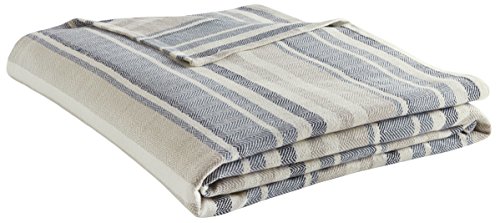
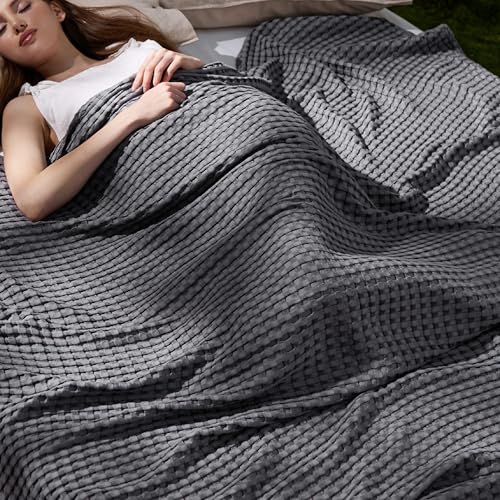
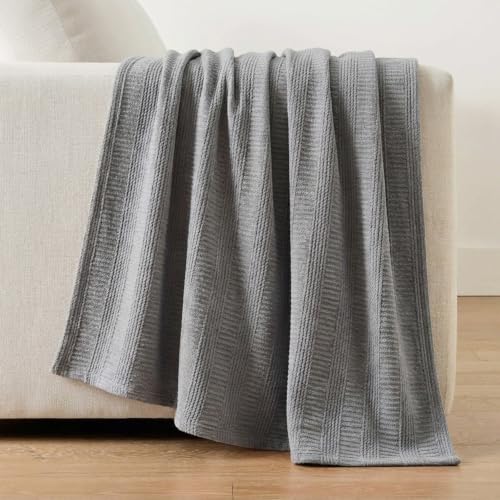
Weave type matters just as much as weight. Woven fabrics tend to hold their shape and drape more evenly over time, while knit blankets start out softer but can stretch or pill sooner. Check the stitching along the edges too. Reinforced or double-stitched borders resist fraying through repeated washes, while a single loose seam is often the first place a cheap blanket falls apart. A brand willing to share these specifics, rather than relying on lifestyle photography alone, is usually one that stands behind its product.
Fleece, Cotton, Wool, or Down Alternative: Why Brands Specialize
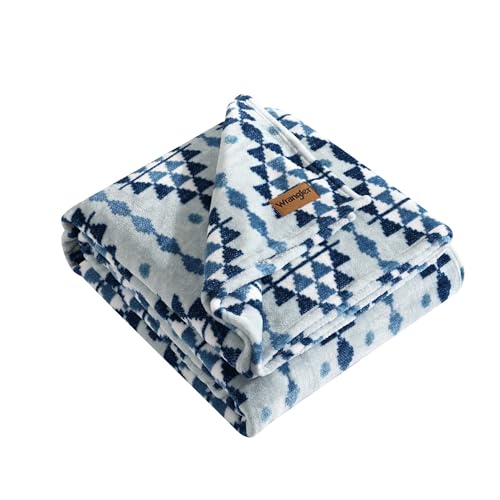
Most companies that build a strong reputation focus on one or two fabric categories rather than trying to master everything at once, and understanding those categories helps you know what to expect. Fleece and microfiber blankets are usually the most affordable and easiest to machine wash, making them a practical pick for everyday use on the couch. Cotton blankets breathe better and suit warmer climates or hot sleepers, though they tend to feel less plush than synthetic options.
Wool sits at the higher end of the price range because raw material and processing cost more, and a well-made wool piece can last for years if it's cared for properly. If natural fiber luxury is what you're after, it's worth reading a best cashmere blanket guide before comparing specific labels, since cashmere shopping involves its own set of quality checks. Down-alternative blankets try to mimic the loft of real down using synthetic fill, giving you warmth without the maintenance natural down requires. If your priority shifts to outdoor use instead of everyday indoor comfort, the criteria change again, and a dedicated best waterproof picnic blanket guide covers abrasion resistance and waterproofing rather than fiber softness.
Reading Past the Marketing: How to Evaluate Reviews and Claims
Search results and social feeds love to declare a winner among the best blanket brands, but a lot of that content is sponsored or affiliate-driven rather than based on hands-on testing. Before trusting a claim, check whether the review mentions specific details like fabric weight, wash results after multiple cycles, or how the blanket held up after a year, rather than describing only how it felt on day one.
Verified purchase reviews on retail sites are often more reliable than blog rankings, especially when you filter for photos and read the middle-star reviews rather than only the five-star ones. Pay attention to recurring complaints. If several unrelated reviewers mention shedding, pilling, or shrinkage after washing, that pattern is more trustworthy than a single glowing testimonial. Also check the return window and warranty terms directly on the brand's site. A company confident in its stitching and fabric usually backs that confidence with a return policy longer than the industry standard thirty days, while brands that bury their return terms in fine print are often worth a second look.
What Your Money Actually Buys at Each Price Point
Budget blankets, usually priced lowest in a retailer's lineup, tend to use synthetic fibers and simpler weaves that feel fine at first but show wear within a season or two of regular use. That doesn't make them a bad choice for guest rooms or occasional use, but it does mean you shouldn't expect years of daily wear from them.
Mid-range options usually add tighter weaves, higher GSM, and better-finished edges, which is where most everyday household blankets land. Premium pricing tends to reflect natural fibers like wool or organic cotton, more rigorous quality control, and sometimes ethical sourcing certifications that cost more to maintain. The jump in price isn't always proportional to the jump in comfort, though. Paying more can also simply mean you're covering a bigger marketing budget rather than better materials, which is why checking fabric specs matters more than checking the price tag alone.
Mistakes That Lead You to the Wrong Brand
- Choosing based on packaging or ad appeal instead of checking the listed fabric content and GSM.
- Assuming a higher price automatically means better construction, without checking stitching or reviews.
- Ignoring the care label, then washing a delicate weave on a cycle that causes pilling or shrinkage.
- Buying a heavy winter-weight blanket for year-round use, or a lightweight throw expecting serious warmth.
- Skipping the return policy check, which matters most if the fabric doesn't feel the same once it arrives.
Many of these mistakes come down to shopping quickly instead of comparing a few specific details across two or three options. Taking an extra five minutes to check GSM, fiber content, and return terms before adding a blanket to your cart usually prevents the most common regrets shoppers report after the fact.
Frequently Asked Questions
What should I check first, regardless of brand?
Start with the fiber content and GSM listed on the product page rather than the brand name itself. These two details tell you more about how the blanket will feel and hold up than any marketing description, and they let you compare very different companies on equal footing.
Is a higher GSM always better?
Not necessarily. A high GSM number means more material per square meter, which usually adds warmth and weight, but a summer throw doesn't need the same GSM as a winter blanket. Match the number to how and when you plan to use it rather than assuming higher is universally better.
Are more expensive blankets always more durable?
Not always. Price can reflect better materials and construction, but it can also reflect packaging, branding, or marketing spend. Checking stitching quality, fiber content, and verified reviews gives you a clearer picture of durability than price alone.
How can I tell if a blanket will pill over time?
Blends with a lot of loose, low-twist synthetic fiber tend to pill faster than tightly woven natural fibers. Reviews that mention pilling after several washes are one of the most useful warning signs, since this issue often doesn't show up until a blanket has been used and laundered a few times.
Does thread count matter for blankets the way it does for sheets?
Thread count is less relevant for blankets than GSM and weave type, since blankets are usually judged on warmth, loft, and drape rather than thread density alone. GSM is generally the more useful number to compare across different products.
How often should I replace a blanket?
A well-made blanket cared for properly can last several years, while a lower-quality one may need replacing within a season or two of regular use. Watch for thinning fabric, persistent pilling, or a loss of loft as signs it's time to shop again.
What's the best way to judge quality in person before buying?
Pinch a section of the fabric firmly for a few seconds, then release it and watch how quickly it recovers its shape. Fabric that springs back within a few seconds generally indicates sturdier construction than material that stays compressed or flattened.
Making a Confident Choice
Finding a blanket brand worth trusting comes down to checking specifics rather than chasing a name. Once you know how to read fabric labels, weigh reviews critically, and match price to actual materials, you can make a confident choice no matter which company ends up on your shelf.