
Best Cordless Leaf Vacuum Mulchers: A Complete Buying Guide
Disclosure: We may earn a commission when you buy through links on this page, at no extra cost to you. As an Amazon Associate I earn from qualifying purchases. Learn more

A complete buying guide to cordless leaf vacuum mulchers covering CFM and MPH, mulching ratio, impeller material, battery runtime, bag design, handheld vs backpack vs wheeled types, and how to avoid the most common mistakes like vacuuming wet leaves.
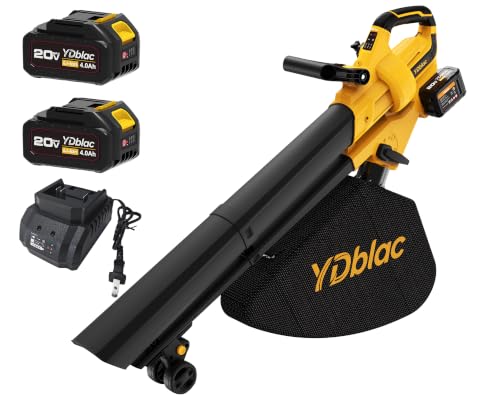
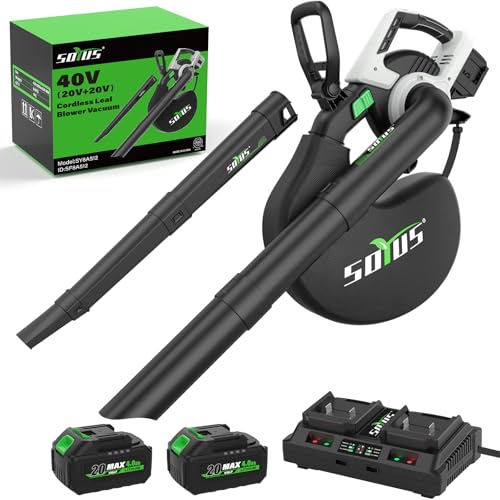
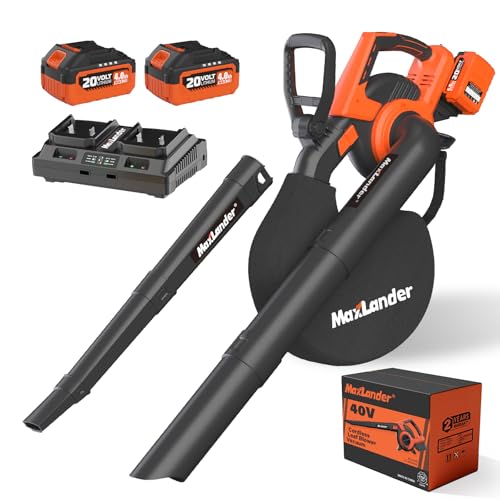
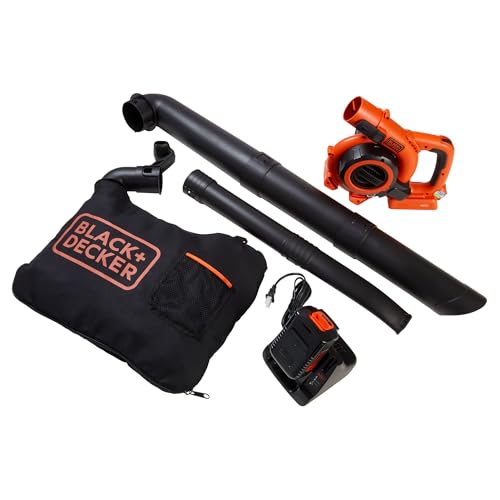
Fall cleanup gets a lot faster once you understand what actually separates a strong mulcher from a machine that just blows leaves around a yard. The best cordless leaf vacuum mulchers earn that title by how aggressively they shred material, not by horsepower alone. A high mulch ratio means fewer trips dragging a bag to the curb, and it means the leaf litter you collect actually breaks down instead of sitting whole in a bag for months. This guide focuses squarely on that shredding performance: how mulch ratio is measured, why impeller design changes the outcome, how wet weather affects results, and what to do with the shredded material once your bag fills up. If shrinking leaf volume is your priority, these are the specs worth checking before anything else.



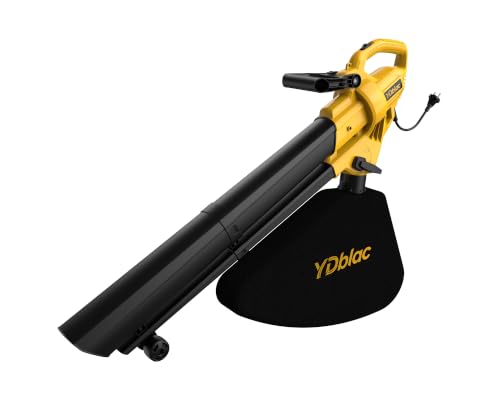
Decoding the Mulch Ratio Number on the Spec Sheet
Every mulching vacuum lists a mulch ratio somewhere in its specs, usually written as something like 10:1 or 16:1. That first number tells you how many bags of loose, whole leaves get reduced down to one bag of shredded material. A 10:1 ratio is respectable for casual yard work, while anything at 15:1 or higher counts as excellent and will noticeably cut down how often you stop to empty the bag.
That number does not come from marketing luck. It comes from impeller design, blade count, and how tightly the housing forces air and debris through the cutting path. When you compare the best cordless leaf vacuum mulchers side by side, treat the ratio like you would a fuel economy rating: it is a real, testable spec, not a vague promise. A model advertising a vague "great mulching" claim without a number attached is usually hiding a mediocre ratio.
Bag Capacity Still Matters Alongside the Ratio
A high mulch ratio paired with a tiny bag still means frequent stops. Look at the collection bag's rated capacity in gallons or liters, and picture how many passes across your yard it takes to fill it. Larger properties with mature trees benefit more from a bigger bag than from squeezing out another point or two of shred ratio.
Why a Higher Mulch Ratio Actually Saves You Work
The appeal of a strong mulch ratio is not just a bragging-rights number. Fewer bag-emptying trips mean less time walking back and forth to your compost bin or curb pile, which adds up fast during a long weekend of raking. A machine that shreds leaves down small also packs more material into each paper lawn bag, so you buy and haul fewer bags for curbside pickup in towns that require them.
There is also a quality difference in the output itself. Finely shredded leaves settle into a compost pile more evenly than whole leaves, which tend to mat together and block airflow. If you are working with a smaller yard and a tighter budget, pairing a separate budget-friendly cordless leaf blower with a dedicated mulching vacuum can sometimes make more financial sense than buying one do-everything unit.
Wet Leaves Behave Differently Than Dry Ones
Shred ratios printed on the box almost always reflect performance on dry leaves, and that distinction matters more than most buyers expect. Wet or freshly fallen leaves clump together, stick to housing walls, and jam the impeller far more easily than dry ones. Moisture also turns what should be fine, crumbly mulch into a pasty, matted clump that is harder to spread or compost evenly.
If you have to clear leaves after rain or heavy morning dew, let them dry out for an hour or two in open sun whenever your schedule allows it. When that is not possible, run the machine on a lower speed setting and check the bag more frequently, since damp material fills space faster than its dry equivalent. Expect the real-world ratio to drop noticeably below the rated number on any day with wet leaves.
Where Your Shredded Leaves Are Actually Useful
Once leaves are shredded, they have more practical uses than whole leaves ever did. Fine mulch breaks down in a compost bin in a matter of weeks rather than months, since the increased surface area speeds up decomposition. Spread directly over garden beds, shredded leaves also make a decent winter mulch layer that insulates roots and suppresses weeds without matting into a soggy barrier the way whole leaves can.
- Compost bin: shredded leaves mixed with grass clippings or kitchen scraps decompose quickly and evenly.
- Garden beds: a two- to three-inch layer of mulch protects perennials through winter.
- Curbside yard waste bags: finer material packs down tighter, so each bag holds more.
Metal Impellers Versus Plastic: Which Holds Up Longer
The impeller is the spinning component that actually shreds the leaves, and its material affects both durability and how well it survives an accidental twig or small stick pulled in with the leaves. Metal impellers generally handle small debris without cracking and tend to keep their cutting edge longer under repeated use. Plastic impellers cost less to manufacture and keep the overall tool lighter, which matters if you are holding it for long stretches.
The tradeoff is weight versus toughness. A metal impeller adds ounces that you will feel by the end of a long cleanup session, but it is far less likely to chip or snap when it encounters something harder than a leaf. If you already own or are considering a two-in-one blower and vacuum that switches modes on the fly, check whether its impeller was designed primarily for mulching or for airflow, since dual-purpose machines sometimes compromise shred quality to keep blowing performance strong.
Frequently Asked Questions
What mulch ratio should I look for in a cordless model?
Aim for at least 10:1 for casual use, and look toward 15:1 or higher if you deal with heavy leaf drop each fall. Higher ratios mean fewer bag changes and finer material for composting.
Can I run wet leaves through a mulching vacuum safely?
You can, but expect clogging and a lower actual shred ratio than the rated spec. Letting leaves dry for an hour first, or running the machine on a lower speed, reduces jamming significantly.
Do metal impellers really outperform plastic ones over time?
Generally yes for durability, since metal resists chipping when small sticks or acorns get pulled in. Plastic impellers are lighter and fine for yards with mostly clean, debris-free leaf piles.
Is shredded leaf material good for compost right away?
Yes, shredded leaves break down noticeably faster than whole leaves because of their increased surface area. Mix them with green material like grass clippings for a balanced compost pile.
How full should I let the bag get before emptying it?
Emptying around three-quarters full keeps suction and shredding performance consistent. An overfull bag restricts airflow, which lowers the effective mulch ratio and slows down cleanup.
Does a higher mulch ratio drain the battery faster?
Not directly. Battery drain depends more on motor speed and how long you run the tool, though heavier debris that strains the impeller can make the motor work harder overall.
Can I spread mulched leaves straight onto garden beds?
Yes, a two- to three-inch layer works well as winter mulch for most perennial beds. Avoid piling it directly against plant stems or tree trunks to prevent rot.
Matching Mulch Ratio to Your Actual Leaf Load
The right mulching vacuum comes down to matching its shred ratio and bag capacity to how many leaves your yard actually produces each fall. A light yard with a few ornamental trees rarely needs a top-tier ratio, while a property shaded by mature oaks or maples benefits enormously from every extra point of shredding power. When you compare the best cordless leaf vacuum mulchers against each other, let the mulch ratio and impeller material guide the decision more than any other single spec.