
Best Console Table Behind Sofa: A Sizing and Styling Guide
Disclosure: We may earn a commission when you buy through links on this page, at no extra cost to you. As an Amazon Associate we earn from qualifying purchases. Learn more

A sofa that sits with its back to the room can feel unfinished, especially if it floats away from the wall instead of hugging it. That empty strip of space behind the cushions is exactly where a best console table behind sofa pick earns its keep, adding a spot for a lamp, a stack of books, or a tray of remotes while giving the whole layout something to lean on visually. The tricky part is that not every long, narrow table works here. Get the height, length, or depth wrong and you end up with a piece that either disappears behind the sofa back or sticks out and gets in the way. This guide walks through the sizing rules, the placement decisions, and the styling choices that make this one small piece of furniture do a lot of work in a living room.
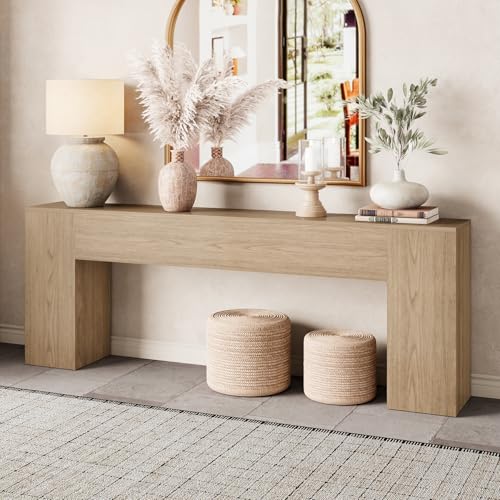
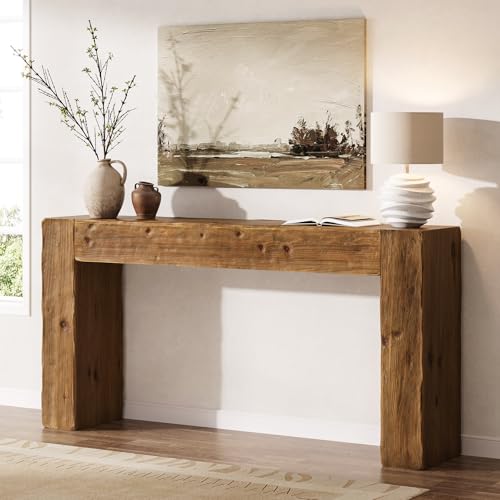
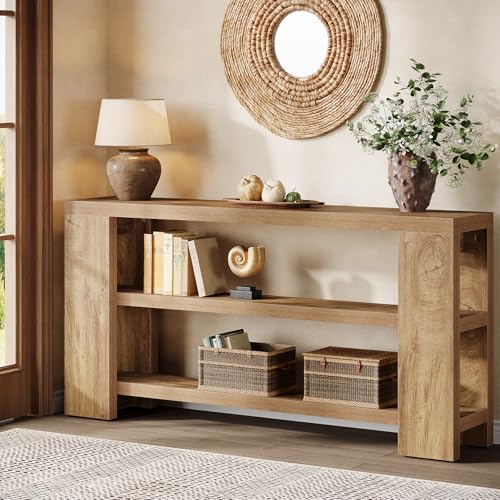
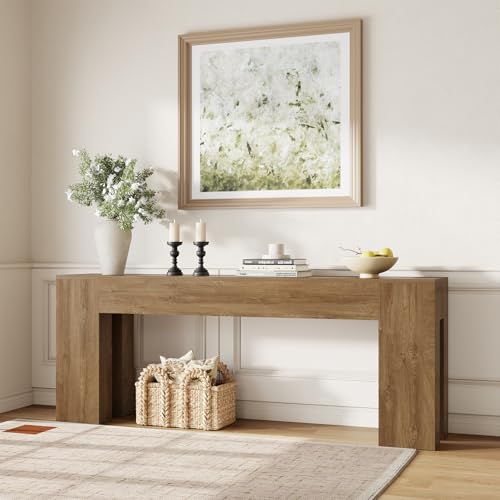
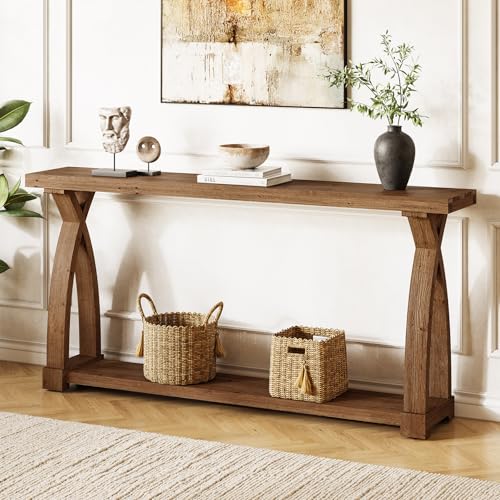
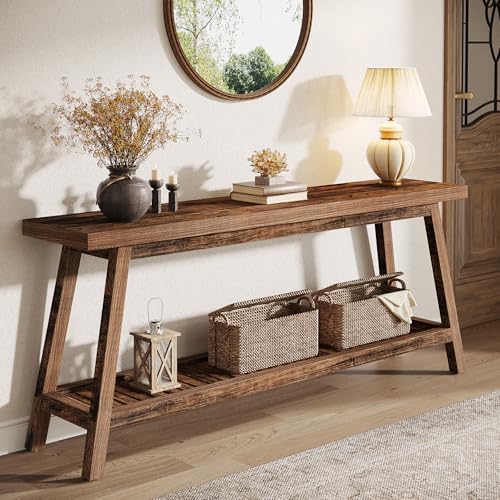
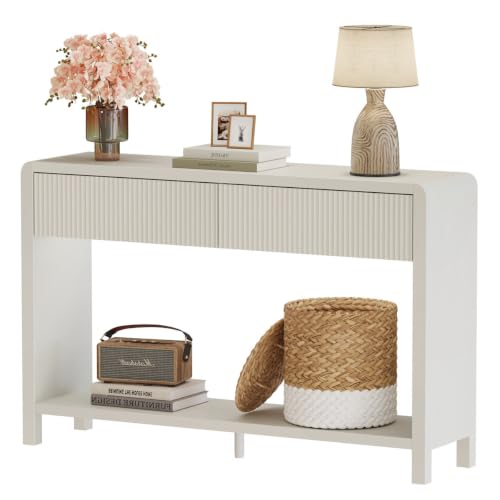
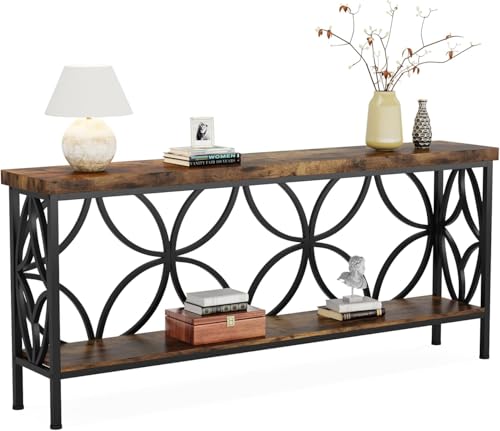
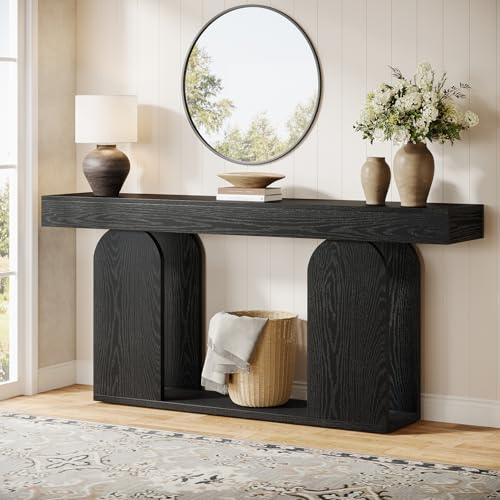
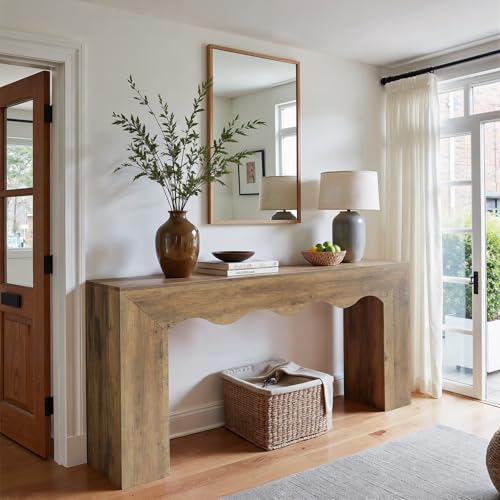
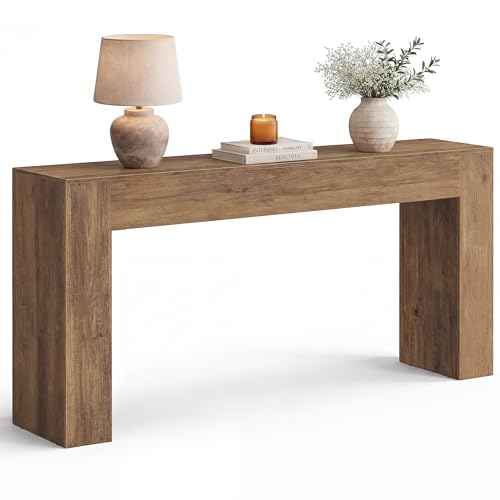
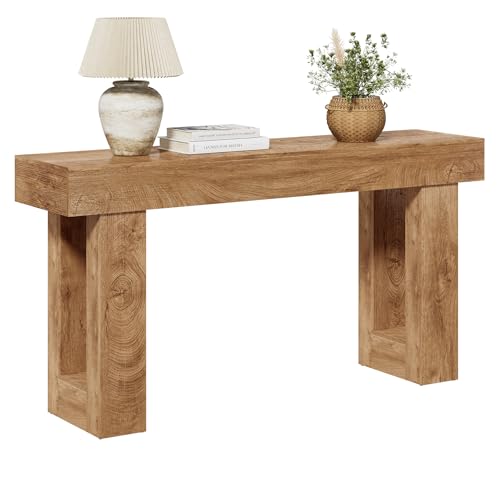
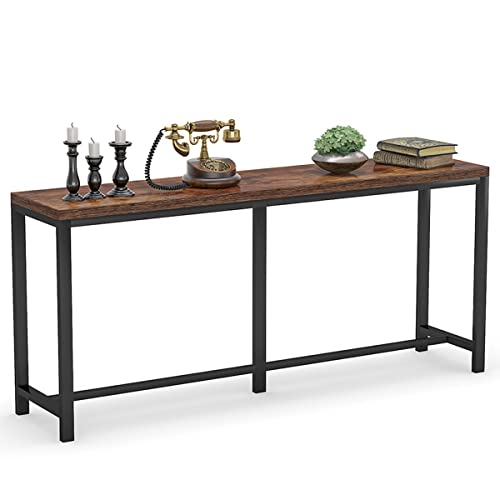

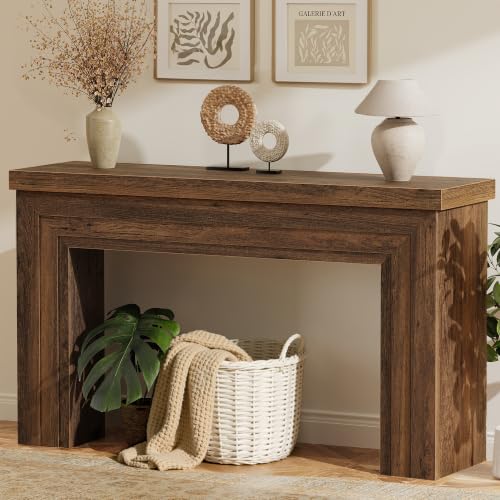
Getting the Height, Length, and Depth Right
Sizing is where most people go wrong when choosing a best console table behind sofa pick, and it's also the easiest thing to fix before you buy. Three measurements matter here, and they all relate back to your sofa's own dimensions rather than to any fixed rule.
Height: Match the Sofa Back, Don't Beat It
The table should land at or just below the top of your sofa's back cushions, generally within an inch or two. Most sofas fall in the 28 to 33 inch range at the back, so console tables built for this job tend to sit in that same window. A table that's noticeably taller looks like it's floating above the sofa when viewed from the front of the room, while one that's much shorter disappears and loses its usefulness as a surface.
Length: How Wide Is Too Wide
Aim for roughly half to three quarters of your sofa's total length. A table that runs the full width of the sofa (or longer) tends to overwhelm the piece, while something too short reads as an afterthought stuck behind one end of the cushions. If your sofa runs 84 to 96 inches, a table somewhere between 42 and 60 inches usually lands in a good proportion.
Depth: Deep Enough to Use, Shallow Enough to Walk Past
Depth is where behind-the-sofa placement differs most from a console table used in an entryway. Somewhere between 10 and 15 inches is the sweet spot: narrow enough that you're not clipping it every time you stand up, deep enough to actually hold a lamp or a tray without things sliding off the edge. Anything under about 8 inches starts behaving more like a shelf than a table, and it tips more easily under any real weight.
Console Table, Sofa Table, or End Table?
These three terms get used almost interchangeably in stores, which makes shopping more confusing than it needs to be. Knowing the difference helps you filter out the wrong shape before you waste time comparing options that were never going to fit.
Console Table vs. Sofa Table
A console table is the broader category: a long, narrow table typically used against a wall in an entryway, hallway, or behind furniture. When that same shape gets placed specifically behind a sofa, it's often called a sofa table instead, though most retailers sell them under the console table label. The practical difference is fit: a table sold specifically as a sofa table is usually built to sit lower than the back of the couch, while a general console table might run a few inches taller since it's designed with wall placement in mind first.
Console Table vs. End Table
An end table serves a completely different spot in the room. It's shorter, smaller, and sits beside a seat, arm height or lower, purely for holding a drink or a lamp within easy reach of whoever is sitting there. A console table behind sofa placement is meant to be seen and used from a standing position or from across the room, not reached for while seated. If you're weighing both pieces for the same living room, this end tables buying guide covers the sizing that matters for the seat-side spot, which is a different set of numbers than what you'll use here.
Placement: Against the Wall or Behind a Floating Sofa
Where your sofa sits in the room changes what you should be shopping for, more than most people expect going in.
When the Sofa Sits Against a Wall
If the sofa itself is pushed up against a wall, the table usually goes on the opposite side, defining a walkway or a secondary seating zone. In this setup, the back of the table can be plain since it won't be visible from either side, and you have more flexibility on style since it's not competing with a wall behind it.
When the Sofa Floats in the Middle of the Room
Open floor plans often put the sofa in the middle of the space, back turned to a hallway, dining area, or entry. This is where a console table earns its keep the most, anchoring a piece that would otherwise look adrift and giving the room a sense of division without adding a wall. Because the table's back and legs are visible from behind, look for a piece that's finished on all sides rather than one built to be pushed flush against drywall. If you're also reworking the seating itself, a look at how different sofa sets for a living room pair with open layouts can help you settle the bigger furniture question before you shop for the table that backs it up.
Styling It So It Actually Works
Once the size and placement are settled, styling is what makes the table look intentional rather than like an empty surface someone forgot to fill.
Lighting That Does Double Duty
A lamp is the single most useful item you can put on this table, since it adds ambient light to a corner of the room the overhead fixture often misses. Look for something tall enough to throw light over the sofa back, generally 28 to 32 inches, and set it toward one end of the table rather than dead center. Pairing this guide with a look at wooden table lamps can help narrow down a style that suits the rest of your living room finishes.
Layering Decor Without Blocking the View
Keep anything tall, like a lamp or a vase of branches, toward one end and let the rest of the surface stay lower profile: a stack of books, a small tray, a low bowl for keys. The goal is a table you can still see over when you're standing on the other side of the room. Overloading the surface with too many tall pieces turns the table into a visual wall instead of a grounding element.
Clearance and Mistakes That Ruin the Look
A few recurring mistakes show up again and again with this particular piece of furniture, and most of them are easy to avoid once you know to look for them. The first is leaving too little space behind the table. Aim for at least 24 to 30 inches of clear floor between the table and whatever is behind it, whether that's a wall, a hallway, or another piece of furniture, so people can walk through without bumping it. The second is setting lamps or decor too close to the sofa side of the table, where anyone leaning back on the couch can knock them over. Leave a small buffer between the table's front edge and anything breakable. The third mistake is buying based on style alone and skipping the height check against your actual sofa, which is how so many best console table behind sofa searches start in the first place, after a table that looked great online turned out to sit awkwardly high or low once it arrived.
Frequently Asked Questions
How tall should a console table be behind a sofa?
Aim for a height that matches your sofa's back or sits an inch or two below it, which usually lands between 28 and 33 inches for most standard sofas.
What's the difference between a console table and a sofa table?
They're closely related, but a sofa table specifically refers to a console-style table placed behind a couch and typically built a bit lower than the sofa back, while a general console table is often designed for wall placement first.
How long should a console table be behind a couch?
Somewhere between half and three quarters of the sofa's total length works best. For an 84 to 96 inch sofa, that generally means a table in the 42 to 60 inch range.
How deep should a console table be behind a sofa?
Between 10 and 15 inches of depth is the practical range: enough surface to hold a lamp or tray, but shallow enough that you won't bump into it when getting up from the couch.
Can you put a console table behind a sofa that isn't against a wall?
Yes, and it's actually one of the best uses for this type of table. When a sofa floats in the middle of a room, a finished-back console table gives the layout a defined edge and a place to add light and storage.
Why are console tables so short?
Their height is intentional. Sitting at or below sofa-back height keeps sightlines open across the room and keeps the table from looking like it's competing with the furniture in front of it.
How much walking space should be left behind the table?
Leave at least 24 to 30 inches of clear floor space behind the table so anyone walking through the area has room to pass without bumping into it.
Making Your Decision
The right console table behind sofa placement comes down to matching three numbers, height, length, and depth, to the sofa you already own, then choosing a piece finished appropriately for whether it will be seen from behind. Once those basics are locked in, styling is the easy part: a well-placed lamp and a few low pieces of decor turn an empty stretch of floor into one of the more useful corners in the room.