
Best Computer Chess Sets: The Buyer Checklist We Use for 2026
Disclosure: We may earn a commission when you buy through links on this page, at no extra cost to you. As an Amazon Associate I earn from qualifying purchases. Learn more

Use our buyer checklist for the best computer chess sets, covering playing strength, board sensing, build quality, warranty, and value at each price tier.
A computer chess set promises a patient opponent that is always ready for a game, but listings make very different products sound alike. Some boards sense every move automatically, others ask you to enter moves by hand, and playing strength varies from gentle to club level. This checklist for the best computer chess sets shows you how to judge each board on the points that decide whether it stays in daily use or ends up in a closet.
Work through the criteria below before you look at the comparison table below. Once you know your target strength, board size, and budget tier, the right short list becomes much shorter.


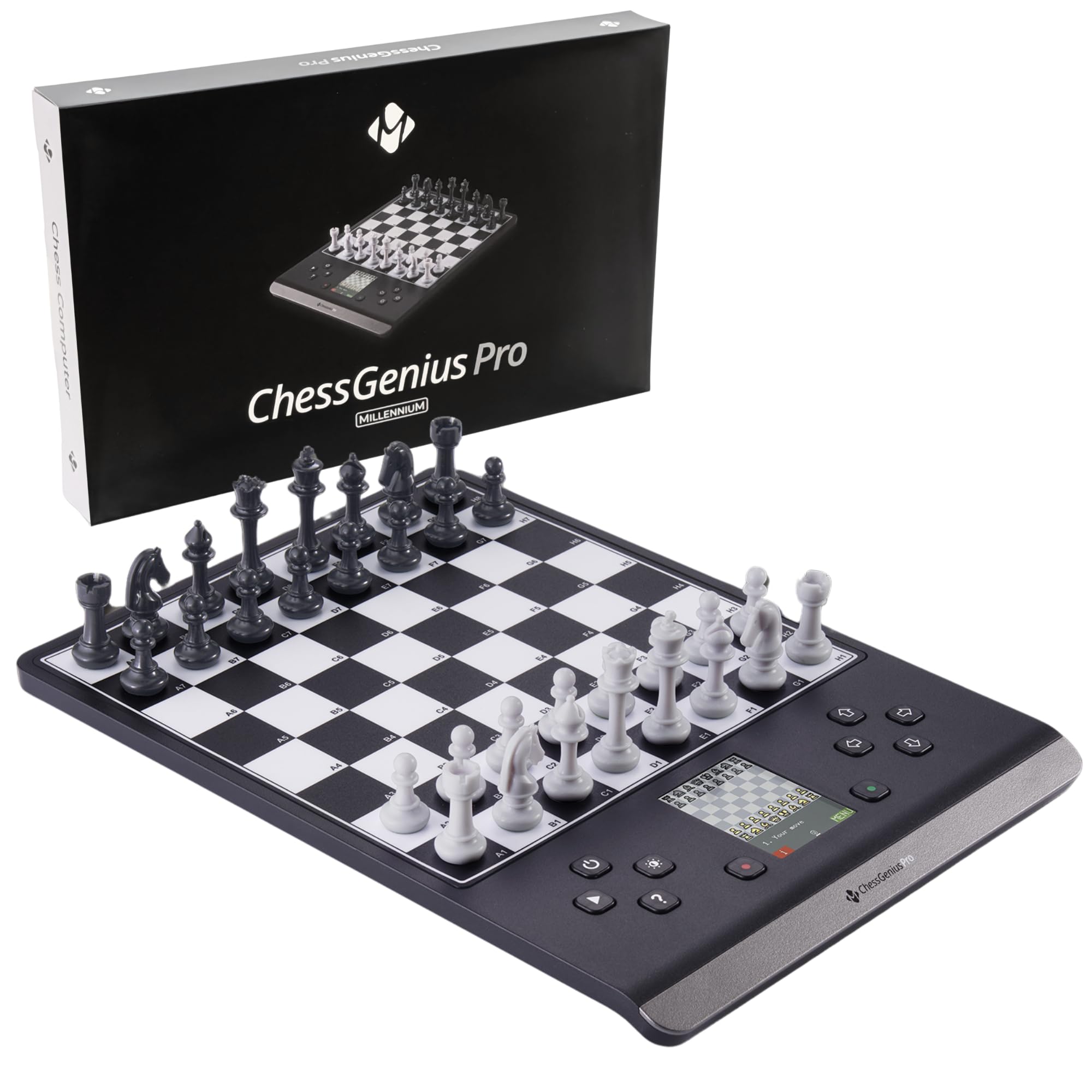

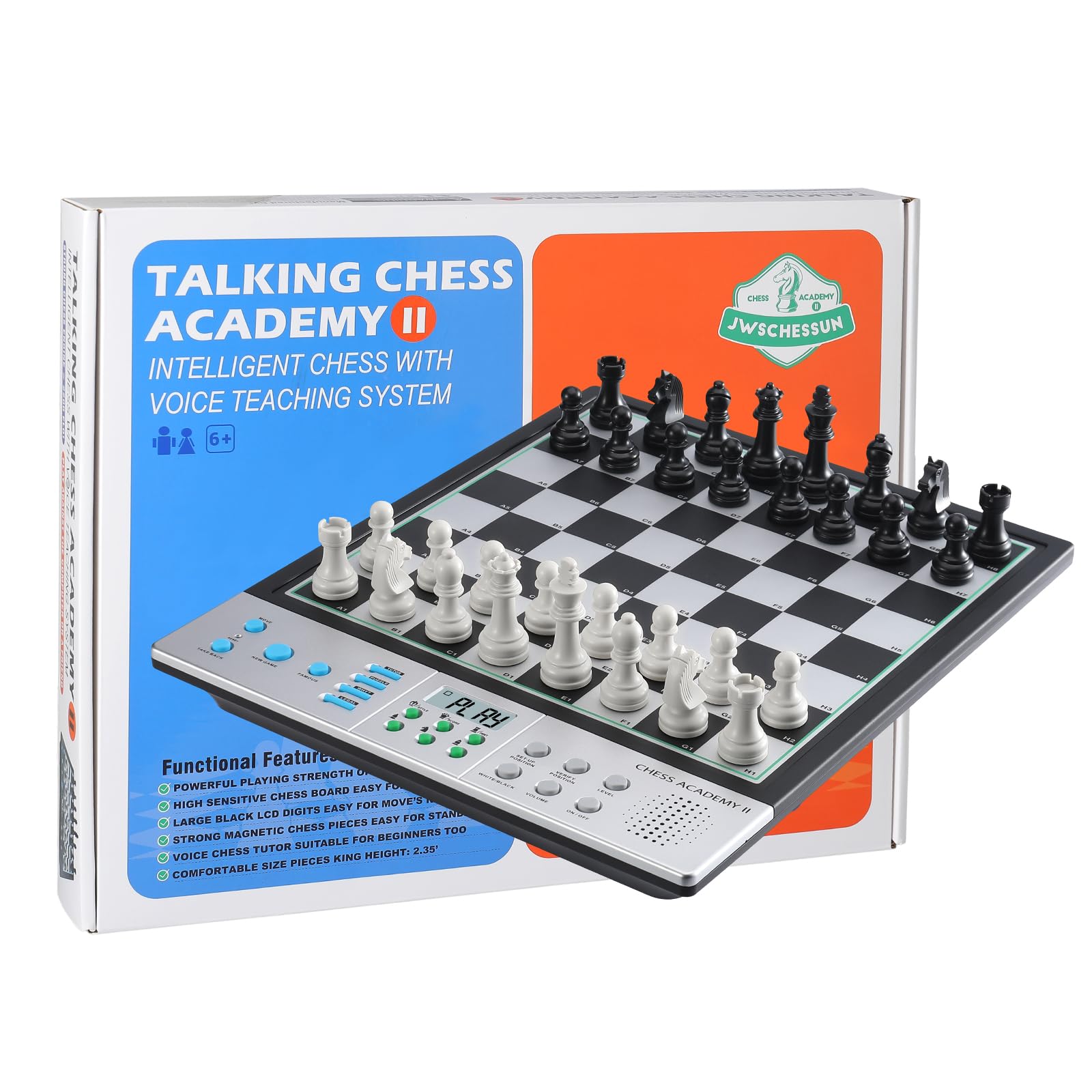

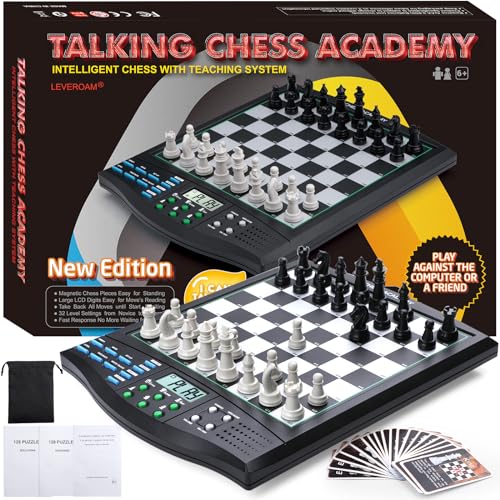

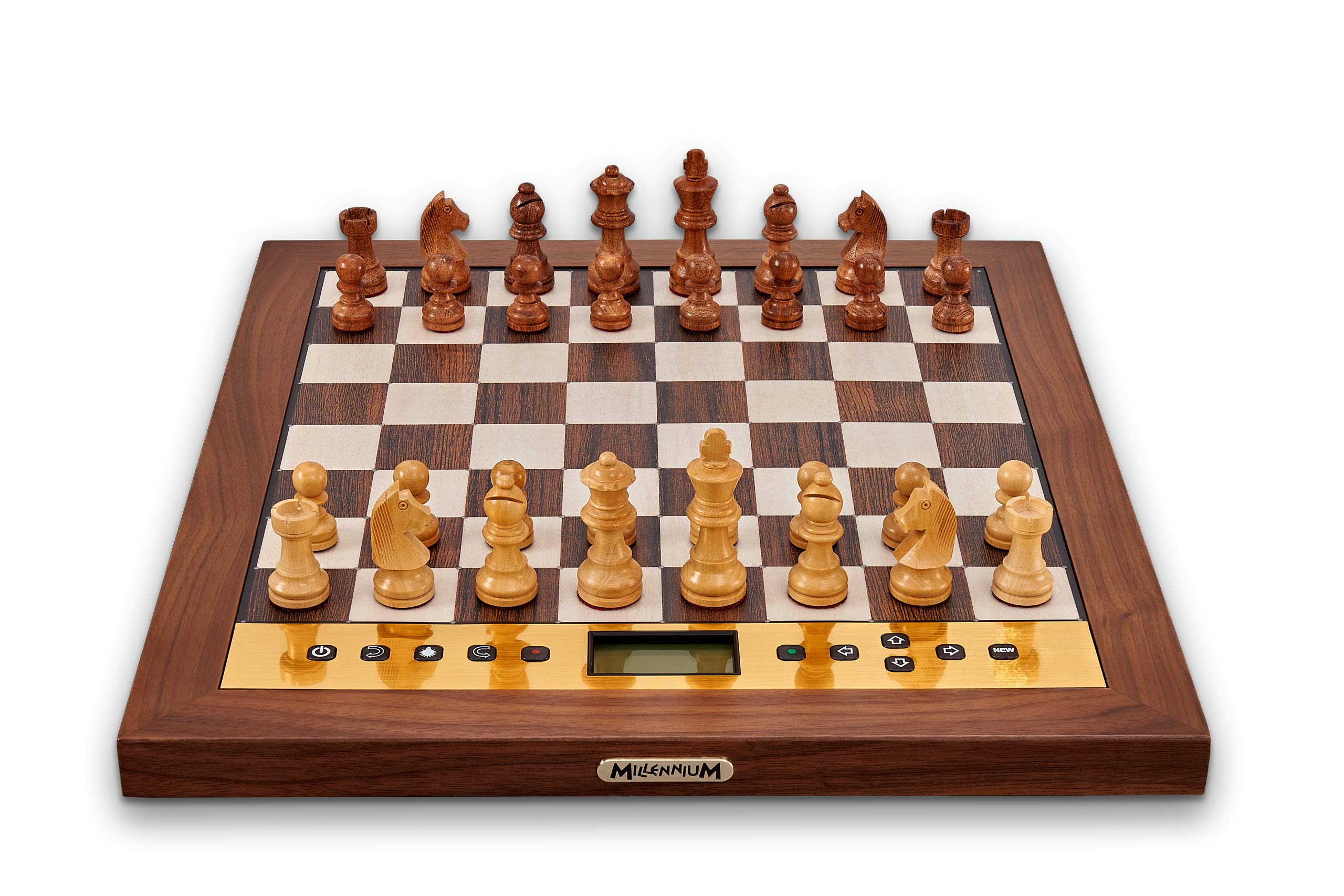
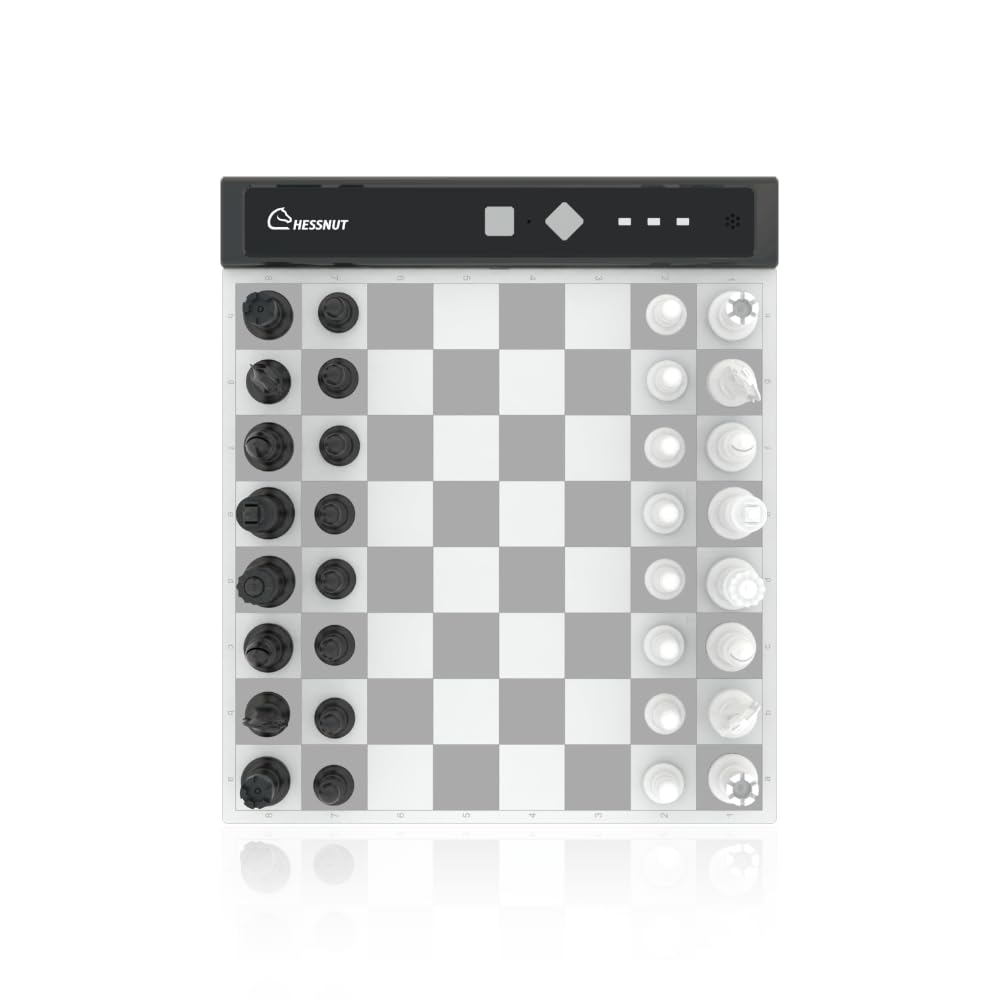
How to Evaluate Computer Chess Sets
Intended Use and Who It Is For
Start by naming the main player. A child learning the rules needs clear feedback, forgiving difficulty levels, and pieces that survive drops. An improving club player needs adjustable strength, the ability to set up positions, and honest scoring of mistakes. A casual adult who plays a few games a month needs quick setup above all. Write your main use in one sentence before shopping, because a board that delights a serious student can frustrate a beginner, and a simple teaching board will bore an experienced player within weeks.
Ease of Use and Setup
Good boards get you from box to first move in minutes. Look for piece sensing that registers moves without pressing down on squares, clear prompts on a screen or with lights, and a simple way to take back a move. Check how the board handles special moves such as castling and pawn promotion, since awkward handling there breaks the flow of real games. A printed quick start guide and an in game hint feature both signal a design that respects new owners.
Size, Weight, and Fit for Your Space
Measure the table or shelf where the board will live. Full size boards with squares of about 1.5 to 2 inches feel like real tournament play but need a large surface and dedicated storage. Compact boards suit small desks and travel, though small pieces are easier to knock over and harder for young children or anyone with limited grip strength to handle. Weight matters if you plan to move the board often. A heavy wooden board feels premium on a study desk and becomes a burden on a kitchen table that must be cleared nightly.
Warranty and Customer Support
Electronics inside a chess board face a long life of small knocks, spilled drinks nearby, and curious hands. Look for a warranty of at least one year, with two years being a reassuring sign, and check whether the maker sells replacement pieces and power supplies. Read how support is reached. A real phone number or a responsive email channel matters when a sensor fails, because a board that cannot sense one square is a board you cannot play on. Keep your receipt and register the product if the maker offers it.
Price vs Value
Budget boards, often under $100, usually rely on pressure sensing or manual move entry and offer a modest range of difficulty levels. Mid range boards, around $100 to $300, add reliable piece recognition, stronger playing engines, and better screens. Premium boards, about $300 and up, bring large wooden boards, very accurate sensing, and engines that challenge strong club players. Value means the features match your stated use. Paying for tournament strength you will never test is waste, and saving money on sensing you will curse every game is worse waste.
Safety and Certifications
Check for basic electrical safety marks from recognized testing bodies on the power supply, and confirm the board uses a low voltage adapter rather than plugging straight into wall power at the board itself. For sets bought for children, look for age grading on the box and pieces large enough to avoid choking hazards for younger siblings. Batteries should sit behind a cover secured with a screw. If a listing hides its certifications or power details, treat that silence as a reason to choose a different board.
Build Quality and Materials
Run your eye over the details you can verify. Pieces should sit flat, feel weighted rather than hollow, and match the square size with room to spare. A board surface that flexes under light pressure will not age well. Wooden boards cost more and reward care, while molded plastic boards shrug off family use. Compare materials against the finest traditional boards in our guide to the best chess sets if you want a sense of what good piece shaping and board finishing look like without any electronics involved.
Three Price Tiers to Compare
The tiers below replace a simple ranking. Use the product table above to match real boards against the tier that fits your budget, then check each candidate against the full criteria in the section before this one.
Mid to Upper Tier
The strongest all around boards sit in the mid to upper price range, around $200 to $400. At this level you should expect automatic piece sensing that rarely misses a move, an engine with many graded levels from beginner to strong club play, and a board big enough for comfortable adult hands. A clear display, game saving, and the option to replay or export games are fair expectations too. The main limitation at this tier is cost, plus the fact that boards this capable often need a permanent home on a desk or side table.
Value Tier
Value boards, around $100 to $200, keep the features that matter most and trim the extras. Expect dependable sensing on most moves, enough difficulty levels for learners and intermediate players, and a plastic or wood effect board rather than solid wood. You give up some engine depth, larger screens, and the finest piece finishing. For a first computer board or a family purchase, this tier usually delivers the most chess per dollar, and it leaves room in the budget for a carry case and a good beginner book.
Premium Tier
Premium boards at about $400 and above compete on craftsmanship as much as computing. Look for solid wood construction, pieces that would not look out of place among the best luxury chess sets, and sensing so smooth that moving pieces feels like playing on an ordinary board. Engines at this level can be set to play far above most human owners, and training tools grow deeper. The limitation is simple. You pay a lot for beauty and polish, and the electronics inside will age faster than the wood around them, so buy premium for the playing experience, not as an investment.
Quick Buyer Checklist
- Can the board sense moves automatically, without pressing pieces down?
- Does the difficulty range cover your current level and one or two levels above it?
- Will the board fit the table where it will actually live?
- Can you set up a custom position for study or teaching?
- Does the warranty run at least one year, with spare pieces available?
- Is there a hint or teaching mode if a learner will use it?
- Does it run on batteries, an adapter, or both?
- Can you take back moves and save an unfinished game?
Red Flags to Watch For
Walk away from listings with vague strength claims such as a grandmaster level engine with no rating scale or level details behind the claim. Missing warranty terms, no named maker, and no way to buy replacement pieces all predict trouble later. Be cautious when reviews praise the board in identical wording across many posts, or when every review mentions delivery speed and none mention sensing accuracy. A very short return window is another warning, because sensing faults often appear in the second week of play, not the first.
One more flag deserves attention. If the photos show pieces that crowd their squares or a board that looks warped at the edges, expect the physical product to feel cheap in your hands. Chess is a tactile game, and small annoyances repeat every single move.
Tips to Get the Most From Your Computer Chess Set
Read the manual before first use, especially the sections on setting up positions and adjusting strength, because those features hide in menus you will not find by guessing. Clean and inspect the board regularly with a dry cloth, keep drinks a safe distance away, and store the set in a dry place away from direct sun. Play at a level slightly above comfort rather than far below it. Losing narrowly teaches more than winning easily, and most boards let you take back a blunder so a lesson does not have to end the game.
FAQs
Are expensive computer chess sets worth it?
They are worth it when you use what the money buys, namely smoother sensing, stronger and better graded opposition, and a board you enjoy touching. If you play twice a month at a casual level, a mid range board gives you nearly the same pleasure. Spend up when you study seriously or want the board to serve as furniture grade decor, as collectors of the best chess sets ever made often do.
How do I maintain a computer chess set?
Wipe the board and pieces with a dry or barely damp cloth, and never spray cleaner directly onto the surface, where liquid can reach the sensors. Check the power contacts and battery compartment every few months for dust or corrosion. Store the pieces in their tray or a soft bag so the sensor bases, on boards that use them, stay clean and unscratched.
How long does a computer chess set last?
A well kept board commonly lasts five to ten years of regular play. The electronics usually fail before the cabinet does, with sensors and power supplies being the weak points. Longevity improves when the maker still sells parts and honors repairs, which is why support quality appears on the checklist beside playing strength rather than as an afterthought.
What features matter most when buying computer chess sets?
Reliable move sensing matters most, because every other feature depends on the board knowing where the pieces are. Next come a difficulty range that brackets your level and an easy way to set up positions. Screen clarity, game saving, and teaching tools follow. Decorative extras such as voice announcements rank last, since they add cost without improving your chess.
How much should I spend on a computer chess set?
Most buyers land happily between about $100 and $300. Below that range you accept slower or fussier move entry. Above it you pay mainly for craftsmanship and maximum engine strength. Set the budget after deciding who will play and how often. A board used daily earns a larger budget than one bought for a holiday gift that may see weekly use.
Final Thoughts
Judge every candidate by sensing reliability, honest difficulty levels, and support you can reach, and let price tier follow from your answers. Check the boards in the product table above against the quick checklist before you order. Chosen that way, the best computer chess sets stop being a gamble and become a long term playing partner for you or the learner in your home.


