
Best Complex LEGO Sets: Buying Guide for 2026
Disclosure: We may earn a commission when you buy through links on this page, at no extra cost to you. As an Amazon Associate I earn from qualifying purchases. Learn more

Complex LEGO sets for patient builders: how piece count, age label, build time and display size decide which set to take on.
A complex build is a joy when the challenge matches your patience and your table space, and a frustration when it does not. This guide helps you judge best complex lego sets by piece count, technique, and finished size so you pick a project you will actually finish. You will learn how age labels work, how to plan build time, and how to store thousands of small parts without losing the pieces that matter.
Use the comparison table below to shortlist by theme and size, then check the criteria here against your experience and your space at home. That two step approach works for a gift, a family project, and a personal display build alike.

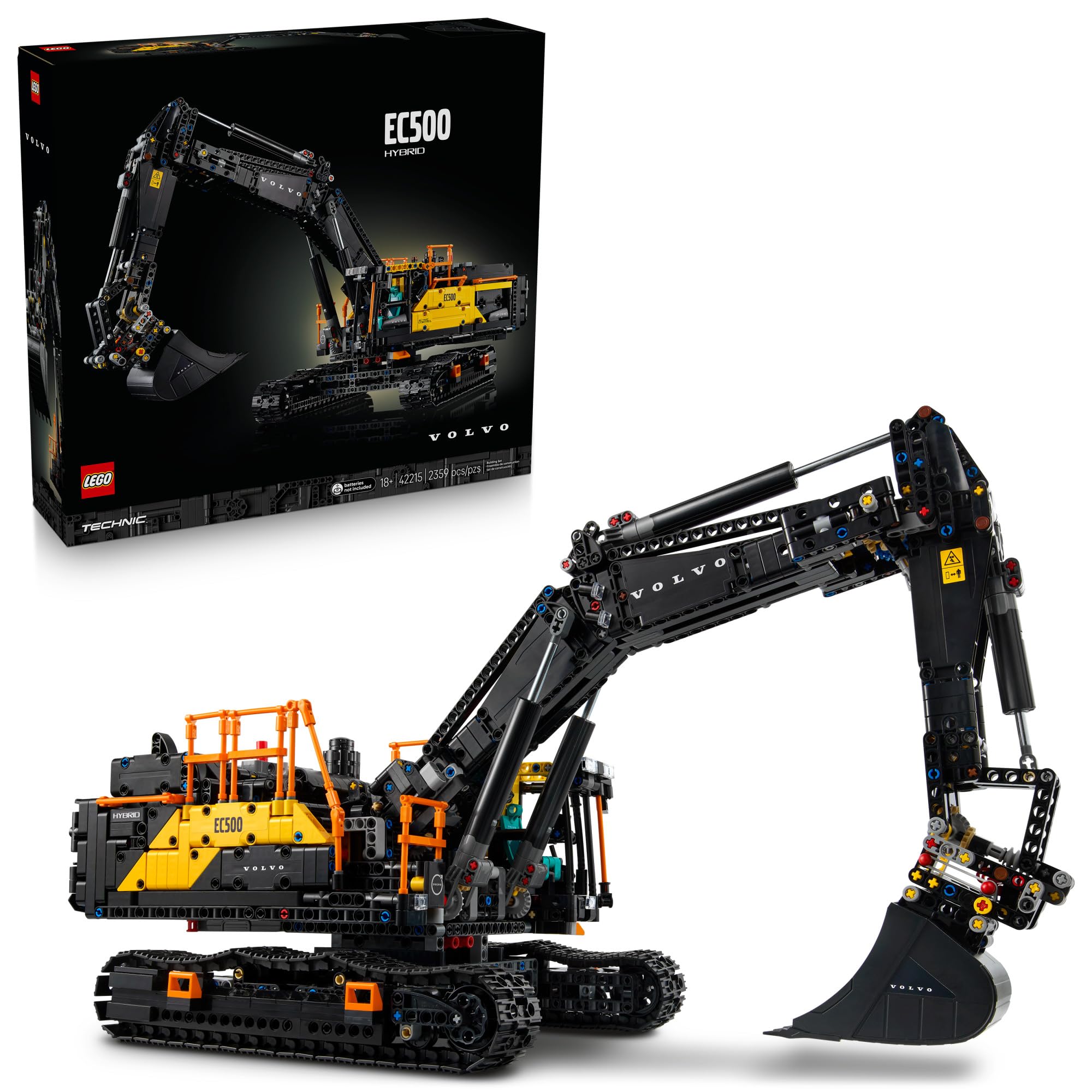

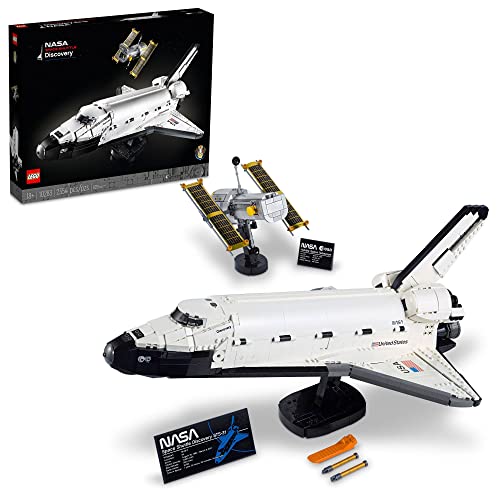




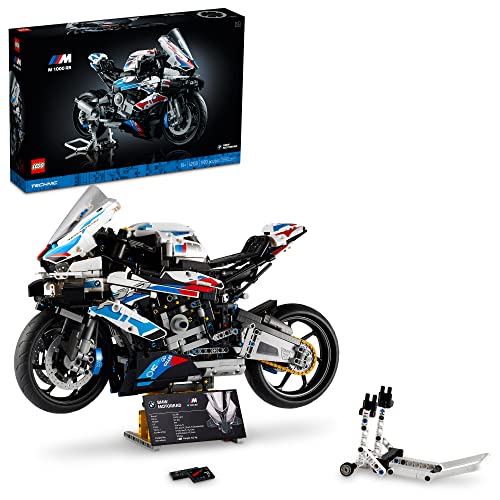


Three Buying Priorities at a Glance
What a Balanced Complex Build Should Offer
A balanced complex build offers varied techniques across its stages, clear instructions that group parts into numbered bags, and a finished model that feels sturdy when you move it. Expect roughly 1,000 to 3,000 pieces for a satisfying main project that takes several evenings. Around $100 to $250 is a common range at this scale. The limitation is time, because a balanced build still asks for steady focus and a table you can leave set up between sessions without pieces being disturbed by pets or young children.
What a Smart Value Build Should Offer
A smart value build keeps the piece count honest, uses standard parts in clever ways, and delivers a displayable result without licensed theme pricing driving the cost up. Look at cost per piece as a rough guide, while remembering that large specialty parts lower the count without lowering the fun. Around $60 to $120 can buy a rewarding build if you choose technique over sheer size. The trade off is often a smaller finished model and fewer rare colors, which matters little if your goal is the building experience itself rather than a centerpiece.
What a First Complex Build Should Offer
A first complex build should raise the challenge gently, with stages that finish in about an hour each and techniques introduced one at a time. Sets near 500 to 1,000 pieces with sturdy connections and few tiny decorative parts suit builders stepping up from simple sets. Clear bag numbering and a spare parts cushion help new builders recover from small errors. Choose a subject you love, because interest carries you through the careful sections. Confidence built on a finished model is worth more than an abandoned giant set on a shelf.
How to Choose the Best Complex LEGO Sets: Buying Guide
Age Range and Skill Level
Age labels on complex sets reflect building stamina, piece size, and instruction density more than intelligence. A set marked 18 plus usually signals a display model with long sessions and many small parts, not a safety limit for adults. Sets for ages 9 to 14 balance challenge with play features and shorter stages. Toy safety standards cover the parts themselves, but complex sets still demand patience. Match the label to the builder who will do most of the work, not to the oldest person who might help once.
Educational Benefits
Complex builds develop spatial reasoning, sequencing, and fine motor control as you rotate a model, read three dimensional steps, and place parts with precision. Those STEM linked skills grow naturally because a missed step shows up as a gap or a leftover part you must trace back. Building with a partner adds planning and communication, since one person can sort and find parts while the other builds. The benefit is strongest when the builder works at the edge of comfort, finishing stages with effort rather than rushing through a set that is far too easy.
Number of Pieces, Players and Play Time
Piece count is the best rough guide to build time. Detailed models take longer per piece than simple ones, and sorting adds time, while repetitive sections go faster. A 2,000 piece set is therefore a project for several evenings, best split across several sessions. Most complex sets are designed for one builder, though two people can share sorting and building roles well. If the finished model is for play rather than display, check moving parts and access points, because display models can be fragile in young hands.
Durability and Storage
Durability depends on how the model connects internally, not just on total size. Long beams, overlapping plates, and a solid core make a model safe to lift, while tall models built on narrow bases tip easily. Before you buy, check the finished dimensions and measure your shelf depth and height. For parts storage during a build, shallow trays or sorting boxes keep colors separate and speed finding. Readers building a wider collection can see our guide to the best lego sets for how standard and complex sets sit together in one hobby budget.
Gift Worthiness and Price
A complex set makes a strong gift when you know the recipient enjoys long projects and has space to display the result. Price rises with piece count, licensing, and rare parts, so a theme the recipient loves can justify a premium while a neutral subject cannot. Around $80 to $200 suits most gift occasions at this level. Include a simple storage box or display stand budget if the set is large, because presentation completes the gift. When in doubt, a mid sized set in a favorite theme beats a huge set in a subject the builder finds dull.
Safety (Small Parts, Materials)
Small parts are the main safety point in complex sets. They present a choking hazard for children under 3 years old, and many complex sets contain parts small enough to concern children under 5 as well, so store loose pieces out of reach of toddlers and pets. Keep build tables separate from play areas for very young children, and sweep the floor after each session, because a single dropped piece is easy to miss. If a set is a gift for a mixed age household, tell the giver plainly that the set is a teen and adult project, not a shared toddler toy.
Types of Complex LEGO Sets
For Young Kids
For young kids who are ready to step up, choose the simpler end of complex, roughly 300 to 600 pieces, bright colors, and sturdy play features. These sets build focus in short sessions with an adult nearby to help with tight connections. They suit ages about 7 to 10 who already finish standard sets alone. Avoid display models with many tiny ornaments, because young builders want to play with the result and fragile decoration breaks that fun quickly.
Family and Group Picks
Family and group builds work best when the model divides into clear sections, such as separate buildings, vehicles, or floors, so each person owns a stage. Modular and scene based sets shine here, and numbered bags let you run two mini builds in parallel. They suit households that build together on weekends. The drawback is coordination, because one lost shared part can stall everyone, so a family sorting tray and a rule about returning spares to one bowl keeps the project moving.
For Adults and Collectors
Adult and collector sets focus on display, advanced technique, and subjects like architecture, vehicles, and botanical scenes. Piece counts often pass 2,000, sessions run long, and the finished model is meant for a shelf, not a playroom floor. They suit patient builders who enjoy process as much as result. Fans of the wider hobby may enjoy our guide to the best lego sets ever for context on which designs collectors talk about most, and our guide to the best retired lego sets explains why some finished models gain value once production ends.
Care and Maintenance Tips
- Check age labels and small part warnings. Confirm the set fits the builder and the household before the box is opened and pieces spread across a table.
- Store pieces in labeled bins. Sort by color or size during a build, and store spare parts in a labeled bag so a lost piece can be replaced fast.
- Clean toys regularly. Dust display models with a soft brush, and wash loose standard bricks in lukewarm soapy water, then air dry fully before storage.
- Rotate toys to keep play fresh. For play focused sets, rotating models in and out of storage renews interest without buying more.
- Keep instructions safe. Store the book flat or save the digital version, because rebuilding and repair both depend on it.
Theme fans who build with younger family members can also look at our guide to the best lego ninjago sets for action themed sets that bridge play and display.
Frequently Asked Questions
Is a complex LEGO set worth the price?
Yes, a complex set is worth the price if you value the building hours as part of the entertainment, not just the finished model. Cost per hour is often low compared with other hobbies, because a large set gives many evenings of focused activity and a display piece at the end. The value drops if the set sits unopened or is abandoned midway, so buy at a size you will finish. Resale value varies and should be a bonus, never the main reason to buy.
What age is a complex LEGO set best for?
Complex sets are best for builders about 10 years and older, with the largest display sets aimed at teens and adults. The right age depends more on patience and prior building experience than on the birthday itself. A focused 11 year old who finishes 800 piece sets alone is ready for more, while a casual adult builder may prefer a mid sized set. Use the box label as a starting guide, then adjust for the individual builder and for session length at home.
Is a complex LEGO set a good gift?
Yes, it is a good gift when the recipient enjoys projects, has table space for a build in progress, and likes the subject. A set tied to a favorite theme shows thought and gives a clear place in their home once finished. Add a note offering a shared build session if the gift is for a family member, because time together raises the value of the gift. Avoid giving a very large set to someone in a small space without checking display room first.
How long does it take to finish a complex LEGO set?
Most complex sets take about 4 to 15 hours in total, depending on piece count, sorting habits, and how detailed the model is. Builders who sort parts before each stage work faster and make fewer errors than builders who search a single mixed pile. Plan sessions of one to two hours to keep focus high, and stop at a bag boundary when you can. Rushing the final stages is the most common cause of a misplaced part that forces a partial rebuild.
The Bottom Line
Match piece count to your available time, match the age and skill label to the real builder, and confirm the finished size fits your shelf before you order. Those three checks matter more than theme hype or box art. Look at the product table above with them in mind, and best complex lego sets become a clear choice between a weekend project, a family build, and a long display centerpiece you will be proud to finish.


