
Best Complete Poker Sets for Every Need: How to Pick the Right One for 2026
Disclosure: We may earn a commission when you buy through links on this page, at no extra cost to you. As an Amazon Associate I earn from qualifying purchases. Learn more

Complete poker sets for home games: match chip count, denominations, chip feel and case strength to your group size and stakes.
There is no single set that suits every game night, because a small travel game, a regular home game, and a larger tournament style night all need different chip counts and extras. This guide helps you sort best complete poker sets by how you will actually play. You will learn what chip weight feels right, how many chips you really need, and which case and card choices hold up over time.
Start with your group size and your usual stakes, then use the comparison table below to check chip counts, denominations, and case quality against those needs. That order prevents the most common regret, buying a handsome case that holds too few chips for your table.
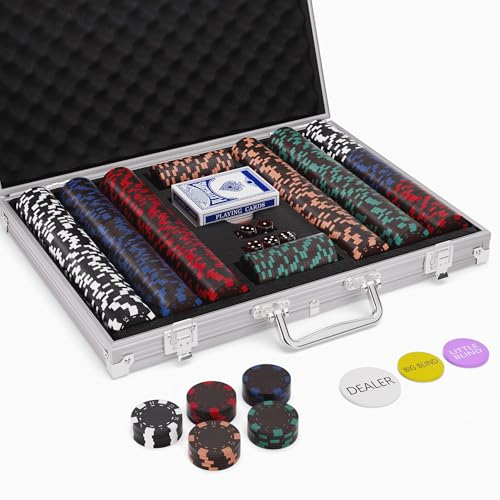

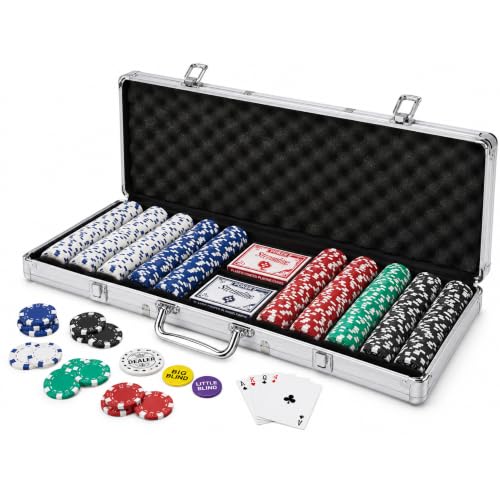
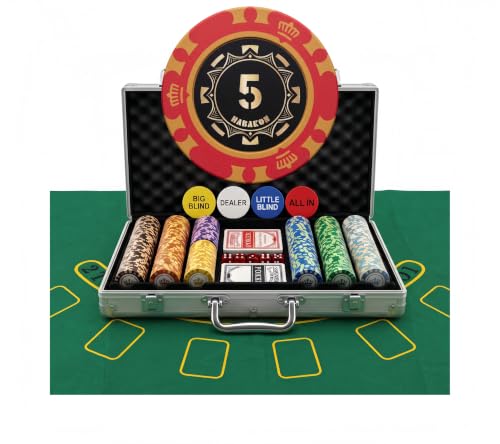
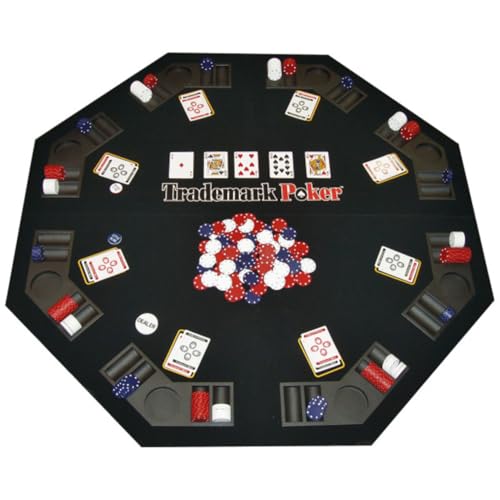


Who Should Buy Which Complete Poker Sets?
For Gift Shoppers
A gift set should look complete the moment the case opens, with chips, two decks of cards, dealer and blind buttons, and dice if the set includes them, all in fitted slots. Choose neutral colors and printed denominations so the recipient does not need to explain values to guests. A sturdy case with a working handle matters more than exotic chip art, because the set will be carried to other homes. Include a gift receipt when you can, since chip count preference is personal and an easy exchange protects your gesture.
For First Time Buyers
First time buyers should favor simple, reliable sets that teach the game without friction. A 300 chip set suits most home games of up to six or seven players and keeps the cost sensible while you learn. Printed denominations, standard colors, and plastic or composite chips that shuffle cleanly will serve you well. Avoid novelty themes that make values hard to read under warm indoor light. Your priority is a game that starts fast, with blinds and chip values that everyone at the table can follow without constant questions.
For People Who Want the Best Performance
In poker, performance means chips that stack without sliding, feel balanced in the hand, and hold their edges after many shuffles. Heavier clay composite chips (many sets list 11.5 grams per chip) give that solid feel and a muted clink that many regular hosts prefer. Look for sharp edge spots, consistent thickness, and cards that glide rather than stick. A reinforced aluminum or wood case with strong hinges protects that investment. You pay more for consistency across every chip, not just for a larger count that you may never use.
Key Features to Compare
Price vs Value
Budget sets around $30 to $60 usually give you lighter plastic chips, a basic case, and cards you will replace soon. Mid range sets around $60 to $120 add heavier composite chips, better case hardware, and more durable cards, which is the sweet spot for most home hosts. Premium sets above around $120 focus on clay feel, refined printing, and wood cases. Value is not cost per chip alone. A set with the right denomination mix you use every night is worth more than a larger set full of chips that stay in the tray.
Intended Use and Who It Is For
Match the set to the game you host most often, since the best complete poker sets differ by group size. Cash style home games need flexible low denominations and enough small chips for frequent bets, while tournament play needs a wider spread of values as blinds rise. Travel use calls for a smaller, lighter case and fewer chips that still cover four players. If you teach new players often, high contrast denominations and a simple color scheme reduce errors. Readers comparing broader options can see our guide to the best poker sets for how standard sets differ from complete kits with buttons and cards included.
Key Performance Specs
The specs that matter are chip count, chip weight, chip material, and denomination layout. Plan on roughly 50 to 80 chips per player for a comfortable game without constant change making. Clay composite feels most like casino chips, metal core plastic adds weight at lower cost, and plain plastic is lightest and cheapest. Check that the set includes enough high value chips for late tournament stages, not just stacks of the lowest value. Card quality counts too, because bent or sticky cards slow dealing and show marks that can affect fairness.
Maintenance and Long Term Costs
Long term costs are modest but real. Playing cards wear out first and should be budgeted as a recurring replacement, especially paper cards that crease and absorb moisture. Chips last for years if you keep them dry and avoid dropping them on hard floors, where edges can chip. Cases fail at hinges and latches, so a stronger case now can avoid a full replacement later. Keep a small reserve for extra decks, a replacement dealer button, and a soft cloth for wiping oils from chips after long sessions.
Common Mistakes to Avoid When Buying Complete Poker Sets
- Looking only at total chip count. A 500 chip set with a poor denomination mix can play worse than a balanced 300 chip set for your group size.
- Ignoring price vs value. The cheapest case often has weak latches that spill chips in transit, turning a saving into a mess.
- Buying too large or too small. Oversized cases are heavy to carry, while undersized sets force constant change making that slows the game.
- Skipping the warranty and return terms. Check what happens if chips arrive cracked or the case arrives dented, and keep the packaging until you have inspected every tray.
- Choosing unreadable chip designs. Dark printing on dark chips looks stylish in photos and causes miscounts at a real table.
Setup and Care Tips
Read the manual or insert before first use if your set includes game rules or chip value charts, and agree on values with your group before cards are dealt. Sort chips by denomination into the trays, count each stack once, and note any short stacks so you can contact the seller promptly. Clean and inspect regularly, wiping chips with a dry or slightly damp cloth and checking cards for bends or marks.
Store the set in a dry place away from direct heat, with the case latched and lying flat so hinges are not strained. Keep drinks off the playing surface when you can, and replace a marked deck at once to keep games fair. A simple habit helps, count chips back into starting stacks at the end of the night so losses are spotted while guests still remember what happened.
Complete Poker Sets: Your Questions Answered
How long does a complete poker set last?
A complete poker set can last many years because chips and buttons have no moving parts to wear out. The case and the cards set the real lifespan, with cards often needing replacement after a season of regular play and case hinges loosening over time. You can extend life by storing chips flat and dry and by rotating two decks so neither is overused. If individual chips crack, many hosts replace just that color rather than the whole set.
Are expensive complete poker sets worth it?
Expensive sets are worth it if you host often and care about how chips feel, stack, and sound in play. The upgrade buys consistent weight, cleaner edges, and a case that survives travel. For a few games a year, that difference is pleasant but not essential, and the money may be better spent on a good playing surface. A useful test is how often you handle the chips, because frequent shuffling and stacking makes small quality gaps obvious within one evening.
How much should I spend on a complete poker set?
Most home hosts do well spending around $60 to $120 for a balanced set with solid chips and a dependable case. Spend less if you are learning and unsure the hobby will stick, and spend more only when group size or hosting frequency demands it. Remember to leave room in the budget for replacement cards and a simple table cover if your surface is slick. Total cost of ownership stays low after the first purchase, which makes buying the right size once the smartest saving.
What features matter most when buying complete poker sets?
Chip count matched to player count, a denomination mix that fits your stakes, and readable printing matter most. After that, look at chip weight and material for feel, and case strength for storage and travel. Cards and buttons are easy to replace, so do not let a fancy extra outweigh a poor chip layout. A practical check is to simulate your starting stacks on paper, if you cannot build equal stacks for your usual group, the set does not fit your game.
How do I maintain a complete poker set?
Maintain your set by wiping chips after use, keeping them dry, and storing the closed case flat in a cool spot. Inspect cards before each game and discard any deck with bent corners or visible marks. Tighten loose case screws early, because a wobbling hinge puts stress on the latch. Avoid harsh cleaners on printed chips, since strong chemicals can fade denominations. A soft microfiber cloth and plain water handle almost all routine cleaning without risk to the finish.
Wrapping Up
Choose by player count and denomination mix first, chip feel second, and case strength third, and you will avoid most regrets. Match the price tier to how often you host, and use the product table above to confirm counts before you order. With those checks, best complete poker sets stop being a guess and become a simple fit for the game you actually run, whether that is a relaxed family night or a regular table of serious friends.


