
Best Company for Sandals: Who Makes the Most Reliable Models for 2026?
Disclosure: We may earn a commission when you buy through links on this page, at no extra cost to you. As an Amazon Associate I earn from qualifying purchases. Learn more

A first time buyer guide to the best company for sandals, covering fit, arch support, traction, materials, and returns so you can choose with confidence.
If you are buying sandals seriously for the first time, brand choice can feel confusing. One company is famous for hiking, another for soft footbeds, and a third for leather that lasts for years. This guide helps you judge the best company for sandals by fit, support, traction, and returns, and the product table at the top of the page gives you a quick view of current options.
You will learn how to measure your feet, what a good break in period feels like, and which features matter for your daily ground, whether that is city pavement, beach paths, or long shifts on hard floors.


What Makes a Great Sandal Brand?
A great sandal company designs for real feet. That means more than one width where possible, clear sizing charts with foot length in centimetres, and footbeds shaped to support the arch instead of flat foam that packs down in a month. Look for honest guidance about who a model suits, including notes for flat feet or high arches, rather than claims that one sandal suits everyone.
Durability and repair separate strong brands from the rest. Better companies use outsoles that resist wear, straps that do not stretch out quickly, and buckles or hook and loop closures that can be replaced or adjusted. Some offer resoling or repair services for leather models, which extends life and reduces waste. A clear warranty against defects in stitching and sole bonding is a practical sign of confidence.
Returns matter because sandal fit is personal. A company with a fair trial or return window, and free or low cost size exchanges, lowers your risk when ordering online. Read the fine print about worn returns, since some brands allow a short indoor trial only. If foot pain is part of your decision, talk with a clinician or podiatrist about your personal needs, especially if pain persists beyond a normal adjustment period.
Features That Matter for Sandals
Sandals need secure straps, a supportive footbed, and an outsole matched to your ground. Look for adjustable straps over the toes and ankle so swelling later in the day does not cause rubbing. Cushioning should feel supportive rather than spongy, and the toe box should let toes spread naturally. If you walk near water, choose materials that dry fast and straps that keep grip when wet.
Fit, Sizing, and Toe Box
Measure your feet in the afternoon, when they are at their largest, and stand while measuring for true length. Your heel should sit inside the footbed edge, and toes should not hang over the front. A wide toe box helps comfort on long walks and suits bunions or wider feet. If you are between sizes, follow the brand chart for that model, because sandal sizing varies more than shoe sizing.
Outsole Traction and Terrain
On smooth city floors, a flat rubber outsole with fine texture grips well and wears slowly. On trails or wet rock, deeper lugs around 3 to 4 mm and a grippy rubber compound give more security, though they can feel firm on pavement. Water sandals often add drainage and quick drying straps. Match the outsole to where you walk most, not to the roughest trip you might take once a year.
Top Brands at a Glance
Instead of a single winner, think in company types. Use the product table at the top of the page for current models, then use the types below to match a maker to your feet and routine. First time buyers usually do best with a company that offers easy exchanges and a model aimed at their main use, not the most specialised design in the range.
Comfort Footbed Companies
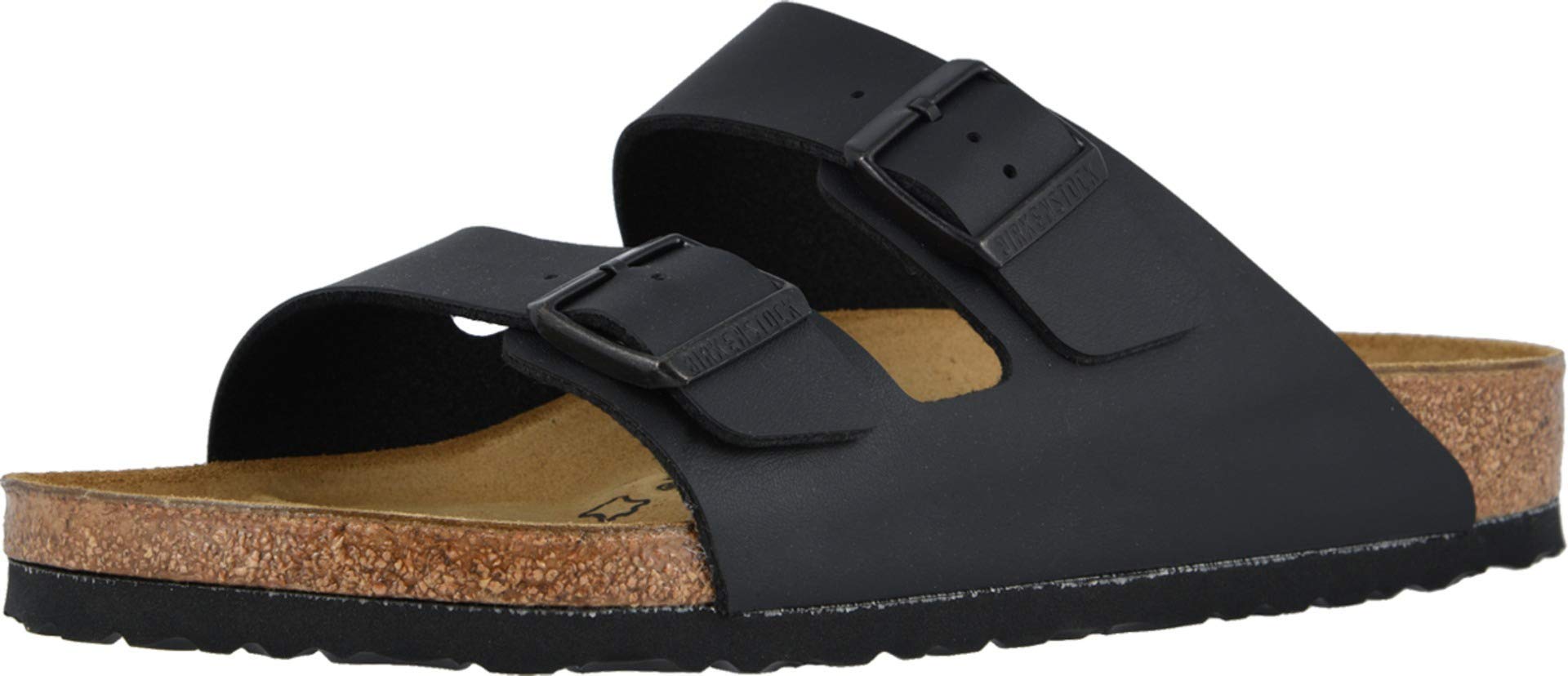
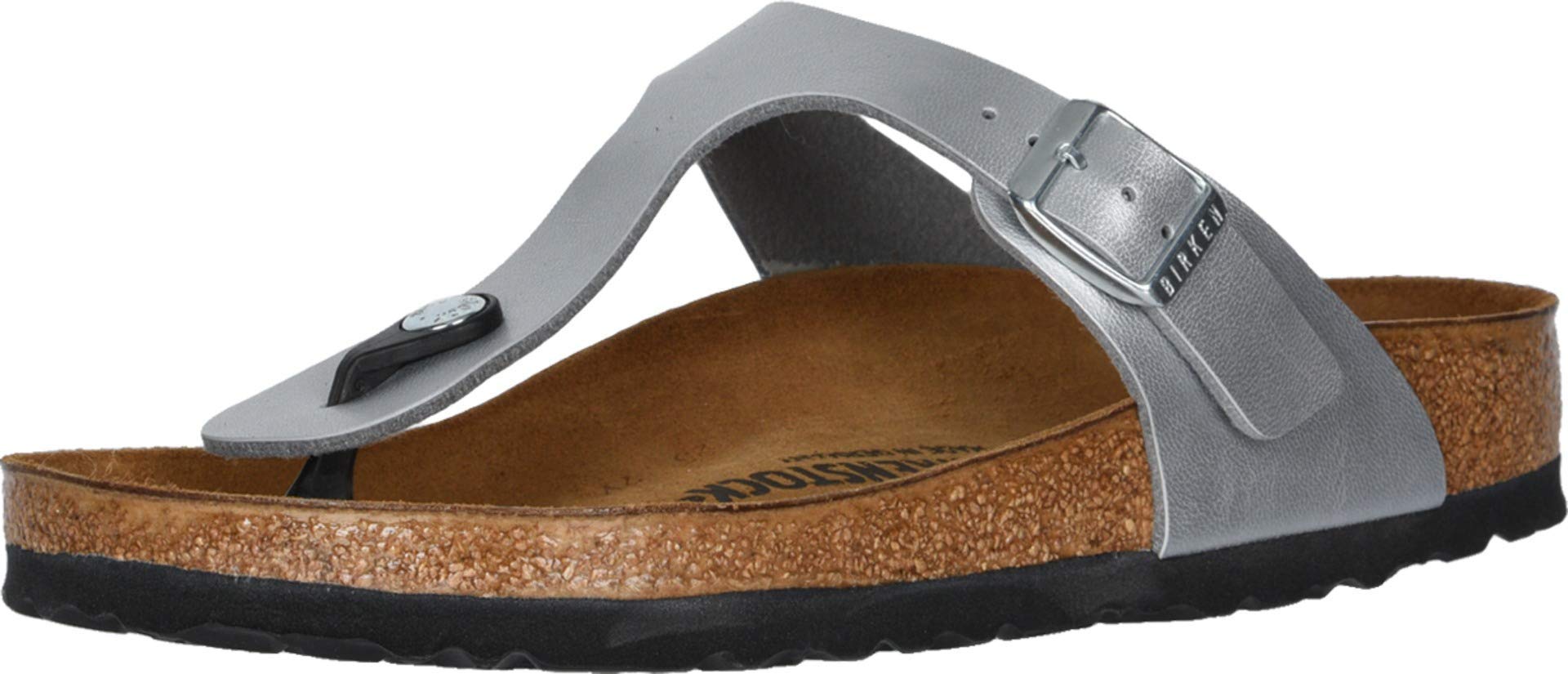
Companies such as Birkenstock and OluKai build around contoured cork or foam footbeds that support the arch and cup the heel. They suit daily walking, standing, and buyers who find flat sandals tiring. The break in period can take a week or two as the footbed moulds to your foot. Choose this type if comfort over long days matters more than water use, since many comfort footbeds dislike full soaking and need time to dry.
Outdoor and Trail Companies
Outdoor companies such as Teva, Chaco, and KEEN make strappy sandals with strong traction, toe protection on some models, and materials that handle water and dirt. They suit travel, light hiking, and summer days that mix town and trail. Fit tends to run secure, which active buyers like. If you need one pair for varied ground, this is often the safest first purchase, provided you check weight and strap rub points on longer walks.
Leather Craft Companies
Leather focused companies use full grain uppers that mould to your foot and can last for years with basic care. They look smarter for meals out or casual work settings. Our guide to the best leather sandals company explains leather grades and care in detail. Expect a firmer start, a longer break in period, and a higher price, balanced by repair options and a look that improves with age when cared for well.
Support Focused Companies
Support focused companies such as Vionic design for plantar heel pain, flat feet, and buyers told to seek firm arch support. Their footbeds feel firmer at first, with a raised arch and deep heel cup. If heel pain drives your search, see the guidance in our guide to the best sandals for plantar support needs. Stop and seek medical advice if you have numbness, swelling, or pain that worsens, because footwear cannot treat every foot condition.
Highly Rated Everyday Companies
Some companies earn strong owner ratings across many simple everyday models, with consistent sizing and fair prices. That consistency helps first time buyers who want a low drama purchase. You can compare owner favourites in our guide to the best rated sandals. Ratings are most useful when you read comments from buyers with a similar foot shape and use case to yours, rather than chasing a star average alone.
Lightweight Travel Companies
Travel focused companies such as Reef use light foam or thin rubber soles and straps that pack flat in a bag. They suit holidays, gym showers, and a spare pair for evenings after hiking boots. The trade off is less arch support and faster sole wear on rough ground. Choose them as a second pair rather than your only walking sandal, unless your trip is gentle and mostly on flat, dry surfaces.
How to Choose Between Brands
Start with your main use, your foot shape, and your ground. Then pick two candidate models from different company types and compare strap adjustability, footbed shape, and return terms. Wear new sandals indoors for short periods first, so you can exchange them if a strap rubs or the arch hits in the wrong place.
Practical tip one: walk on a hard floor, not just carpet, during your indoor trial, because hard floors reveal support problems quickly. Practical tip two: check strap edges with your fingers before wearing. A rough edge you can feel by hand will usually rub a heel or toe within an hour of walking, and a different size rarely fixes a badly placed strap.
Frequently Asked Questions
Are expensive sandals worth it?
Higher prices can buy better leather, replaceable parts, stronger outsoles, and a footbed that keeps its shape for seasons instead of weeks. That value shows if you walk daily. For occasional beach use, a modest pair is enough. Judge cost per season of use rather than sticker price, and remember that fit matters more than price. An expensive sandal that rubs is still a bad purchase.
How long is the break in period?
Most sandals settle within three to seven wears, starting with one or two hours at a time. Leather and contoured cork footbeds may need up to two weeks. Mild awareness of a new arch shape is normal, but blisters, sharp pain, or numbness are not. If problems persist after a gradual break in, exchange the size or choose a different footbed shape instead of pushing through pain.
Do I need waterproof sandals?
You need water ready sandals if you walk through streams, use boat decks, or face daily summer rain. Synthetic straps and rubber footbeds handle soaking and dry fast. Leather and cork look and feel great when dry but suffer with repeated soaking. Many buyers do best with one water ready pair for wet days and one comfortable dry pair for town, rather than forcing one pair to do everything.
How often should I replace my sandals?
Replace sandals when the outsole tread is smooth, the footbed stays compressed, or straps stretch so the foot slides. For daily walkers that can be every one to two seasons, while light use pairs last longer. A sudden change in comfort is often the clearest signal. Resole or repair leather models where the brand offers it, because the upper may have years of life left.
How should sandals fit?
Your heel should sit fully on the footbed, toes should have a small margin at the front, and straps should hold the foot without squeezing. You should be able to walk without gripping with your toes to keep the sandal on. Check fit late in the day when feet swell. If one foot is larger, fit the larger foot and use strap adjustment to fine tune the smaller side.
Can I wear sandals all day?
Yes, if the model has real arch support, a secure heel strap or well shaped footbed, and you have broken them in gradually. Flat fashion sandals are a poor all day choice on hard floors. Alternate footwear across the week if you stand for long shifts, and add socks rated for sandals only if the design allows it. Persistent foot, knee, or back pain deserves advice from a qualified professional.
The Bottom Line
Comfort footbed companies suit daily support, outdoor companies suit mixed terrain, and leather companies suit buyers who value long life and repair. For most first time buyers, the best company for sandals is the one with your foot shape in mind, honest sizing, and easy exchanges. Check your shortlist against the product table at the top of the page, measure your feet in the afternoon, and buy with a return window you can actually use.


