
Best Compact Washer Dryer Combos (2026): Types, Fit and Buying Guide
Disclosure: We may earn a commission when you buy through links on this page, at no extra cost to you. As an Amazon Associate I earn from qualifying purchases. Learn more

Best compact washer dryer combo guide: compare ventless, heat pump, and wide drum types by capacity, voltage, drying time, and fit.
Finding the best compact washer dryer combo for a small laundry space is harder than the listings suggest, because width alone tells you very little. A unit can fit your closet and still fail on capacity, drying time, or voltage. This guide compares the main compact types by capacity, drying method, ease of use, and running cost, so you can match a machine to your space and your laundry habits before you spend anything.
Start with the comparison table below, which lines up the compact types side by side, then use the sections that follow to check the details that decide daily satisfaction. If you are still weighing a single unit against separate machines, our overview of the best washer dryer combo options covers the broader category.


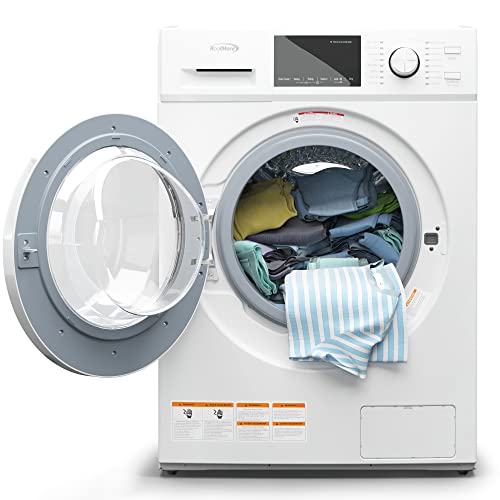

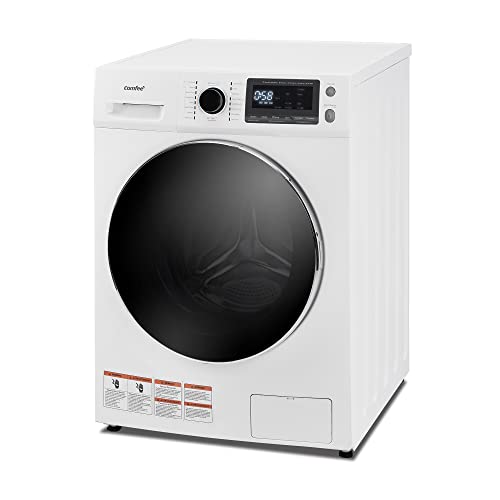

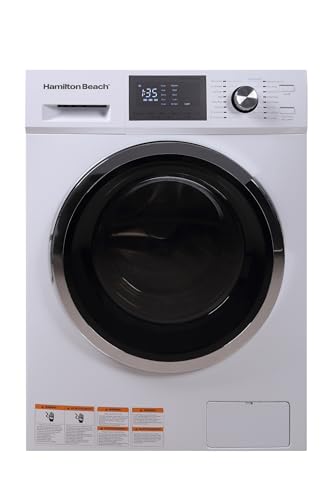
Compact Combo Types Compared
Compact combos all wash and dry in one drum, but drying method and cabinet size create three distinct choices. Judge every later specification within the type that offers it, because a feature only matters in that context.
Ventless Condenser Combos
The most common compact type dries by condensing moisture from warm air and sending the water down the drain, so no outside vent is needed. Most are about 24 inches wide, run on a standard household outlet, and fit a closet or under a counter. Drying is slower than with a vented machine, and the room gains some warmth and humidity during long cycles. For one or two people with moderate laundry, this type usually offers the simplest installation for the money.
Heat Pump Combos
Heat pump models dry at lower temperatures by recycling warm air inside a closed loop, which cuts energy use and is gentler on fabrics. They cost more to buy, and cycles can run long, but they suit homes where the electric bill matters or where delicate clothing makes up much of the wash. Check the lint filtration design carefully, since heat pump systems depend on clean airflow to dry well.
Wider High Capacity Combos
A smaller group of combos uses a cabinet about 27 or 28 inches wide with a much larger drum, often around twice the volume of a 24 inch model. Families who want one unit without shrinking load size choose this type, accepting a higher price and a larger footprint. Measure the path from your front door to the laundry spot before choosing one, since the wider cabinet can fail on a narrow turn.
How to Compare Compact Washer Dryer Combos
Compare combos using published maker specifications, capacity ratings in cubic feet, energy data from federal rating programs, and patterns in verified buyer feedback about drying time, noise, and reliability. Weigh capacity first, then drying performance, ease of use, cleaning demands, noise, and safety certifications. Prices here stay approximate because retailer pricing changes often.
How to Choose the Right Washer Dryer Combo
Size and Form Factor
Compact combos cluster around a 24 inch width with a depth of roughly 25 to 27 inches Drum capacity in this class is usually about 2.2 to 2.6 cubic feet, enough for everyday clothing loads but tight for bulky bedding. Every compact combo loads from the front, so if you are comparing loading styles as well, see our guide to the best front load washer dryer combo models for how front loading affects capacity and stacking. Always measure your opening in three places, because floors and trim are rarely perfectly square.
Type and Drying Method
Your drying method decides installation, cycle length, and running cost more than any other choice. Condenser models need only a drain and an outlet, while heat pump models add energy savings at a higher purchase price, and neither type needs a duct to the outside. That vent free design is the main reason combos thrive in apartments and condos where cutting a vent hole is not allowed, and our roundup of the best ventless washer dryer combo options explains the trade offs in depth.
Wattage, Power and Energy Use
Many compact combos plug into a standard 120 volt outlet, which simplifies installation but limits heating power and lengthens drying. Other models need a 240 volt circuit, so check your laundry area before ordering rather than after delivery. Drying dominates the energy bill, which is why heat pump models with strong energy ratings save the most over years of weekly use.
Safety Features and Certifications
Look for a UL or ETL listing, which means an accredited testing body has checked the appliance against United States safety standards. A door lock that stays engaged while the drum is hot, leak detection that shuts off the water inlet, and a lint system you can actually reach all matter more in a combo, because the machine often runs in a closet near living space. If a listing hides its certification or the seller cannot name the listing agency, treat that as a reason to walk away.
Counter Space and Dimensions
Fit is about more than the cabinet, so plan for the space the machine needs to work. The door needs a clear swing path, hoses need a few inches behind the unit without sharp bends, and you need room to pull the drain pump filter out for cleaning. Under a counter, confirm the counter height clears the top panel with the leveling feet adjusted, and leave ventilation space if the manual asks for it.
How Much Should You Spend?
Basic 24 inch condenser combos start at about $900 to $1200, and they cover the needs of most small households without extras. Spending about $1200 to $1600 usually buys quieter operation, better spin speeds that shorten drying, and more useful cycles for workout gear and delicates. Above about $1600 you are mostly paying for heat pump drying or a much larger drum, both worthwhile only if you will feel the benefit weekly.
Is a Compact Washer Dryer Combo the Right Size for You?
Apartment and Condo Households
If your building forbids vent work or your laundry lives in a bathroom or kitchen closet, a compact combo is often the only full laundry option that fits the rules. For stacked separate machines as the alternative, compare the best stacked washer dryer combo choices, which need more height but wash and dry at the same time.
RV, Tiny House and Cabin Users
Small living spaces reward a machine that does two jobs in one footprint, and a combo frees the second bay for storage. Check the weight of the unit against your floor or slide out rating, and confirm the drain and water supply can handle vibration while the spin cycle runs.
Small Households That Hate Laundromats
Singles, couples, and roommates who currently haul laundry out of the home gain the most convenience per dollar from a compact combo. You trade the speed of big commercial machines for laundry that runs while you cook, work, or sleep. If your household is growing soon, weigh that plan against the capacity ceiling before you commit to the compact class.
Common Mistakes to Avoid
- Measuring only the width of the opening, then discovering the door, hoses, or a tight hallway turn make installation impossible.
- Overloading the drum for drying, which leaves clothes damp after hours because hot air cannot move through a packed load.
- Ordering before checking voltage, then facing an electrician bill or a return when the plug does not match your outlet.
- Using regular detergent instead of high efficiency detergent, which creates excess suds that lengthen rinses and leave residue.
- Skipping the leveling step, so the machine vibrates, wanders across the floor, and gets louder with every spin cycle.
- Ignoring the drain pump filter until the first drainage error, even though our guide on how to use a washer dryer combo shows the simple routine that prevents it.
How to Make Your Compact Combo Last Longer
A combo works harder per load than separate machines, since one drum and one set of seals handle both washing and drying. Dose detergent by the marks on the cap for high efficiency machines, and use less than you think for small loads, because leftover suds coat the drum and the condenser path. Wipe the door seal after the last load of the day and leave the door ajar, which keeps the seal dry and free of odor. Run the tub clean cycle monthly with no clothing inside, following the manual for your model.
Lint management matters more on a combo than on a vented dryer, because lint that escapes the filter collects in the condenser and slows drying month by month. Clean the filter after every dry cycle, rinse it under water when the mesh looks glazed, and check the condenser area as often as your manual allows. The full routine, including the parts owners most often miss, is laid out in our guide on how to clean a washer dryer combo.
FAQs
What is the best compact washer dryer combo?
The strongest choice is the model that fits your opening, matches your voltage, and dries with the method your space allows, so no single unit wins for every home. Use the product table above to narrow the field to two or three models, then decide by doorway width, since a machine that cannot reach the laundry spot is worthless however good its specifications look.
What size compact washer dryer combo do I need?
Weigh one typical load from your laundry basket before you shop. A compact drum of about 2.2 to 2.6 cubic feet handles roughly 8 to 10 pounds of dry clothing per wash, and drying works best at about half that amount. If your scale shows regular loads above that range, either plan on splitting loads or step up to the wider combo class.
How long does a compact washer dryer combo last?
Most combos serve about 10 to 13 years with regular filter and seal care, though heavy daily use in a large household shortens that span. The parts that usually fail first are the drain pump, the door seal, and the heating or heat pump components used in drying. Choosing a model with good parts availability in your region matters as much as build quality.
Is a compact washer dryer combo worth it?
It is worth it when the alternative is a laundromat, a shared laundry room with queues, or no laundry at home at all. The math improves further if your time has real value, since a combo runs unattended and finishes a load without a trip back to move clothes between machines. It is harder to justify in a house with space and venting for separate full size machines, which cost less per load and finish faster.
How do you clean the drain pump filter on a compact washer dryer combo?
Place a shallow tray and a towel under the small access panel, usually at the front bottom corner, then open it and unscrew the filter slowly so trapped water drains in a controlled way. Pull out coins, buttons, and lint, rinse the filter, and check the housing with a flashlight before you refit it. Do this every month or two, and always unplug the machine first.
Which compact washer dryer combo brand is most reliable?
No brand earns that title for every buyer, because reliability in your home depends heavily on local installers, parts stock, and service response times. Shoppers comparing the biggest names should check which brands have authorized service within a reasonable drive of home. A slightly plainer model with fast local support usually beats a feature rich model that waits weeks for a part.
Final Thoughts
A compact combo rewards buyers who measure carefully, respect the smaller drum, and pick a drying method their space can support. Use the product table above to revisit your short list with fresh eyes. When those basics line up, the best compact washer dryer combo for your home stops being a guess and becomes the machine that quietly handles laundry in the corner you once thought was too small.


