
Best Compact Elliptical Stepper: A First Time Buyer's Guide for 2026
Disclosure: We may earn a commission when you buy through links on this page, at no extra cost to you. As an Amazon Associate I earn from qualifying purchases. Learn more

Shopping for the best compact elliptical stepper for the first time? Learn the terms, compare options, and avoid rookie mistakes with this easy guide.
An elliptical stepper sounds like two machines fused together, and that is almost exactly what it is. It blends the up and down effort of a stepper with the smooth gliding path of an elliptical, then shrinks the result until it fits in a closet or beside a sofa. If you are hunting for the best compact elliptical stepper as a first purchase, the jargon is the main obstacle, not the choice itself.
This guide explains the basics in plain terms, translates the specs that matter, and flags the mistakes new buyers make most. Start with the product table for a quick view of current models, then use the sections that follow to judge which style fits your space and your legs.
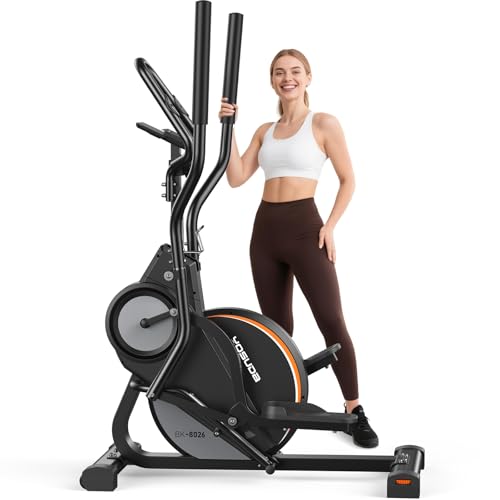


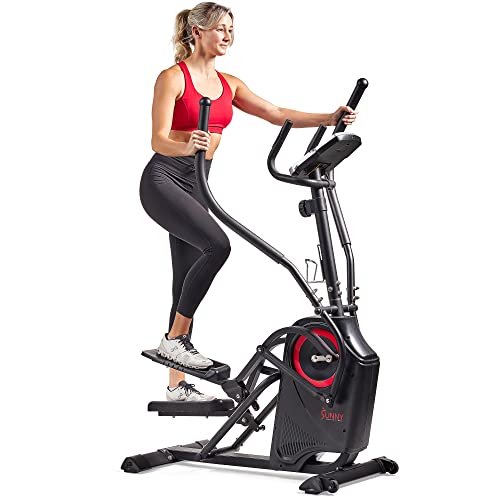


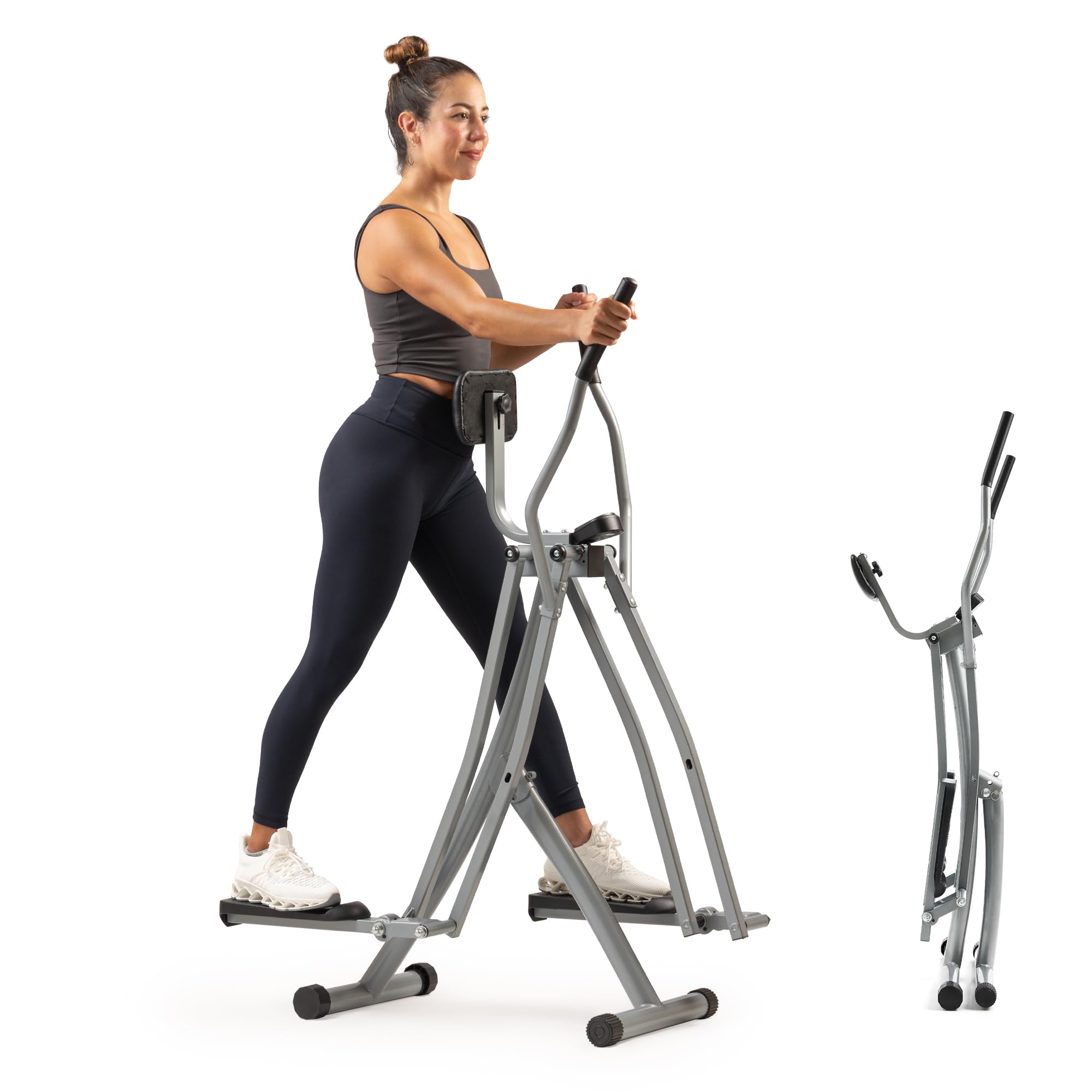
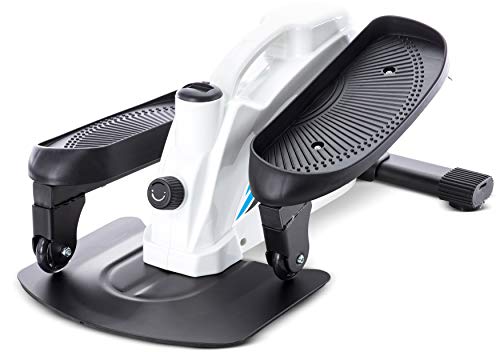
Compact Elliptical Steppers 101: The Basics
A compact elliptical stepper moves your feet in a flattened oval while your weight shifts up and down, so your calves, thighs, and glutes work in a low impact rhythm. Unlike a full elliptical, most steppers have no long rails or tall frame; many are simple pedal units you use standing with your own balance, sometimes with a support handle or resistance bands attached. A small flywheel or hydraulic system provides resistance, and a tiny display counts steps, time, and calories.
Because there is so little machine, prices stay low and storage is easy. The trade off is intensity and stability: steppers reward steady effort and good balance rather than all out speed.
Key Specs Explained in Plain English
Each spec below answers one practical question. Match the answers to your room, your body, and how you honestly plan to train, and the right model usually picks itself.
Measuring for Size and Portability
Question: where will it live between workouts? Most compact steppers cover only a small patch of floor, small enough for a closet shelf or the gap beside a dresser, and most are light enough for nearly anyone to carry by the frame or handle. Portability cuts both ways, though: the lightest units can creep across smooth floors while you pedal, so check for textured feet or plan to use a mat. That matters if you will use it under a standing desk or in front of the television, confirm the pedal height clears your knees and furniture before you order.
Space, Footprint, and Ceiling Height
Question: how much room does the motion itself need? The machine is tiny, but you are not: allow about a foot of clear space on every side so your arms can swing and you can step off without twisting. Ceiling height matters less here than on a full elliptical, because your head stays close to standing height, rising only slightly with each step.
Basements and lofts that fail full size machines usually pass this one easily. If you are comparing footprints with larger machines, our guide to the best compact elliptical machine shows how much floor the next size up requires.
Build Quality and Weight Capacity
Question: will it feel solid under you in month six? A steel frame is what you want to read in the specs, because thin stamped metal and plastic housings flex and creak as parts loosen. Weight capacity varies by model, and you should stay at least 30 lb under the rating for a planted feel.
Pedal size matters too: wide pedals with raised edges keep your feet placed when you speed up. Shoppers who need extra stability rather than the smallest size may prefer the supported designs in our guide to the best elliptical compact models.
Warranty: Frame, Parts, and Labor
Question: what happens when a pedal squeaks or a cylinder weakens? Steppers are inexpensive, so warranties run shorter than on full ellipticals, usually brief on parts and longer on the frame from better brands. Read whether hydraulic cylinders and resistance bands count as covered parts or as wear items you replace yourself, because those are the pieces that age first.
A maker that sells spare cylinders and bands is a good sign. Keep your receipt and a photo of the serial label, since warranty claims on small equipment move fastest with both in hand.
Noise Level for Apartments
Question: will the neighbors hear it? Magnetic resistance steppers are the quietest, making only a soft whir. Hydraulic models can hiss or squeak as the cylinders warm up, and worn units click at the top of each stroke.
Floor choice matters as much as the machine: on hard floors, vibration travels, while a dense mat absorbs most of it and stops the unit creeping. If you train early in a thin walled apartment, steady pacing at moderate resistance is noticeably quieter than fast, hard stepping.
Console, Programs, and App Connectivity
Question: what does the little screen actually tell you? Expect step count, time, distance estimate, and calories, and that is enough for most users. Some smart connected models add Bluetooth, syncing sessions to a phone app so you can watch streaks build, which genuinely helps consistency for many people.
Formal workout programs are rare at this size; you control effort with resistance levels and your own pace. Treat app features as a bonus and judge the machine on its motion first, a view shared by our guide to the best stepper elliptical designs.
Rookie Mistakes to Avoid
- Expecting a full elliptical workout: the shorter stride targets legs and cardio at moderate intensity; it will not mimic a gym machine, and that is fine for its size.
- Ignoring balance: handle free models demand steady balance, so beginners should start near a wall or chair until the motion feels automatic.
- Buying the lightest unit for hard use: featherweight frames wander and flex under fast stepping; match the build to your intensity.
- Skipping the weight capacity math: running near the limit is the fastest route to wobble and worn cylinders.
- Forgetting floor protection: a small mat prevents scratches, creep, and most noise complaints in one cheap step.
Getting Started: Setup and First Use
Most compact steppers arrive nearly assembled: unfold or set the unit on its mat, attach bands or a handle if included, and confirm both pedals move through a full stroke without scraping. Use a mat to protect floors and reduce noise from the very first session. Begin with 5 to 10 minutes at the easiest resistance while holding a chair back, and add a few minutes every few days rather than chasing exhaustion.
Wipe down pedals and grips after each workout, since dust on pedal surfaces makes feet slip. Older adults or anyone with balance concerns should look at the supported options in our guide to the best compact elliptical for seniors, and anyone with joint pain, dizziness, or a heart condition should talk with their clinician before starting and stop a session that brings sharp pain.
Frequently Asked Questions
How much space does a compact elliptical stepper need?
Very little: the unit itself covers little more than a small mat, and you should add roughly a foot of open floor on all sides for safe mounting and arm swing. Unlike full ellipticals, ceiling height is rarely an issue because your head stays near standing height. Storage is equally forgiving, since most models slide into a closet or under a bed. That tiny footprint is the main reason buyers choose this style over the climbing motion machines in our guide to the best stair stepper elliptical options.
Is a subscription required to use a compact elliptical stepper?
No. Compact steppers work mechanically, and any console runs on its own without an account or membership. A few connected models offer optional apps for tracking history or challenges, and those stay extras rather than requirements.
If an app disappears someday, your stepper loses nothing but a graph. When comparing two similar models, spend the subscription money instead on the one with the stronger frame and higher weight capacity.
Is a compact elliptical stepper quiet enough for an apartment?
Yes, especially magnetic resistance models, which run at a soft whir that rarely carries through a closed door. Hydraulic units can develop squeaks as cylinders age, so keep pivot points clean and check fasteners monthly. The mat under the machine does most of the noise work by absorbing vibration before it reaches the floor. Early morning users in shared buildings should favor smooth, steady pacing over rapid stepping, which thumps more.
Which compact elliptical stepper is better for beginners?
A model with a support handle or included resistance bands, a mid range weight capacity, and simple manual resistance is better for beginners than a bare pedal unit. The handle removes balance from the learning curve, and bands let you involve your arms once your legs are confident. Start with short sessions and let consistency, not intensity, be the first month goal. If balance is a real worry, a small full elliptical with fixed handles may serve you better than any handle free stepper.
How long does a compact elliptical stepper last?
With regular use and basic care, expect several years of service, shorter than a full elliptical because the parts are smaller and cheaper. Hydraulic cylinders and bands are the usual wear items, so a brand that sells replacements extends life a lot. Wiping grit off pedal pivots and storing the unit indoors, away from damp, also helps. Heavy daily use near the weight capacity lands at the short end of that range.
Our Verdict
For a first purchase, judge a stepper by frame strength, weight capacity, and whether its motion fits the space and balance you actually have. Specs beyond those three are garnish. Check your finalists against the product table above, and the best compact elliptical stepper for your home will be the one you can use daily without thinking about it. Start gently, build the habit, and let steady weeks of use prove the choice right.


