Best Commentary Sets in 2026: Which Type Is Right for You?
Disclosure: We may earn a commission when you buy through links on this page, at no extra cost to you. As an Amazon Associate I earn from qualifying purchases. Learn more

The best commentary sets compared by type, depth and price, so you can match a Bible commentary set to how you study.
Commentary sets promise to open up difficult passages, yet the range of types can confuse even experienced readers. One set fills a whole shelf with detailed volumes, while another covers the entire Bible in a single book. This guide to the best commentary sets compares the main types side by side, so you can match depth, format and price to your actual study habits. Use the comparison table below for a quick overview, then read the type breakdown before you spend anything.
The right question is not which set is biggest. It is which set you will open week after week, at the depth your questions really need.


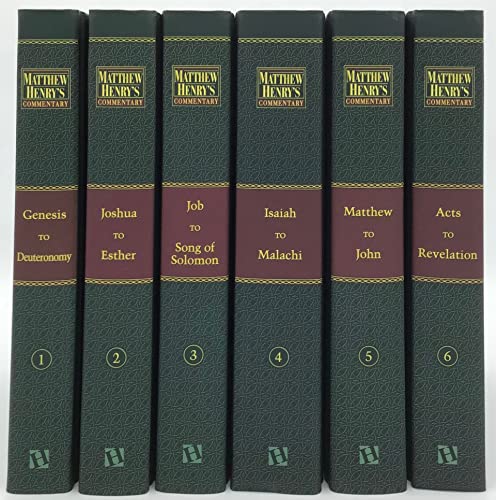


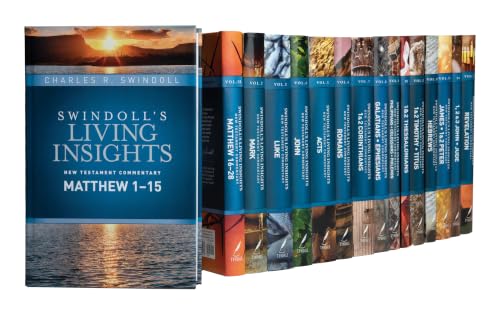
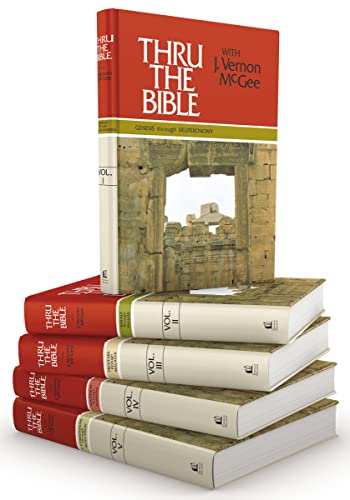
Types of the Best Commentary Sets Compared
Most sets fall into three broad groups based on size, depth and price. Premium sets aim for complete coverage at scholarly or detailed pastoral depth, budget sets trade depth for affordability and speed, and compact sets shrink the whole library into one or a few volumes or a digital collection. Your study goal decides which group fits: sermon and teaching preparation, personal devotion, or quick reference during daily reading all point to different shelves.
Premium Options
Premium sets usually cover the whole Bible across many volumes, with detailed notes on history, language, culture and theology for nearly every passage. They suit pastors, teachers and serious students who prepare lessons or sermons and need to check several viewpoints before speaking. Expect prices from around $400 to well over $1,500 for full print sets, and less for digital editions. The strengths are depth, careful sourcing and long useful life. The limits are cost, shelf space and a reading level that can overwhelm a new student who only needs a clear explanation of the text.
Budget Options
Budget sets keep costs down by condensing coverage, using paperback binding or focusing on one testament or a selection of books. Many cost around $50 to $200, and some appear in affordable digital bundles. They suit new readers, small group members and anyone who wants reliable background without scholarly detail. The trade off is brevity: difficult passages may get only a paragraph, and technical debates are usually summarized or skipped. A good budget set is honest about its scope and writes clearly, which matters more than page count at this level.
Compact Options
Compact sets compress commentary into one volume, a few slim volumes or a searchable digital library that lives on a phone or tablet. Prices often fall around $40 to $150 for print and vary widely for digital access. They fit travelers, commuters and readers with limited shelf space, and search tools make finding a passage fast. The limits are depth and reading comfort: print is small, notes are short and screens tire some readers. As a daily companion beside an open Bible, though, a compact set is hard to beat. Readers who want a focused starting point can compare our guide to the best bible commentary sets for whole Bible coverage in particular.
Premium Options vs Budget Options: Which Should You Choose?
Compare the two ends of the market on five points. First, depth: premium sets discuss wording, context and interpretation at length, while budget sets explain the main point and move on. Second, coverage: premium sets usually treat every book, while budget sets may skip minor prophets or shorten letters. Third, cost per use: a teacher who studies weekly spreads a premium price across years, while an occasional reader never recovers it. Fourth, reading level: premium writing assumes patience and some background, while budget writing welcomes beginners. Fifth, format value: budget sets often shine in digital form, while premium sets justify print because you will consult them for decades. Choose premium if you teach or study deeply every week. Choose budget if you read devotionally, lead an occasional group or are still learning how much depth you enjoy.
How to Choose the Right Commentary Set
Once you know your type, use the checks below to narrow the field. They apply to every tradition and format, and they prevent the most common buying regrets in this category.
Maintenance and Long Term Costs
Print sets need shelf space, dusting and protection from damp, and replacing a single lost volume can be costly if the set goes out of print. Digital sets shift the cost to platform access, device storage and occasional format updates. Consider future volumes too: some series publish over many years, so completing a set means later purchases at later prices. A set you maintain and actually use costs less over its life than a cheaper set abandoned after one book.
Intended Use and Who It Is For
Name your main use in one sentence before you shop. Sermon preparation needs depth and multiple viewpoints, personal study needs clarity and steady guidance, and family or group reading needs plain language and discussion friendly notes. Theological tradition matters as well, since authors write from a viewpoint rather than from nowhere. Readers from a Reformed background, for example, can compare our guide to the best reformed commentary sets. Matching tradition and purpose prevents most disappointment.
Price vs Value
Value in this category means insight per hour of study, not volumes per dollar. Budget sets around $50 to $200 serve most personal readers well. Midrange sets, around $200 to $500, add depth on major books and better binding. Premium sets above that level pay off only with frequent, serious use. Watch for publisher sales on digital editions, which can cut premium prices sharply, and remember that a partial set covering the books you study most can beat a complete set you rarely open.
Coverage, Translation and Study Helps
The features that matter are coverage, depth per passage, translation basis, and helps such as maps, outlines and cross references. Check which Bible translation the notes follow, because wording discussions depend on it. Look at a sample on a passage you know well, such as a favorite psalm, and judge whether the notes answer your kind of questions. Binding quality counts for print: sewn bindings lie flat and survive years of opening, while glued spines crack under heavy study use.
Editorial Trust and Authorship
Check who stands behind the notes. Look for named authors with relevant training, a publisher with a clear review process and a stated theological position you can evaluate. Be cautious with anonymous or assembled sets that hide their sources, because errors in dates, language claims or quotations are hard for a general reader to spot. A trustworthy set cites sources, distinguishes fact from interpretation and corrects errors in later printings.
Setup and Care Tips
- Check the scope before first use. Read the introduction of the first volume so you know its translation, viewpoint and how its notes are organized.
- Clean and inspect regularly. Dust print volumes, check spines for cracking and keep bookmarks flat so pages do not crease or tear.
- Store in a dry place. Damp shelves invite mold and warped pages, while steady room conditions keep bindings sound for decades.
- Keep digital copies backed up. Export your notes and highlights, because your own work in the margins is the hardest part to replace.
- Build a simple reading routine. Read the passage first, then the notes, then return to the passage so the commentary serves the text rather than replacing it.
FAQs
Are expensive commentary sets worth it?
They are worth it for readers who study or teach every week and will use the depth for years. Detailed notes on language, history and interpretation save hours of searching across separate books. For devotional reading or occasional group study, the same money buys a clear midrange set plus other helpful books. The deciding factor is frequency of use, not the prestige of a full shelf.
What features matter most when buying commentary sets?
Coverage, clarity and viewpoint matter most. Confirm the set covers the books you actually study, read a sample on a familiar passage, and check that the authors write from a tradition you understand and trust. Practical helps such as book introductions, maps and cross references add daily value. Binding and search tools matter too, because a set that is awkward to open or search will quietly stop being used.
How do I maintain a commentary set?
Keep print volumes upright on a dry shelf, dust them a few times a year and open new volumes gently so the spine flexes without cracking. Use flat bookmarks instead of folding pages or leaving a volume face down. For digital sets, keep the app updated and export your notes regularly. If a single volume is damaged, contact the publisher early, since replacement volumes are easiest to find while a series is still in print.
How much should I spend on a commentary set?
Most personal readers do well around $50 to $200 for a clear one volume or budget set. Regular teachers often land around $200 to $500 for deeper coverage of the books they teach most. Spending above that makes sense mainly for weekly sermon work or academic study. Start with the books you study this year rather than buying the whole Bible at once, and expand only when your routine proves the need.
How long does a commentary set last?
A well bound print set can serve for decades, because its historical and language notes age slowly, even though discussions of current debates date faster. Digital sets last as long as the platform supports them, which is why exporting notes matters. In practice, most sets are replaced because a reader outgrows their depth or changes study focus, not because the books wear out. Buy for the reader you will be in five years.
Final Thoughts
Decide your type first: premium for weekly teaching depth, budget for clear and affordable guidance, compact for daily convenience. Then check coverage, translation basis and viewpoint before price. Return to the product table above, and choose the best commentary sets type that fits the study routine you will honestly keep, because the set you open often will always teach you more than the impressive set you avoid.