Best Bible Commentary Sets 2026 For Everyday Use
Disclosure: We may earn a commission when you buy through links on this page, at no extra cost to you. As an Amazon Associate I earn from qualifying purchases. Learn more

Choose a Bible commentary set for study and preaching. Compare scope, theological view, depth, and format to find a set that fits your study habits.
Choosing the best bible commentary sets depends on how you study, preach, or teach, since commentary sets vary enormously in depth, viewpoint, and scope. A good set explains the text clearly, engages the original languages fairly, and helps you apply passages thoughtfully. A poor set may be too shallow for serious study or too technical for devotional reading, and an expensive set that does not match your needs gathers dust quickly.
The product table above shows the main commentary set styles side by side, so you can compare scope, depth, and format before you read the details. Use it to shortlist sets that match your study goals, then check the practical factors in this guide.


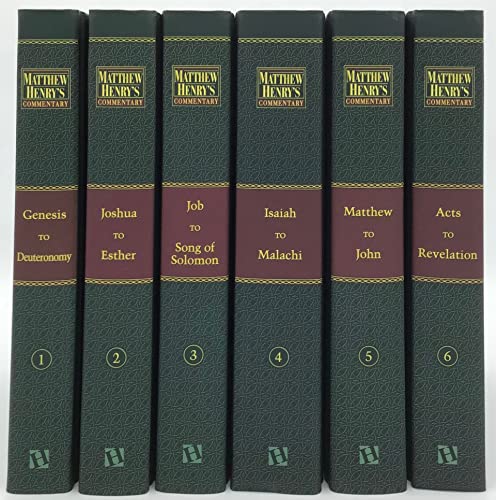


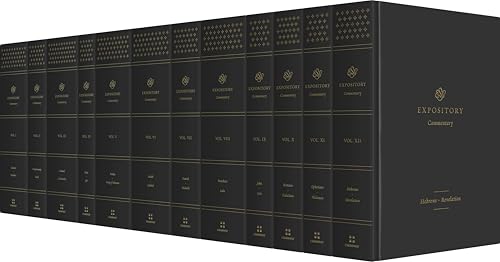
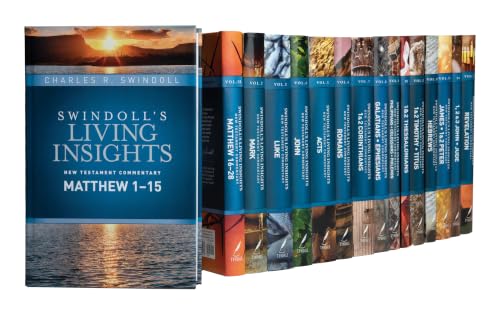
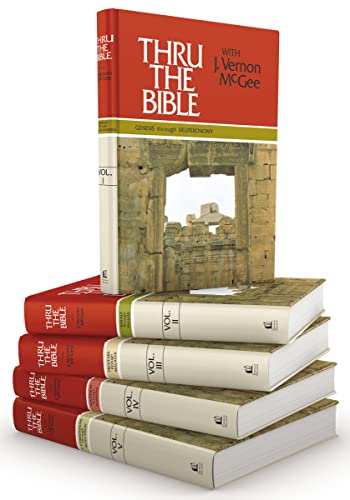
Who Should Buy A Commentary Set
Pastors and teachers who prepare sermons and lessons weekly benefit most from a full set, since they need reliable help across the whole Bible. Serious Bible students in formal study also benefit, since a set supports assignments and research across many books. Small group leaders may manage with a single volume commentary, but a set offers deeper help for long term teaching.
Devotional readers who want to understand passages better may prefer a more accessible set with clear explanations and application notes. New believers should start with an accessible set rather than a highly technical one, since overly academic language can discourage rather than help. Match depth to your current study level, not to the level you hope to reach someday.
Scope, Depth, And Theological Viewpoint
Scope decides coverage. A complete set covers every book of the Bible, while a partial set covers selected books in depth. A complete set suits long term study across the whole Bible, while a focused set suits someone studying one testament or a few books deeply. Check which books are included before buying, since some sets are still in progress and lack later volumes.
Depth ranges from devotional to highly technical. Devotional commentaries focus on meaning and application with little language discussion. Expository commentaries explain structure and flow verse by verse. Technical commentaries engage Greek, Hebrew, and scholarly debate in detail, and theological viewpoint also varies, so read sample pages to confirm the set approaches Scripture in a way you find faithful and helpful.
Format, Readability, And Study Tools
Format affects daily use. Print sets look impressive on a shelf and read well without screens, but they take significant shelf space and cost more. Digital sets search instantly, link to Bible text, and travel on a tablet, which suits study on the move. Many readers now prefer digital for searching and print for sustained reading, so consider how you actually study.
Readability matters for long study sessions. Clear headings, readable type, and helpful maps and charts all make a set easier to use. Study tools like introductions to each book, outlines, and indexes add value, especially for teachers preparing lessons. A set with strong indexes saves time when you need to find a passage or topic quickly.
Cost, Value, And Building A Library
Cost varies widely, from affordable single volume works to multi volume sets costing many hundreds of dollars. Value depends on use: a set consulted weekly for years costs little per use, while an expensive set consulted rarely is poor value regardless of quality. Consider buying a respected single volume commentary first, then adding a full set when your study habits justify it.
Building a library gradually also helps, since you learn which authors and approaches suit you before committing to a large set. Used sets and digital sales can reduce cost significantly, but check edition and completeness carefully. A missing volume in the middle of a set frustrates study exactly when you need it most.
A Final Check Before You Buy
Before you buy, read sample pages from several volumes, not just the most famous book in the set. Quality varies between volumes in many sets, since different authors write different books. Check reviews from readers with similar study goals, and confirm the set covers the books you study most often.
Also consider your study community. If your church or study group uses a particular set, sharing it makes discussion easier and lets you borrow volumes before buying. The right set is the one you will actually open week after week, not the most impressive one on the shelf.
Living With A Commentary Set
A weekly study rhythm makes a commentary set genuinely useful. Choose a regular study time, read the passage first without notes, then consult the commentary for questions that arose during reading. This order keeps Scripture primary and commentary secondary, which leads to deeper understanding than reading commentary before the text itself.
Note taking multiplies the value of a set. Keep a simple notebook or digital file of insights, questions, and applications from each study session, with passage references for later teaching or discussion. Over months, these notes become a personal study resource tailored to your questions, far more useful than unrecorded reading alone.
Using Commentaries In A Group
Group study benefits from shared commentary use. When a small group studies the same passage, comparing how different commentaries handle a difficult verse sparks rich discussion and reveals interpretive choices. Assign different members to consult different volumes or sets, then share findings, so the group benefits from breadth no single member could cover alone.
Teachers should use commentaries to prepare, not to read aloud. Digest the commentary insight, then explain it in your own words with examples your group understands. This approach respects the group time and builds teaching skill, while direct reading from a commentary usually loses attention quickly.
Commentaries And Original Languages
Original language tools add depth for readers who want it, even without fluency in Greek or Hebrew. Many commentaries explain key words and phrases in plain language, showing how a word choice shapes meaning. Readers who follow these explanations gain insight into passages that translations alone can obscure, especially where one English word covers several original meanings.
Interlinear Bibles and word study tools complement commentaries well. They let readers check a key word quickly without learning a whole language, and they make commentary discussions of language far easier to follow. Even a basic familiarity with language tools enriches study noticeably over time, and commentaries that explain language clearly are the best gateway.
Related Buying Guides
For a wider commentary set comparison, read our guide to best commentary sets.
For reformed perspective commentary sets, see our guide to best reformed commentary sets.
Frequently Asked Questions
What is the difference between a commentary and a study Bible?
A commentary explains passages in depth across many pages, while a study Bible offers brief notes alongside the Bible text itself. Commentaries suit deeper study and teaching preparation, while study Bibles suit quick reference during reading. Many serious students use both together for different purposes.
Should a beginner buy a full commentary set?
Most beginners benefit more from a single volume commentary or an accessible set than from a large technical set. Start with a clear, readable work and add depth as your study grows. A huge technical set can overwhelm a new student and discourage regular study rather than help it.
How do I choose a commentary viewpoint I trust?
Read sample pages and check the publisher and author backgrounds, since viewpoint shapes interpretation. Look for sets recommended by teachers or leaders you trust, and compare how different sets handle a passage you know well. A viewpoint you understand, even when you disagree at points, serves study better than one you cannot follow.
Are digital commentary sets as good as print sets?
Digital sets offer instant search, cross references, and portability, which suit research and study on the move. Print sets suit sustained reading and shelf browsing without screens. Content quality matters more than format, so choose the format that matches how you actually study each week.
How much should I spend on a commentary set?
Spending depends on use: weekly teachers and students gain strong value from a quality set used for years, while occasional readers gain better value from a single volume work. Start modestly, learn your preferences, and invest in a full set when your study habits clearly justify it.
Final Thoughts
The product table above gives a quick comparison, but depth, viewpoint, and format matched to your study habits should decide your choice. Pick a set you will open week after week, with explanations you find clear and trustworthy.
Read sample pages before you commit, and build your library gradually as your study deepens. Choosing the best bible commentary sets is about finding faithful help for understanding Scripture, and the right set becomes a trusted companion for years.