Best Commencement Speakers: What Makes Them Great and How to Choose One
Disclosure: We may earn a commission when you buy through links on this page, at no extra cost to you. As an Amazon Associate I earn from qualifying purchases. Learn more
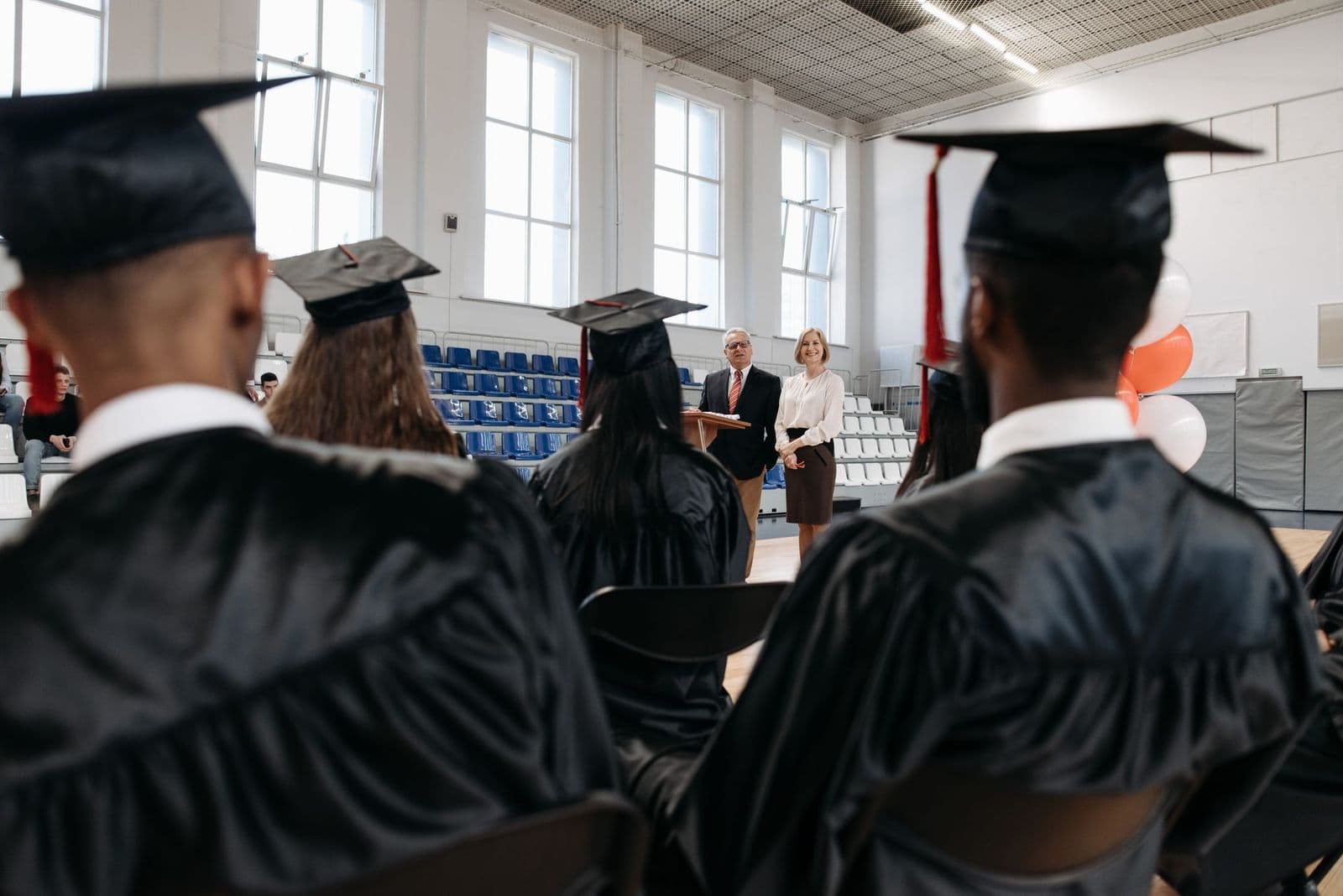
What makes the best commencement speakers memorable, how schools choose and book them, and which famous speeches set the standard.
A graduation ceremony is remembered for its speaker more than for anything else on the program. The best commencement speakers manage to say something true and useful to a crowd of nervous graduates, proud families and restless faculty, in about twenty minutes, without a single boring stretch. This guide explains what separates a memorable commencement speaker from a forgettable one, how schools and student committees pick and book them, and which famous speeches still set the standard.
Whether you are on a selection committee, a graduating student asked to speak, or simply curious why a few speeches keep getting shared years later, the same few qualities show up again and again.
What Makes the Best Commencement Speakers Great
A Clear, Single Message
The speeches people remember are built around one idea that fits on a sticky note: do work you love, be kind, make your bed, make good art, take the unexpected path. Graduates cannot absorb ten pieces of advice, so the best speakers choose one and tell stories that prove it.
Personal Stories, Not Résumés
A speaker who recites achievements sounds like a biography. A speaker who describes a failure, a rejection or a moment of doubt earns trust, because every graduate in the audience is wondering whether they will measure up. Honest vulnerability is the quickest way to make a large crowd feel spoken to individually.
Humor and Warmth
A good laugh in the first minute relaxes the audience and makes the serious moments land harder. Self deprecating humor usually works better than jokes about the graduates or the school. Warmth matters as much as wit, since the day belongs to the graduates and families rather than to the speaker.
Brevity and Pacing
Long speeches in hot sun lose everyone. Speakers who respect the schedule, keep to roughly fifteen or twenty minutes and leave a clear closing line are invited back and quoted. A slow, deliberate delivery also matters in a large venue where sound lags and people sit far from the stage.
Relevance to This Class
A speaker who mentions the school's name, its recent challenges or the world the class is entering shows preparation. Generic advice that could be given to any audience feels canned, however polished the delivery.
Famous Speeches That Set the Standard
Certain addresses are studied because they combine all of these qualities. Steve Jobs at Stanford told three personal stories about connecting the dots, loss and mortality, and closed with a line many graduates still quote. J.K. Rowling at Harvard spoke about the benefits of failure and the importance of imagination. David Foster Wallace at Kenyon, known as This Is Water, argued that real education means choosing what to pay attention to.
Neil Gaiman's Make Good Art speech turned a short piece of advice into a rallying cry for creative work. Admiral William McRaven at the University of Texas built an entire talk on the simple discipline of making your bed each morning. Conan O'Brien at Dartmouth showed how humor and a story about disappointment can still deliver a serious point. Each of these speakers chose one idea and stayed on it.
How Schools Choose a Commencement Speaker
Set the Goal and the Budget First
Before naming candidates, decide what the school wants from the day: inspiration, a famous name for press attention, or a respected alumnus who knows the community. Fees vary enormously. Celebrities and politicians can cost far more than a school can justify, while many accomplished alumni, local leaders and faculty speak for little or nothing.
Consider Alumni, Local Leaders and Faculty
An alumnus who struggled through the same hallways can be more moving than a household name. Local business owners, community leaders, teachers and school board members often connect better with families. A beloved faculty member also gives the ceremony a personal feel and costs nothing in travel or fees.
Involve Students in the Choice
Graduating classes often vote or sit on the committee. A shortlist of five to ten names, with a short reason for each, makes a fair vote easy. Students tend to favor speakers who are funny, relatable and recent, which is a useful counterweight to committees that lean towards big titles.
Book Early and Confirm the Details
Popular speakers book months ahead. Confirm the date, the length of the speech, travel and accommodation, any security needs, and whether the talk may be recorded or shared online. A short written agreement avoids surprises. Always plan a backup in case the first choice drops out.
If You Are the One Giving the Speech
Pick one message, open with a story, keep every anecdote short, and write for the ear with simple sentences. Practice out loud, time it, and trim anything that does not serve the single message. Thank the people who deserve it briefly, speak slowly, and end on a line that graduates can carry out of the stadium. If you are a student speaker, remember that honesty and a short speech beat polish and length.
Frequently Asked Questions
How long should a commencement speech be?
Most good speeches run between ten and twenty minutes. Anything longer risks losing the audience, especially outdoors in warm weather. Check the ceremony program, since many schools set a firm time limit for the main address.
Who are some of the most famous commencement speakers?
Widely shared addresses include those by Steve Jobs at Stanford, J.K. Rowling at Harvard, David Foster Wallace at Kenyon, Neil Gaiman at the University of the Arts and Admiral William McRaven at the University of Texas. Each is easy to find online and worth reading or watching.
How much does a commencement speaker cost?
Fees range from nothing, for alumni, faculty and local leaders, to very large sums for celebrities and politicians. Many schools budget a modest honorarium plus travel, and some rely entirely on unpaid volunteers who are happy to give back.
Should a school choose a celebrity or a local speaker?
A famous name draws attention, but a local or alumni speaker is often more relevant and more memorable to the families in the audience. The choice depends on the school's goals, budget and community.
What makes a commencement speech memorable?
One clear message, honest personal stories, a little humor and a good ending. Speeches that try to cover everything are quickly forgotten, while focused ones are quoted for years.
Final Thoughts
The best commencement speakers are chosen for their message and their honesty, not just their fame. Pick one idea, tell a true story, keep it short and finish with a line the graduates will remember. A school that chooses a speaker who knows the community, and gives them clear time limits and support, gives every family in the audience something to take home.