Best Command Hooks for Towels 2026: Damage Free Hanging Guide
Disclosure: We may earn a commission when you buy through links on this page, at no extra cost to you. As an Amazon Associate I earn from qualifying purchases. Learn more

Choose the best command hooks for towels by weight rating, strip type and hook shape, then place them where towels can dry.
Drilling into tile feels permanent, and the best command hooks for towels offer a simpler way to hang towels where you need them without tools or damage. The comparison table below compares hook styles, weight limits, and surface types. A good adhesive hook holds a wet towel securely, survives bathroom humidity, and removes cleanly when you want to move it.
Adhesive hooks work well only when the surface, the weight, and the placement all suit the design. Smooth tile, glass, and painted drywall each behave differently, and a hook rated for a light hand towel will fail under a soaked bath towel. This guide explains how to choose the right hook, prepare the surface, and place hooks for real daily use.

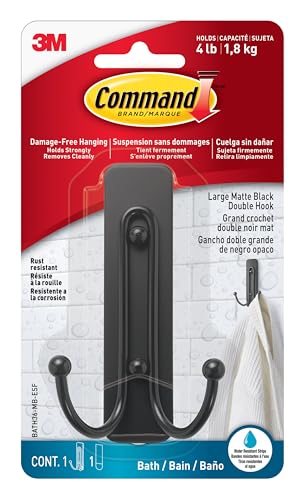
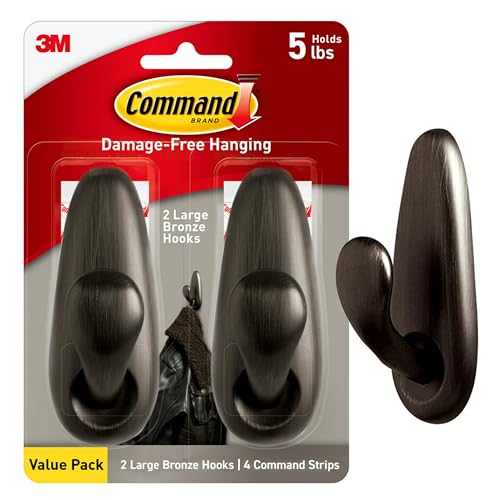


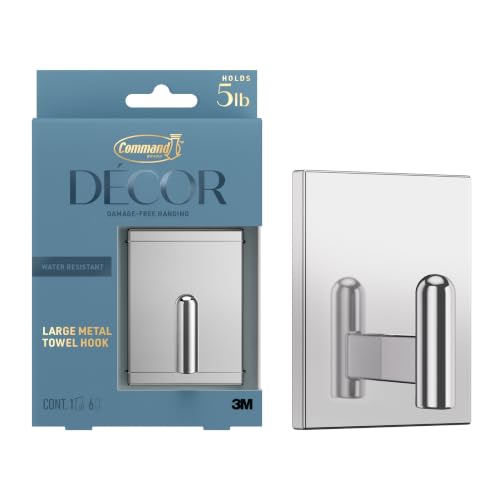

Who Should Buy the Best Command Hooks for Towels
Adhesive towel hooks suit renters, dorm residents, and anyone who wants to avoid drilling into tile or plaster. They also help households that rearrange often, since hooks can move without leaving holes. Bathrooms, laundry rooms, pool houses, and guest rooms all benefit from extra hanging spots. If your walls are rough, textured, or freshly painted, check surface guidance carefully before buying.
Key Features Worth Comparing
Weight Ratings and Real Loads
A weight rating tells you the maximum load in ideal conditions, but a wet towel weighs more than a dry one. Choose a hook rated well above the dry weight of your heaviest towel. Large bath towels and thick cotton towels need the highest ratings, while hand towels and washcloths suit lighter hooks. When in doubt, use two hooks for one heavy towel rather than overloading a single hook.
Adhesive Strips and Surface Types
Adhesive strips bond best to smooth, clean, non porous surfaces such as tile, glass, metal, and smooth painted walls. Rough plaster, brick, and textured wallpaper give a weaker bond and may fail. Some strips suit humid bathrooms better than others, so check the packaging for moisture guidance. Always follow the strip maker instructions for press time and cure time before hanging weight.
Hook Shape and Towel Hold
Hook shape decides whether a towel stays put or slides off. A deep, curved hook holds a folded towel securely, while a shallow hook suits a loop or a hanging ring. Wide hooks spread the load and reduce creasing on thick towels. Consider whether you hang towels by a corner, folded over, or on a ring, and choose the shape that matches that habit.
Removal Without Damage
Clean removal is the main advantage of adhesive hooks over screws. Pull the strip straight down slowly, following the maker directions, rather than yanking the hook off the wall. Heat from a hair dryer can help on stubborn strips, but try it carefully on painted surfaces. Keep spare strips on hand so you can move a hook without buying a whole new set.
Surface Preparation Steps
Clean the surface with rubbing alcohol and let it dry fully before pressing the strip in place. Avoid soap residue and cleaning sprays that leave a film, since film weakens the bond. Press firmly for the full time stated in the instructions, then wait the full cure period before hanging a towel. Skipping the cure step is the most common cause of hooks falling in the first week.
Placement Ideas for Bathrooms
Place hooks near the shower for a towel within reach, and add hooks behind the door for extra capacity. Hang hand towels near the sink at a height that keeps them off the counter. In shared bathrooms, give each person a dedicated hook to avoid towel mix ups. Leave space between hooks so thick towels can air and dry rather than bunching together.
Living With Your Choice
Adhesive hooks need occasional checks, especially in humid bathrooms. Press the strip edges back down if they lift, and replace strips that show gaps or yellowing. Move hooks seasonally if your towel routine changes, and keep the wall clean behind each hook. If a hook falls repeatedly on the same spot, the surface may not suit adhesive mounting, and a suction or over door option may work better.
Keep spare strips and a cleaning cloth in the bathroom cabinet so maintenance takes a minute rather than a shopping trip.
Related Guides Worth Reading
Compare general towel hanging in best hooks for towels for screw and adhesive options. For the wider adhesive range, see best command hooks. Bathroom specific ideas appear in best hooks for bathroom towels, while drying focused advice is in best towel hooks to dry towels and best hooks for hanging towels.
Command Hooks Versus Generic Adhesive Hooks
Command makes dedicated bath hooks with water resistant strips, and that matters more in a bathroom than in a hallway. Generic stick on hooks can work, but their strips vary and rarely say how they cope with steam. Stick with strips sold for bath use when the hook will live near a shower, and keep metal finishes in mind: brushed nickel and chrome hide water spots better than black.
Bath hooks and utility hooks look similar, yet they are meant for different jobs. Bath hooks come with strips made for damp surfaces, while utility hooks suit dry walls, closets and kitchens. A larger hook with more strips spreads a wet towel's weight over a bigger area, which is why heavy bath towels belong on the large size.
Which Towel Goes Where
Bath towels are the heaviest, so give each one its own large hook at shoulder height near the shower or tub, away from direct spray. Hand towels are light and fit on a smaller hook beside the sink. Robes and pool towels are the real challenge, since a soaked robe can outweigh several dry towels, so use the largest hook on a clean tile or glass surface.
Double hooks help in tight spaces, because two towels hang from one strip without crowding the wall. Even so, remember the total weight limit applies to the whole hook, not to each prong, so a double hook does not carry twice the load.
Rentals, Pool Towels and Moving Hooks
In rental homes, adhesive hooks beat screws for damage free hanging, but photograph the wall before you install so move out checks go smoothly. Keep the original packaging with the size details for future spare orders.
For pool towels and beach towels, choose the largest hooks, since thick wet towels strain adhesive far more than hand towels. Rinse sandy towels before hanging to keep grit off the wall and strip edges.
When a hook location stops working, remove the strip slowly straight down as directed and clean any residue gently. Do not yank sideways, which risks paint damage. Repeated failures on one spot usually mean a surface problem, and an over door hook suits textured walls that reject adhesive strips.
Frequently Asked Questions
How much weight can adhesive towel hooks hold?
Adhesive towel hooks hold anywhere from a light washcloth to a heavy bath towel, depending on the strip and hook size. Always choose a rating above the weight of your wettest towel, not the dry weight. Large cotton bath towels need the highest ratings, while hand towels suit medium hooks. If a hook feels strained, split the load across two hooks.
Do adhesive hooks work on tile?
Adhesive hooks work very well on smooth, glazed tile, which gives a strong, even bond. Clean the tile with rubbing alcohol first and let it dry fully before applying the strip. Avoid grout lines, since the uneven surface weakens adhesion. Wait the full cure time stated in the instructions before hanging a towel for the best hold.
Will adhesive hooks damage paint?
Adhesive hooks are made to remove cleanly from painted walls when the strip is pulled slowly straight down as directed. Fresh paint needs at least a few weeks to cure before any adhesive is applied. Old, flaking, or poorly bonded paint may still peel, so try a hidden spot first. Keep spare strips so you can reposition hooks without forcing removal.
Why do my adhesive hooks keep falling?
Hooks usually fall because the surface was dirty, the strip did not cure long enough, or the towel was too heavy. Clean with rubbing alcohol, press for the full stated time, and wait before loading the hook. Humidity, steam, and textured surfaces also weaken bonds over time. Try a larger strip size or a different wall spot if failures repeat.
Can I reuse adhesive hooks?
The hook itself can be reused, but the adhesive strip should be replaced each time you move it. Old strips lose grip and will not hold reliably a second time. Buy spare strips in the right size for your hooks before you start rearranging. Clean the new surface carefully and follow the full cure time for a secure result.
Final Thoughts
A good adhesive hook should hold a wet towel, survive bathroom humidity, and remove without a trace. Compare weight ratings, strip types, hook shapes, and removal methods using the product table above. Prepare the surface well, wait the full cure time, and place hooks where towels can dry. With the right setup, the best command hooks for towels can add handy hanging space without a single hole.