Best Comforters for Summer in 2026: Buying Guide
Disclosure: We may earn a commission when you buy through links on this page, at no extra cost to you. As an Amazon Associate I earn from qualifying purchases. Learn more

Summer comforters compared by loft, fill weight, shell fabric, and care to keep you cool on warm nights.
A thick comforter that felt perfect in January can leave you hot and restless in July. Choosing the best comforter for summer means looking for low loft, light fill weight, and fabrics that let heat and moisture escape instead of holding them close to your skin. The comparison table below groups the main summer types by fill, shell fabric, and care needs so you can narrow your choice before you read the details.
Summer comfort also depends on your room. A bedroom with strong air conditioning needs a little more insulation than a room cooled only by a fan and an open window. Note your usual room temperature, whether you run warm at night, and whether you share the bed. If you want a broader starting point first, see our guide to the best comforter for year round options.

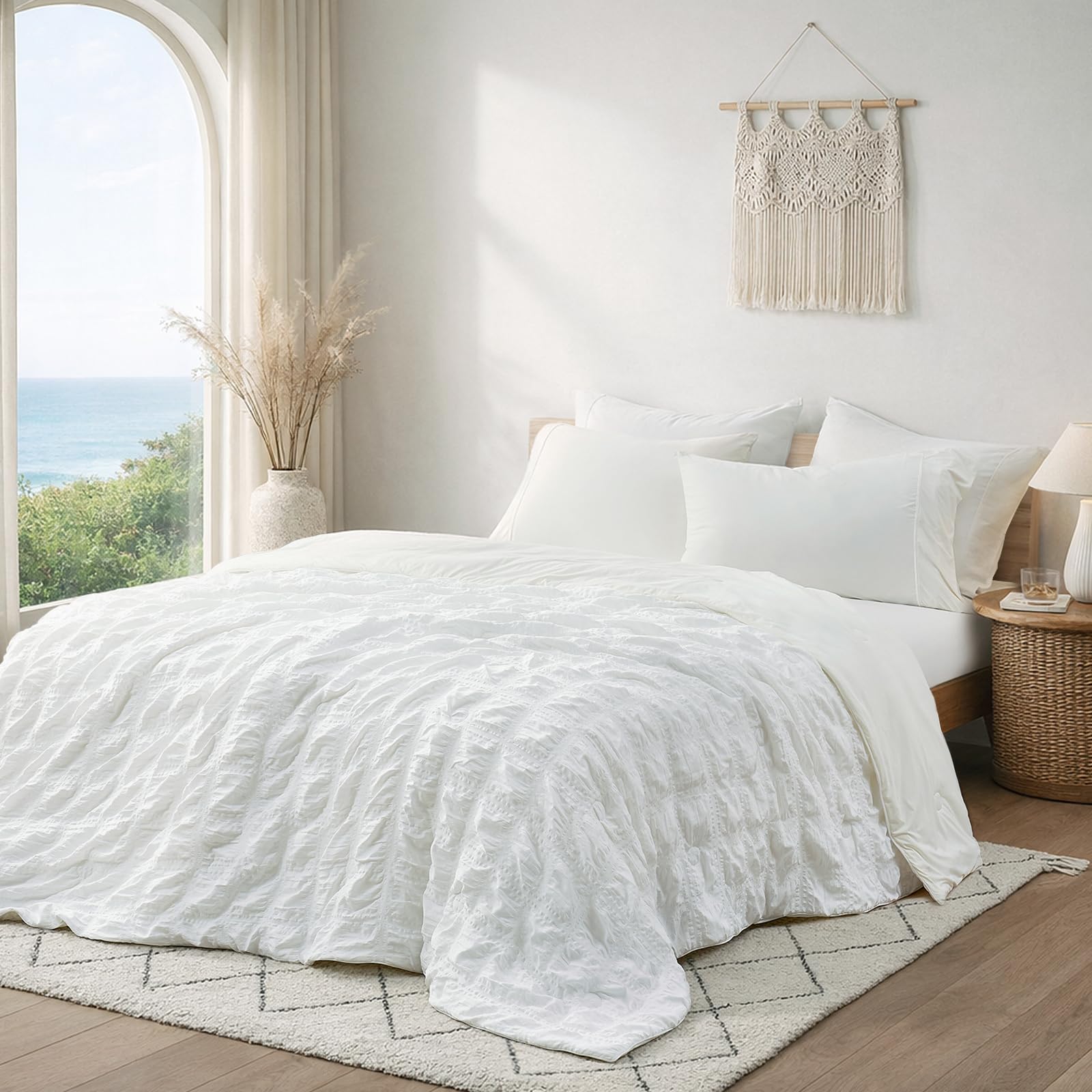

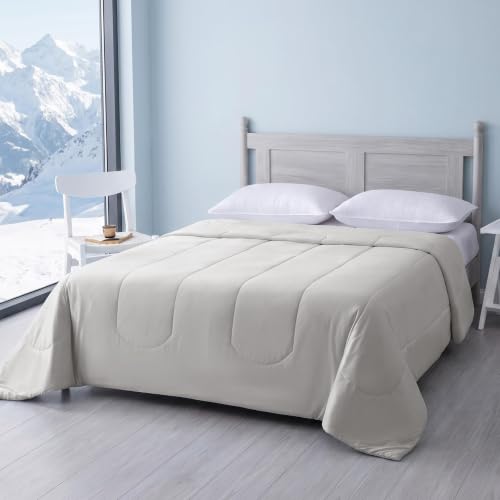
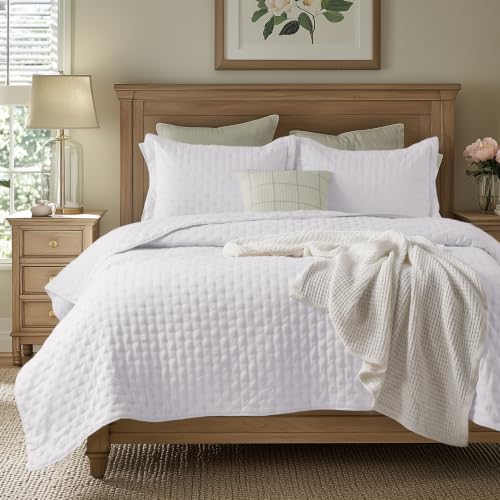
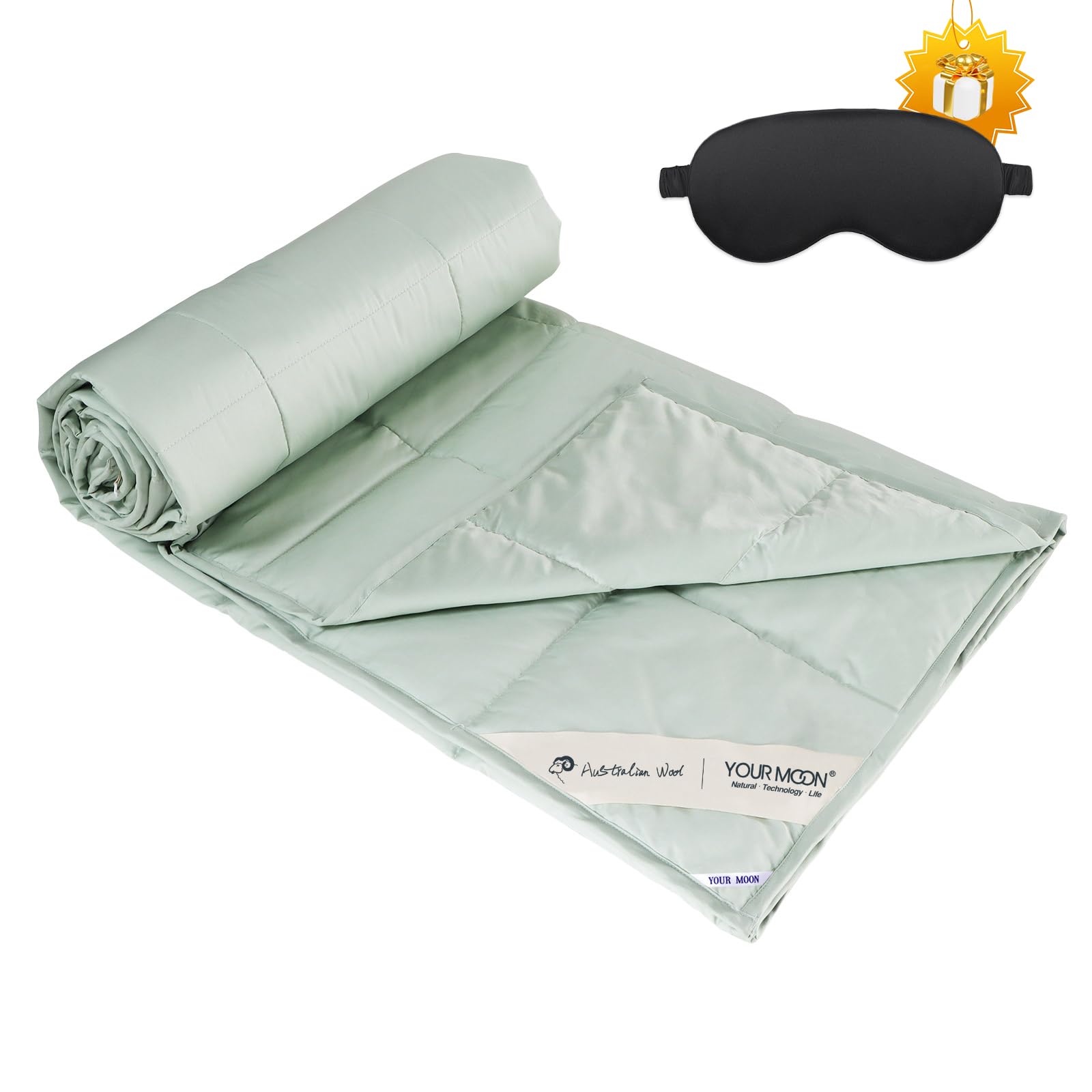
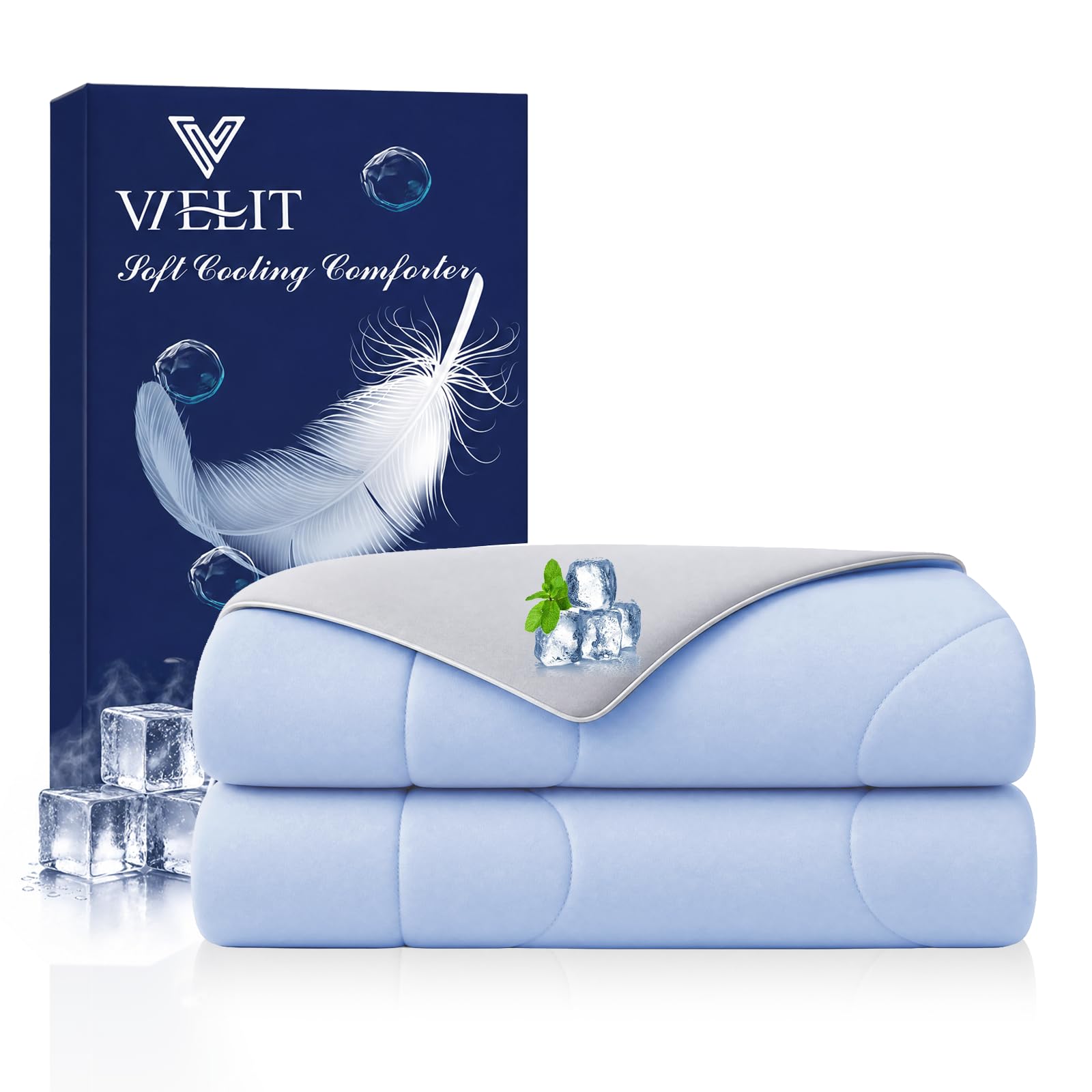

Summer Comforter Types at a Glance
For summer, three broad types cover almost every sleeper. Lightweight down gives soft loft with very little weight when the fill power is high and the fill amount is low. Down alternative gives similar softness, washes more easily, and suits people who avoid animal fill. Cooling fiber types use shells and fills chosen to move moisture and release heat quickly. Your room temperature and laundry habits matter as much as the fill itself.
Three Summer Types Compared
Lightweight Down Types
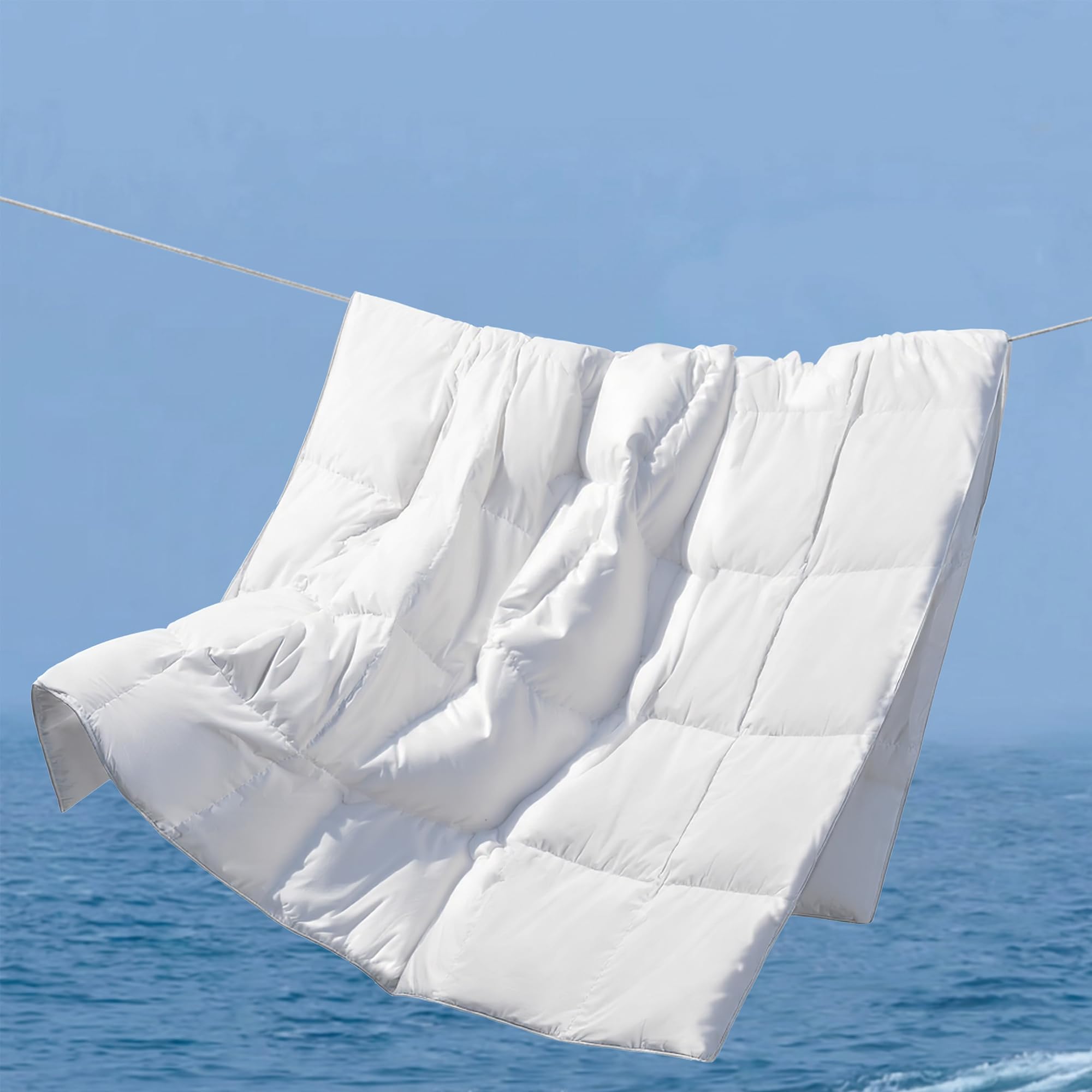
Down clusters trap air in tiny pockets, so a small amount of high fill power down can feel lofty without feeling heavy. For summer, look for low fill weight rather than winter fill weight. A cotton shell helps the fill breathe, and baffle or sewn through construction keeps the sparse fill from pooling in one corner. Down needs gentle care and full drying after washing. Choose this type if you love a soft, airy feel and your bedroom is cool at night.
Down Alternative Types
Down alternative fills use polyester or plant based fibers made to mimic the soft clumps of down. They usually cost less, tolerate machine washing better, and dry faster, which helps in humid homes. Quality varies a lot, so check how evenly the fill is distributed and whether the stitching holds it in place. If allergies or ethics rule out down for you, our guide to the best down alternative comforter explains fill blends in more depth. Choose this type for easy care and steady value.
Cooling Fiber Types
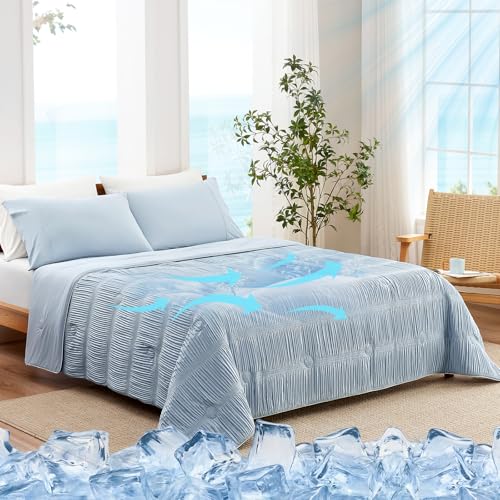
Cooling comforters pair a smooth, moisture moving shell with a fill that does not hold heat. Some shells feel cool at first touch, but that sensation fades within minutes, so the lasting benefit comes from breathability and quick drying rather than the first touch alone. These types suit people who wake warm even under a thin sheet. They can feel too cool in a strongly air conditioned room, so keep a light throw nearby if your partner runs the cooling low. Choose this type when night heat, not softness, is your main problem.
What to Judge in a Summer Comforter
Judge summer comforters on five criteria drawn from maker specifications. First comes temperature regulation, meaning fill weight, loft, and shell breathability. Second comes materials and certifications. Third comes comfort, meaning even fill, soft drape, and no scratchy seams. Fourth comes durability, including stitching and how well loft returns after washing. Fifth comes trial and warranty terms, since warmth is personal and you may need a home trial to judge it fairly.
How to Choose the Right Comforter for Summer
Size and Form Factor
Match the size to your mattress and to how much overhang you like on each side. Twin suits a single bed, full and queen cover most shared beds, and king and California king suit wide mattresses. An oversized king helps if you and your partner each pull the cover toward your side. Measure your mattress width and add the drop you want before you order. Also check whether the model is a standalone comforter or an insert meant for a cover, since our explainer on comforter vs duvet shows how the two forms differ in care and cost.
Type
Beyond the three types above, you will see all season, silk, wool, and weighted options. All season models often carry more fill than a true summer model, so read the fill weight instead of trusting the label. Silk and wool can regulate temperature well but need more careful washing. Weighted comforters add pressure many people find calming, yet the extra mass can feel warm in summer, so they fit cool rooms better. Let room temperature, not the label, decide your short list.
Features Worth Paying For
Corner tabs or loops are worth paying for if you plan to use a duvet cover, because they stop the insert from bunching inside the cover during the night. A reversible design gives you a quick change of look without extra storage. Strong edge stitching matters more than decorative patterns, since edges take the most pulling when you make the bed. Skip heavy embroidery that adds stiffness and extra layers added only for looks. Spend on construction and fabric first.
Sleep Position and Body Type
Side sleepers often want a comforter that drapes into the curve between shoulder and hip without leaving a cold gap. Back sleepers usually prefer an even, lighter layer that does not press on raised feet. Stomach sleepers tend to sleep warm because more of the body contacts the mattress, so they often do best with the thinnest option. Larger bodies generate more heat under a cover, while smaller sleepers may chill sooner in air conditioning.
Materials and Certifications
Cotton shells breathe well, while lyocell and other plant based shells move moisture quickly and feel smooth. Microfiber shells cost less but can hold more heat, so check the fill weight carefully with those models. For fill, note whether down is certified for animal welfare sourcing and whether synthetic fills carry a textile safety certification such as OEKO TEX. Certifications do not guarantee comfort, but they show that materials were tested for harmful substances and, for down, traced through the supply chain.
Cooling and Breathability
Breathability is about steady air and moisture flow all night, not a brief cool feeling when you first get into bed. Low loft helps because warm air escapes more easily from a thin layer. Open, light shells help too, and so does avoiding a heavy flat sheet under the comforter on very hot nights. Readers who wake hot should also read our guide to the best cooling comforter for models built around heat release. If you run hot year round, our roundup of the best comforter for hot sleepers adds more options.
Trial Period and Warranty
Warmth is hard to judge from a product page, so a home trial of at least a few weeks has real value in summer, when room temperatures change week to week. Read what the trial covers, including who pays for return shipping and whether the comforter must be unused, which would defeat the purpose. Warranties usually cover stitching and fill defects rather than normal loss of loft. Keep your receipt, since makers may ask about washing before they honor a claim.
How Much Should You Spend?
At about $50 and under, expect basic down alternative fills and microfiber shells that work for guest beds. Between about $50 and $100, you get better stitching, cotton shells, and more even fill. Between about $100 and $200, expect lighter down, smoother plant based shells, and stronger trial terms. Above about $200, you pay for premium down, silk or wool fill, and finer fabrics. Higher prices do not always mean cooler sleep.
What Matters Most in a Comforter for Summer
Summer changes the buying decision in four concrete ways. First, heat peaks at night in many homes because walls release stored warmth after sunset, so a comforter must release heat, not just feel light in your hands. Second, humidity slows sweat evaporation, which means moisture movement in the shell matters as much as fill weight. Third, air conditioning creates swings, warm at bedtime and cold before dawn, so a summer comforter should pair well with a thin throw. Fourth, summer laundry is more frequent because of sweat and sunscreen, so washability carries more weight than in winter.
Compared with a plain flat sheet, a summer comforter adds light weight and a finished look, and many sleepers settle faster with light pressure on the body. Compared with an all season comforter, a summer model gives up cold weather range for comfort on hot nights. If you own one comforter only and your winters are cold, an all season model plus a sheet may serve you better. If you can store two and swap by season, a dedicated summer model will sleep cooler.
FAQs
What is the best comforter for summer?
The right answer depends on your room and your body, but for most people it is a low loft down alternative or lightweight down model with a cotton or lyocell shell. One point the main sections did not cover is storage between seasons. Wash and fully dry the comforter before you store it in a breathable cotton bag, never in sealed plastic, because trapped moisture can cause odor and mildew while it sits unused for months.
What should I look for in a comforter for summer?
Start with fill weight, shell breathability, and care instructions, then check size and trial terms. A detail worth adding is color and sun exposure. Dark shells show fading faster if your bed sits in strong afternoon sun, and light shells show sunscreen and sweat marks sooner. Pick the color with your room light and laundry habits in mind, and rotate the comforter head to foot each week so wear and fading spread evenly across the surface.
How long does a comforter last?
A summer comforter often lasts about five to eight years with regular use, and longer if it is used only part of the year. The clearest end of life signs are fill that stays flat after shaking, clumps that will not separate, and a shell that thins or tears at the edges. Rotating two lighter comforters through the season can extend the life of both, since the fill gets rest days to recover loft between uses.
Is a comforter worth it in summer?
Yes, for most sleepers, because light weight on the body helps many people fall asleep even when the room is warm, and a comforter protects your sheets from sweat and body oils. It may not be worth it if your bedroom stays very hot at night with no fan or cooling, where a single cotton sheet could serve you better. In that case, spend on a fan or lighter sheets first, and add a summer comforter once the room itself is under control.
How do you clean a comforter?
Check the care label first, then wash in a large capacity machine with mild detergent and an extra rinse. Our step by step guide on how to clean a comforter covers stain treatment in detail. One extra tip is timing. Wash on a dry, breezy day if you plan to air the comforter after machine drying, and make sure down fills are completely dry before bed, since damp clusters can smell and lose loft overnight.
What is the most reliable comforter brand?
No single brand is most reliable for every buyer, and reliability in bedding shows up in consistent sizing, honest fill weight labels, and stitching that survives repeated washing. Look for makers that publish exact fill weights and shell materials, offer a real home trial, and answer care questions clearly before you buy. A brand that hides its fill weight or gives only vague warmth labels is a warning sign, whatever its advertising claims. Consistency across sizes in the same line is another useful sign.
Final Thoughts
Pick your summer comforter by room temperature first, fill weight second, and shell fabric third, and the choice becomes much simpler. The product table above lets you compare those three points side by side before you order. For most readers, the best comforter for summer is the lightest model that still gives you the soft pressure you like, in a fabric you can wash often. Choose that balance, use the home trial if one is offered, and you should sleep cooler through the whole season.