
Best Comfort Wedge Sandals 2026: Types Compared and How to Choose
Disclosure: We may earn a commission when you buy through links on this page, at no extra cost to you. As an Amazon Associate I earn from qualifying purchases. Learn more

Compare every type of the best comfort wedge sandals by pros, cons, ideal users and price range to choose the right style.
A wedge sandal gives you height without the wobble of a narrow heel, which is why wedges are the dressy shoe many people can actually walk in. Still, the range is huge: a low cork wedge for daily errands and a tall platform for a party are barely the same shoe. Comparing the main types first is the fastest route to the best comfort wedge sandals for your life.
This guide walks through each wedge family, explains who each one suits, and then covers fit, traction, and care. The comparison table below lists heel heights, materials, and price ranges together, so keep it nearby while you read.

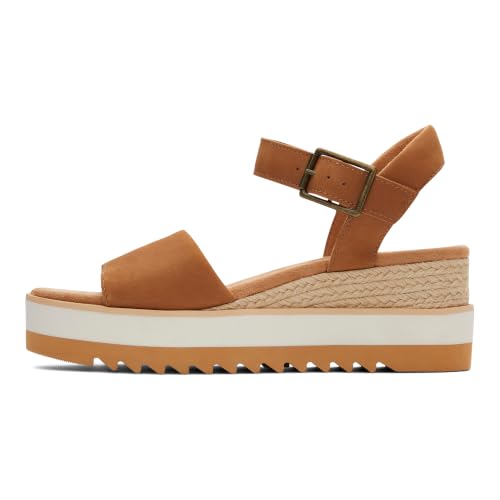


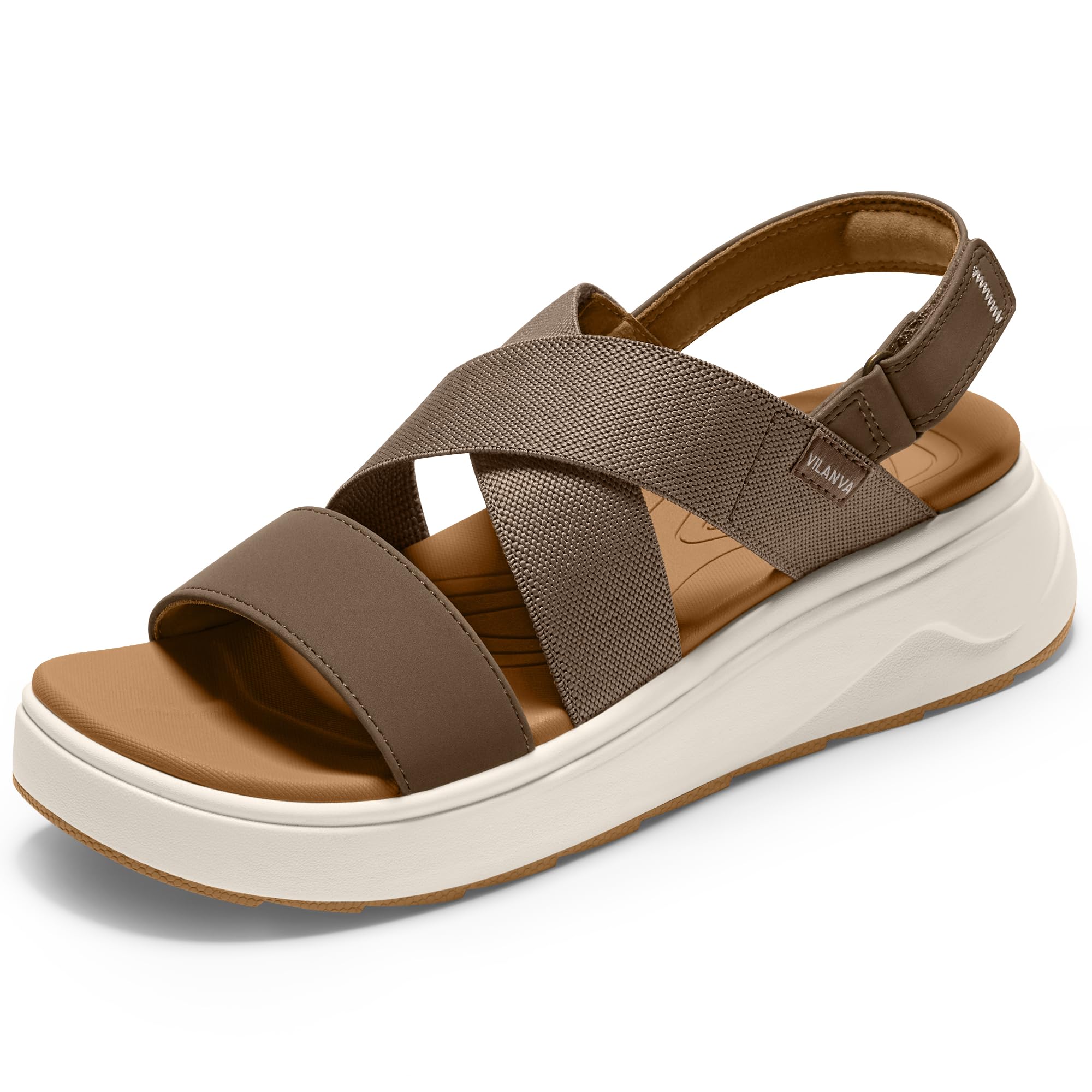
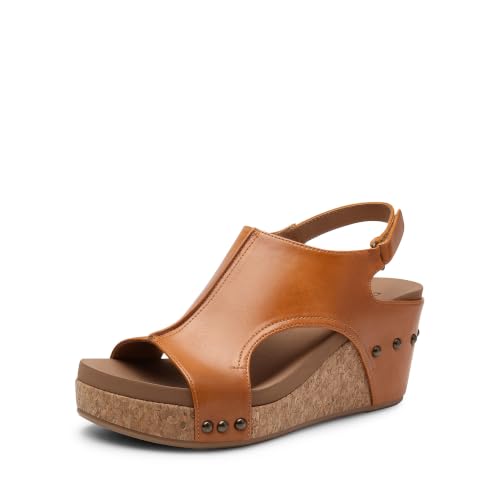


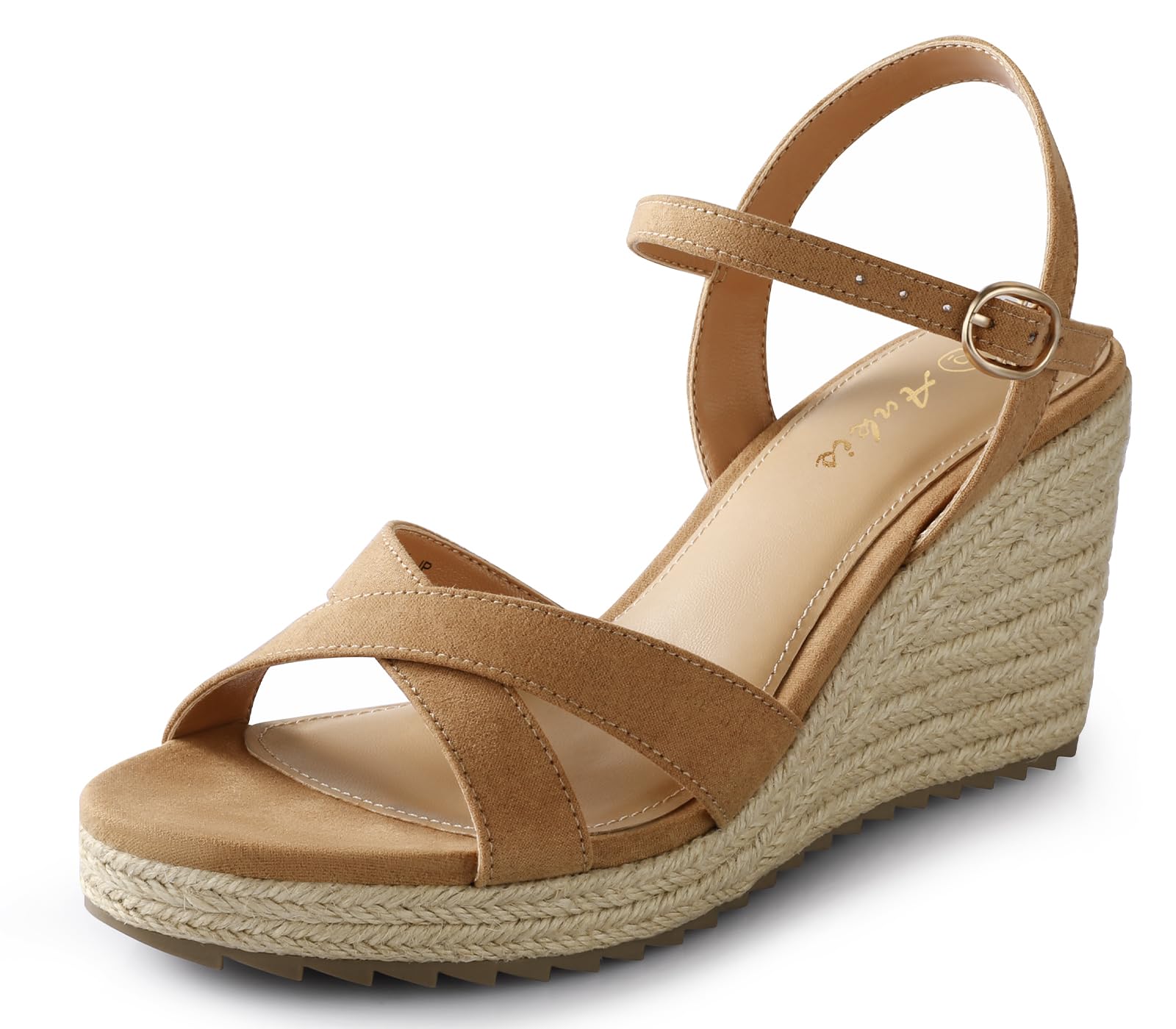

Types of Comfort Wedge Sandals Compared
Price tracks type fairly closely. Low everyday wedges usually run around $40 to $90, platform and fashion wedges around $60 to $140, and leather espadrilles or comfort brand wedges around $70 to $150. What separates the families is heel height, sole material, and how the foot is held in place.
Low Everyday Wedges
Low wedges carry a heel of about 1 to 2 inches with a gentle slope from heel to toe. Because the rise is small, your weight stays spread out and your calf stays relaxed, which is why this family handles full days of standing and walking best. Soles are often cork, foam, or rubber, and straps tend to be wider for security. The downside is modest height and a casual feel that may not satisfy a formal dress code. Choose low wedges for work, travel, and any day when you will be on your feet for hours and still want a lift. They also pack the easiest, since the slim profile slides into a suitcase corner.
Platform Wedges
Platform wedges raise the heel to 3 inches or more but add height under the toes too, so the actual slope your foot feels is gentler than the headline number suggests. That geometry is the whole trick: you gain a tall silhouette while your arch sits at a moderate angle. The trade offs are weight and stability on uneven ground, since a tall, stiff sole cannot flex with cobblestones or grass. Look for a rubber outsole and an ankle strap if you choose this family. Platforms suit evenings out, photos, and events on flat floors, and they reward a slower, deliberate walking pace.
Espadrille Wedges
Espadrille wedges wrap the wedge in braided jute and pair it with canvas or leather uppers, often with ankle ties. They are the classic summer vacation shoe, breathable and light, with a natural look that suits sundresses and linen. Jute does not love water, though, so a soaked espadrille can stain and weaken; keep this family for dry days. Comfort depends on the hidden structure, since some espadrilles are nearly flat inside while better ones hide a cushioned footbed. Choose espadrilles for warm weather style first, and check the footbed carefully if long walks are planned.
Wedge Sandals With Ankle Straps
This family is defined by how it holds the foot rather than by height, and it spans low to high wedges. An ankle strap, especially an adjustable buckle strap, stops the foot sliding forward and keeps the heel seated, which removes much of the toe gripping that tires feet. Padded straps matter, because a thin strap at the ankle can rub during a long day. This family suits anyone who finds backless or slide styles insecure, and it is the safest starting point if you are new to wedges. For more height focused browsing beyond comfort models, our guide to the best wedge sandals covers the wider category.
Low Wedges vs Platform Wedges: Which Should You Choose?
Decide by surface, schedule, and slope. On comfort across a full day, low wedges win, because the small heel to toe drop keeps calves, knees, and lower back happier. On height and formality, platforms win, delivering a dressier line for evenings and events. On stability, low wedges are steadier on grass, gravel, and old town streets, while platforms demand flat, predictable floors. On weight, platforms are usually heavier, which adds up over hours. A practical wardrobe answer is one of each: a low wedge as your default and a platform reserved for shorter, dressier occasions. If you can only buy one pair this season, buy the low wedge and you will wear it three times as often.
How to Choose the Best Comfort Wedge Sandals
Within any family, these four checks separate the pairs you will love from the pairs you will lend away.
Outsole Traction and Terrain
The outsole is the thin layer that meets the ground, and on wedges it does double duty because a tall sole raises your center of gravity. Rubber outsoles with a patterned tread grip marble lobbies, wet pavement, and pool decks far better than smooth leather or plastic soles. Check that tread covers the heel area too, not just the forefoot. For garden parties and outdoor weddings, a wider heel footprint resists sinking into turf. If a sole feels slick on a store floor, it will feel worse outside, so trust that first impression.
Fit, Sizing, and Toe Box
Fit a wedge late in the day when your feet are at their largest. Your heel should sit inside the back edge of the sole with no overhang, and your toes should reach near the front without spilling past it. A roomier toe box prevents the pinching that open sandals can still cause at the strap line. Because your foot slides forward on any slope, straps must hold the midfoot firmly; if you can fit two fingers under a strap easily, the foot will travel. Many wedge lines run narrow, so check for wide options before settling. Readers who need structured support should also see our guide to the best orthopedic wedge sandals.
Durability and Expected Lifespan
Wedges fail in predictable places: straps pull loose from the sole, cork crumbles at the edges, and foam soles compress until the slope feels harsh. Stitched strap attachments outlast glued ones, and a dense cork or rubber wrapped wedge outlasts bare foam. With regular summer wear, a good pair lasts two to four seasons. Rotate pairs on consecutive days so footbed foam recovers, and store wedges upright rather than crushed under other shoes. Resoling is rarely economical, so buy the sturdiest construction your budget allows at the start.
Upper Materials and Breathability
Leather straps soften, stretch slightly, and breathe, which makes them the comfort default for long wear, though they need protection from rain. Suede looks rich but marks easily and dislikes wet grass. Synthetic straps cost less, shrug off splashes, and have improved in softness, but budget versions can feel plasticky and trap heat. Canvas breathes well and suits espadrilles, while knit uppers flex around bunions and wide feet kindly. Whatever the material, check the underside of every strap: a smooth lining against the skin prevents most blisters.
Setup and Care Tips
- Break them in at home: Wear new wedges indoors for an hour or two before a long day, and note any strap that rubs.
- Air dry away from heat: Wet wedges should dry at room temperature, since direct heat cracks leather and can warp cork.
- Rotate two pairs: Alternating pairs across the week lets cushioning recover and extends the life of both.
- Protect cork and jute: Keep these materials out of rain, and brush dirt off when dry rather than washing.
- Retire worn soles: Once tread is smooth under the heel, grip drops sharply, so treat that as your replacement signal.
Comfort focused ratings across many wedge styles are compared on our page about the best rated sandals for comfort, which is useful background once you know your type.
Comfort Wedge Sandals: Your Questions Answered
How long is the break in period?
Most comfort wedges settle in within two to three wears, as leather straps relax and foam footbeds take a light impression of your foot. Cork footbeds take a little longer, often a week of regular wear, before they feel custom shaped. Tightness across the toes should ease during this window. Rubbing that breaks skin, or a slope that still feels unstable after several wears, points to a fit problem rather than a break in issue.
Are expensive comfort wedge sandals worth it?
Often, yes, because the money usually buys a shaped footbed, leather linings, and a real rubber outsole rather than a logo. Around $70 to $130 is the range where construction quality is consistently strong. Below about $40, footbeds are usually flat and straps are thin, which shows up as tired arches by evening. Above the mid range you mostly pay for fashion details. Judge a pair by its footbed and outsole, and price becomes a fair guide rather than a gamble.
How should comfort wedge sandals fit?
Your foot should cover the footbed fully, with no heel or toe overhang, and straps should hold you in place without marks or numbness. The slope does push weight forward, so a secure midfoot strap is essential. Walk on a hard floor before buying, because carpet hides both slipping and pinching. If your heel lifts out with each step, size down or choose a style with an ankle strap. For walking heavy days, our guide to the best walking wedge sandals adds fit notes for longer distances.
Do comfort wedge sandals need to be waterproof?
No, and almost none truly are, since an open sandal cannot seal water out. What you want for summer showers is materials that tolerate wetting: synthetic or treated leather straps and a rubber outsole that keeps its grip when damp. Cork and jute wedges suffer most from soaking and should stay home on wet days. After any soaking, dry the pair slowly at room temperature and never with a hair dryer or radiator.
Can I wear them all day?
Yes, in the right style: a low wedge with a contoured footbed and secure straps is a genuine all day shoe for many people. Build up wear time over the first week, and choose your lowest pair for days with the most standing. Platforms and tall espadrilles are better kept to a few hours. If foot, ankle, or knee pain builds across the day even in low wedges, rest your feet and consider advice from a clinician, because footwear alone may not be the issue. More women focused comfort options appear in our guide to the best women's sandals for comfort.
How often should I replace my comfort wedge sandals?
Replace them when the outsole tread smooths out, the footbed stays compressed, or straps stretch enough that your foot slides on the slope. For a pair worn several times a week each summer, that is typically after two to three seasons. Occasional event pairs last much longer. A simple check is walking on a smooth floor: if the heel skids or the wedge feels wobbly where it once felt planted, the pair is done.
Our Verdict
Choose the family by your calendar first: low wedges for long days, platforms for short dressy ones, espadrilles for dry summer style, and ankle strap designs whenever security matters. Then judge each pair by its outsole grip, footbed shape, and strap lining. Compare your finalists with the product table above, and the best comfort wedge sandals for you will be the pair you can walk home in without thinking about your feet.


