
Best Comfort Slippers for Men 2026: Daily Wear Guide
Disclosure: We may earn a commission when you buy through links on this page, at no extra cost to you. As an Amazon Associate I earn from qualifying purchases. Learn more

Choose the best comfort slippers for men by arch support, sole grip, warmth and fit, plus care tips that keep them supportive longer.
Choosing best comfort slippers for men is about more than softness: a slipper that feels plush for five minutes may flatten, slip, or strain your feet after hours at home. Good comfort slippers combine cushioning that holds its shape, arch support that matches your foot, and a sole that grips safely on hard floors. They should also fit securely without pinching toes or slipping at the heel.
The comparison table below outlines the main slipper styles for men, and the sections that follow explain how to judge them. You will learn how support, sole type, warmth, and sizing affect daily comfort, plus care tips that keep slippers supportive for longer.


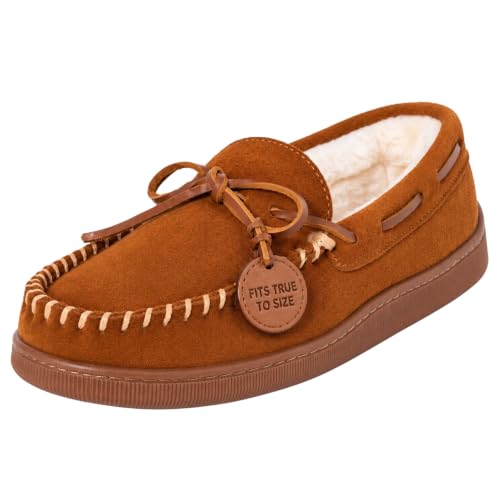
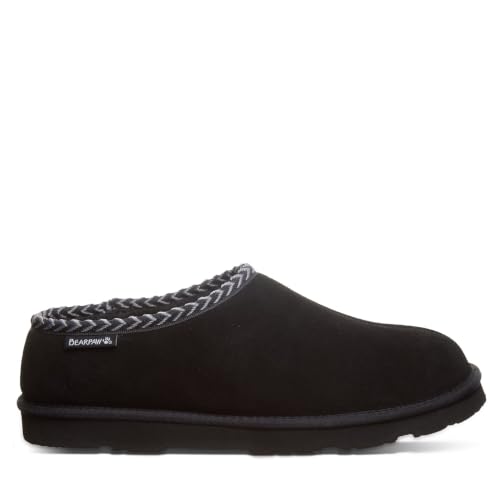


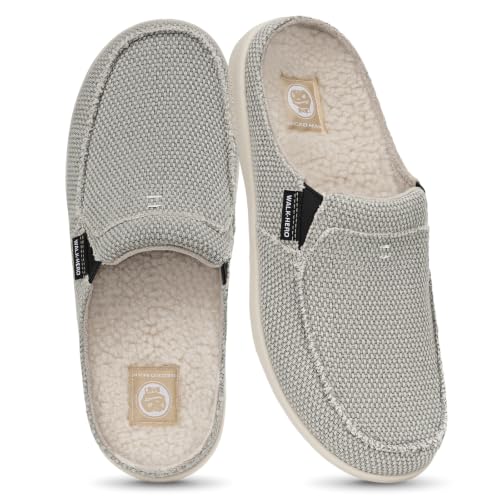


Who Needs Comfort Slippers for Men
The best comfort slippers for men suit those who spend long hours at home, work from home, or want supportive footwear after removing outdoor shoes. They help on hard floors, where bare feet or thin socks can tire feet and strain joints. If you stand to cook, work at a standing desk, or move around the house often, supportive slippers matter more than purely soft ones.
Men with flat feet, high arches, or a history of foot pain benefit most from structured support rather than flat, floppy slippers. A contoured footbed, a firm heel cup, and a secure fit can reduce fatigue, while a very soft slipper without support may feel good briefly but worsen tiredness over time.
Think about your home surfaces. Hardwood, tile, and laminate need grip and cushioning, while carpet needs less grip but still benefits from support. If you step outside briefly, choose a slipper with an outdoor capable sole, but do not use indoor slippers as a replacement for outdoor shoes.
Support, Cushioning, and Fit
Support starts with the footbed shape. A contoured footbed that follows your arch feels more stable than a flat insole, and a deep heel cup keeps your foot centred. If you use custom insoles, choose a slipper with a removable footbed so you can swap insoles without changing size.
Cushioning should rebound, not just feel soft at first touch. Memory foam feels plush initially but can flatten under sustained weight, while firmer foam or cork blends hold shape longer. Press the footbed and check whether it springs back, and walk for several minutes to judge real comfort.
Fit should be snug but not tight. Your toes should have room to move, your heel should stay in place when you walk, and the slipper should not slide forward. Try slippers later in the day when feet are slightly larger, and wear your usual indoor socks for an accurate fit.
Sole, Warmth, and Seasonal Choices
Sole type affects safety and durability. A rubber sole with a tread pattern grips hard floors and handles brief outdoor steps, while a soft fabric sole suits carpet but can slip on tile. Check sole flexibility too: a sole that bends at the forefoot feels more natural than a stiff board like sole.
Warmth should match your climate and home heating. Fleece lined slippers suit cold houses, while breathable cotton or open back slippers suit warmer homes. A slipper that is too warm can cause sweating and odour, so choose lining based on your usual indoor temperature, not just on winter weather.
For comfort focused options, compare best slippers for comfort and best quality slippers for men for build and material differences. Support focused buyers should check best orthopedic slippers for men, while seasonal choices appear in best winter slippers for men and best summer slippers for men.
Care, Replacement, and Foot Health Notes
Care extends slipper life and comfort. Air slippers after use, wash them on the maker schedule if washable, and avoid direct heat that can warp soles or footbeds. Rotate two pairs if you wear slippers daily, so each pair can dry and recover shape between uses.
Replace slippers when cushioning flattens, support collapses, or soles wear smooth. Worn slippers can increase slip risk and foot fatigue, especially on hard floors. Check heel cups and soles regularly, because wear often appears there first.
If foot pain persists, changes suddenly, or affects walking, talk with a clinician or podiatrist before relying on slippers alone. Comfort footwear can support daily comfort, but it does not diagnose or treat foot conditions, and professional advice matters for ongoing pain.
Getting More From Your Choice
Think about the seasons. A slipper that feels perfect in winter can feel too warm in summer, so keep a lighter pair for warm months and a warmer pair for cold ones. Seasonal rotation also extends life, because each pair rests for part of the year and recovers its shape.
Think about the rooms you cross. Kitchens and bathrooms present the biggest slip risks, so a grippy rubber sole belongs there, while a softer slipper suits a carpeted bedroom. Avoid wearing carpet only slippers on wet tile or laminate.
Slippers worn daily without socks can develop odour quickly. Wear light socks, air the pair after use, and wash it on the maker schedule if it is washable. If guests borrow slippers, choose a washable pair and launder it between visitors. Finally, reassess fit once a year: feet change with age, weight, and activity, and a slipper that begins to pinch or slide may simply no longer match your foot.
Frequently Asked Questions
What makes a slipper comfortable for all day wear?
A contoured footbed, a firm heel cup, cushioning that rebounds, and a secure fit matter most for all day wear. Pure softness without support can tire feet over hours. Check slippers by walking for several minutes, not just by pressing the footbed.
Should comfort slippers have arch support?
Yes, for most men, moderate arch support improves stability and reduces fatigue, especially on hard floors. Flat feet and high arches benefit from a contoured footbed, while neutral feet benefit from gentle support. Removable footbeds let you adjust support with insoles.
Are open back or closed back slippers better?
Closed back slippers stay on better and offer more heel support, which suits all day wear and stairs. Open back slippers are easier to slip on and cooler, but they can slide off during quick movement. Choose closed back for support, and open back for quick, short wear.
How do I choose slipper size?
Try slippers with your usual indoor socks, later in the day, and check toe room and heel security while walking. Sizes vary by brand, so use the maker size guide and check return terms. A slipper that feels tight at first rarely stretches enough to become comfortable.
When should I replace comfort slippers?
Replace them when cushioning flattens, the footbed loses shape, or soles wear smooth. Daily use may wear a pair out within a year, while occasional use lasts longer. Worn soles increase slip risk, so check grip regularly on hard floors.
Final Thoughts
Look for a contoured footbed, rebounding cushioning, a secure fit, and a sole that grips your home floors. Match warmth to your house temperature, and replace slippers when support or grip wears out.
With those checks, best comfort slippers for men can make daily indoor time noticeably easier on your feet. The product table above can help you compare slipper styles before you buy.


