
Best Comfort Shoes for Standing 2026: What Each Price Tier Gets You
Disclosure: We may earn a commission when you buy through links on this page, at no extra cost to you. As an Amazon Associate I earn from qualifying purchases. Learn more

Compare the best comfort shoes for standing by price tier, and see where spending more buys real fit, foam life and support on long shifts.
Standing shoes range from under $50 to well over $200, and the price gap can feel hard to justify when two pairs look similar on a shelf. The difference usually hides in foam quality, fit options, and how long the cushioning holds its shape. This guide to the best comfort shoes for standing shows where extra money genuinely helps and where it does not.
Use the comparison table below to sort options by price tier first, then read the sections that follow for the fit and support details a table cannot show. A shoe that suits an eight hour retail shift may be overkill for two hours of kitchen work, so match the tier to your actual day.
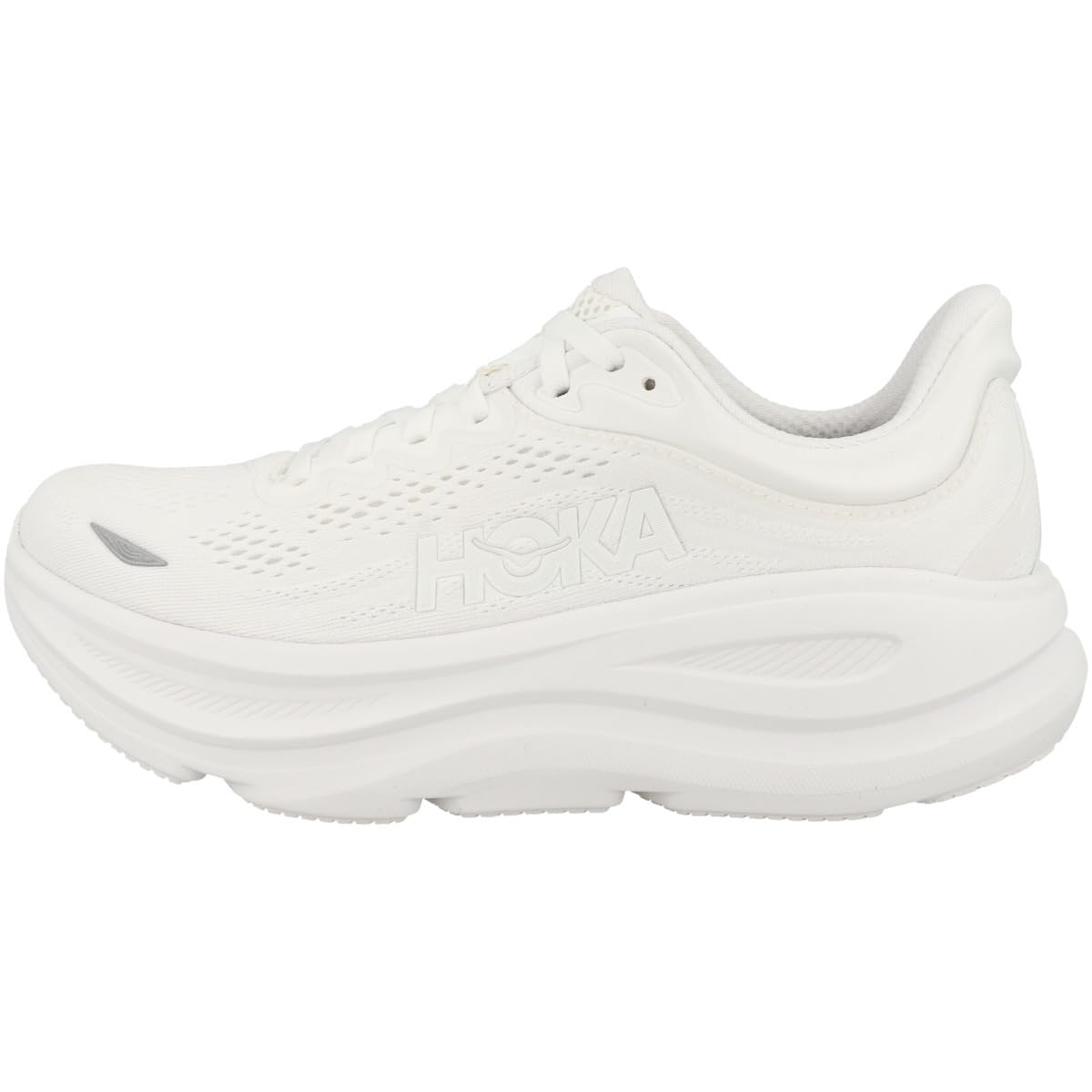
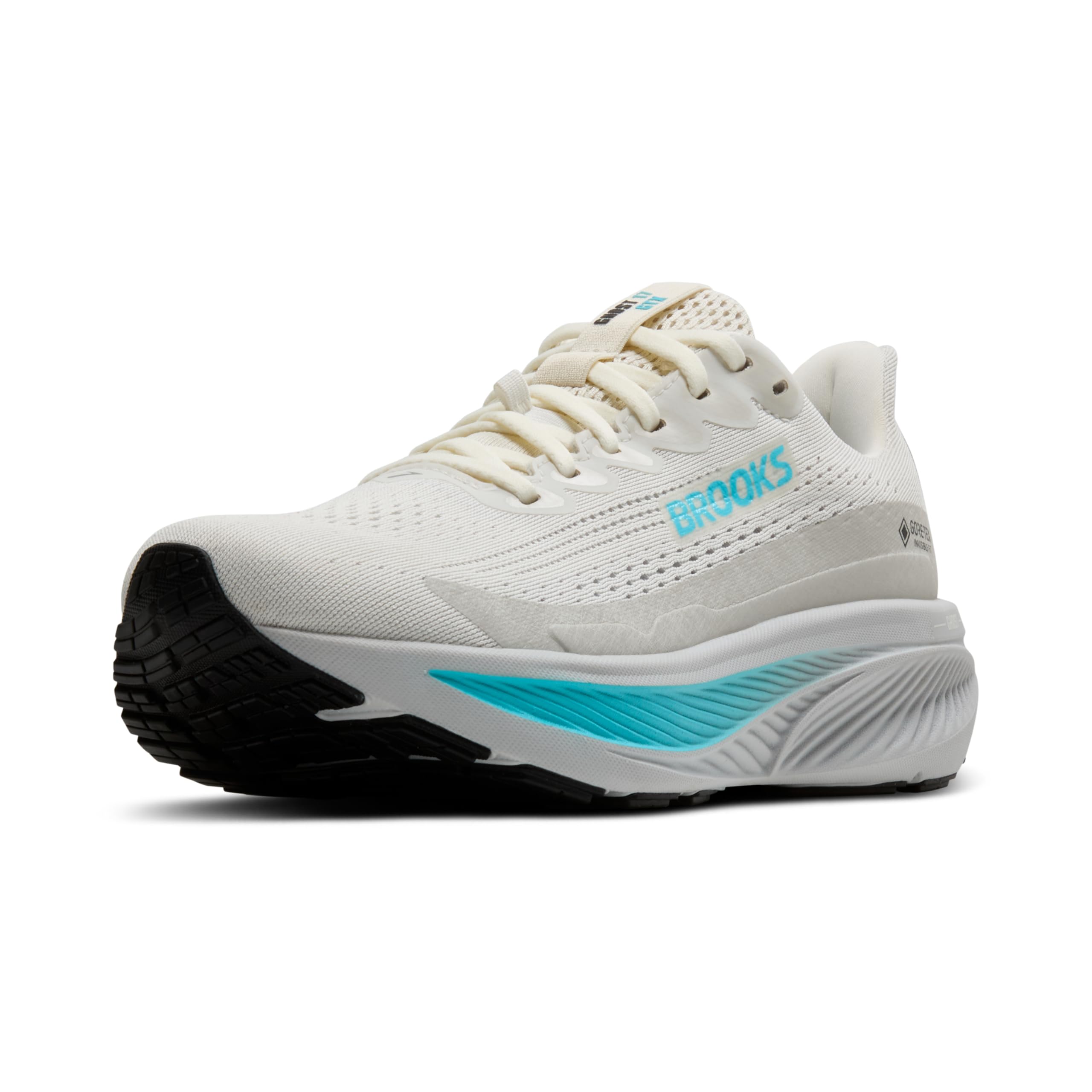
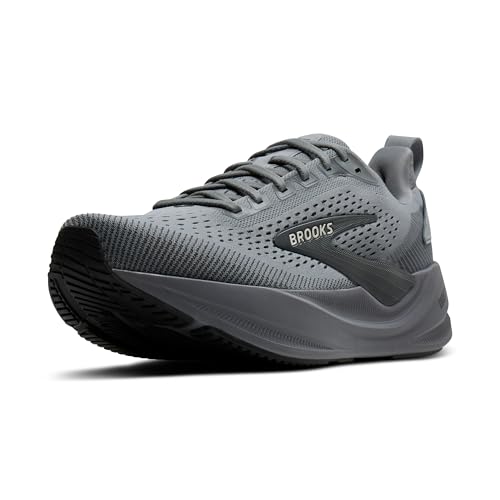


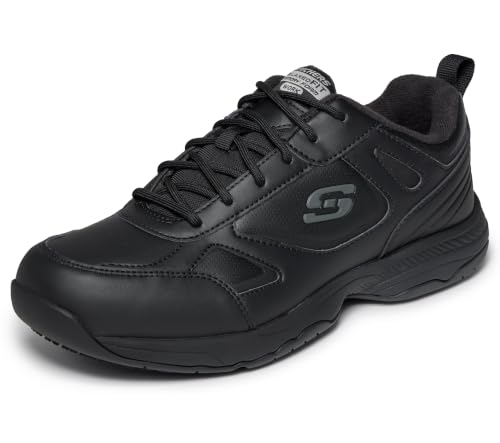


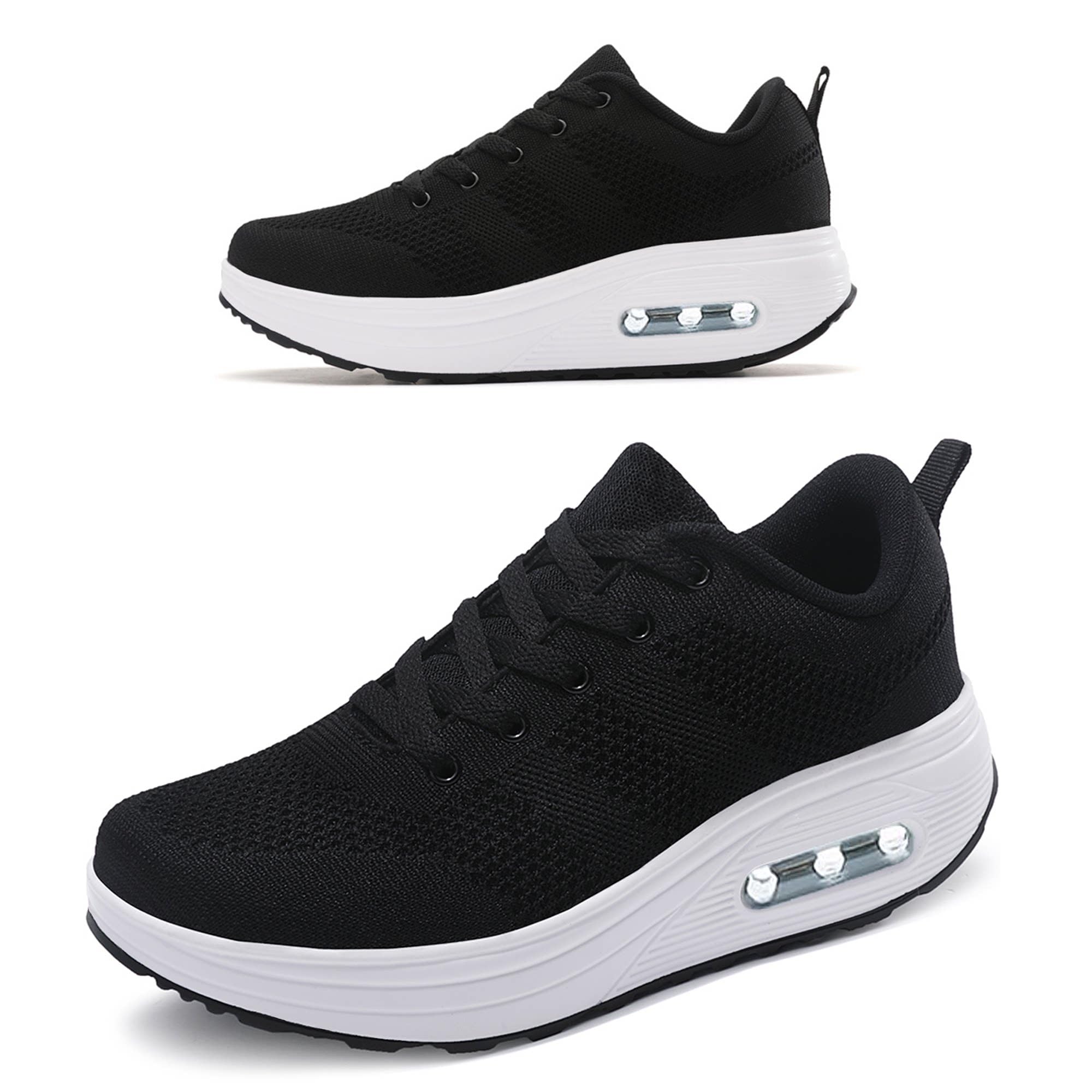


What to Expect at Each Budget Level
Instead of naming specific models, this section describes what a fair pair should deliver at each price level. If a shoe at a given tier lacks the basics listed here, it is not good value no matter how attractive the discount looks.
Budget Tier: The Basics Done Right
Around $40 to $80, expect a simple foam midsole, a basic fabric or synthetic upper, and standard widths only. Cushioning often feels pleasant for the first weeks, then packs down faster than pricier foams. Standing is harder on foam than walking, because your weight stays in one place instead of rolling forward, so plan on a shorter service life. This tier suits shorter shifts, occasional standing, or a backup pair for laundry days. Check that the insole is removable, since adding your own insole later can extend the useful life of an otherwise sound shoe.
Midrange Tier: The Sweet Spot for Most Buyers
Around $80 to $140, you usually get denser foam that resists flattening, better arch contouring, and a choice of widths. Uppers breathe better and seams sit flatter, which reduces rubbing during long shifts. Many models add a structured heel counter that steadies you when you pivot and reach at a counter or bench. For most people standing six to ten hours, this tier offers the strongest balance of comfort, durability, and price. If your job mixes standing with short walks, the guide to the best walking standing shoes helps you weigh rolling motion against static support. Many workers who compare options also read about the best shoes for standing to see how general standing features differ from pure walking features.
Premium Tier: Fit and Longevity Gains
Above about $140, spending more buys refined fit, premium leather or engineered knit uppers, and foams that keep their spring for a year or more of daily wear. You may also find rocker shaped soles that ease pressure on the forefoot. The comfort jump from midrange is real but smaller than the jump from budget to midrange. Premium makes most sense if you stand on concrete all day or have fussy feet that reject average lasts.
Features Worth Paying For in Comfort Shoes for Standing
The best comfort shoes for standing protect your feet hour after hour with a few key features, while others mostly decorate a product page. Some features protect your feet hour after hour, while others mostly decorate a product page. Spend first on fit, cushioning that suits your weight, and an outsole that grips your work surface. Skip paying extra for fashion panels, novelty laces, or technology names that the maker never explains in plain terms.
Fit, Sizing, and Toe Box
Measure both feet late in the day, when they are at their largest, and size to the longer foot. Your toes should wiggle freely and never press the front of the toe box, because feet swell during long shifts. Leave about a thumb width of space ahead of your longest toe. If one foot is a half size larger, consider heel grips or thicker socks for the smaller foot instead of sizing down and cramping the larger one.
Features That Matter for Standing
Standing loads the heel and forefoot without the relief that walking gives, so look for a thick, stable midsole rather than a soft, squishy one. Very flat shoes can strain calves during static work, so a modest heel lift often feels kinder. A firm heel counter, a wide base, and moderate arch support keep your ankles from rolling inward as muscles tire. Breathable uppers help, and waterproof membranes only matter if your floor gets wet.
Break In Period and Comfort Out of the Box
A good standing shoe should feel comfortable within the first few wears, with no pinching that needs to fade. Wear new pairs at home for an hour, then for a short shift, before trusting them for a full day. Leather uppers soften over one to two weeks, while knit and mesh styles usually feel right sooner. Pain that sharpens with wear is a fit problem, not a break in stage, so use the return window rather than hoping it resolves.
Upper Materials and Breathability
Mesh and engineered knit breathe best and dry quickly, which suits warm kitchens, clinics, and warehouses. Leather resists spills, wipes clean, and supports the foot more firmly, though it runs warmer. Synthetic uppers vary widely, so check seam placement over the toes and heel. If your workplace involves water or frequent spills, a waterproof upper protects socks and insoles, but it will always breathe less than an open mesh design.
Long Term Costs to Factor In
The purchase price is only part of what a standing shoe costs you. Replacement insoles run about $20 to $50, quality work socks add up across a year, and a shoe retired at eight months costs more per month than a pricier pair that lasts eighteen months. Factor in warranty terms and return windows too, since a generous trial period has real value when fit is uncertain. Readers comparing options for very long shifts may also find the guidance on best shoes for prolonged standing useful for planning replacement timing.
Rotating two pairs extends the life of both, because foam recovers between wears and uppers dry fully. Even a budget pair plus a midrange pair can outperform one premium pair worn every single day without rest. Track your purchase dates so you can judge cost per month honestly.
Comfort Shoes: Your Questions Answered
What features matter most in comfort shoes for standing?
Fit, stable cushioning, and arch support matter most. A shoe can have thick foam and still fail if the toe box cramps your toes or the heel slips. After fit, look at outsole grip for your floor type and an upper that suits heat and spills at your workplace. Small details like padded collars help, but they cannot rescue a poor basic fit.
How often should I replace my comfort shoes?
Replace them when the midsole feels flat or your end of day soreness returns, often after 6 to 12 months of daily standing. Check the outsole for smooth patches and the insole for deep permanent dents under the heel. Rotating pairs stretches the calendar life of each pair. If one shoe wears unevenly, mention it at your next medical visit, since gait issues can drive uneven wear.
Do I need waterproof shoes?
You need waterproof shoes only if your work involves standing water, frequent mopping, or outdoor exposure. Waterproof membranes add warmth and cost, and they slow drying once water gets in over the collar. For dry indoor floors, a breathable upper keeps feet cooler and more comfortable. If spills are occasional, a leather upper that wipes clean is often the better middle ground.
How should comfort shoes fit?
They should feel secure at the heel and midfoot with open space for the toes. Lace firmly enough that your foot does not slide forward, since sliding causes toe bang and blisters. Try shoes with the socks you wear at work and stand for several minutes in the store. A fit that only feels fine while sitting will usually disappoint by hour six of a shift.
Are expensive comfort shoes worth it?
They are worth it when the extra cost buys fit options and durability you will actually use. Wide widths, resilient foam, and leather uppers justify premium pricing for full time standing on hard floors. If you stand only a few hours a week, a midrange pair delivers most of the comfort for much less. Compare cost per month of expected use rather than the sticker price alone.
How long is the break in period?
Most modern standing shoes need only a few short wears, roughly two to five days of increasing use. Foams and knit uppers settle quickly, while stiff leather may take up to two weeks. Build hours gradually and keep your old pair as a fallback. Stop and reassess if you develop blisters in the same spot twice, because that signals a shape mismatch rather than normal adjustment.
Can I wear them all day?
Yes, a well fitted standing shoe is built for all day wear, but your feet still benefit from small breaks. Sit when you can, shift your weight, and stretch your calves during quiet moments. An anti fatigue mat at a fixed station reduces load further. For very demanding schedules, the advice gathered under best shoes for long standing covers pacing and rotation strategies in more depth.
The Bottom Line
Start with fit, then stable cushioning, then a price tier that matches your weekly standing hours. Midrange shoes serve most people best, while premium pairs pay off for concrete floors and difficult feet. Use the product table above to compare the best comfort shoes for standing by tier, and choose the pair your feet can forget about by midday.


