
Best Comfort Seat for Mountain Bike 2026: Match the Seat to Your Riding
Disclosure: We may earn a commission when you buy through links on this page, at no extra cost to you. As an Amazon Associate I earn from qualifying purchases. Learn more

Pick the best comfort seat for mountain bike trails by shape, padding, rails and covers, matched to how often and how far you ride.
No single seat suits every rider, because a weekend trail rider and a daily trail commuter ask different things from the same part. The best comfort seat for mountain bike use matches your routine, your posture, and the ground you ride most. This guide sorts seats by how you ride, not by looks alone.
The comparison table below gives a quick view of the main seat shapes, and the sections after it explain which shape fits each routine. Most comfort seats cost about $20 to $110, with sprung and extra wide designs near the top of that range.





Which Comfort Seat Matches Your Riding Routine?
Start from your typical ride, not from a feature list. The length of your rides, how upright you sit, and how often you ride in bad weather all point toward a different seat shape and cushion level.
Weekend Trail Riders
Weekend trail riders usually ride once or twice a week for one to three hours on mixed trails. A medium width seat with balanced cushioning works well here, since it supports relaxed pedaling without getting in the way on short climbs. Choose a cover that handles dust and light mud, and a shape that lets you slide back slightly on descents.
Trail Commuters
Trail commuters ride often, sometimes daily, and value a seat that feels the same on Monday as it did on Friday. Durability matters more than plush softness, so look for firm, even cushioning and a tough cover that resists wear from daily use. A water resistant cover is a smart pick if your route includes wet mornings.
Long Ride Tourers
Long ride tourers spend many hours seated and carry extra gear, which adds weight to the seat. A supportive shape with a relief channel helps here, because pressure builds slowly over hours rather than minutes. Prioritize even support and a stable clamp over maximum softness, and try any new seat on a medium ride before a full day out.
Wet Weather Riders
Wet weather riders need a seat that sheds water, dries fast, and keeps its grip when soaked. Smooth waterproof covers work well, but check that the surface does not become too slick on steep sections. Sealed stitching and rust resistant rails also last longer when the bike is often wet and muddy.
Features of the Best Comfort Seat for Mountain Bike Riding
Four features shape most of the difference between seats. Consider them against your routine, and you will find that some popular features matter far less for your kind of riding than the marketing suggests.
Seat Width and Outline
Width should suit your sit bone spacing and your pedaling style, with upright riders usually needing more width than leaned forward riders. The outline matters too: a rounded rear supports riders who stay seated, while a tapered nose helps riders who pedal hard. If your thighs rub during pedaling, the seat is likely too wide for your style, even if it feels comfortable when you first sit down.
Cushioning and Flex
Cushioning ranges from thin and firm to thick and soft, and some seats add springs or a flexible base for extra give. Thick cushioning feels inviting at first, yet it can compress unevenly and shift your position on long rides. A moderately firm cushion with a little flex often gives steadier support, and springs suit upright riders on rough paths more than hard pedaling riders.
Rail Strength and Clamp Fit
Seat rails connect the seat to the seatpost, and most use round metal rails in a standard clamp. Confirm that your seatpost clamp accepts round rails before ordering, and check the rail material: steel rails are strong and affordable, while alloy rails cut weight. Follow the maker instructions for tightening, and recheck the bolts after the first rides, since a slipping seat ruins comfort fast.
Cover Grip and Weather Handling
Cover texture decides how much you slide when the trail gets rough. A lightly textured cover holds you steady without locking you in place, while a very smooth cover suits riders who shift position often. For wet riding, pick a cover that repels water and dries quickly, and wipe mud off the underside so grit does not wear the rails.
Seat Shapes at a Glance
Most comfort seats fall into three shapes. Each one trades freedom of movement against support, so the best choice depends on how you ride rather than on a single comfort score. Riders comparing gender specific fits can also see our guides to the best mountain bike seat for men and the best mountain bike seat for women.
Wide Padded Seats
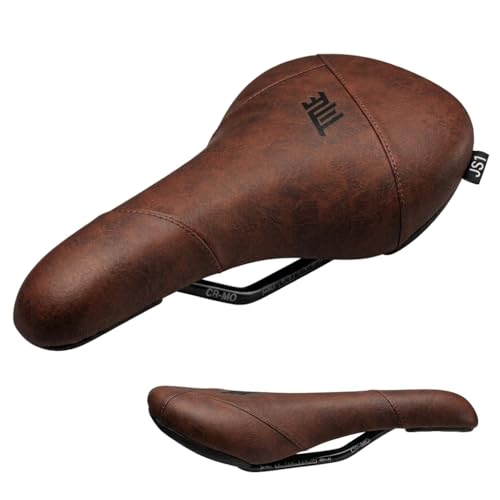
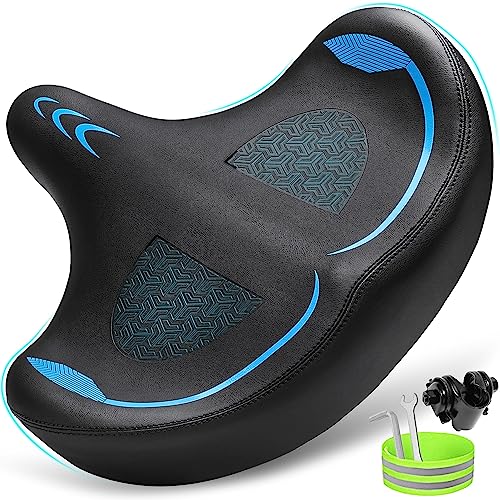
Wide padded seats give the most surface area and suit upright, relaxed riding on gentle trails. They are a good match for commuters and casual weekend riders who stay seated most of the time. The trade off is less leg freedom, so they are less ideal for hard climbing or fast technical sections.
Slim Sport Seats
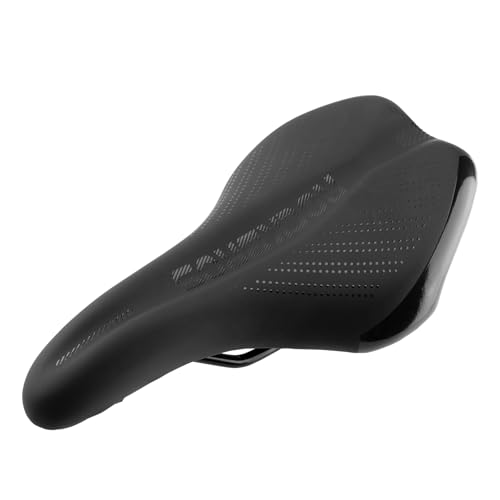
Slim sport seats use a narrower outline and firmer cushioning to free up leg movement. They suit riders who pedal hard, stand often, and move around the seat on descents. They may feel firm on the first ride, but many riders find them more comfortable than wide seats once the ride passes the one hour mark.
Split and Channel Seats
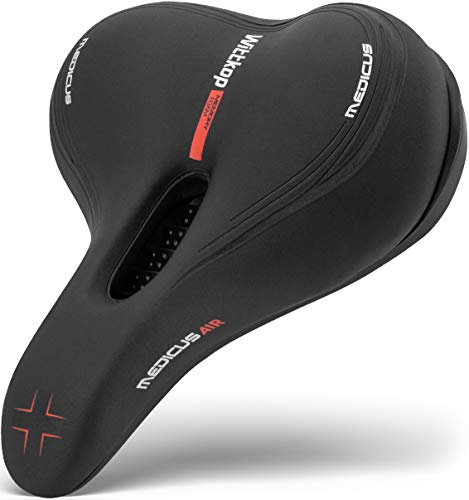
Split and channel seats cut a gap or a groove down the middle to ease pressure in the center. They help riders who notice pressure or tingling on longer rides, especially when leaning forward. Make sure the split section feels stable under your weight, and set the seat level so the front does not tilt upward.
Fitting and Setting Up Your New Seat
Start by setting the seat level, then adjust its fore and aft position so your knees feel comfortable through the pedal stroke. Raise or lower the seatpost until your leg has a slight bend at the bottom of the stroke, and tighten everything to the maker torque ratings. Ride for at least half an hour before judging the fit, since short tests hide problems that only appear later.
Change only one setting at a time, and note what each change does. If you feel pressure at the front, try a tiny downward tilt; if you slide forward, level the seat again and check the fore and aft position. Wear a helmet, follow local trail rules, and see a clinician if pain or numbness keeps returning despite careful setup.
Seat Buying Mistakes to Skip
- Buying the widest seat available without checking sit bone spacing or pedaling style.
- Judging a seat from a shop floor sit instead of a real ride of at least thirty minutes.
- Forgetting to check seatpost clamp compatibility before ordering new rails.
- Setting the nose sharply upward, which increases pressure instead of relieving it.
- Replacing a seat repeatedly while ignoring a fit problem that a setup change would fix.
Keeping Your Seat in Good Shape
Wipe the cover with mild soap and water after muddy rides, and store the bike out of harsh sun when possible. If you carry tools and spares, see our guide to the best seat bag for mountain bike for storage that mounts under the seat. Inspect the rails and the cover edges now and then, and replace a seat with bent rails or torn padding rather than riding on damaged support. A monthly bolt check keeps the seat angle steady and prevents the slow slip that turns a good seat into a sore ride.
Frequently Asked Questions
Do seat covers add real comfort to a mountain bike seat?
A padded cover can soften a firm seat for short rides, but it cannot fix a wrong shape or a poor fit. Covers add bulk, can shift during riding, and may trap moisture against the seat underneath. They work best as a short term fix or for gentle rides under an hour. If you ride longer or often, a seat with the right width and shape beats a cover on top of the wrong seat.
What seatpost size does a new mountain bike seat need?
The seat itself does not set the seatpost size; the seatpost diameter must match your bike frame, while the seat rails must match the seatpost clamp. Most comfort seats use round rails that fit standard clamps, but some clamps suit oval rails instead. Measure your seatpost diameter or check the frame maker specs before ordering a new post. When in doubt, bring the old seat and post to a shop for a quick compatibility check.
How long does a new mountain bike seat take to break in?
Most seats settle within three to five rides as the cushioning compresses slightly and you adjust the position. A seat that causes sharp pain or numbness from the first ride is unlikely to improve with break in, so do not wait months hoping it will soften. Small setup changes, such as tilt or fore and aft position, often matter more than waiting. If discomfort persists after a few adjusted rides, the shape or width is probably wrong.
How do I protect a mountain bike seat in the rain?
Choose a water resistant cover, wipe the seat dry after wet rides, and store the bike under cover when you can. Water left sitting on stitching and around the rails speeds up wear and can lead to rust on steel rails. A simple seat cover for parking outdoors helps, but remove it before riding so it cannot shift under you. Check the rails and clamp bolts more often during wet seasons.
What seat suits an upright riding posture?
Upright riders usually do best with a wider seat, moderate cushioning, and a rounded rear that supports the sit bones directly. Springs or a flexible base can add comfort on rough paths, though they add weight. Avoid very narrow sport seats, which concentrate weight on a small area when you sit tall. Ride the seat for at least thirty minutes, since upright posture problems often show up only after sustained sitting.
Our Verdict
Match the seat to your routine first, then to your fit, and the choice becomes much simpler. The best comfort seat for mountain bike riding supports your sit bones, suits your posture, and holds up to the weather you ride in. Review the product table above, confirm your seatpost clamp fit, and pick the shape that fits the rides you actually take.


