
Best Comfort Sandals for Plantar Fasciitis 2026: Complete Buying Guide
Disclosure: We may earn a commission when you buy through links on this page, at no extra cost to you. As an Amazon Associate I earn from qualifying purchases. Learn more

Sort the best comfort sandals for plantar fasciitis by arch support, heel cushioning and fit, plus when heel pain means asking a doctor.
Heel pain that greets you on your first morning steps changes how you shop for sandals. Flat, flimsy pairs that felt fine for an hour can leave the band of tissue under your foot aching by evening. This guide to the best comfort sandals for plantar fasciitis explains which features ease strain on that tissue, how to judge fit at home, and when pain is a sign to get medical advice instead of new footwear.
Look at the comparison table below first, then use the buying guide sections to interpret what you see. Sandals can support comfort, but they do not diagnose or cure a foot condition.


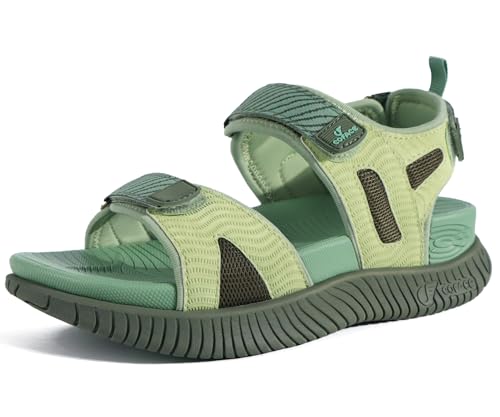


Price Tiers at a Glance
Instead of chasing a single named model, shop by tier. Each tier below describes what your money generally buys, so you can set a budget before you compare the product table above.
Balanced Everyday Tier
Around $80 to $130, this tier usually delivers the full comfort package: a contoured footbed with real arch lift, a cushioned heel cup, and straps that adjust in at least two places. Materials tend to hold their shape through a full season of daily wear. For most people with plantar fasciitis, this is the sensible starting point, because the features that protect the heel and arch are all present without paying for premium leather or fashion branding.
Budget Tier
Around $40 to $80, budget sandals can still help if you choose carefully. You often get a shaped footbed and decent heel cushioning, but foam may compress sooner and straps may adjust in fewer places. This tier suits lighter use, such as indoor wear and short outings, or a first experiment to learn whether strong arch support suits you. Check the return window closely, because fit feedback matters more than the small savings.
Premium Tier
Above around $130, you pay for durability and refinement: denser footbed materials that resist packing down, leather uppers that mould to your foot, and outsoles that grip well and wear slowly. The support itself is not automatically better than the middle tier, so judge the footbed shape rather than the badge. This tier makes sense for heavy daily use, long travel days, and people who keep one pair in service for several seasons.
How to Choose the Best Comfort Sandals for Plantar Fasciitis: Buying Guide
This is the heart of the guide. Work through each feature with your own symptoms in mind, and remember that the right sandal reduces strain; it does not replace assessment by a clinician when pain persists.
Features That Matter for Plantar Fasciitis
The plantar fascia runs from your heel to your toes and supports your arch. When it is irritated, a sandal should limit how much it stretches under load. Look for a firm arch contour that meets your arch early in the step, a deep heel cup, and a sole that bends at the toes rather than through the middle. A slight rocker shape can also reduce the push off strain that aggravates the tissue near the heel.
Fit, Sizing, and Toe Box
Measure your feet in the afternoon, when swelling makes them largest, and follow the brand chart rather than habit. Your heel must sit inside the cup, not on its rim, because a heel that lands on the edge loses cushioning exactly where you need it. The toe box should let your toes lie flat and spread; cramped toes grip and load the fascia. If you wear custom orthotics in shoes, ask whether the sandal footbed is removable before assuming they will fit.
Outsole Traction and Terrain
A rubber outsole with a varied tread pattern grips wet pavement and smooth store floors better than flat foam. Deeper lugs help on gravel and garden paths but can feel clunky indoors, where most plantar fasciitis wear happens. Match tread to your real surfaces. A stable, slightly wider outsole also reduces ankle wobble, which matters because an unsteady step twists the foot and tugs at the fascia on every stride.
Arch Support and Foot Type
Flat feet often roll inward and stretch the fascia, so they usually need firmer arch support and a stable heel. High arches concentrate pressure at the heel and forefoot, so they need contour plus generous heel cushioning. Neutral feet fall between the two. If you are unsure of your type, look at a wet footprint: a full print suggests a lower arch, while a print with a thin outer band suggests a higher one. Our broader guide to the best shoes for plantar fasciitis explains foot types alongside closed shoe options.
Cushioning and Support
Cushioning absorbs the heel strike, while support keeps the arch from collapsing into the step. You need both, in that order of checking: press the heel area and look for slow, springy recovery rather than a mushy collapse. Heel to toe drop in supportive sandals is modest, and a slightly raised, well cushioned heel often feels kinder than a completely flat sole. Avoid very soft foam that bottoms out, because once it compresses, your heel lands on a hard base.
Water Friendly Materials
Full waterproof membranes rarely make sense in an open sandal, since water enters freely over the straps. What you may want is water friendly construction: synthetic straps that do not stretch when wet, a footbed that does not stay slick, and materials that dry overnight. Leather looks smart but absorbs water and can stiffen. If you need indoor support after a shower, a simple washable slide style often beats a technical membrane design.
Types of Comfort Sandals
Neutral Support Sandals
Neutral designs offer balanced cushioning without strong motion control. In sandal form, that means a moderately contoured footbed that suits average arches and mild symptoms. They feel natural quickly and work well for varied daily wear, but severe overpronation may need a firmer support style instead.
Closed Weather Footwear
Closed, weather ready footwear protects toes and sheds rain, and some people rotate to it in winter when sandals are impractical. It offers full coverage support, but it is hotter and heavier, and a stiff boot can change your gait. Treat it as a seasonal partner to your sandals, not a replacement for a well fitted open pair in summer.
Stability Sandals
Stability designs add firmer material under the arch and a structured heel counter to limit inward roll. For plantar fasciitis linked to overpronation, this control often matters more than extra softness. The feel is firmer at first, so build wear time slowly. Shoppers comparing sandal specific support can start with our guide to the best sandals for plantar fasciitis and then narrow by strap style.
Sandals and Recovery Footwear
Recovery slides and cushioned sandals are built for short, gentle wear after sport or long shifts, with thick, soft footbeds and easy on and off access. They feel soothing at home, and many people keep a pair by the bed for first morning steps. Their softness limits them, though: for long walks, choose a firmer, more structured sandal. Slide fans can compare options in our guide to the best slide sandals for plantar fasciitis for home use ideas.
Tips to Get the Most From Your Comfort Sandal
- Build up wear time over a week, starting with an hour or two indoors, so your arch can adapt to stronger support.
- Air dry wet sandals away from direct heat, because heat warps the footbed shape that your comfort depends on.
- Rotate two pairs for daily wear, letting foam recover and straps dry fully between outings.
- Do gentle calf stretches as your clinician advises, since tight calves raise tension through the heel into the fascia.
- Replace sandals when the heel cushion stays compressed or morning comfort fades, even if the straps still look fine.
- Keep a supportive pair by your bed and use them for first steps, when the fascia is stiffest after rest.
Gendered lasts can change fit, so women may also consult the best women's sandals for plantar fasciitis guide and men the best men's sandals for plantar fasciitis guide for width and sizing notes.
Warning signs: see a doctor or podiatrist promptly if heel pain lasts more than a few weeks despite rest and better footwear, if you notice swelling, numbness, or bruising, if pain followed a sudden injury, or if you have diabetes or circulation problems. Footwear supports comfort; only a qualified professional can diagnose the cause of your pain and advise treatment for your situation.
Frequently Asked Questions
What features matter most in comfort sandals for plantar fasciitis?
A firm arch contour, a deep cushioned heel cup, and a sole that stays stiff through the midfoot matter most. Together they limit fascia stretch and soften heel strike. One extra check: stand on one foot in the sandal. If your arch visibly collapses inward, the support is too weak for your needs, whatever the marketing claims.
How long is the break in period?
Expect several short wears across about a week. Strong arch support can feel odd, even slightly pushy, at first, and mild awareness is normal while your foot adapts. Sharp pain is not part of break in. If the contour hurts in one precise spot after a week of gradual wear, the shape does not match your arch and a different style is wiser.
Can I wear them all day?
Many people do, once fit and support are right and wear time has been built up gradually. Alternate with supportive closed shoes on very long days, and notice your evenings: rising heel soreness across the week is a signal to rest, ice as a clinician advises, or rotate footwear. All day comfort should trend better over time, not worse.
How often should I replace my comfort sandals?
Replace them when support fades, typically after one to two seasons of daily wear. The clearest test is comparison: press the heel of your used pair and a new pair side by side. If yours feels dead and stays dented, its cushioning is spent. Worn tread and a heel cup that no longer centers your foot are further signs.
Do I need waterproof shoes?
Usually not for this condition. What matters is that wet straps do not stretch and change your fit, so synthetic, water friendly materials are the practical choice for pool decks and summer rain. A waterproof membrane in an open sandal adds cost and warmth without keeping feet dry, because water simply flows in over the top.
Final Thoughts
Prioritize a firm arch contour, a cushioned heel cup, and an honest indoor trial, and let price tiers guide your budget rather than brand names. The product table above pulls your shortlist together in one place. When you settle on the best comfort sandals for plantar fasciitis for your feet, talk with your clinician about your personal needs, especially if pain continues, so footwear and care work together.


