
Best Comfort Sandals for Narrow Feet 2026: Types Compared and How to Choose
Disclosure: We may earn a commission when you buy through links on this page, at no extra cost to you. As an Amazon Associate I earn from qualifying purchases. Learn more

Compare the main types of the best comfort sandals for narrow feet, with fit advice on straps, heel cups, widths and cushioning for a secure feel.
If your feet slide inside most sandals, the problem is rarely your feet. Most sandals are built on a medium last, so a narrow foot swims in them, straps gap, and your toes grip to keep the sandal on. This guide to the best comfort sandals for narrow feet compares the main types clearly, so you can match a style to your routine before you spend anything.
Use the comparison table below as your starting map. Then read the type breakdown that follows, because the same cushioning can feel secure in one design and sloppy in another when your foot runs slim.


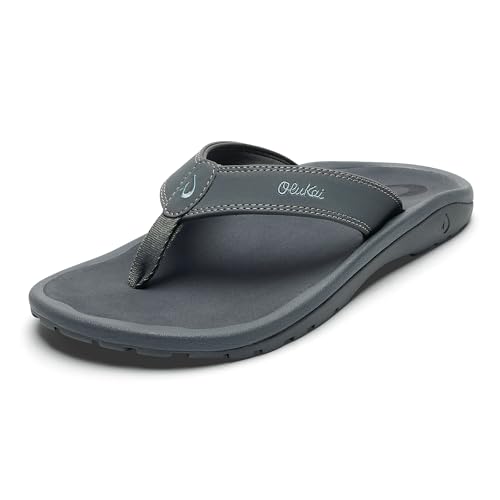


Types of Comfort Sandals Compared
Three broad families cover most of what you will see. Prices below are typical ranges, not promises: simple lightweight styles often sit around $40 to $80, support focused styles around $80 to $140, and weather ready closed styles around $90 to $160. For narrow feet, strap adjustment range matters more than family labels, so judge each type by how far its straps can truly cinch down.
Closed Toe Weather Sandals
This family covers closed toe, weather ready styles with sealed uppers and grippy outsoles, built for wet trails and rainy travel. Their strength is protection: toes stay covered, and deep tread handles slick ground. For narrow feet, the catch is volume, because closed uppers cannot cinch as far as open straps can. Look for a lace or strap system that pulls the midfoot in, and wear the socks you plan to use when you judge fit. Choose this family if weather and coverage come first.
Support Sandals
Support focused sandals use a structured footbed, a firm heel cup, and often a mild arch rise to keep the foot centered. That structure is a gift for narrow feet, because the cup and contour hold a slim heel that would otherwise wander. The trade off is weight and a firmer first feel, plus a higher price. If you stand all day or your ankles roll inward, this family usually gives the most secure ride. Readers comparing dedicated support models can also see our guide to the best supportive sandals for narrow feet for more on footbed firmness.
Lightweight Sandals
Lightweight sandals use thin straps, foam footbeds, and flexible soles to keep weight low for travel and casual wear. They pack flat and feel easy from the first step, which suits short walks and beach days. The risk for narrow feet is looseness: thin straps often have few adjustment points, so a slim foot can slide forward. Favor lightweight styles with at least two adjustable straps, and avoid one size slip on designs if your foot is truly narrow.
Closed Toe Weather Sandals vs Support Sandals: Which Should You Choose?
Choose the weather ready closed family if rain, mud, and toe protection shape your outings. Choose the support family if long hours on hard floors shape your days. On grip, closed styles usually win outdoors, while support sandals win on pavement where their flatter, broader outsole contacts more ground. On fit for narrow feet, support sandals usually win, because open straps adjust further than a closed upper. On heat, the open support sandal wins again, since airflow keeps feet drier in summer. Your deciding question is simple: do you need protection from the ground and sky, or support through a long day?
How to Choose the Right Comfort Sandal
Durability and Expected Lifespan
Daily wear sandals commonly last one to two seasons before cushioning thins out. Foam footbeds compress first, then strap stitching and outsole tread wear down. You can stretch lifespan by rotating pairs and keeping sandals out of hot car trunks, where heat ages foam fast. When the footbed shows a deep print of your foot that no longer springs back, support has faded, whatever the calendar says. That check works for every type in this guide.
Cushioning and Support
Cushioning softens impact, while support controls how your foot moves, and narrow feet need both in balance. Very thick, soft foam can feel wobbly under a slim foot, because there is less foot width to stabilize the platform. A medium firm footbed with a shaped heel cup usually feels more secure. Heel to toe drop in sandals is small, often just a few millimetres, so focus less on drop numbers and more on whether your heel stays seated when you turn a corner.
Break In Period and Comfort Out of the Box
A good narrow fit should feel secure right away, with no sliding that you hope will improve later. Sliding rarely improves, because straps stretch slightly with wear rather than shrink. Leather straps may soften and mould over one to two weeks, but the overall volume will not shrink. Try them indoors on carpet first: walk, turn sharply, and step down from a low step. If your foot shifts on the turn, that pair is too roomy, regardless of the size printed on it.
Fit, Sizing, and Toe Box
Measure your feet in the afternoon and check both length and width against the brand chart, since narrow options are often labelled AA or simply narrow. Your heel should sit fully inside the heel cup, and the toe box should let toes lie flat without hanging over the edge. If you shop general width guides as well, our overview of the best sandals for narrow feet explains width labels in more depth. When between sizes, a smaller size with adjustable straps often works better for narrow feet than sizing up into more volume.
Features That Matter for Narrow Feet
Multiple adjustment points are the headline feature: forefoot, instep, and heel straps that each move let you shape the fit to a slim foot. A narrow or adjustable heel strap stops the lift and slap that causes blisters. Look for strap anchors set closer together, a footbed that is not overly wide at the midfoot, and a size range that includes true narrow widths. Women comparing gendered lasts can use the best women's sandals for narrow feet guide, and men can check the best men's sandals for narrow feet guide for last shape notes.
Tips to Get the Most From Your Comfort Sandal
A useful habit is a quick fit check every few weeks. Put the sandal on, stand, and look down: if you can see a wide rim of footbed on both sides of your forefoot, or if your heel has started to drift sideways in the cup, the fit has loosened. Sometimes a fresh strap setting fixes it. Sometimes it means the footbed has compressed enough that a new pair will restore the support and security you felt at the start.
Air dry wet sandals away from direct heat, and rotate two pairs if you wear sandals daily so foam can recover between outings. Retighten straps after the first hour of a long walk, because feet warm up and strap materials relax a little. Add a thin insole only if the footbed is removable and the maker allows it; a thick add on can lift your foot out of the heel cup and ruin the secure fit you bought. For long walking days specifically, the advice in our guide to the best walking sandals for narrow feet covers pacing and sock choices.
FAQs About the Best Comfort Sandals for Narrow Feet
What features matter most in comfort sandals for narrow feet?
Adjustment range matters most: at least two, ideally three, straps that truly tighten. A shaped heel cup and a midfoot strap keep a slim foot from sliding forward. Also check the return policy, because narrow fit varies a lot between brands, and a short indoor trial tells you more than any size chart can.
Do I need waterproof shoes?
Only if your outings regularly involve rain, streams, or wet grass. Waterproof membranes add warmth and cost, and in an open sandal they do little, since water enters over the top anyway. For most narrow foot shoppers, quick drying synthetic straps and a rubber outsole cover real world splashes without sealing in heat.
Can I wear them all day?
Yes, once the fit is secure and you have built up wear time gradually. A sandal that slides even slightly will tire your toes and calves over a full day, so solve fit first. On your first long day, carry a backup pair and check for hot spots at midday, when a small strap adjustment can prevent a blister.
How often should I replace my comfort sandals?
Replace them when the footbed stays compressed, tread looks smooth at the heel, or straps have stretched so far that you run out of adjustment holes. Daily wear often reaches that point in one to two seasons. Stretching straps are an early warning sign for narrow feet, because you lose the snug fit sooner than other wearers do.
How long is the break in period?
Synthetic styles often feel right within a few short wears, while leather can take one to two weeks. The secure feeling, though, should be there from the start. If a pair feels roomy on day one, time will not fix it, since materials relax with use. Exchange for a narrower or smaller option instead of hoping.
Our Verdict
For narrow feet, fit beats features: choose the type that matches your weather and hours, then demand real strap adjustment and a heel cup that holds. Compare your finalists in the product table above, try them indoors, and be strict about sliding. Do that, and the best comfort sandals for narrow feet for you will feel less like a compromise and more like footwear that was actually shaped for your foot.


