
Best Columbia Hiking Shoes 2026
Disclosure: We may earn a commission when you buy through links on this page, at no extra cost to you. As an Amazon Associate I earn from qualifying purchases. Learn more

Columbia hiking shoes: how to choose between light trail shoes, waterproof pairs and mid cuts by terrain, grip, weight and fit.
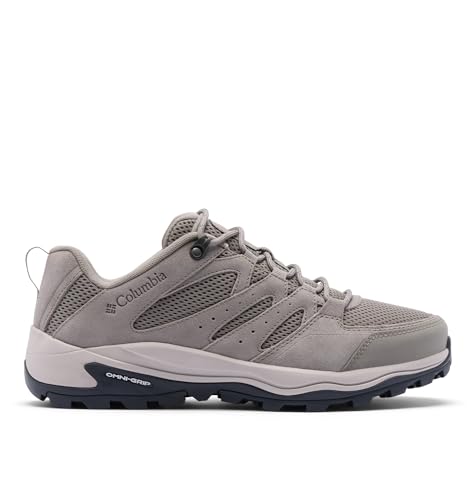
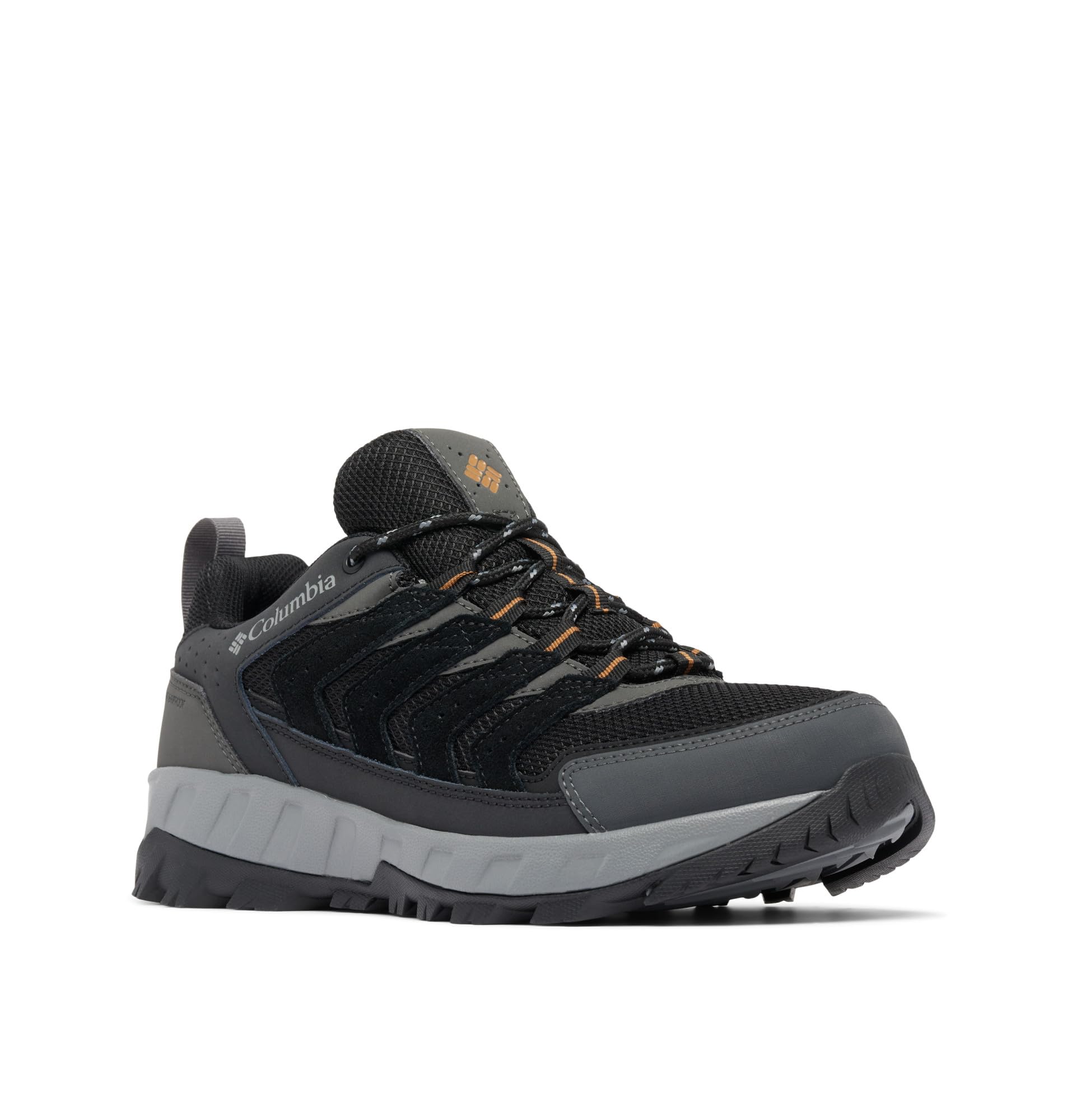
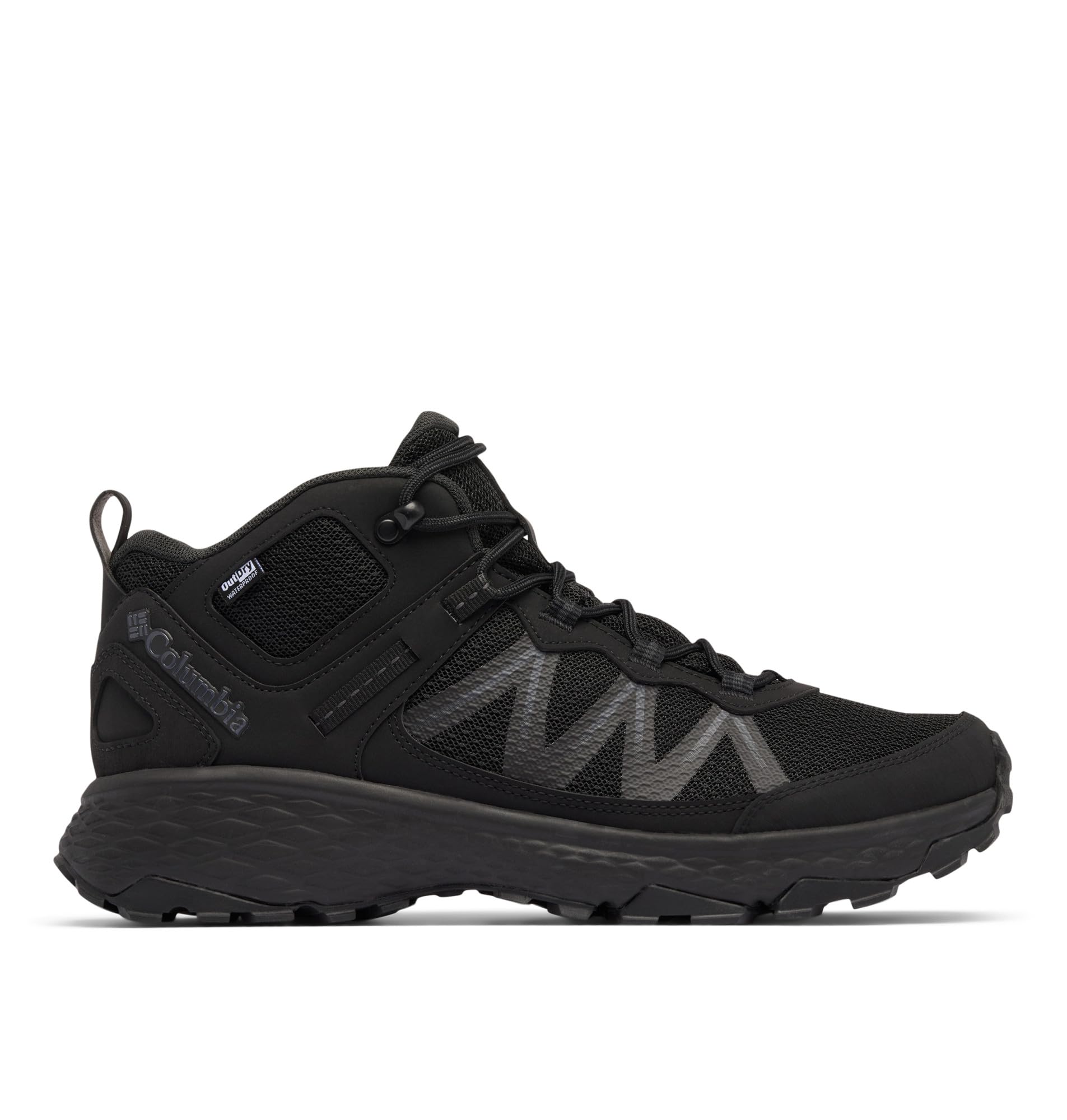
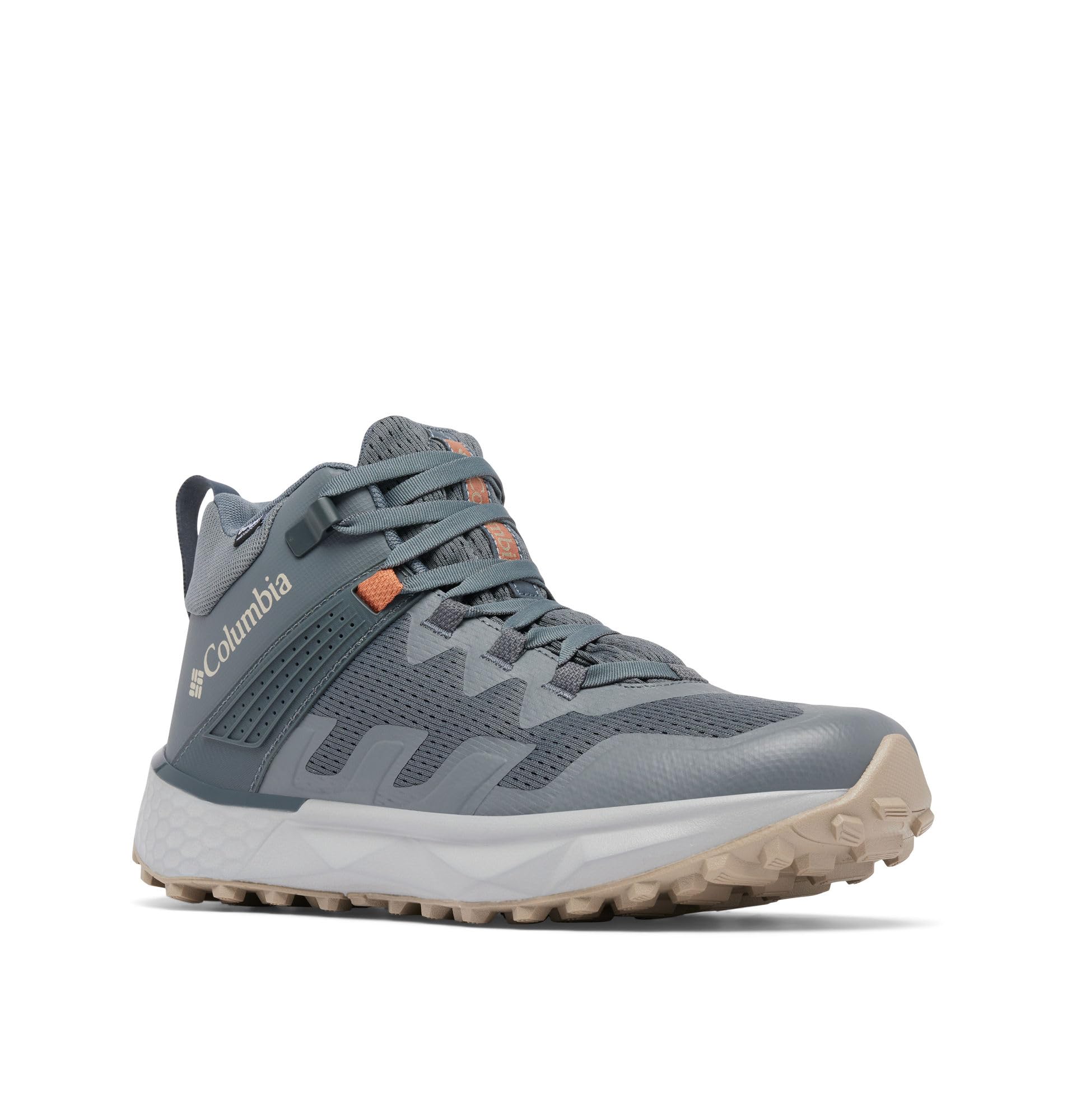
The best columbia hiking shoes are the ones that match your trail, not the ones with the longest feature list. A low cut shoe feels light and quick on dry paths, a waterproof pair keeps feet dry through wet grass and stream crossings, and a mid cut adds ankle support for rough ground and heavier packs. Start with the surface you hike most often, then pick the type that suits it.
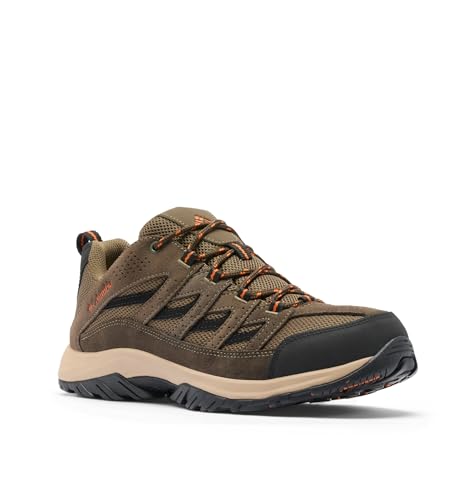
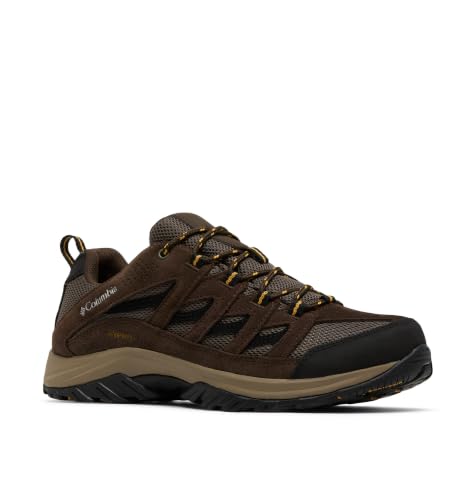
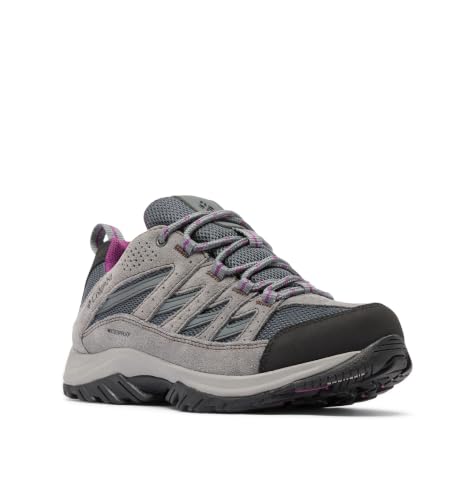
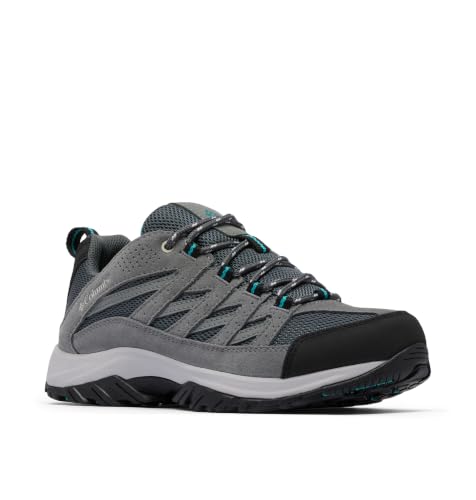
The product table below lines up the main Columbia shoes, and the sections that follow explain what to check: grip, waterproofing, weight, fit and break in. Use them to shortlist two or three pairs before you decide.


Who Should Buy Which Type of Hiking Shoe?
Hiking shoes sit between trail runners and full boots. They are lighter and more flexible than boots, and they need less break in time, but they give less ankle support. That makes them a good fit for day hikes and travel, and a weaker one for long trips with a heavy pack.
Day Hikers and Walkers
If you walk maintained trails, parks and nature paths a few times a month, a low cut shoe with a cushioned midsole and a breathable upper is plenty. It is comfortable straight from the box and dries quickly after a wet day.
Wet Climate Hikers
Where trails stay muddy or you cross streams, a waterproof shoe keeps your feet drier and warmer. The trade off is breathability, so on hot days a sealed shoe can feel sticky. Many hikers keep one waterproof pair for wet weather and one breathable pair for summer.
Rough Trails and Heavier Loads
A mid cut shoe wraps higher around the ankle and often has a stiffer sole. It suits rocky ground, uneven roots and loaded day packs, and it keeps small stones and debris out better than a low cut.
Types of Hiking Shoes Compared
Light Trail Shoes
Mesh panels, a flexible sole and a low profile make these the lightest option. They suit dry paths and warm weather, and the mesh dries fast, but thin uppers wear faster on rocks and brush.
Waterproof Hiking Shoes
These add a waterproof membrane and often sealed seams. They keep out rain and splashes and suit cool, wet seasons. Remember that water poured over the collar still gets in, because a low cut shoe has an open top.
Mid Cut Shoes
A taller collar gives extra ankle support and protection. They are heavier than low cuts but lighter than full boots, which makes them a popular choice for hikers who carry a pack or tackle uneven terrain.
Key Features to Compare
Outsole Grip
Deep, widely spaced lugs bite into mud and loose soil, while closer lugs feel smoother on pavement and packed paths. Softer rubber grips wet rock better, and harder rubber lasts longer. Match the tread to the ground you cross most.
Waterproofing Versus Breathability
A membrane blocks water but slows the escape of sweat. For hot, dry trails, a breathable shoe stays cooler. For cold or wet days, waterproofing matters more. Think about the season you will wear them in before choosing.
Weight and Cushioning
Every extra ounce adds up over a full day, so lighter shoes tire your legs less. Cushioning helps on hard or rocky ground, but too much foam can feel unstable on uneven paths. A firm heel and a flexible forefoot are a good balance.
Fit and Toe Room
Try shoes on late in the day with your hiking socks. You need about a thumb width of space in front of your longest toe so your toes do not hit the front on descents, and your heel should stay seated when you climb. If you fall between sizes, try the larger half size first.
Break In and Care
Most hiking shoes need only a few short walks before they feel natural. Rinse off mud, remove the insoles to dry, and keep the shoes away from radiators, since strong heat can weaken glue and damage the lining.
Warning Signs on the Trail
Stop and seek care for ankle pain that prevents you from putting weight on the foot, swelling that grows quickly or numbness that does not ease. Talk with your doctor or a podiatrist about persistent foot or ankle pain. This guide covers fit and comfort only.
Mistakes to Avoid
- Choosing a waterproof shoe for hot trails, which leaves feet sweaty and blister prone.
- Buying a low cut shoe for heavy loads or loose rocky ground.
- Ordering your street shoe size without leaving toe room for descents.
- Wearing cotton socks, which hold moisture and cause rubbing.
Related Guides
For a wider view of the category, read our guide to the best hiking shoes. Women can compare options in the best ladies hiking shoes guide, and men can see the best hiking shoes for men guide. If wet trails are your main concern, the best waterproof hiking shoes guide covers that group in more detail.
Frequently Asked Questions
Are Columbia hiking shoes good for beginners?
Yes. They are comfortable out of the box, need little break in time and come in a wide range of prices. A low cut or waterproof model with a cushioned midsole is an easy starting point for marked trails and day hikes.
Should I choose waterproof or breathable shoes?
Choose waterproof if you hike in rain, wet grass or cool weather. Choose breathable if you hike in warm, dry conditions, where a sealed shoe can feel hot. If you only buy one pair, match it to the wettest conditions you hike in regularly.
How do I size hiking shoes?
Measure your feet in the afternoon, wear your hiking socks and leave about a thumb width in front of your longest toe. Your heel should stay seated when you walk uphill. Try both shoes, because most people have one slightly larger foot.
Do I need mid cut shoes for ankle support?
Not always. A low cut is fine on groomed trails with a light pack. A mid cut helps on uneven ground and with heavier loads, though ankle strength and good footing matter more than any shoe height.
How should I break in new hiking shoes?
Start with short walks around the house and local paths, then increase distance over a week or two. If a hot spot appears in the same place every time, cover it with tape and check the fit, since a shoe that keeps rubbing may be the wrong size.
Final Thoughts
Pick the type by your trail and season, then check grip, weight and toe room. Compare your shortlist in the product table and favour a pair that feels good on a short walk before you rely on it for a long day. With those points settled, the best columbia hiking shoes will keep your feet comfortable mile after mile.


