
Best Columbia Hiking Boots by Budget for 2026
Disclosure: We may earn a commission when you buy through links on this page, at no extra cost to you. As an Amazon Associate I earn from qualifying purchases. Learn more

Compare Columbia hiking boots by budget and see what each price level adds in cushioning, grip, waterproofing, and fit before you choose a pair.
Prices for this brand span a wide range, from light day hiking boots at about $60 to $90 up to insulated leather models at about $180 to $240, and the price alone does not tell you what you are paying for. This guide to the best columbia hiking boots breaks the range into three budget levels and shows what each level usually adds in materials, cushioning, grip, and weather protection. The comparison table below lines the main types up side by side so you can see the trade offs at a glance.
Match the tier to your trails first, then use the features section to decide which upgrades are worth the money for your feet: outsole rubber and lug depth, membrane quality, midsole density and how the boot fits your toes.

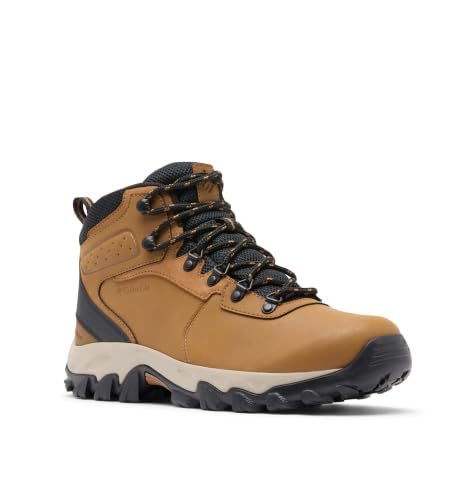


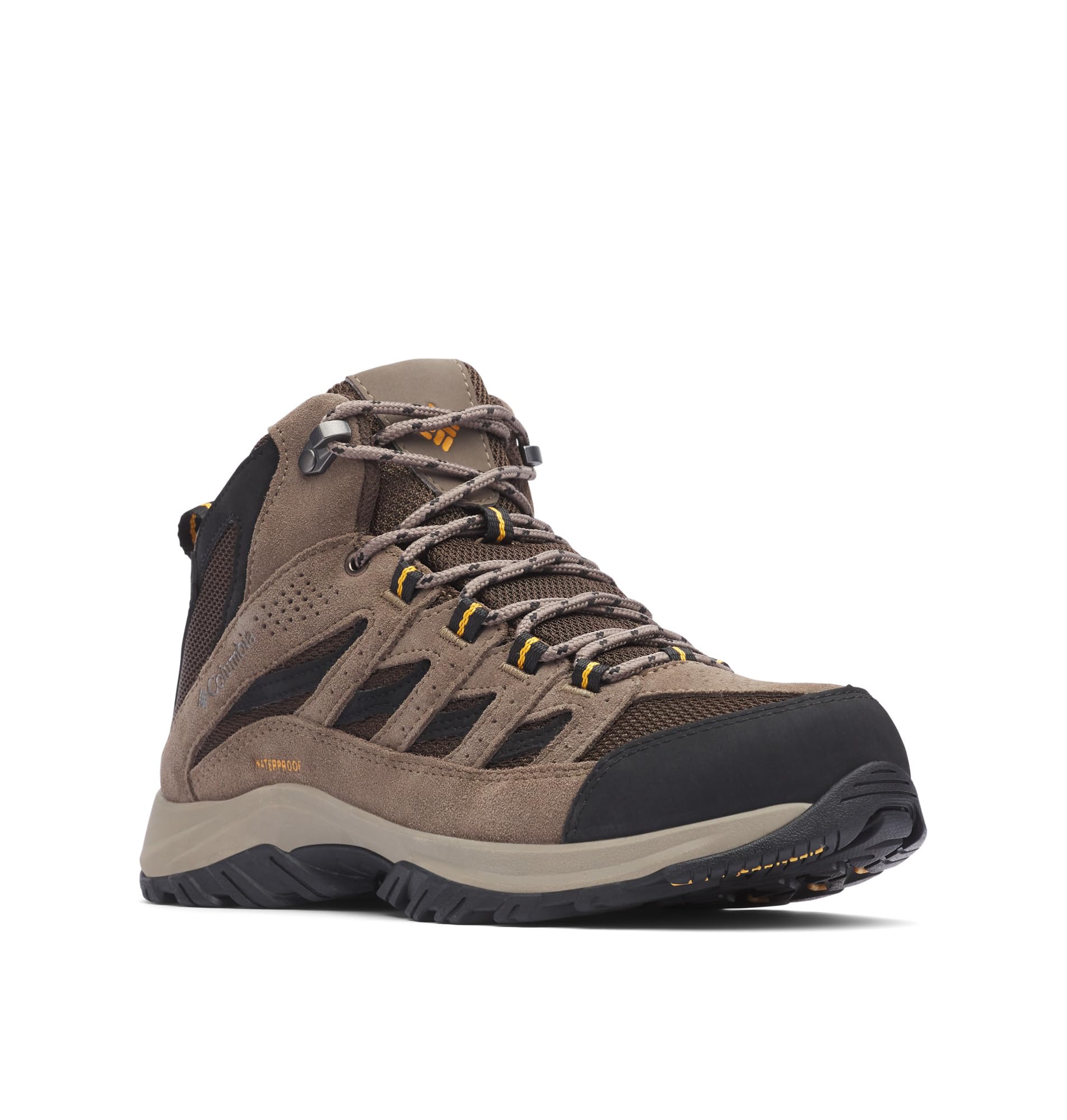


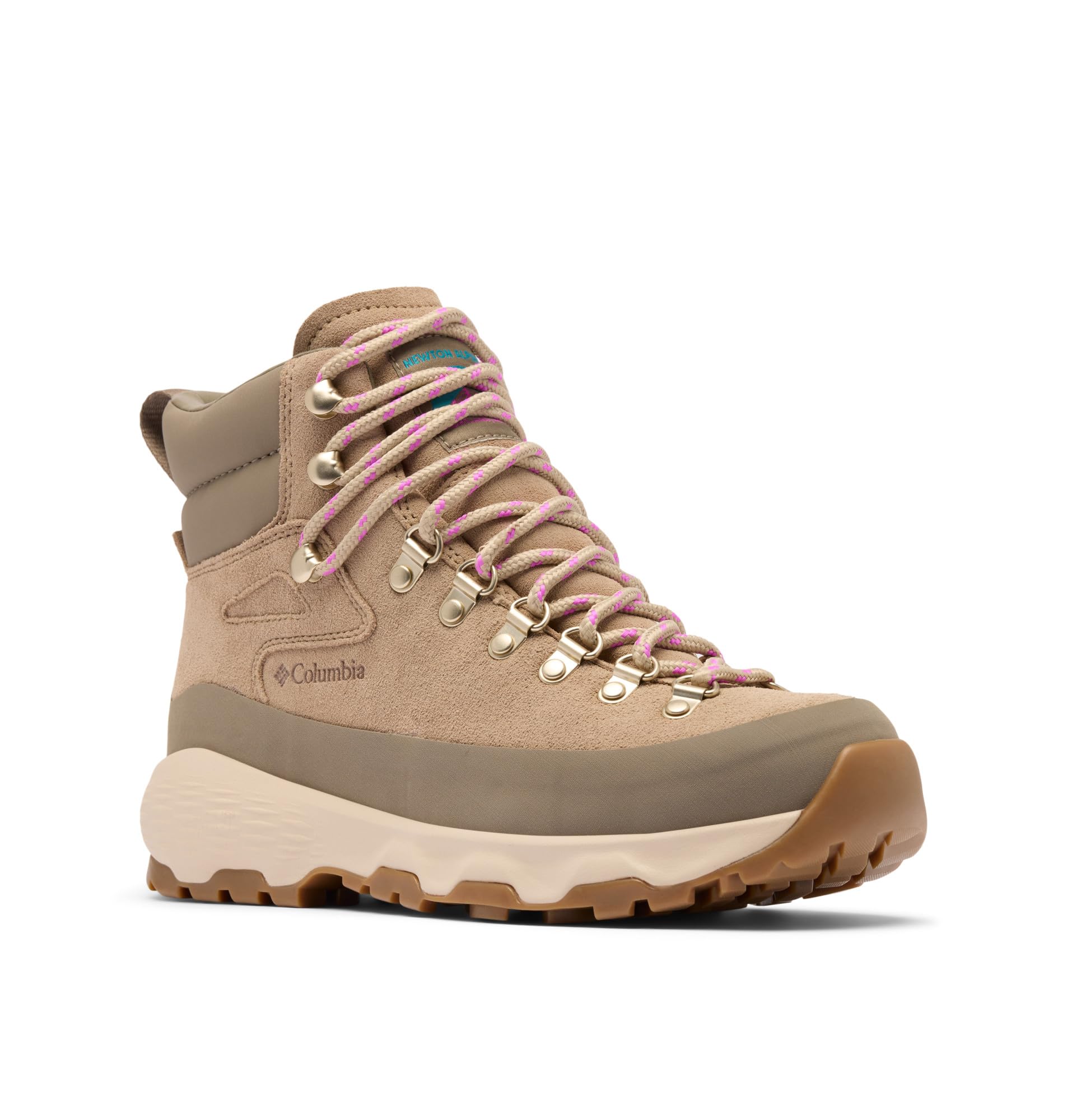
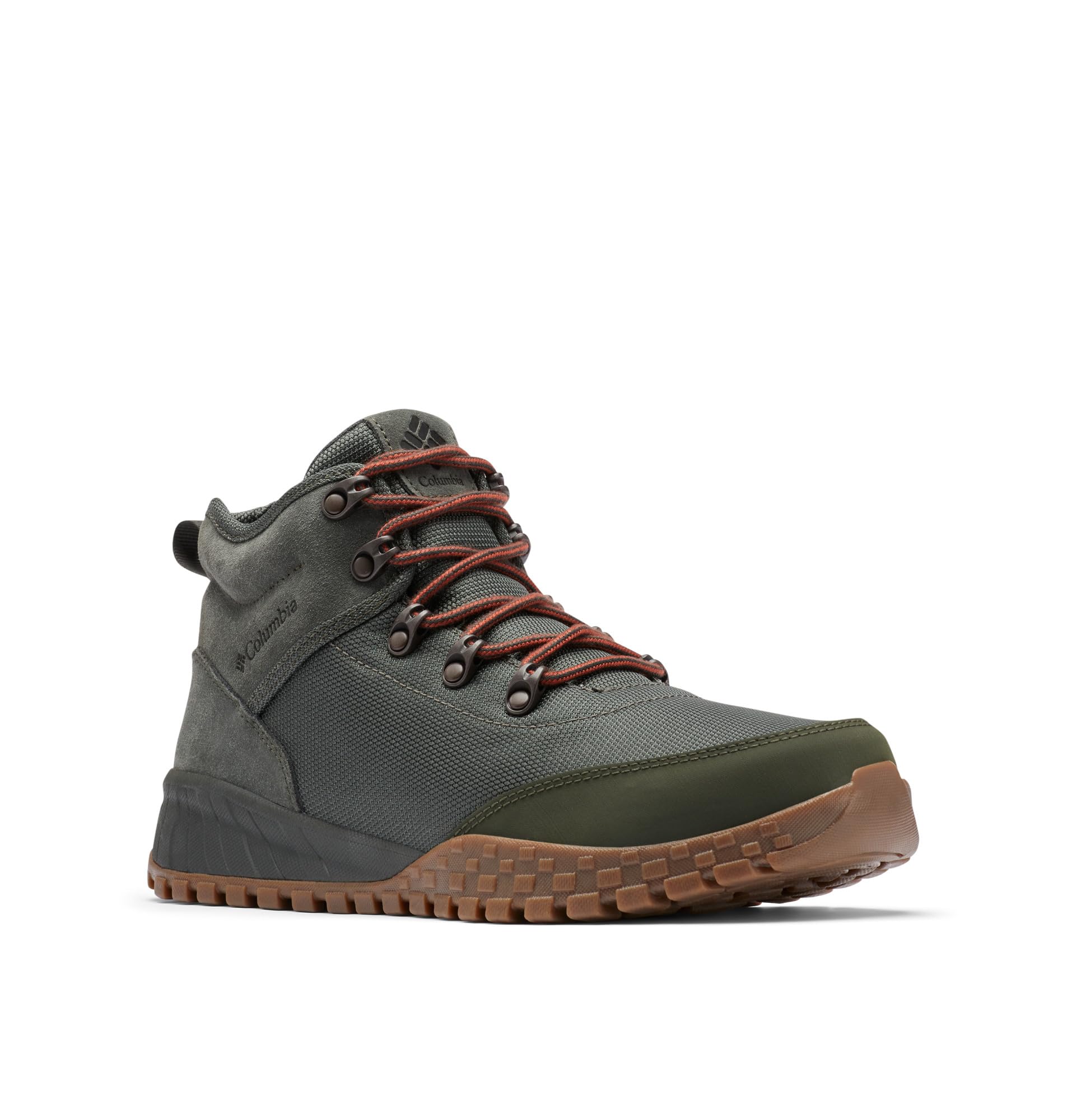


What Your Money Gets You at Each Price Tier
Entry Shelf: Light Boots for Easy Miles
Entry level pairs at about $60 to $90 usually pair a mesh and synthetic upper with a basic foam midsole and a shallow lug outsole. They feel light and flexible straight from the box, need almost no break in time, and suit dry trails, travel days, and short hikes on groomed paths.
What you give up is support and lifespan. Thin midsoles pack down faster, the uppers scuff and split sooner at the flex points, and most models at this level skip a waterproof membrane or use a basic one that wets out in steady rain. If you hike a few times a month on easy ground, this tier covers you. If you carry a loaded pack or hike weekly, you will outgrow it within a season or two.
Middle Shelf: Where Most Hikers Should Land
The middle range at about $90 to $150 is where the construction steps up in ways you can feel. Uppers mix leather panels with mesh so the boot holds its shape longer, midsoles use denser foam that keeps cushioning past the first year, and outsoles carry deeper lugs with stickier rubber for wet rock and mud. Most pairs here include a waterproof membrane, a padded collar that seals out trail grit, and a shank that stiffens the boot for uneven ground. For weekend hikers, backpackers on moderate routes, and anyone on their feet all day outdoors, this tier gives the best balance of comfort, durability, and price in the whole range.
Top Shelf: Built for Rough Ground and Long Trips
Premium pairs at about $150 to $240 add full grain leather or heavy duty synthetic uppers, thicker midsoles with better shock absorption, and outsoles shaped for steep and rocky terrain. Ankle collars sit higher and lace hardware runs to metal hooks that hold tension on long descents. Waterproofing is usually the best membrane the line offers, and some models add insulation for shoulder season and winter day hikes.
You pay for longevity as much as comfort: these boots often last two to three seasons of regular use and some can be resoled. Choose this tier if you backpack with real weight, hike in wet climates, or simply want one pair that stays supportive for years.
Features Worth Paying For (and Ones to Skip)
Upper Materials and Breathability
Mesh panels move air and keep a boot light, which matters on warm dry trails, but mesh tears sooner where the boot flexes. Split leather and full grain leather resist abrasion and hold an ankle steady, at the cost of weight and a longer break in period. A common middle ground is a leather frame with mesh windows, standard in the middle tier. Skip decorative suede overlays that add price without structure.
Whatever the upper, check that seams sit away from the toe flex line, because stitching in the crease is where budget boots fail first.
Arch Support and Foot Type
Most hiking boots ship with a neutral cushioned insole that suits average arches. Flat feet that roll inward usually feel better with a firmer midsole and a structured heel cup, while high arches often need extra cushioning under the midfoot. Removable insoles matter here, because you can swap in an aftermarket pair shaped for your arch without buying a different boot.
Treat all of this as fit and comfort guidance only. If foot pain keeps returning, or you notice numbness, tingling, or swelling after hikes, see a doctor or podiatrist rather than expecting any boot to fix the problem.
Fit, Sizing, and Toe Box
Measure your feet late in the day, when they are slightly swollen, and try boots on with the socks you hike in. You want about a thumb width of space in front of your longest toe so your toes never strike the front on descents, with the heel locked so it does not lift with each step. A roomy toe box helps wide feet and anyone whose feet swell on long miles, while a narrow last suits slim feet that slide in wide boots. When you fall between sizes, try the larger half size first with your hiking socks.
Cushioning and Support
Cushioning comes from the midsole foam, and denser foam costs more because it resists packing down. A thin flexible boot feels kind on the first walk and tired by mile eight, while a stiffer boot with a nylon shank spreads the pressure of rocks across the whole foot. Heel to toe drop on hiking boots usually sits around 8 to 12 mm, and a lower drop feels more stable on uneven ground while a higher drop eases strain on tight calves.
Pay for the shank and the denser midsole if you carry a pack. Skip extra thick fashion soles that add height without adding structure.
Where Hikers Put Different Budgets to Work
Day hikers on maintained trails get full value from the entry and middle tiers, and readers comparing lighter footwear can see our guide to the best hiking shoes for warm weather options. Shoppers who want the wider brand range beyond hiking can browse the best columbia boots guide for work and winter styles. Fit needs differ by foot shape, so men comparing lasts can check the best hiking boots for men guide, and anyone choosing a membrane boot should read the best waterproofing for hiking boots guide before relying on a waterproof claim in wet grass.
Long Term Costs to Factor In
The sticker price is only part of the cost. Budget about $10 to $20 a year for waterproofing spray or wax if you own membrane or leather boots, and about $30 to $50 for replacement insoles once the stock pair packs down. Entry tier boots often need replacing after about 300 to 400 miles, while mid and top tier pairs commonly run about 500 to 800 miles before the midsole gives up. Factor in the warranty as well: longer coverage on seams and soles lowers your real cost per mile, and keeping your receipt and photos of defects makes a warranty claim far easier.
Frequently Asked Questions
Are expensive Columbia hiking boots worth the money?
They are worth it if you hike often, carry a loaded pack, or walk in wet and rocky country. Higher tiers buy denser midsoles, tougher uppers, deeper lugs, and better membranes, and those parts decide how long a boot stays comfortable. A casual hiker on dry, flat trails twice a month gains little from the top shelf. Spending middle tier money and replacing insoles on schedule usually serves that reader better than one premium purchase.
How often should Columbia hiking boots be replaced?
Replace them when the midsole feels flat and your feet tire early, when lugs wear smooth at the heel and ball, or when the upper splits at the flex points. In mileage terms that lands around 300 to 400 miles for entry pairs and 500 to 800 miles for sturdier tiers. Waterproof models also lose their seal over time, so boots that soak through in light rain are telling you the membrane has aged out even if the outsole still looks fine.
How long does the break in period last for hiking boots?
Light mesh and synthetic boots often feel ready after two or three short walks. Leather heavy models can need about 20 to 40 miles of gradual use before the upper softens around your ankle and toes. Start with walks under an hour, then add distance, and tape any hot spot the moment it appears. A boot that still pinches or rubs after that trial is the wrong size or shape, and more miles will not fix it.
Do I need waterproof Columbia hiking boots?
You need them if your trails cross streams, wet grass, mud, or snow, because a membrane keeps feet drier and warmer in those conditions. On dry desert or summer trails, a non waterproof boot breathes better and dries overnight, while a soaked membrane boot can stay wet for days. Many hikers own one of each rather than forcing one pair to do everything. If you buy one pair only, match it to the wettest conditions you hike in regularly.
Can Columbia hiking boots be worn all day?
Yes, most models are built for full days on your feet, and the middle tier handles long shifts and travel days well. All day comfort depends on fit more than price: enough toe room, a heel that stays seated, and socks that manage moisture. Standers who work on concrete may still prefer a softer insole swap after a few months. If your feet ache badly by evening every day, treat that as a fit or foot health question, not a reason to buy a stiffer boot.
Final Thoughts
Choose the tier by your trails and mileage, then judge each pair on outsole grip, midsole density, and toe room. Use the product table above to compare the tiers against your budget before you order. For most hikers, the best columbia hiking boots sit in the middle shelf, where the materials and support step up without paying for expedition features you may never use.


