
Best Colorful Shoes 2026: Pick the Right Pair for Every Need
Disclosure: We may earn a commission when you buy through links on this page, at no extra cost to you. As an Amazon Associate I earn from qualifying purchases. Learn more

Colorful shoes sorted by how you use them: fit, cushioning, traction, and weather, so color is the reward and not the filter.
There is no single shoe that suits a daily runner, a nurse on long shifts, a traveler, and a weekend walker at the same time. Color makes the choice fun, but fit, cushioning, and grip decide whether you still love the pair after a month. This guide sorts the best colorful shoes by how you will actually use them, so you can match the features to your routine first.
Start with your most common activity, not your rarest one. Then use the product table below to check the colors you like against the support, outsole, and sizing notes that matter for that activity.
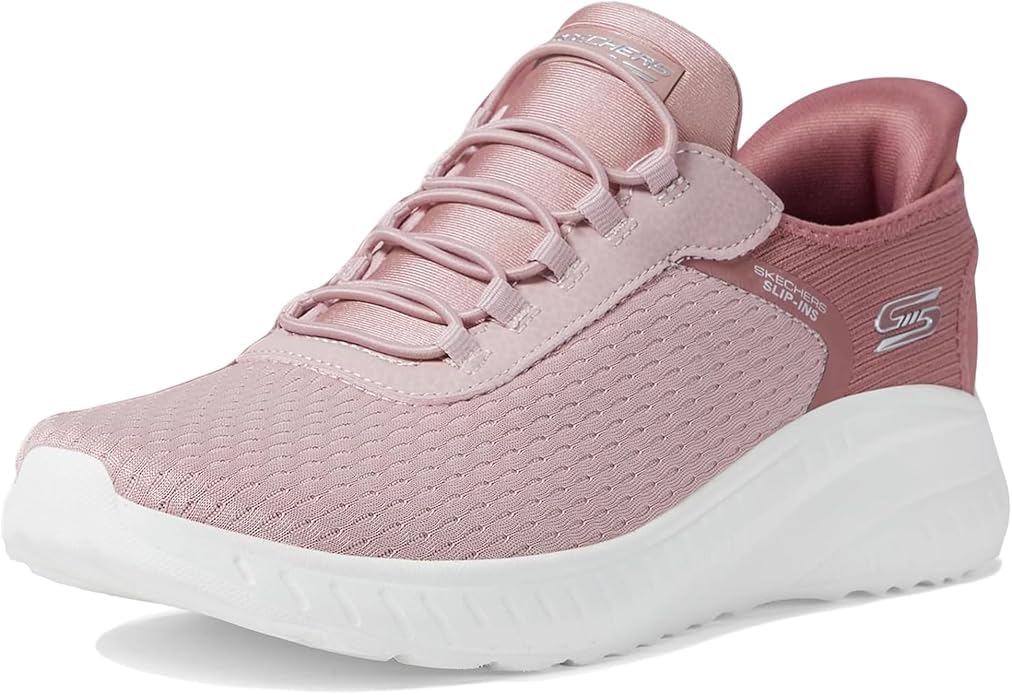


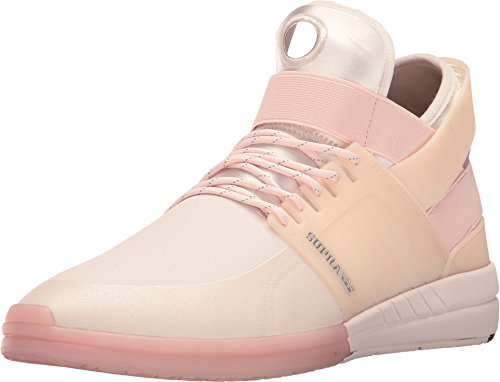

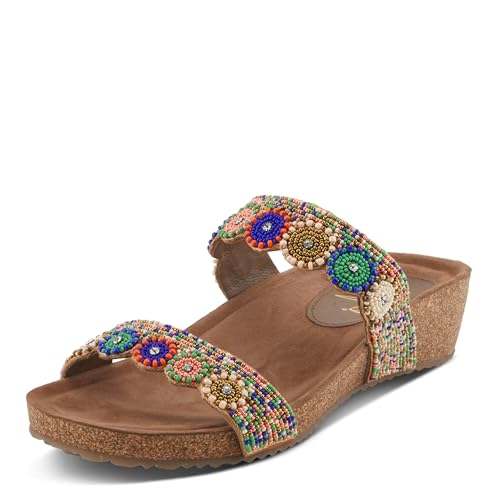
Who Should Buy Which Colorful Shoes?
Use cases overlap, but one of these groups will sound most like you. Find that group first, note its priority features, and let those features filter every colorful option you consider afterward.
For Frequent or Serious Users
If you run, train, or walk long distances several times a week, durability and consistent cushioning matter more than a bargain price. Look for a firm midsole that does not feel flat after a few weeks, a breathable upper that holds its shape, and an outsole with enough rubber to resist early wear. A solid warranty and a brand with easy exchanges help, because heavy use reveals sizing mistakes fast. Players who want court specific grip and support can also see our guide to the best colorful basketball shoes for that narrower need.
For Small Spaces and Easy Storage
If you live in a small apartment, travel often, or keep a spare pair in a gym bag, choose light and flexible shoes that pack flat. Slip on styles and knit uppers take little room and need no break in fuss before a trip. Avoid stiff, bulky soles that dominate a suitcase. A bright color helps here too, since a vivid pair is easy to spot in a crowded bag or locker room, and you will waste less time digging for the matching shoe.
For Weekend Beginners
If you walk for pleasure, run errands, or are starting a gentle fitness habit, comfort out of the box beats technical features you will never notice. Choose a moderate price, soft cushioning, and a roomy fit, and skip racing designs with narrow shapes. Your goal is a pair you reach for without thinking. Bright colors can actually help a new habit stick, because a pair you enjoy looking at is a pair you are more likely to put on and head out the door.
For Bad Weather and Tough Conditions
If you walk dogs in rain, commute on wet streets, or hike muddy paths, waterproofing and traction come first. Look for sealed membranes, deeper lugs, and uppers that wipe clean. Darker bright shades and color panels hide mud better than pale solid colors, which is a practical point many buyers miss. Keep in mind that waterproof shoes run warmer, so for mostly dry climates a water resistant finish may serve you better than a full membrane.
Key Features to Compare
Features only matter when they connect to a real moment in your day. Read each one with your routine in mind, and rank them before you rank colors.
Cushioning and Support
Cushioning softens impact, while support controls how your foot moves. Neutral shoes suit walkers and runners whose ankles stay fairly straight, while stability designs add firmer material to guide feet that roll inward. Heel to toe drop, the height difference between heel and forefoot, affects your calves and Achilles, so a sudden change from your current pair can cause soreness. If you stand all day, a thicker sole with even pressure usually feels better than a soft sole that bottoms out by afternoon.
Waterproofing
Waterproof membranes such as Gore Tex keep rain and puddle water out while letting some sweat vapor escape. They earn their cost if you are outdoors in wet weather for long stretches. The trade off is warmth and slower drying once water enters over the collar. For light showers and wet grass, a treated upper is often enough and stays more breathable. Decide based on how often you truly get soaked, not on the wettest day you can imagine.
Outsole Traction and Terrain
Traction depends on lug depth, rubber softness, and how much of the sole touches the ground. Smooth, flat outsoles grip gym floors and dry pavement well. Lugs around 3 to 5 mm suit trails and wet paths, while very deep lugs feel clumsy on sidewalks. Durable rubber compounds from makers such as Vibram resist wear on rough ground. Match the sole to the surface you cross most, because the wrong pattern wears fast and can feel slippery exactly where you need confidence.
Break In Period and Comfort Out of the Box
Most modern knit and mesh shoes need little break in and should feel good on a short walk at home. Leather and stiff trail shoes may need several wears before they flex naturally. A useful test is a 20 minute indoor walk on clean floors, which keeps the return option open while revealing heel slip or toe pressure. Sharp pain is never part of break in, so exchange a pair that hurts rather than hoping it will change shape for you.
Fit, Sizing, and Toe Box
Measure your feet in the afternoon, when they are at their largest, and wear the socks you plan to use. Leave about a thumb width of space in front of your longest toe, and check that the toe box lets your toes spread instead of pressing them together. Feet differ between brands and even between models, so read the sizing notes for each pair. If you fall between sizes or use inserts, the larger size usually works better for long walks and warm days.
Common Mistakes to Avoid When Buying Colorful Shoes
- Choosing by color and price alone, then discovering the support does not match your feet or your activity.
- Ignoring cushioning and support needs, especially if you stand all day or have a history of foot or knee aches.
- Buying too small, since feet swell during long walks and runs and need room at the front of the shoe.
- Skipping the return and warranty terms, which matter most during the first few wears when fit problems appear.
- Matching a sole to the wrong surface, such as wearing smooth road shoes on muddy trails or deep lugs on hard floors.
One more practical habit helps: try both shoes on, stand, walk, and turn, because a pair that feels fine sitting down can slip at the heel once you move. If you enjoy coordinating a full look, a bright accessory can echo your shoes, and our guide to the best colorful watches shows options that pair well with bold footwear.
How to Make Your Colorful Shoe Last Longer
Rotate two pairs for daily wear when you can, because foam needs about a day to recover its cushioning between uses. Replace running shoes every 300 to 500 miles, or sooner if the midsole feels flat and aches appear that were not there before. Air dry wet shoes away from direct heat, since radiators and dryers crack uppers and weaken glue, and stuff them with newspaper to hold shape. Loosen the laces before removing your shoes to protect the heel collar, and brush dirt off outsoles so the grip pattern stays effective.
Frequently Asked Questions
How often should I replace my colorful shoes?
Replace them when the cushioning feels dead, the outsole is smooth in the wear zones, or new aches appear after normal use. For running shoes that point often arrives around 300 to 500 miles. Walking and casual pairs last longer in time, but daily wear still compresses foam. A simple check is pressing the midsole with your thumb; if it feels hard and flat compared with a new pair, its best days are over.
Do I need waterproof shoes?
You need waterproof shoes only if you regularly spend long periods in rain, snow, or wet trails. They add cost, warmth, and drying time, so they are a poor default for dry climates and indoor work. Many buyers do better with a breathable everyday pair plus a treated finish for light showers. Think about your last ten wet days, and buy for that pattern rather than for one storm.
Can I wear colorful shoes all day?
Yes, if the fit and support match your feet and your work. All day wear demands a roomy toe box, even cushioning, and a sole that does not force your foot into an odd position. Bright colors are fine in most casual and many workplace settings, though formal offices may prefer muted tones. If your feet feel tired by midday, the issue is usually support or size, not color or style.
Are expensive colorful shoes worth it?
They can be, when the extra cost buys better foam, tougher rubber, and a fit that suits your feet. Frequent users feel that difference most, because cheaper pairs wear out faster and need replacing sooner. Casual users who walk a few times a week often get full value from a mid range pair. Compare cost per month of expected use rather than price alone, and spend first on fit, then on premium extras.
How long is the break in period for colorful shoes?
Most mesh and knit styles need only one or two short wears, while leather and stiff trail models may need a week or two of gradual use. Start with short walks and add distance as the upper flexes. Blisters, numb toes, or sharp pain mean the fit is wrong, not that you need more patience. Keep the box and receipt until a few real walks confirm the pair works for you.
Final Thoughts
Match the shoe to your routine, confirm the fit with space for your toes, and choose cushioning and grip that suit your usual surface. Color should be the reward at the end of that process, not the filter at the start. When those basics line up, the best colorful shoes feel as good in month three as they looked on day one. Look back at the product table above, compare your top choices against your priority features, and pick the pair you will genuinely enjoy wearing.


