
Best Color Timberland Boots 2026: What Matters Before You Buy
Disclosure: We may earn a commission when you buy through links on this page, at no extra cost to you. As an Amazon Associate I earn from qualifying purchases. Learn more

Wheat, black, or brown Timberland boots? Compare colors by dirt visibility, upkeep, traction, fit, and the outfits you wear most.
Choosing a boot color sounds simple until you picture wheat nubuck after a muddy week or black leather under office lights. The best color timberland boots for you depend on where you wear them, how much dirt they will meet, and how much upkeep you accept. This guide walks through a checklist covering fit, durability, traction, and support first, then turns to color itself, including fading, scuffs, and matching your wardrobe. Use the product table below to compare colors and finishes as you read.
Timberland boots are built around sturdy leather uppers, padded collars, and lugged soles, and most classic styles come in a small set of proven colors. That short list is good news, because each color behaves differently in daily life. A few minutes spent on how a finish ages will save you from buying a shade that fights your job or your closet.




Key Features to Compare Before Color
Color should be your final filter, not your first one. A boot that fits poorly or slips on wet ground will disappoint you in any shade, so work through the fit and function criteria here before you fall for a color. Once a style passes these checks, the color decision becomes much easier.
Fit, Sizing, and Toe Box
Measure your feet late in the day, when they are at their largest, and wear the socks you plan to use most. Timberland boots often feel roomy, and many buyers find their usual sneaker size leaves extra length, so compare the size chart against your measured length in inches. Your toes should move freely without your heel lifting as you walk. A roomy toe box helps with thicker winter socks, but too much space lets your foot slide forward on slopes and causes blisters.
Durability and Expected Lifespan
Full grain leather and nubuck uppers hold up well when the stitching is tight and even and the sole bond shows no gaps. Check that the leather feels substantial rather than thin and papery. With regular wear and basic care, a quality leather boot can serve for several years, while cheap fashion copies often crack at the flex points within a season. Dark finishes also hide the scuffs that make light boots look worn early.
Outsole Traction and Terrain
The outsole decides how safe the boot feels on wet pavement, gravel, and muddy paths. Look for deep, widely spaced lugs that can bite into soft ground and shed mud instead of packing flat. Rubber compounds that stay a little flexible in cold weather grip better than hard, plasticky soles. If you mostly walk city streets, a moderate lug pattern feels smoother and wears more evenly. If you work outdoors or hike rough trails, deeper lugs earn their keep, even though they track more dirt indoors.
Cushioning and Support
Boots ask a lot of your feet, so cushioning and arch support matter on long shifts and long walks. A padded collar reduces rubbing at the ankle, and a cushioned insole softens each step on concrete. Look for a firm midsole rather than a soft, spongy one, because firm support keeps your foot stable on uneven ground. The heel to toe drop on classic boots is modest, which suits most walkers. If you need extra arch support, choose a style with a removable insole.
Weight and Flexibility
Leather boots carry real weight, and that weight brings protection and stability on rough ground. The trade off is fatigue, since heavy boots tire your legs faster over a full day. Flex the boot in your hands if you can, because a sole that bends a little at the ball of the foot walks more naturally. Lighter styles suit travel and casual wear, while heavier builds suit work sites and cold weather where protection matters more than speed.
Waterproofing and Breathability
Many Timberland styles use sealed seams and a waterproof membrane to keep rain and slush out, and you can learn more about how these builds compare in our guide to the best timberland boots. Waterproof boots trade a little airflow for that protection, so your feet may feel warmer in summer. A breathable non waterproof leather boot feels cooler in dry heat but soaks through in steady rain. Match the choice to your climate, and remember that light nubuck shows water marks more clearly than smooth dark leather.
Choosing a Color That Fits Your Life
With function settled, color becomes a practical decision about dirt, upkeep, and what the boots must match. The product table above lists the core shades most styles offer, and the three groups below cover how each family of colors behaves once you own it. Think about your most common setting first, whether that is a job site, a commute, or weekend trails.
Wheat and Tan for Casual Wear
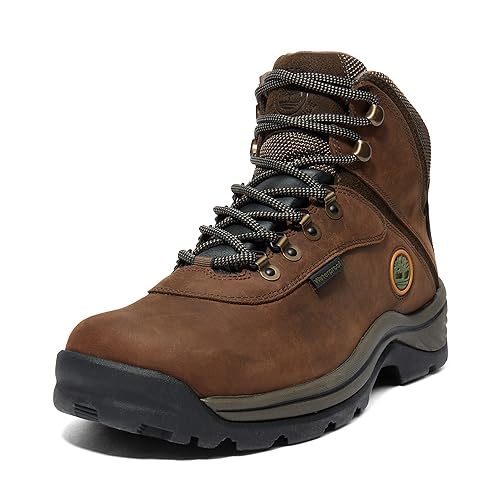
Wheat nubuck is the classic Timberland look, warm and instantly recognizable with jeans, work pants, and earth toned jackets. It pairs easily with denim of almost any wash and with flannel, canvas, and knit layers. The honest downside is upkeep, because pale nubuck shows mud, salt lines, and scuffs quickly and needs a soft brush and a nubuck eraser to stay presentable. Choose wheat when most of your wear is casual or light duty.
Black for Work and Sharper Outfits
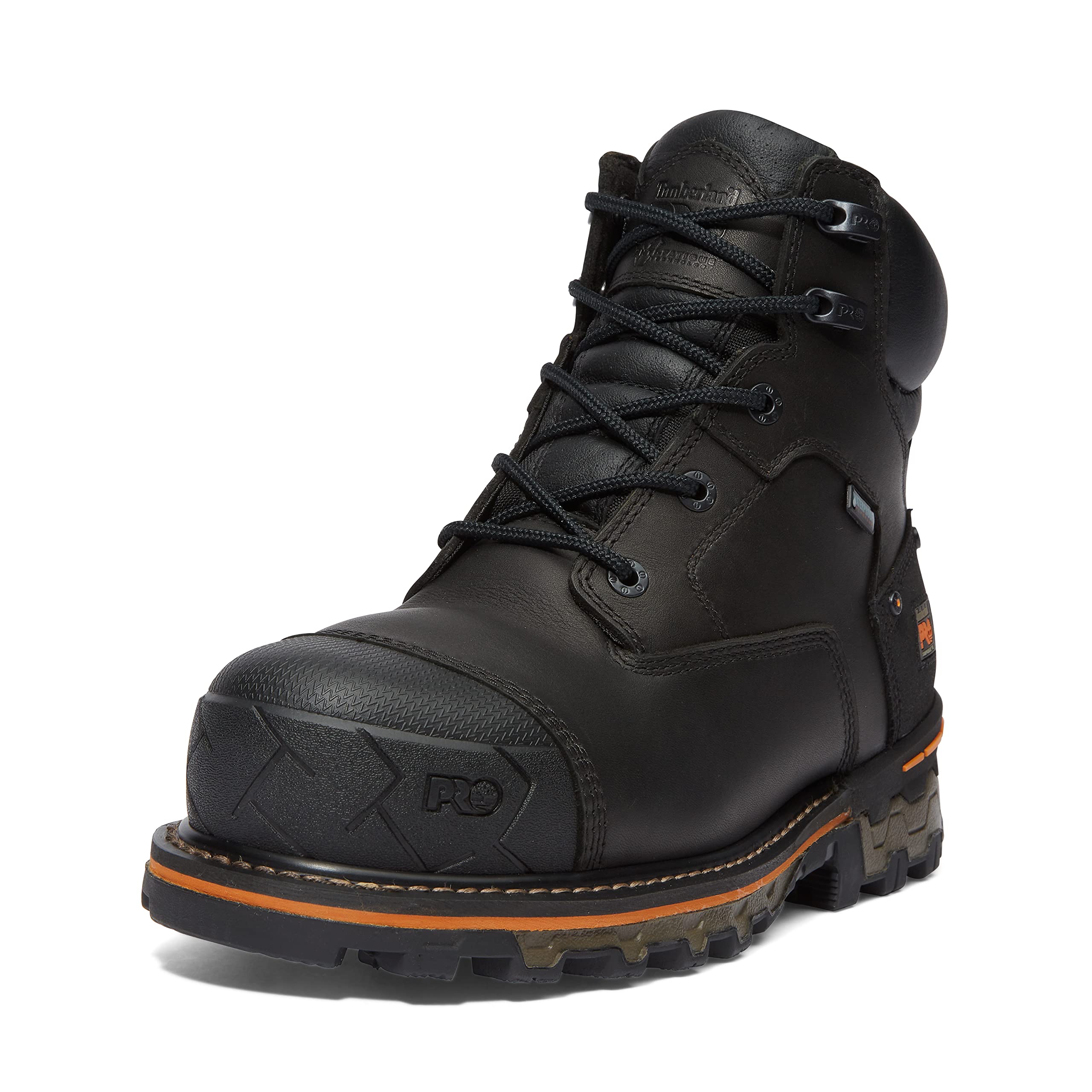
Black leather is the most forgiving color for work and the easiest to dress up. It hides grease, dust, and road grime far better than lighter shades, and a quick wipe restores a clean surface before a shift. Black also suits uniforms and dress codes that reject tan footwear, which is why many buyers comparing the best timberland work boots start with black. The trade off is heat, since black leather absorbs sunlight and feels warmer in summer.
Brown, Gray, and Other Neutrals
Dark brown smooth leather sits between wheat and black in both formality and upkeep, matching chinos, olive and navy clothing, and most casual office outfits. Brown hides dust well and gains character as it ages, though conditioner can darken it slightly over time. Gray and taupe nubuck shades offer a softer, modern look that hides light dust but shows dark mud clearly. One neutral boot color often anchors a whole wardrobe, so pick the shade you will reach for most.
Quick Buyer Checklist
Run through these questions before you order, and let any no answer send you back to the product table above for another look.
- Have you measured your feet in the evening and checked the size chart for this exact style?
- Does the color hide the kind of dirt you meet most, whether that is mud, dust, grease, or road salt?
- Will this shade work with at least three outfits or uniforms you already own?
- Do you need a waterproof build for your climate, or would a breathable leather serve you better?
- Is the lug pattern on the outsole matched to your usual ground, from pavement to trails?
- Are you willing to brush, condition, or protect this finish as often as it needs?
- Does the style allow your own insole if you rely on extra arch support?
Red Flags to Watch For
A low price is not a bargain when the boot fails early, and color listings hide some warning signs in plain sight.
- The listing shows only studio photos with no close views of stitching, eyelets, or the sole, so you cannot judge build quality.
- The color name is vague, with no note about whether the finish is nubuck or smooth leather, so care and appearance stay unclear.
- The product page gives no sizing guidance at all, even though boot fit varies between styles and widths.
- Customer feedback patterns mention the same split seam or peeling sole again and again, which points to a real defect.
- The seller offers no clear return path, which matters because boot fit is hard to judge until you walk in them.
Care Tips That Keep Boot Color Looking Right
Care for Timberland boots is simple, but the right routine depends on the finish you chose. Brush nubuck gently after dry wear to lift dust before it settles into the nap, and use a nubuck eraser on small marks instead of water, which can leave rings on light colors. Smooth leather takes a damp cloth and an occasional conditioner, tested on a hidden spot first because it often darkens brown and tan leather by a shade.
Let wet boots air dry at room temperature, away from radiators and direct heat, with newspaper inside to hold their shape. Rotate your boots with another pair when you wear them daily, because a rest day lets the insole and lining dry fully. Store them upright out of strong sunlight, since prolonged sun fades dark colors unevenly and dries leather until it cracks.
FAQ
Do Timberland boots in light colors need waterproof protection?
Yes, light colored Timberland boots benefit from waterproof protection even when the boot itself is built to be waterproof. A protective spray made for nubuck helps rain bead on the surface instead of soaking in and leaving dark water marks on wheat and tan finishes. Reapply the spray after deep cleaning or heavy rain. Smooth black and brown leather needs less spray, but a light coat still helps road salt rinse away.
How long is the break in period for Timberland boots?
The break in period for Timberland boots usually lasts about one to two weeks of regular short wear. Stiff leather softens most at the ankle and across the toes, so start with a few hours indoors and on short walks before a full workday. Thick socks reduce early rubbing while the collar molds to your ankle. If a spot still pinches painfully after two weeks, the size or width is likely wrong, and an exchange beats months of discomfort.
How often should you replace Timberland boots?
You should replace Timberland boots when the tread wears smooth, the midsole feels flat and hard, or the leather cracks deeply at the flex points. For many owners that point arrives after several years of regular use, sooner with daily work wear. A useful early sign is new foot or knee soreness on routes that used to feel fine, because worn cushioning stops absorbing impact. Plan on a new pair once grip and support are gone.
How should Timberland boots fit when you first try them on?
Timberland boots should fit snugly at the heel and midfoot with clear space in front of your longest toe. Aim for roughly a thumb width of room, enough for thick socks and natural foot swelling late in the day. Your heel should not lift with each step. Try both boots on and walk on a hard floor, because carpet hides slipping and pressure points that show up quickly on tile or wood.
Are expensive Timberland boots worth the extra cost?
Expensive Timberland boots are worth the cost when the higher price buys full grain leather, sealed waterproof construction, and a more supportive insole. Those upgrades show up as longer life, drier feet, and less fatigue, not just a nicer label. Budget fashion boots in similar colors often use thinner coated leather that cracks at the folds within a season. Daily wearers usually save money by buying the better build once.
Can you wear Timberland boots all day at work?
Yes, you can wear Timberland boots all day at work once they are broken in and matched to your job. Choose a style with a cushioned insole and the right toe protection for your site, and lace them firmly so your foot stays stable without cutting circulation. Workers on concrete often add a supportive insert after the first weeks. If you develop numbness, sharp heel pain, or swelling that keeps returning, talk with a clinician, because persistent pain signals a fit problem rather than normal boot wear.
Final Thoughts
Start with fit, traction, and support, then let color do its real job of matching your ground, your upkeep habits, and your wardrobe. Wheat rewards owners who brush it often, black forgives work grime, and dark brown splits the difference with quiet versatility. Compare the finalists in the product table above once more, and you will land on the best color timberland boots for the way you actually live and work.


