
Best Color Thursday Boots 2026: How to Choose the Right Shade
Disclosure: We may earn a commission when you buy through links on this page, at no extra cost to you. As an Amazon Associate I earn from qualifying purchases. Learn more

Which Thursday boot color suits your wardrobe? Brown, black, and suede shades compared by fit, wear, outfit pairing, and care.
Choosing a boot color sounds simple until you face a row of browns that all look alike on a screen. A shade that flatters navy trousers can clash with black denim, and a light suede that looks fresh in photos can show every scuff within a month. This guide treats best color thursday boots as a decision about your wardrobe, not just your feet, and gives you a checklist to work through before you order.
Start with fit and construction, because the finest shade is wasted on a boot that pinches. Then weigh each color against the clothes you own, the weather you walk in, and the upkeep you will honestly do. The product table below pulls the main options together, and the sections that follow explain how to judge them.
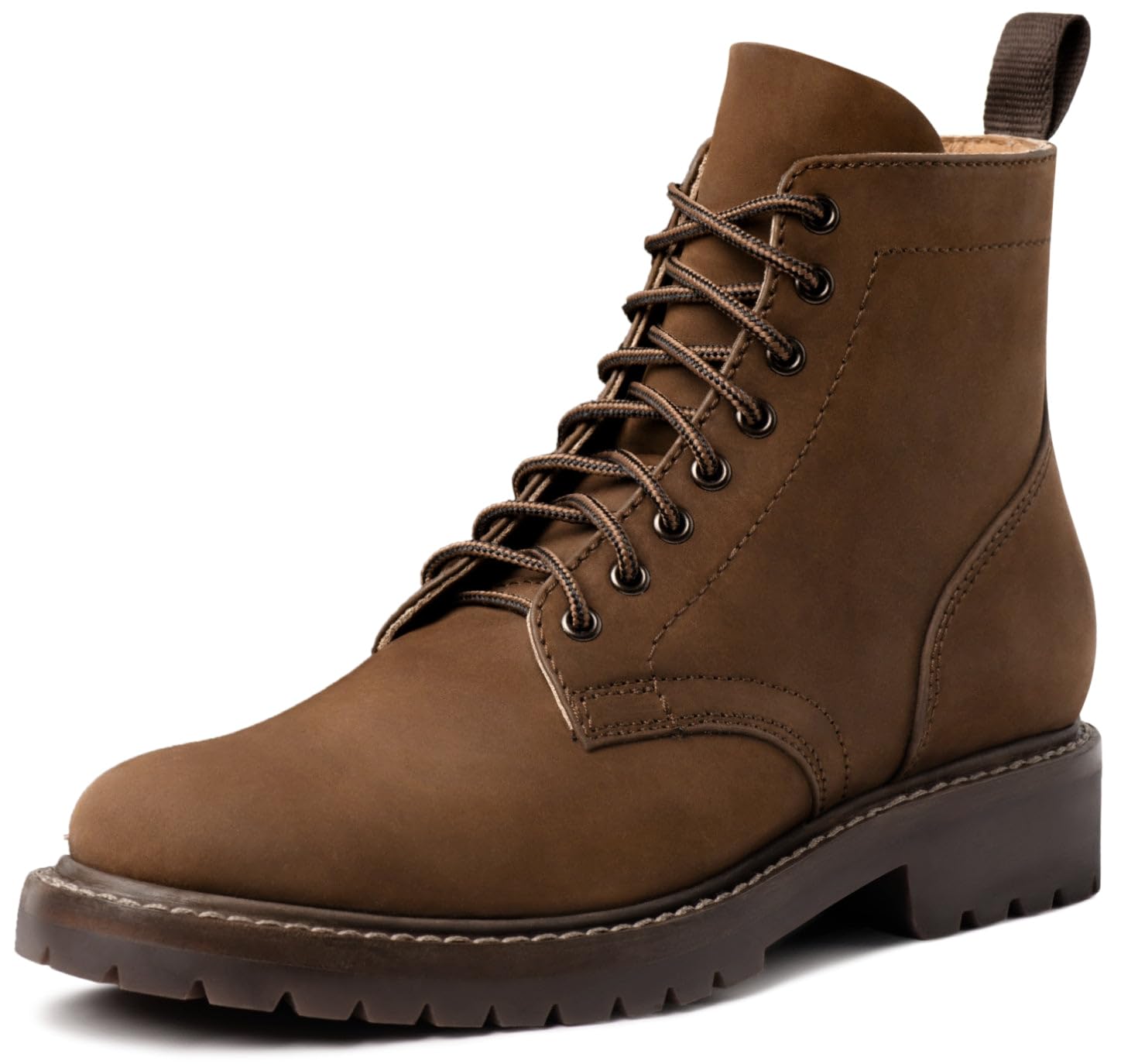


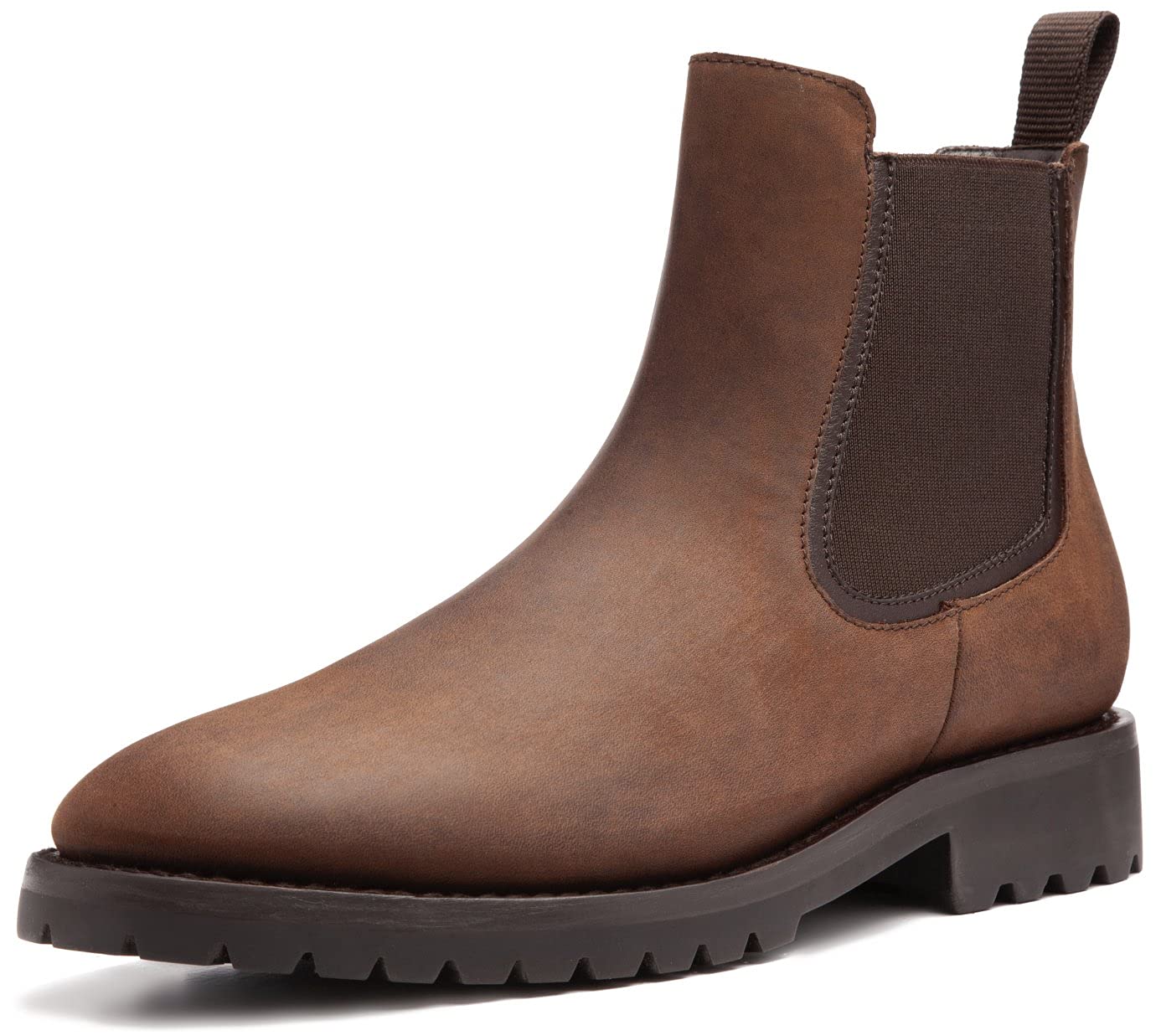
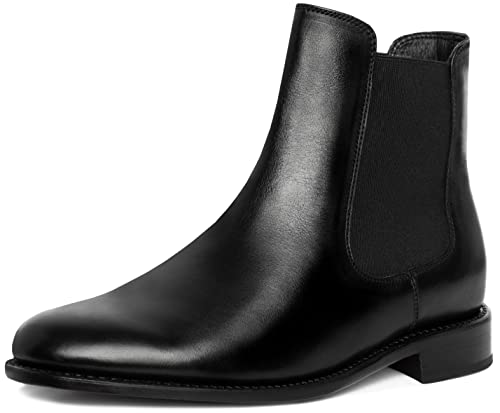


What to Check Before You Settle on a Color
Color is the last thing to lock in, not the first. The criteria below decide whether a pair works for your feet and your routine, and several interact with shade in easy to miss ways, from suede that darkens under spray to light leather that shows salt stains all winter.
Fit, Sizing, and Toe Box Room
Measure your feet late in the day, when they are at their largest, and compare the numbers with the size guide for the style you want. Thursday styles are built on different lasts, so a snug fit in one shape can feel roomy in another. Your toes should lie flat with a little space ahead of them in the toe box, and the widest part of your foot should sit at the widest part of the boot. Suede gives slightly more as it breaks in than smooth leather does, so suede that feels firm at first is usually fine, while smooth leather that already feels loose will only get looser.
Outsole Traction and the Ground You Cover
Look at the outsole before the shade, because it decides where the boots can go. Flat leather soles look clean with tailored trousers but offer little grip on wet pavement. Rubber soles with shallow lugs handle rain and light snow far better, and studded rubber suits mixed city walking. Dark soles also hide curb scuffs and road grime, which matters if you favor light uppers. If your commute includes slick platforms or icy sidewalks, put traction first and let it narrow your color choices to styles built with grippy soles.
Durability and How Long a Pair Should Last
A welted boot with a full grain leather upper should serve you for years, because the outsole can be replaced when it wears thin while the upper keeps going. That long horizon changes the color math. Deep browns and black age gracefully, developing a patina most people find attractive, while pale shades accumulate marks you cannot polish away. Expect the finish, not the structure, to limit very light colors. If you want one pair to look sharp for years, choose the shade that hides wear rather than the one that photographs best on day one.
Waterproofing and Wet Weather Reality
Most Thursday styles are water resistant rather than true waterproof boots, and they skip membrane linings like Gore Tex in favor of leather that handles drizzle and dries overnight. Treated suede sheds light rain well, but standing water will still find seams. Protective sprays help, yet they can darken light suede and pale leather by a visible shade, so the color you spray may not be the color you bought. If you often walk through heavy rain, plan on a darker shade that tolerates wetting and drying without showing tide lines.
Upper Materials and Breathability
Smooth full grain leather gives you the widest color range, from mid brown to black, and it takes polish that can refresh or slightly deepen the tone. Suede and roughout finishes feel softer and more casual, and their nap hides scratches well, but their colors fade faster in strong sun. Leather linings stay breathable enough for all day indoor wear, so these boots rarely feel clammy in an office. When you compare two shades in one style, check whether both use the same material, because a color offered only in suede ages very differently from the smooth leather version.
Cushioning and Support for Long Days
These boots use a modest stacked heel, so the heel to toe drop is small and the stance feels close to a dress shoe rather than a hiking boot. Cushioning comes mainly from the insole and the layer underfoot, which molds to your foot over the first weeks. Arch support is gentle rather than corrective, and most wearers find it enough for office days and city walking. If you stand on concrete for hours, a thin aftermarket insole can help, but try the boots with your usual socks first so the added volume does not crowd your toes.
Buying Guidance: Matching Boot Colors to Your Wardrobe
Once fit is settled, choosing the best color thursday boots for your closet comes down to three families of shades. Pick the family that pairs with the largest share of the trousers, denim, and jackets you wear most. If you are still comparing styles across the whole line, see our guide to the best thursday boots before you narrow in on shade.
Classic Brown Shades for Everyday Wear
Brown is the most forgiving family and the one most buyers should start with. A mid brown sits comfortably with navy, gray, olive, and indigo denim, which covers most casual and business casual wardrobes. Redder browns read warmer and pair best with earth tones, while darker brandy tones lean dressier and work with charcoal trousers. Match your belt roughly to your boots, not exactly: browns in the same warmth family look coordinated even when the shades differ by a step or two.
Black Boots for Sharper Outfits
Black boots are the right call when your wardrobe leans monochrome or when you need one pair to reach into evening wear. Polished black smooth leather reads almost like a dress shoe and suits black denim, charcoal suits worn casually, and all black outfits. Matte black finishes feel more rugged and hide scuffs better, but they never quite dress up to the same level. Black also shows dust and dried salt more than brown does, so winter wear means more frequent wiping. If you rarely wear black clothing, a dark brown will serve you far more often.
Suede and Roughout Colors for Casual Days
Suede and roughout shades trade polish for texture, and they shine with chinos, cords, and faded denim. Taupe, stone, and light tan suedes brighten casual outfits but demand the most care, since stains sit visibly on pale nap. Mid tone suedes in snuff or chocolate hide marks far better while keeping the relaxed feel. Roughout, where the flesh side of the leather faces out, shrugs off scrapes that would scar smooth leather, which makes it a smart pick in darker shades for travel and weekend wear.
Matching Boot Color to Belts, Watches, and Your Wider Palette
Undertone is the skill behind every good color decision. Warm browns carry red or orange undertones, cooler browns lean gray, and your other leather goods should sit in the same family. A warm tan watch strap will clash with a cool ashy boot, so if you enjoy coordinating accessories, browse the best color watches with strap shades in mind. Boot leather also shifts under warm evening light, so check your shade near a window as well as under lamps.
A Quick Buyer Checklist Before You Order
Run through these questions with the product table above in view. A yes on nearly all of them means the shade and style fit your life, not just your eye.
- Does this shade pair with at least three trousers or jeans you already own?
- Did you check your size against the guide for this exact style and last?
- Does the outsole suit the pavements and weather on your normal routes?
- Are you willing to do the upkeep this finish needs, from polishing to suede brushing?
- Will this color still look right after a year of scuffs, fading, and darkening?
- Does the shade work with the belts and watch straps you wear most?
- Have you viewed the color in natural light photos, not only studio shots?
Red Flags to Watch For
- Photos that show the color only under bright studio light, because the shade will arrive darker and flatter at home.
- Vague material wording with no mention of full grain leather, because thin corrected leather cracks early and takes color unevenly.
- A price far below the usual range for welted boots, because corners were likely cut in leather grade or construction.
- Blotchy or streaky dye in listing photos, because uneven color on day one only grows more obvious with wear.
- No clear return or exchange terms on sizing, because a first pair in a new last often needs a size swap.
Care and Maintenance for Colored Leather and Suede
Smooth leather boots stay rich in color when you condition them every few months and polish only as needed. Conditioner can darken pale shades slightly, so apply it evenly over the whole boot rather than in patches, and expect light browns to settle a touch deeper over the first year. Rest boots on cedar trees between wears, and rotate two pairs if you wear boots daily so each pair dries fully.
Suede needs a different routine. Brush the nap after wear to lift dust and restore the color, use a suede eraser on shiny marks, and keep wet light suede away from direct heat, since heat can set water stains into pale finishes. Store all colors away from prolonged direct sunlight, which fades suede fastest. Skipping this care is the main reason good boots look tired before their soles wear out.
Frequently Asked Questions
Do Thursday boots in light colors need a protective spray?
Yes, light colored Thursday boots benefit from a protective spray, especially in suede. Spray slows water spotting and makes stains easier to brush out later. Test it on a hidden spot near the heel first, because many protectors darken pale suede by about a shade. Reapply after a wet season or whenever water stops beading, and spray new boots before their first outdoor wear.
Are Thursday boots in higher priced colors worth the extra cost?
They can be, but the color itself rarely changes durability. Higher priced shades usually reflect costlier leather, such as premium tannery suede or a hand finished smooth leather, and most styles sit roughly between $160 and $215. Pay the difference when the finish is the one you will wear weekly. Skip it when a standard brown in the same leather family gives you the same pairings for less.
Can you wear Thursday boots all day?
Yes, you can wear Thursday boots all day once they have broken in. The cushioned insole and low heel suit office hours, errands, and evening plans without a shoe change. During the first week, alternate with another pair every other day so your feet and the leather adjust gradually. If you stand on hard floors for a full shift, choose a rubber outsole, which softens each step compared with a leather sole.
How should Thursday boots fit when you first try them on?
Thursday boots should feel snug across the instep and around the heel, with your toes lying flat and not pressed against the front. A little heel slip is normal in a stiff new boot and usually fades as the sole flexes. Try them on in the evening with the socks you plan to wear most, since dress socks and thick boot socks can change the right size by half a step. If your toes curl or the sides bulge over the sole, go up a size.
How long is the break in period for Thursday boots?
The break in period for Thursday boots is usually one to two weeks of regular wear. Smooth leather feels stiff on the first few outings, then softens at the ankle and across the flex points. Wear new pairs around the house for a few hours before a long day out, so pressure spots show up while you can still change shoes. Thick socks during the first wears reduce rubbing.
How often should you replace Thursday boots?
You should replace Thursday boots far less often than ordinary shoes, because the welted build lets a cobbler fit a new outsole when the original wears smooth. Many owners resole once or twice before the upper gives out. Replacement time truly arrives when leather cracks deeply at the flex points despite conditioning, or when the heel lining wears through. Watch the outsole edges each season, since resole work costs less while the midsole beneath is still sound.
Final Thoughts
Start with fit, outsole, and material, then let color follow your wardrobe rather than a trend. Browns cover the most ground for most people, black earns its place in sharper closets, and suede rewards casual wearers who will brush it now and then. Compare your shortlist against the product table above, run the checklist once more, and you will land on the best color thursday boots for the way you actually dress. Prices and availability can change, so check the product page before ordering.


