
Best Collagen Tablets for Wrinkles: A Buying Guide for 2026
Disclosure: We may earn a commission when you buy through links on this page, at no extra cost to you. As an Amazon Associate I earn from qualifying purchases. Learn more

Compare the best collagen tablets for wrinkles by label checks, ingredients, verification seals and realistic expectations.
Fine lines make many people curious about collagen, but labels rarely explain what actually differs between products. This guide slows the decision down. It shows you how to judge the best collagen tablets for wrinkles by serving size, collagen type, verification, and daily practicality, without promising that any tablet can erase lines or replace skin care and medical advice.
Use the comparison table below for a quick view of serving sizes and prices, then work through the criteria that follow before you spend money on a three month supply.


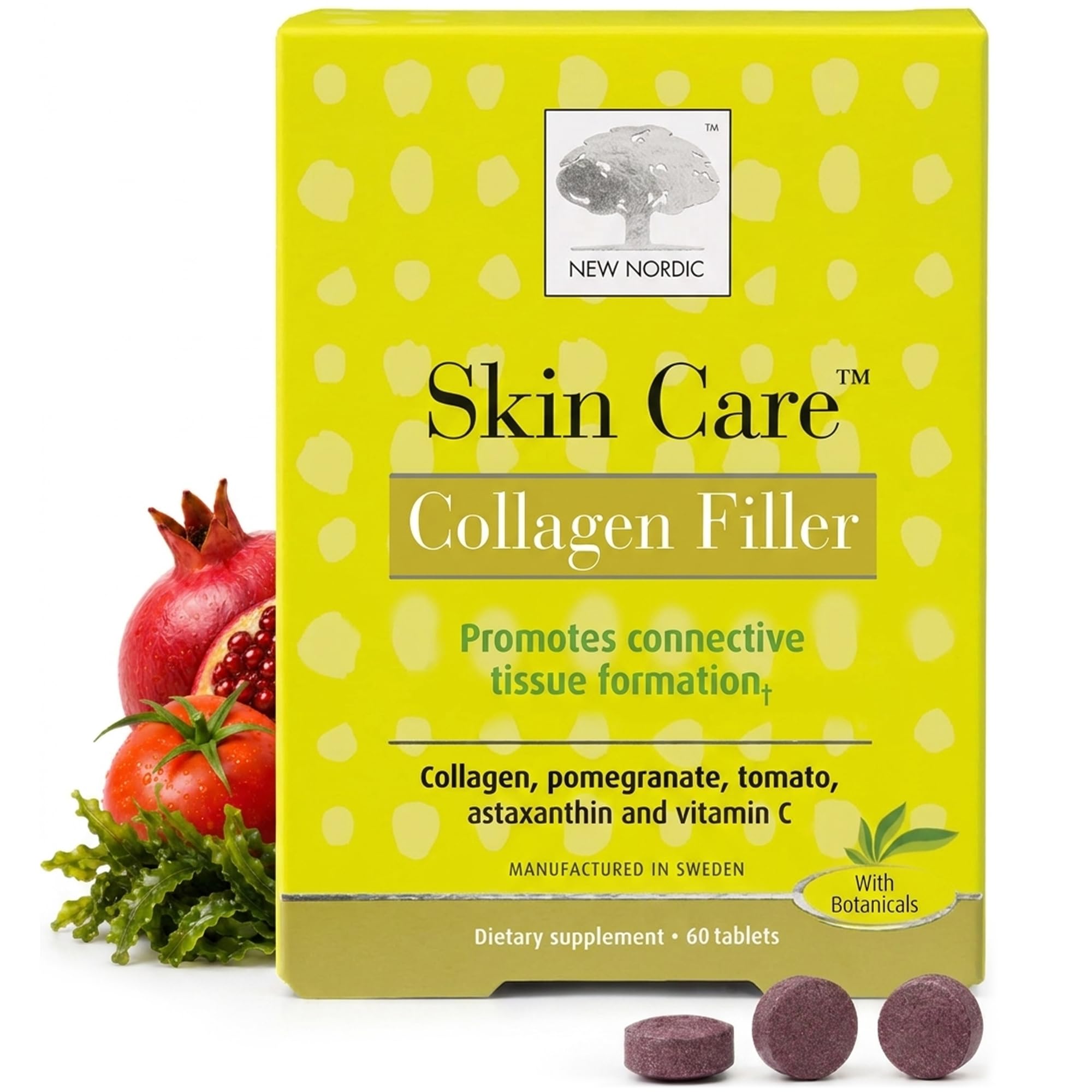


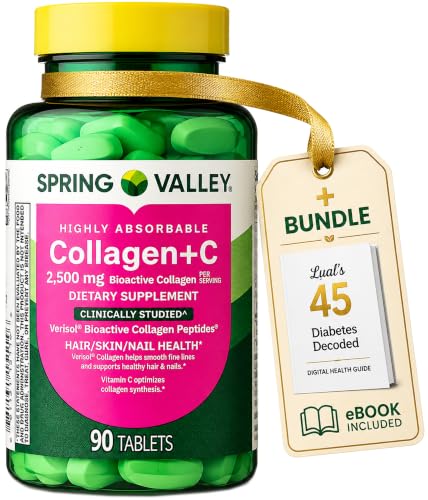

What Strong Options Look Like at a Glance
Because no tablet suits everyone, think in profiles rather than winners. The three profiles below describe what a sensible choice looks like for different priorities, so you can match products in the table to the profile that fits you.
The Balanced Profile
A strong overall profile balances a clear peptide dosage with honest labeling. Expect hydrolyzed collagen with stated types, vitamin C included or clearly left to your diet, and a daily count of tablets that feels manageable. Verification information should be easy to find, and the cost per day should sit in a middle range for the tablet format. If any one of those basics is missing, the product is not an overall contender, whatever its marketing says.
The Budget Profile
A value profile keeps the formula focused and the bottle large. You may give up extras such as hyaluronic acid or added botanicals, but you should not give up source disclosure or basic quality checks. Do the math per serving, not per bottle, and watch for serving sizes that quietly require extra tablets. Value also means a freshness date with enough life left for you to finish the bottle at the label pace.
The Verified Premium Profile
A premium profile earns its price through verification and formulation care. Look for named verification programs, a certificate of analysis you can request, and thoughtful extras at meaningful amounts rather than a long list of trace ingredients. Packaging that protects the tablets from moisture and a responsive support channel also count. Premium never means stronger medical claims. A brand that promises dramatic wrinkle results is raising a warning sign, not proving quality.
How to Choose the Best Collagen Tablets for Wrinkles
This is the core of your decision. Work through each factor in order, and be honest about what you will maintain for at least two to three months, because short trials tell you very little about a slow routine. If you are still deciding between general formulas, our guide to the best collagen tablets covers the wider category first.
Features That Matter for Wrinkles
Wrinkle focused buying is really about skin structure support and realistic expectations. Type I collagen is the type most often listed on skin focused labels, and hydrolyzed peptides are the form most of them describe. Vitamin C supports your own collagen production, and adequate protein, sleep, and sun protection do far more for lines than any single tablet. Judge products on peptide form and dose clarity, not on before and after photos, which prove nothing about your outcome.
Active Ingredients and Dosage per Serving
Check the supplement facts panel for the amount of collagen per serving and the number of tablets that serving requires. Tablet products often provide less collagen per day than powders, which is a real trade off to weigh. Resources from the NIH Office of Dietary Supplements help you check upper limits for added nutrients such as vitamin C and zinc, though collagen itself has no official daily value. This guide does not set a dose for you. Follow the label and your clinician guidance instead of doubling servings.
Form (Tablet, Capsule, Powder, Gummy)
Tablets suit people who want a measured, portable dose with no mixing and no sugar. Capsules may be easier to swallow but often mean more pieces per day. Powders allow larger servings and blend into coffee or smoothies, yet taste and grit bother some users. Gummies are enjoyable but usually deliver the least collagen and the most added sugar. If swallowing is difficult, that fact alone should steer your choice, because a form you avoid will never become a habit.
Third Party Verification (USP, NSF, ConsumerLab)
Independent verification matters because the FDA does not approve dietary supplements before they reach store shelves. Seals and programs such as USP verified, NSF certified, and ConsumerLab review help confirm that what is on the label is in the bottle and that common contaminants stay within limits. Third party verified claims are stronger when the brand names the verifier. A seal cannot prove a product will change your skin, but it does reduce the risk of paying for a mislabeled formula.
Potential Side Effects and Interactions
Possible effects include mild bloating, a heavy feeling, heartburn, or reactions tied to the collagen source, such as fish, egg, or bovine material. Supplements can also complicate a medication plan in ways that are not obvious from the label. Ask your doctor or pharmacist before starting, especially if you are pregnant, nursing, treating a skin condition, or managing kidney or liver issues. Stop and seek care promptly for swelling, trouble breathing, or a spreading rash.
Brand Transparency
Transparent brands state where their collagen comes from, how it is processed, and how each batch is checked. Look for a lot number, a clear expiration date, and contact details that reach a real support team. Non GMO sourcing and clear allergen statements add useful detail. If a company will not say whether its collagen is bovine or marine, or hides amounts inside a blend with no totals, treat that silence as part of the product quality picture. Readers comparing label styles may also find our guide to the best collagen supplement tablets helpful for terminology.
Types of Collagen Products
Powders
Powders offer the largest servings and flexible mixing into hot or cold drinks. They suit people who want higher gram amounts and do not mind a daily mixing step. The downsides are texture, flavor carryover in plain water, and a bulky tub that travels poorly. Cost per gram is often favorable, which is why many long term users start with tablets for ease and later switch to powder for dose size.
Liquid Forms
Liquid forms come ready to drink, which helps if you dislike swallowing tablets. They are convenient for travel in single serve bottles, but they tend to cost more per serving and may include sweeteners or preservatives. Check the actual collagen grams, because a tasty drink can still be a light dose. Refrigeration rules and a shorter shelf life after opening also deserve a quick look before you stock up.
Tablets and Capsules
Tablets and capsules are tidy, measured, and easy to carry, with no taste once swallowed. Their limit is payload, since each piece holds only so much collagen, so daily counts can climb. They suit travel, office routines, and anyone who dislikes mixing drinks. Read the tablet size if you can, and start with a small bottle if swallowing larger tablets has ever been a problem for you.
Gummies
Gummies turn a supplement into a pleasant daily habit, which is their main strength. They are also the weakest format for collagen amount, and sugar or sugar alcohols can be an issue for some readers. They fit people who value adherence over dose size and who have checked the added nutrients against their other supplements. Keep them stored like candy but out of reach of children, who may mistake them for sweets.
Setup and Care Tips
- Talk to your doctor before starting any supplement, and mention any skin treatments or medicines you use.
- Store in a cool, dry place, since bathroom steam and heat can degrade tablets over time.
- Follow the label serving, even if progress feels slow.
- Check expiration dates when the bottle arrives and again before starting a second bottle.
- Take a dated photo in the same light each month if you want an honest record, rather than relying on memory.
- Keep sunscreen and moisturizer habits steady, so you do not credit or blame the tablet for changes caused by other shifts. Our guide on the best time to take collagen tablets can help you place the dose inside a routine you already keep.
FAQs
What features matter most in collagen tablets for wrinkles?
Peptide form, stated collagen types, and a clear gram amount per serving matter most. Hydrolyzed type I collagen is the usual focus for skin structure, and vitamin C supports your own production. Verification seals and source disclosure confirm the label is credible. Tablet count per day is the quiet deciding factor, because a routine that feels like a chore rarely survives past the first bottle.
Do supplements actually work?
Results, when they appear, tend to be modest and gradual. Studies are mixed, and no supplement is approved to treat wrinkles as a medical condition. Think of collagen as background support alongside sun protection and nutrition. Anyone promising dramatic change from a tablet alone is overselling what the evidence can carry.
Can I get enough from food instead?
You can support collagen production well through food, and for many people that is enough. Protein rich meals supply amino acids, while citrus, peppers, and leafy greens supply vitamin C. Bone broth and slow cooked meats contain collagen directly, though amounts vary widely. A tablet mainly adds convenience and a measured amount. If your diet is already strong on protein and produce, the added benefit of a supplement is likely smaller.
Are they safe to take every day?
Daily use at the label dose is common, but your safety depends on allergies, conditions, and medicines. Source allergies are the clearest risk, and long term supplement data remain limited. The FDA regulates supplements differently from drugs, with no premarket approval, so choosing verified brands matters. Check with your clinician before daily use, especially during pregnancy or nursing, and report any new symptoms rather than pushing through them.
When is the best time to take them?
A consistent time beats a perfect time. Morning with breakfast suits many people because food can ease mild stomach discomfort. Evening routines work just as well if that is when you remember. What matters is pairing the dose with a stable habit and keeping spacing advice from your pharmacist for any medicines that need an empty stomach or separation from supplements.
Who should avoid them?
People allergic to the stated source, such as fish or egg, should avoid matching products entirely. Anyone pregnant, nursing, scheduled for a procedure, or managing a condition that limits protein intake should get personal advice first. Children should not use adult skin supplements unless a pediatric clinician says otherwise. If you take regular medication, a pharmacist can check your full list in a few minutes, which is time well spent.
Final Thoughts
Choose on peptide clarity, verification, and a daily routine you can keep, and keep your expectations calm and evidence based. Talk with your clinician about your personal needs, especially if skin changes are sudden or a mole or patch looks different, since those need medical review, not a supplement. When you are ready, revisit the product table above and compare the best collagen tablets for wrinkles against the profile that fits your budget and habits.


