Best Coffee Maker for Beginners: First Machine Guide 2026
Disclosure: We may earn a commission when you buy through links on this page, at no extra cost to you. As an Amazon Associate I earn from qualifying purchases. Learn more

Best coffee maker for beginners: simple controls, the right size and easy cleaning for a first machine.
Your first machine sits on the counter every morning, so a confusing one quickly becomes clutter while a simple one becomes a habit. The right best coffee maker for beginners is the one that matches your counter space and the number of people drinking. This guide skips the jargon and focuses on capacity, controls, cleaning, and running costs.
Start with the comparison table below, which lines up the main types side by side. If you want the broader picture first, see our guide to the best coffee maker for options aimed at more experienced home brewers.
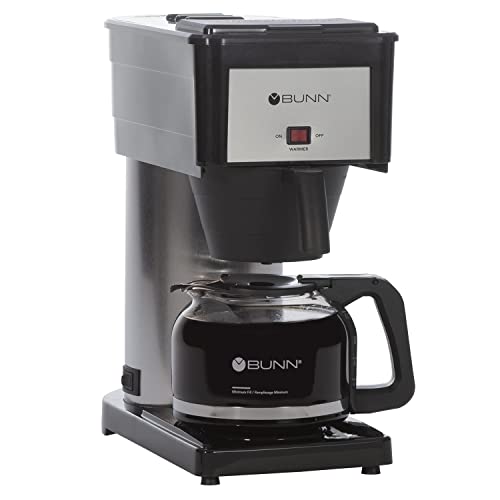
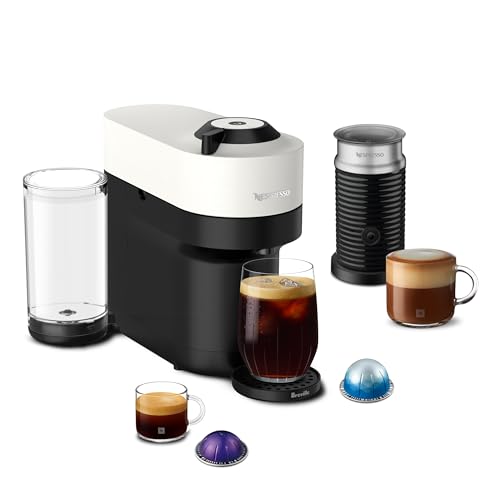
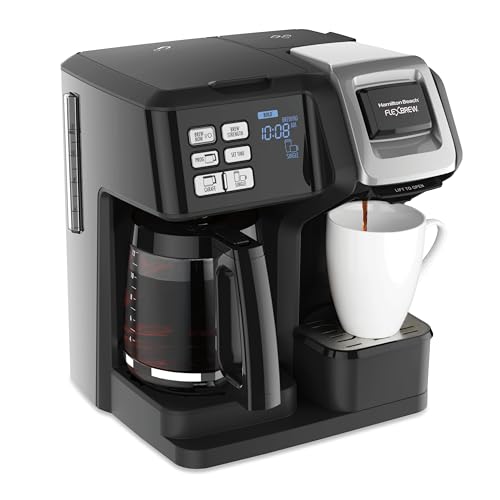


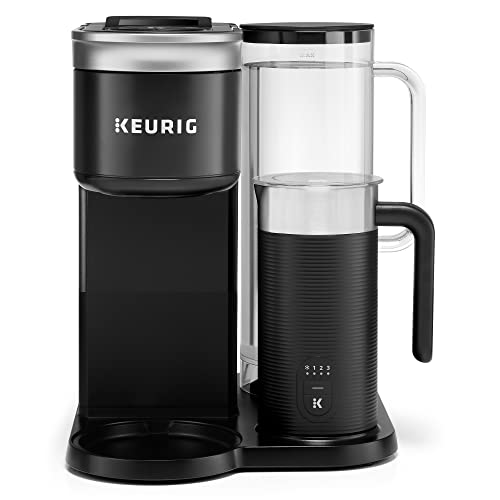
Quick Answer: Three Types That Fit Most Beginners
Most new buyers do well with one of three types. A basic drip machine suits households that drink several cups and want the lowest learning curve. A compact single cup machine suits one person in a small kitchen who hates waste. A programmable drip machine suits anyone who wants coffee ready at a set time.
Before You Buy: A Quick Checklist for Choosing a Coffee Maker for Beginners
Size: Match It to Your Space
Capacity is listed in cups, but a coffee maker cup is usually about 5 ounces, not the size of your favorite mug. A 4 or 5 cup model often fills just two real mugs, which is plenty for one or two drinkers. An 8 or 10 cup model suits a couple who refill, while 12 or 14 cup models make sense for families or guests. Brewing far more than you drink wastes coffee, so size for a normal weekday, not your biggest gathering.
Which Type Fits Your Routine
Drip is the default starting point because the steps never change: add water, add a filter and grounds, press start. If that routine appeals, compare the options in our guide to the best drip coffee maker. Single cup machines trade that simplicity for pods and higher cost per cup. Dual machines brew a pot or a single cup, which helps mixed households but adds parts to clean. Iced models brew stronger coffee over ice, so buy one only if cold coffee is your daily drink.
Features Worth It (and Ones to Skip)
Worth paying for: a clear water window, an auto shut off for peace of mind, and a pause feature that lets you pour mid brew without drips. A built in grinder freshens flavor, and our guide to the best coffee maker with grinder explains the trade offs, but it also adds noise and cleaning. Skip a milk frother, hot water dispenser, and pod option unless you will use them weekly, because each extra system is one more thing to descale and store.
Brew Temperature and SCA Certification
Water that is too cool under extracts the grounds and tastes sour, while water that scalds them can taste harsh. The widely used target range is 195 to 205 degrees Fahrenheit during brewing, and holding near that range is what separates a good pot from a flat one. SCA certification means a model has met the Specialty Coffee Association standards for temperature, brew time, and consistency. It is a useful shortcut for a beginner who cannot judge extraction yet, though plenty of uncertified machines still brew a satisfying cup.
Water Reservoir, Filters and Descaling
A removable reservoir is easier to fill at the sink and to scrub than one you fill with the carafe, which often spills. Paper filters are cheap, trap more sediment, and go straight into the trash with the grounds. Reusable filters cost nothing per pot but need rinsing after every brew. All machines build up mineral scale from tap water, so check how descaling works before you buy: an alert light and a simple cycle beat a process buried in the manual.
Counter Footprint
Capacity tells you how much coffee a machine makes, but footprint tells you whether it fits your kitchen. Measure the depth with the lid open, because many machines need several extra inches of height to pour water in, and under cabinet space is often tight. Check where the cord exits and whether the water window faces the side you will stand on. A tall narrow model often works better in a galley kitchen than a short wide one with the same capacity.
Realistic Budget Ranges
Machines under $30 are usually small basic drip models with few settings, a sensible way to learn what you like. Spending about $50 to $100 adds programmability, a thermal carafe, or larger capacity. At about $100 to $200 you tend to get steadier brew temperature, sturdier parts, and sometimes certification or a built in grinder. Spending more mainly improves consistency and durability, so a beginner rarely needs the top tier first.
Types Compared: Three Routes for a First Machine
Instead of chasing a single winner, compare the three routes below by household, budget, and tolerance for upkeep. Each one can make good coffee, and each one asks something different of you.
Basic Drip Machines for Most Homes
This is the type to beat for a first purchase. Controls are minimal, replacement carafes and filters are easy to find, and the cost per cup stays low because you buy coffee in a bag. A glass carafe on a warming plate is cheapest, though coffee left on heat slowly turns bitter. Choose this route if two or more people drink coffee and you prefer learning one simple routine well.
Compact Single Cup Machines for Solo Drinkers
A single cup machine brews one serving at a time, so nothing sits around going stale and the footprint is the smallest of any type. The trade offs are real: pods cost more per cup than ground coffee, limit your choice of roasts, and create more packaging waste. Some models accept a reusable pod you fill yourself, which softens both problems. Choose this route if you live alone and value speed over the lowest running cost.
Programmable and Thermal Carafe Models for Busy Mornings
A programmable machine lets you load water and grounds at night and wake to a finished pot, which removes the fiddliest steps from your groggiest hour. Pairing that timer with a thermal carafe keeps coffee hot with insulation instead of a warming plate, so the last cup tastes closer to the first. You do give up the clear view of how much remains, and thermal carafes cost more to replace. Choose this route if your mornings run on a fixed schedule and coffee often sits for an hour.
How to Evaluate Coffee Makers for Beginners
Judge any model on five things: whether the brew lands in the temperature range above, how stable that temperature stays across a full pot, how few steps stand between you and brewing, how straightforward cleaning is, and how solid the carafe and buttons feel. Manufacturer specifications, verified buyer reviews, and certification standards are the sources worth trusting for those points. Be wary of any listing that promises cafe quality without stating capacity or temperature.
Living With It: What Really Matters Day to Day
The first week teaches you more than the product listing. New users usually need a few pots to settle on a coffee to water ratio, and the fill lines on the reservoir make that learning curve much easier, which is why our walkthrough on how to use a coffee maker is worth reading before your first brew. Write the ratio that worked on a note inside a cabinet door and your results will stay consistent even when you switch coffee brands.
Household fit matters more than feature lists after that first week. A machine that serves a whole home without a second brew cycle saves real time, and the options in our guide to the best coffee maker for home focus on exactly that shared use. Think about noise if someone sleeps near the kitchen, and where wet filters and grounds will go. A quiet basic machine beats a loud feature packed one that wakes the house.
Common Buying Mistakes to Avoid
- Buying capacity for guests, not weekdays: an oversized pot means stale leftover coffee on most mornings.
- Ignoring the cost of pods or filters: a cheap machine with pricey refills can cost more within a year than a pricier drip model.
- Paying for features you will not use: frothers and extra brew modes add cleaning and repair points without improving your daily cup.
- Skipping the cabinet measurement: a machine that cannot open fully under your cabinets turns every fill into a workaround.
- Choosing by looks alone: a pretty machine with a fixed reservoir and no descaling alert becomes harder to live with each month.
Cost of Ownership and Care
Running costs are mostly coffee itself, plus paper filters and descaling solution a few times a year. Electricity use is modest because the brew cycle is short, though a warming plate left on for hours adds up. Rinse the carafe daily, wipe the warming plate once it cools, and descale on the schedule in the manual or sooner if brewing slows down. For the full routine, follow the steps in our guide to how to clean a coffee maker and store the machine with the lid open so the reservoir dries fully between uses.
FAQ
What is the most reliable coffee maker brand?
No single brand wins for every type, and reliability claims in listings are hard to verify. A better check is the warranty length, whether replacement carafes and filters for that model are still sold, and whether the maker publishes clear descaling and support information. Simple drip models with few electronic features also tend to have fewer parts that can fail, whatever badge they carry.
How do you clean a coffee maker day to day?
Daily care is lighter than most beginners expect. Empty the grounds right after brewing so oils do not sit and turn rancid, wash the carafe and any removable parts in warm soapy water, and leave the lid open to dry. The one habit that prevents most off flavors is never leaving old coffee standing in the carafe overnight, because that residue seasons the next pot.
Is a coffee maker worth it for a beginner?
For most people, yes, once you compare it with a daily cafe habit. Add up what you spend on bought coffee in one week and compare it with the price of a basic machine plus a bag of ground coffee, and the machine usually pays for itself quickly. It is less worth it if you drink coffee only once or twice a week, where a small manual brewer may suit you better.
How long does a coffee maker last?
A typical home machine lasts about five years, with simple drip models often going longer and feature heavy models sometimes failing sooner at a pump or control board. Signs the end is near include leaks under the base, brewing that stays slow right after descaling, and a sour taste that fresh filters and a clean carafe do not fix. At that point replacement usually beats repair for machines in the lower price tiers.
What should I look for in a coffee maker for beginners?
Start by naming the one thing that frustrates you most about mornings, then buy for that. If time is the problem, a timer matters most. If taste is the problem, steady brew temperature matters most. If mess is the problem, a removable reservoir and simple filter basket matter most. That single priority keeps you from paying for a long feature list that solves problems you do not have.
What is the best coffee maker for beginners?
There is no single answer, because the right machine depends on how many people drink, how much counter you can give up, and whether mornings need a timer. Use the product table above to match a type to your household first, then check capacity and cleaning steps within that type. A basic drip model is the safest default, and you can always upgrade once your routine is clear.
Final Thoughts
A first machine should make your mornings calmer, not give you a new system to manage. Match the capacity to your real household, keep the controls simple, and plan for cleaning before you buy. Chosen that way, the best coffee maker for beginners is simply the one you will use happily every day, and the product table above is the quickest way to see which type fits your home.