Best Cocktail Mixers to Have on Hand: Types Compared and How to Choose for 2026
Disclosure: We may earn a commission when you buy through links on this page, at no extra cost to you. As an Amazon Associate I earn from qualifying purchases. Learn more

Learn the best cocktail mixers to have on hand with a guide that compares types, sugar levels, shelf life, storage, and pairing for a home bar.
A home bar can feel confusing when every bottle promises to make a different drink. Tonic water, ginger beer, club soda, citrus juices, syrups, and bottled blends all play different roles, and buying all of them at once wastes money and fridge space. This guide to the best cocktail mixers to have on hand compares each main type so you can stock a small set that covers many drinks well.
You will learn what each mixer type does, where it falls short, and how sugar, shelf life, and storage should shape your choices. Use the product table below to see examples side by side, then read on for pairing and stocking advice that fits the drinks you actually make.


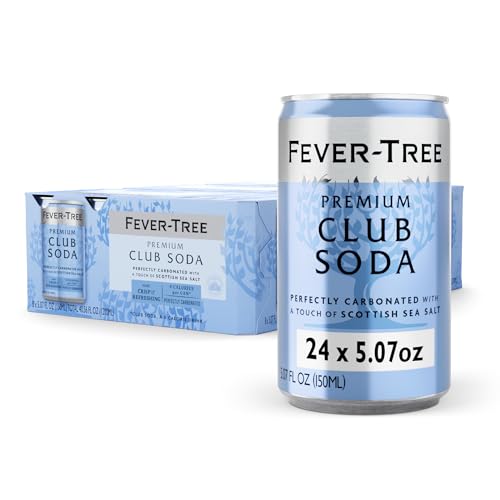


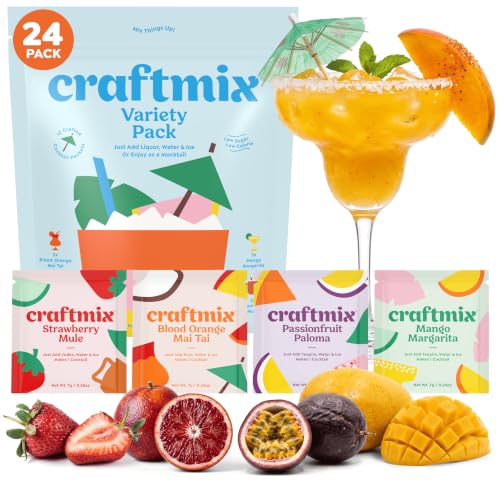


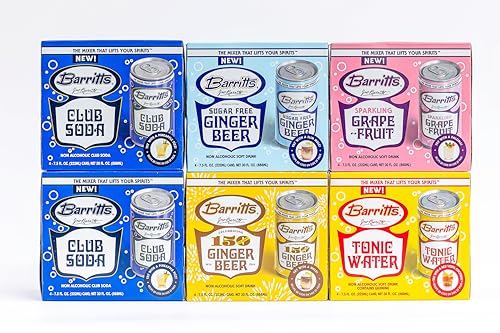

Types of Cocktail Mixers to Have on Hand Compared
Most home bars need three layers. The first is carbonated mixers such as tonic water, club soda, and ginger beer, which add lift and dilution. The second is citrus and juice, which add acid and freshness. The third is sweet and bitter elements such as simple syrup, grenadine, and bitters style concentrates, which balance a drink. Bottled ready to pour mixers combine several of those layers in one bottle, which is convenient but less flexible. Prices vary widely, from under $5 for basic soda to about $10 to $20 for craft style bottled blends, so type matters more than brand when you plan a budget.
Juice Based Mixers
Juice based mixers use citrus, pineapple, cranberry, tomato, or other fruit and vegetable juices as their base. They bring bright acid and natural flavor, and they are the backbone of drinks built around lime, lemon, or orange. Fresh juice gives the cleanest taste, while bottled juice based mixers trade a little freshness for convenience and a longer fridge life after opening.
Choose this type if you make margarita style drinks, sours, and brunch drinks often. The main drawback is waste, because opened juice loses flavor within days and large bottles can spoil before you finish them. Buying smaller bottles, freezing extra citrus juice in ice cube trays, and planning two drinks nights in a row helps you use a bottle while it still tastes fresh.
Low Sugar Mixers
Low sugar mixers cut calories and sweetness by using less sugar or sugar substitutes such as stevia or monk fruit. They include diet tonic water, light ginger beer, and bottled blends labeled low sugar or zero sugar. The flavor is usually leaner and more bitter or tart, which suits drinkers who find standard mixers cloying after one glass.
Choose this type if you watch sugar for health or taste reasons, but read the label per serving rather than trusting the front of the bottle. Some low sugar mixers still carry notable sugar, and some sweeteners leave an aftertaste that clashes with delicate spirits. If you are managing diabetes or another medical condition, talk with your clinician about alcohol itself, because a low sugar mixer does not make a cocktail a health drink.
Craft Cocktail Mixers
Craft cocktail mixers are bottled blends built around a specific drink or flavor profile, often with real juice, spices, herbs, or smoked and spiced notes. They let you pour a complex drink with one bottle plus a spirit, which is useful when guests arrive and you do not want to juice, muddle, and measure five ingredients per glass.
Choose this type for entertaining and for flavors you would rarely build from scratch, such as spiced or seasonal blends. The trade off is cost and flexibility. Craft bottles often cost about $12 to $20, they still expire after opening, and a blend tuned for one drink rarely works well in another. Buy one craft bottle at a time, matched to a drink you know your group enjoys.
Juice Based Mixers vs Low Sugar Mixers: Which Should You Choose?
On flavor, juice based mixers taste fuller and more natural, while low sugar mixers taste brighter and drier but can feel thin. On sweetness control, low sugar options win because the work is done for you, although you can also dilute juice based mixers with club soda to cut sweetness. On shelf life, both need refrigeration after opening and both fade within about a week, with juice based options usually fading faster.
On cost, basic juices are cheap per bottle but waste raises the real price, while low sugar sodas and tonics cost a little more and keep longer unopened. On versatility, juice based mixers pair with more spirits and more classic recipes. If you drink cocktails twice a month or more and value classic flavor, start with juice based staples. If sugar is your main concern and you mostly make highball style drinks, start with low sugar tonic, soda, and ginger beer.
If you are building a broader starter set, our guide to the best mixers to have on hand covers the pantry staples that sit alongside cocktail specific bottles.
How to Choose the Right Cocktail Mixers to Have on Hand
Flavor Profile and Pairing
Every balanced cocktail needs sweet, sour, and either bitter or spice in some proportion. Gin pairs well with tonic water and citrus because its botanicals already bring herbal notes. Whiskey suits ginger beer, ginger ale, and a touch of citrus or cherry. Tequila works with lime based mixers and grapefruit soda. Vodka is neutral, so it takes on the mixer flavor almost completely, which makes mixer quality most noticeable in vodka drinks. Rum leans sweet, so tart and spiced mixers keep it balanced. Start by listing the two spirits you pour most, then stock mixers that serve both, rather than buying for drinks you might make once a year.
Shelf Life and Storage
Unopened sodas, tonics, and bottled blends keep for months in a cool pantry, but carbonation fades after opening within a day or two. Juices and craft blends need refrigeration once opened and usually taste best within five to seven days, though labels vary, so follow the bottle guidance first. Syrups last longer, often several weeks chilled, and they freeze well in small portions. A practical know how point is to write the opening date on each bottle with a marker. That one habit ends the guesswork about whether a mixer is still good, and it helps you plan drinks around what needs using first.
Ready to Use vs Concentrate
Ready to use mixers pour straight from the bottle, which is fast and consistent for parties. Concentrates, cordials, and syrups need dilution with soda, water, or juice, but one small bottle makes many drinks and takes little shelf space. Ready to use bottles suit hosts who value speed and predictable results. Concentrates suit regular home bartenders who enjoy adjusting strength and sweetness per glass. Cost per drink usually favors concentrates, while waste favors them too, because they keep longer. If fridge space is tight, a couple of concentrates plus club soda can replace several large ready to use bottles.
Sugar Content and Low Calorie Options
Check grams of sugar per serving and note the serving size, because some labels use a small pour that few people actually serve. A standard tonic can carry sugar close to that of a soft drink, while club soda carries none. Swapping tonic for soda in half of your drinks is a simple way to cut sugar without buying special products. You can also stretch a sweet mixer with soda at a one to one ratio and add extra citrus to keep the flavor lively. For a wider view of lighter options, see our guide to the best drink mixers to have on hand, which covers everyday drinks beyond cocktails.
How to Make Your Cocktail Mixers Last Longer
Chill mixers before mixing, because cold soda and tonic hold carbonation better and cold juice needs less ice dilution. Use a one to two or one to three spirit to mixer ratio as a starting point, then adjust, since overpouring mixer drains bottles fast and dulls flavor. Garnish with fresh citrus, herbs, or a cherry, because a fresh garnish makes a simple drink taste finished without opening another bottle. Store opened bottles upright, tightly capped, and away from the fridge door where temperatures swing. Finally, plan a second use for every opened bottle, such as a soda based mocktail the next day, so less goes to waste.
FAQs
Are premium mixers worth it?
Premium mixers are worth it when the mixer is most of the drink, as in a gin and tonic. Better tonic and craft blends use real sugar, real juice, and stronger spice, and you can taste the difference in a simple serve. In complex drinks with several strong flavors, a mid priced mixer usually does the job, so save premium bottles for simple highballs.
What is a good low sugar mixer?
Club soda is the simplest good low sugar mixer because it has no sugar and no sweetener aftertaste. Add fresh citrus and a herb sprig and it carries almost any spirit. Diet tonic and light ginger beer are the next step when you want quinine bite or ginger heat. Always check the label, because light products vary a lot in sugar per serving.
What cocktail mixer pairs well with each spirit?
Pair by matching weight and flavor. Gin suits tonic and grapefruit, vodka suits cranberry, soda, and ginger beer, and tequila suits lime and grapefruit soda. Whiskey suits ginger ale and cola, while rum suits cola, pineapple, and ginger beer. When in doubt, citrus plus soda works with almost any white spirit and rarely clashes.
How long do opened mixers last?
Opened carbonated mixers last about one to two days before they go flat, even when capped and chilled. Opened juices and craft blends usually keep five to seven days in the fridge, and syrups often keep several weeks. Smell and taste a small sip before serving guests, and discard anything that smells off, looks cloudy in a new way, or has mold.
Final Thoughts
Stock the best cocktail mixers to have on hand around the drinks you make most, balance one carbonated staple, one citrus option, and one sweet element, and watch sugar and shelf life before you buy in bulk. Compare the options in the product table above, and round out your research with our guide to the best cocktail mixers for more pairing ideas. Chosen with those points in mind, the best cocktail mixers to have on hand will cover weeknight pours and guest nights without a crowded fridge. Please drink responsibly and never drive after drinking.