Best Cocktail Shakers in 2026: Which Type Is Right for You?
Disclosure: We may earn a commission when you buy through links on this page, at no extra cost to you. As an Amazon Associate I earn from qualifying purchases. Learn more

Compare Boston, Cobbler, and French cocktail shakers by seal, capacity, ease of use, and price. Find which style suits your home bar and budget.
Choosing the best cocktail shakers starts with a simple problem: the main styles look similar, yet they seal, pour, and clean in different ways. A shaker that suits a busy home bar may feel awkward in a small kitchen, while a compact shaker may be too small for drinks made for guests. The product table below lists shakers to compare, and the type table in the next section sums up the main styles.
This guide compares each type side by side, explains the features that matter, and helps you match a shaker to your skill level, your space, and your budget. You will learn how seals work, why capacity matters, what makes a shaker easy to clean, and which extras are worth paying for. By the end, you should be able to choose with confidence and enjoy making drinks at home.


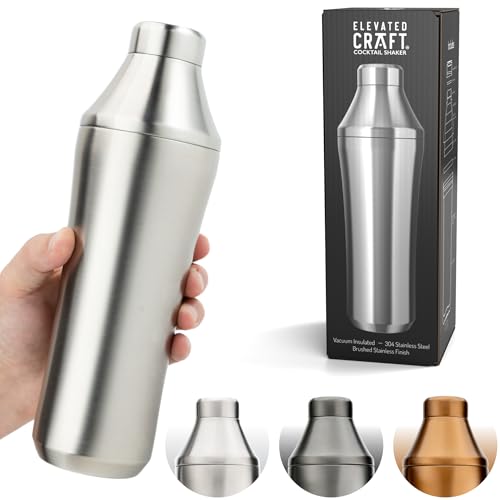
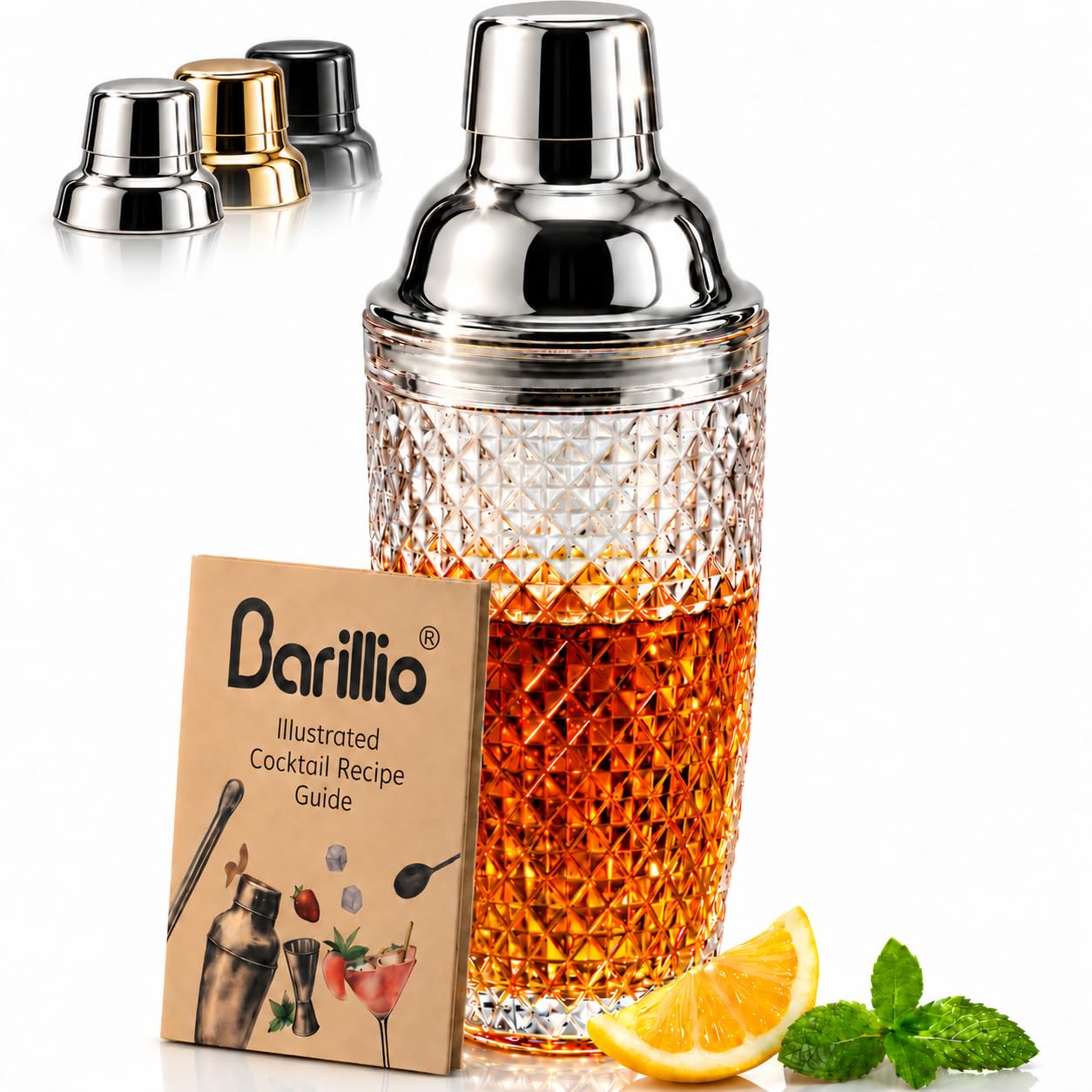
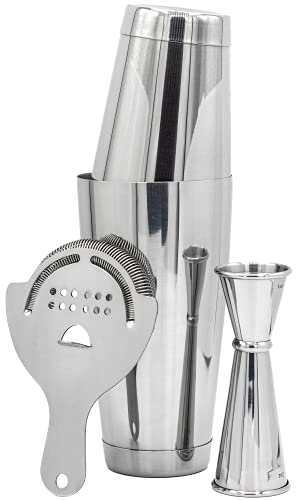

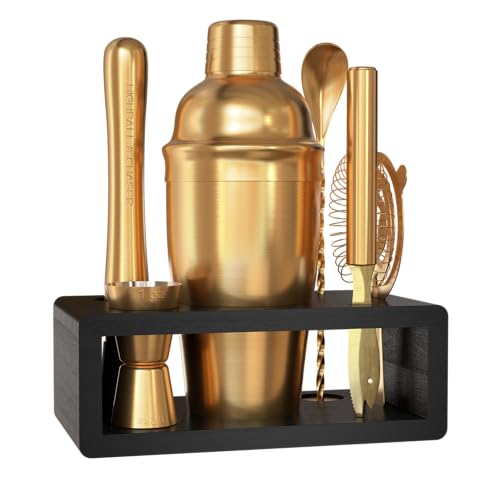
Types of Cocktail Shakers Compared
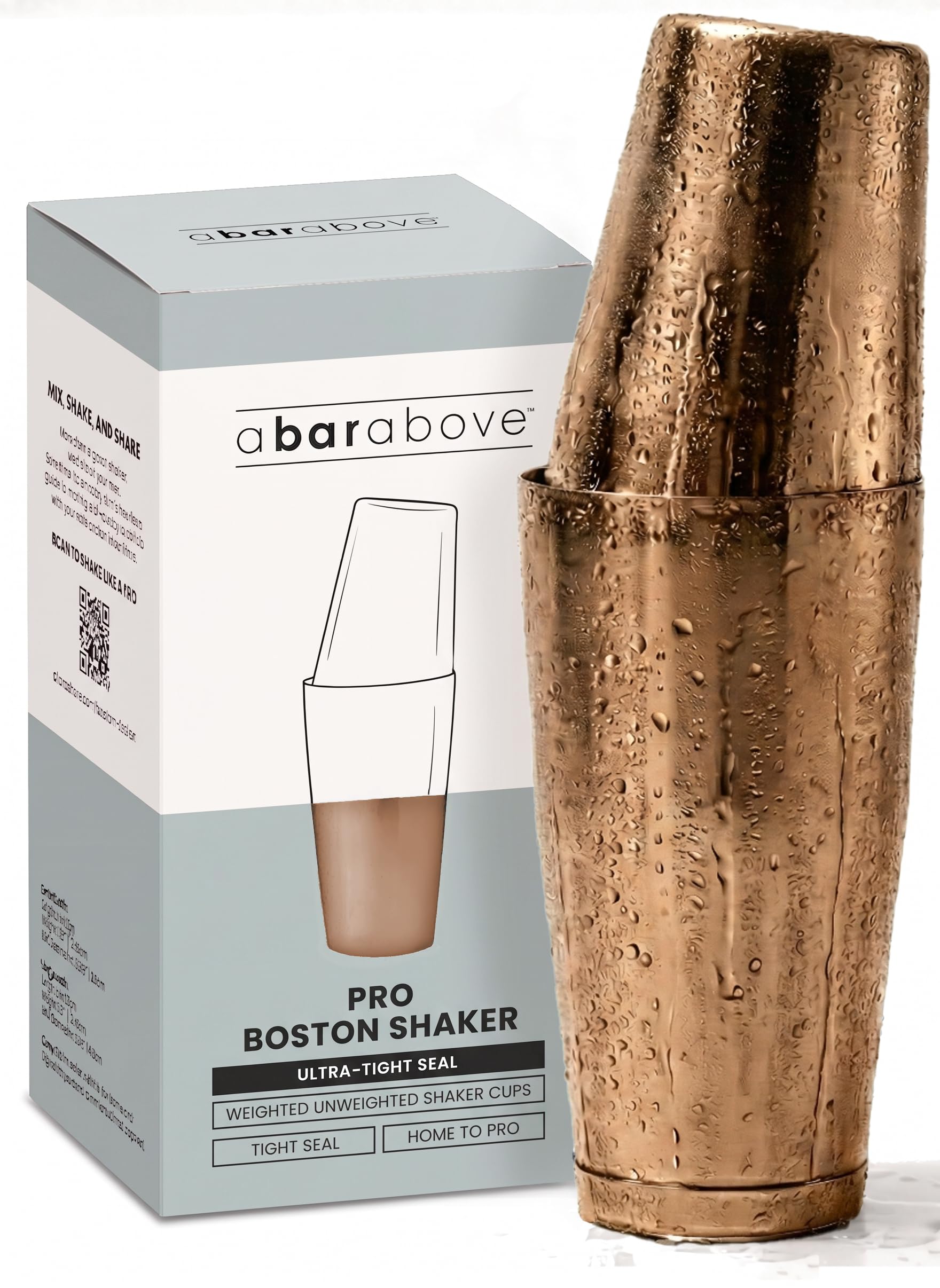
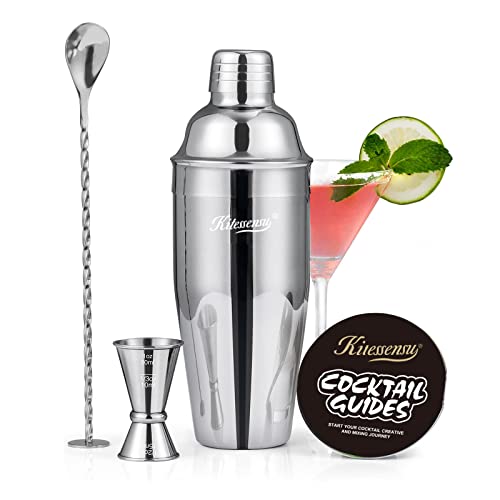
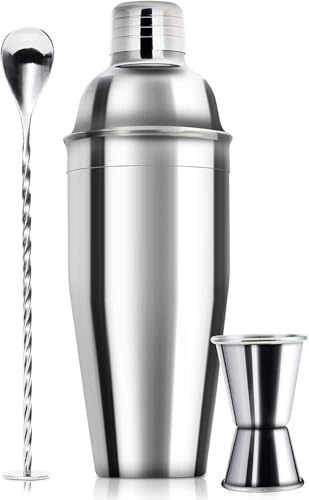
The three main shaker styles are Boston, Cobbler, and French, also called Parisian. Boston shakers use two cups that fit together to form a seal. Cobbler shakers have three parts: a cup, a built in strainer top, and a cap. French shakers have two metal cups with a smooth, tapered shape and no built in strainer.
Each style has fans, and each suits a different kind of home bar.
| Type | Best For | Pros | Cons | Typical Price |
|---|---|---|---|---|
| Boston | Frequent use and larger drinks | Large capacity, fast chilling, easy to clean | Needs a separate strainer, takes practice to seal | around $20 |
| Cobbler | Beginners and small kitchens | Built in strainer, simple to use, neat pour | Smaller capacity, can stick when cold | around $25 |
| French | Style and smooth pouring | Elegant shape, good seal, easy to rinse | Needs a separate strainer, can be pricey | around $35 |
Boston Style Shakers
Boston shakers suit people who make drinks often or who make two drinks at once. The two cups give a large capacity and a wide opening, which makes adding ice and ingredients easy. The seal forms as the metal chills and contracts, which is why a firm tap can open the cups after shaking. A separate strainer is needed for pouring, so budget for that extra piece if you do not already own one.
Cleaning is simple because there are no small strainer holes to scrub. Rinse the cups soon after use, wash with warm soapy water, and dry fully before storing. Boston shakers suit confident beginners who are willing to learn the seal, and they suit experienced hosts who value speed. They need a little more counter space than a compact Cobbler, but they reward that space with capacity and control.
Cobbler Style Shakers
Cobbler shakers suit beginners and small kitchens because everything is in one piece. The built in strainer top means you can shake and pour without extra tools, and the cap doubles as a small measure for some recipes. This all in one design is tidy and easy to store. It is a good first shaker for someone who wants to make classic drinks without learning a two cup seal.
The main limits are capacity and sticking. Cobbler shakers are often smaller than Boston shakers, so a large batch may need two rounds. The metal can also contract in the cold and make the top hard to remove. Running warm water over the joint for a few seconds usually loosens it.
Choose a Cobbler if ease of use matters more than maximum capacity.
French Style Shakers
French shakers suit people who want a smooth pour and an elegant look. The tapered cups fit together neatly and form a reliable seal once chilled. The shape pours well and rinses easily, with no built in strainer to trap pulp or ice chips. A separate strainer is needed, just as with a Boston shaker, so keep that in mind when you compare prices.
French shakers often cost more than basic Boston or Cobbler options, and they suit a home bar where style matters as much as function. They work well for single drinks and for hosts who enjoy the ritual of making a drink by hand. If you prefer a simple, low fuss tool, a Cobbler may still be the easier daily choice.
Boston Style vs Cobbler Style: Which Should You Choose?
Compare these two popular styles by seal, capacity, ease of use, cleaning, and price. Boston shakers offer larger capacity, faster chilling, and simpler cleaning, but they need a separate strainer and a little practice. Cobbler shakers offer built in straining and a simpler first use, but they hold less and can stick when cold. Your choice depends on how often you make drinks and how much space you have.
Among the best cocktail shakers, choose a Boston if you make drinks for guests, want room for plenty of ice, or already own a strainer. Choose a Cobbler shaker if you are new to mixing, have a small kitchen, or want one tool that does the whole job. Either style can make excellent drinks. The best choice is the one you will reach for often, clean promptly, and store with ease.
How to Choose the Right Cocktail Shaker
Use the factors below to narrow your choice before you compare prices. Think about who will use the shaker, how often it will be used, and where it will be stored. A shaker that fits your routine will get far more use than a larger or fancier option that feels awkward.
Intended Use and Who It Is For
For occasional home use, a simple Cobbler or a small Boston set covers most classic drinks. For frequent hosting, a larger Boston shaker with a separate strainer handles bigger batches and faster service. For a gift, a Cobbler is often the safer choice because it needs no extra tools. For a keen hobbyist, a French shaker adds style and a smooth pour to a growing home bar.
Price vs Value
At a lower budget, around $15 to $25, simple Cobbler and Boston shakers cover the basics well. At a mid range budget, around $25 to $50, better seals, thicker metal, and smoother finishes add durability and a more comfortable grip. At a higher budget, around $50 to $100, premium finishes and heavier construction suit a dedicated home bar. Spend more only if you will use the shaker often enough to notice the difference.
See our guide to the best cocktail sets if you want a shaker plus matching tools in one purchase. A set can be good value for a new home bar, but check that each tool earns its place. For drink ideas and mixers, see our guide to the best cocktail mixers. For frozen drinks, see our guide to the best blenders for cocktails, since a shaker is not the right tool for blended ice.
For muddled drinks, see our guide to the best cocktail muddlers.
Ease of Use and Setup
Ease of use starts with a seal you can form and break without strain. Cobbler shakers are the simplest to learn, while Boston and French shakers need a short learning curve. Check that the shaker feels balanced when full of ice, that the cap or top fits snugly, and that the opening is wide enough to add ingredients without spills. A shaker that feels comfortable in your hands will be easier to use safely and confidently.
Safety and Certifications
Choose a shaker made from food safe materials and follow maker guidance for cleaning and care. Stainless steel is the most common choice because it chills quickly, resists stains, and cleans easily. Avoid shakers with damaged coatings, loose parts, or sharp edges. Wash before first use, dry fully after each use, and store in a dry place.
If you serve alcohol, drink responsibly and follow local alcohol rules.
Setup and Care Tips
Read the manual before first use, even for a simple shaker, so you learn how the seal and strainer work. Wash the shaker before first use and dry it fully. After each use, rinse promptly, wash with warm soapy water, and dry before storing. Clean and inspect regularly for dents, loose caps, or worn seals, since damage can affect the seal and the pour.
Store in a dry place away from damp air.
For best results, chill ingredients and use fresh ice, since a good chill improves flavor and dilution. Shake firmly for a short time rather than weakly for a long time, and strain promptly so ice does not over dilute the drink. With simple care, a good shaker can serve a home bar for years.
Frequently Asked Questions
Are expensive cocktail shakers worth it?
Expensive cocktail shakers are worth it when you use them often and value a better seal, thicker metal, and a smoother finish. A premium shaker can feel more balanced, chill more evenly, and last longer with regular use. For occasional use, a well made budget shaker makes the same drinks just as well. Spend more for frequent hosting or a dedicated home bar, and save when a shaker will be used only a few times a year.
How much should I spend on a cocktail shaker?
Most home users do well spending around $20 to $40 on a first shaker, which covers a solid Cobbler or Boston option. A budget under $20 suits occasional use, while $40 to $80 suits frequent hosts who want better materials and a more refined feel. Remember that Boston and French shakers need a separate strainer, so include that cost in your total. A clear budget helps you compare like with like.
How do I maintain a cocktail shaker?
Maintain a cocktail shaker by rinsing it soon after use, washing with warm soapy water, and drying it fully before storage. Avoid long soaks, which can dull finishes and trap smells in joints and strainer holes. Inspect the seal, cap, and strainer now and then for dents or wear. A quick dry and a dry storage spot prevent water marks and musty smells, and keep the shaker ready for the next use.
How long does a cocktail shaker last?
A cocktail shaker can last for many years with simple care, and stainless steel models often outlast lighter options. Lifespan depends on use, cleaning, and storage rather than price alone. A shaker used weekly and dried after each use will last longer than one left wet in a sink. Replace a shaker when the seal fails, the cap no longer fits, or dents affect pouring, since those faults hurt results more than minor scratches.
What features matter most when buying cocktail shakers?
The features that matter most are seal quality, capacity, ease of cleaning, and comfort in the hand. A reliable seal prevents leaks during shaking, while capacity decides whether you can make one drink or two at once. Easy cleaning matters because a shaker with hard to reach parts will be used less often. Comfort matters too, since a balanced shaker is easier to shake firmly and pour neatly.
The Bottom Line
The best cocktail shakers for your home are the ones that match your skill level, your space, and how often you make drinks. Beginners often do best with a Cobbler, frequent hosts often prefer a Boston, and style focused buyers often enjoy a French shaker. Focus on seal, capacity, and ease of cleaning before price or looks. Use the product table above to compare styles side by side, then choose the shaker you will reach for with confidence.