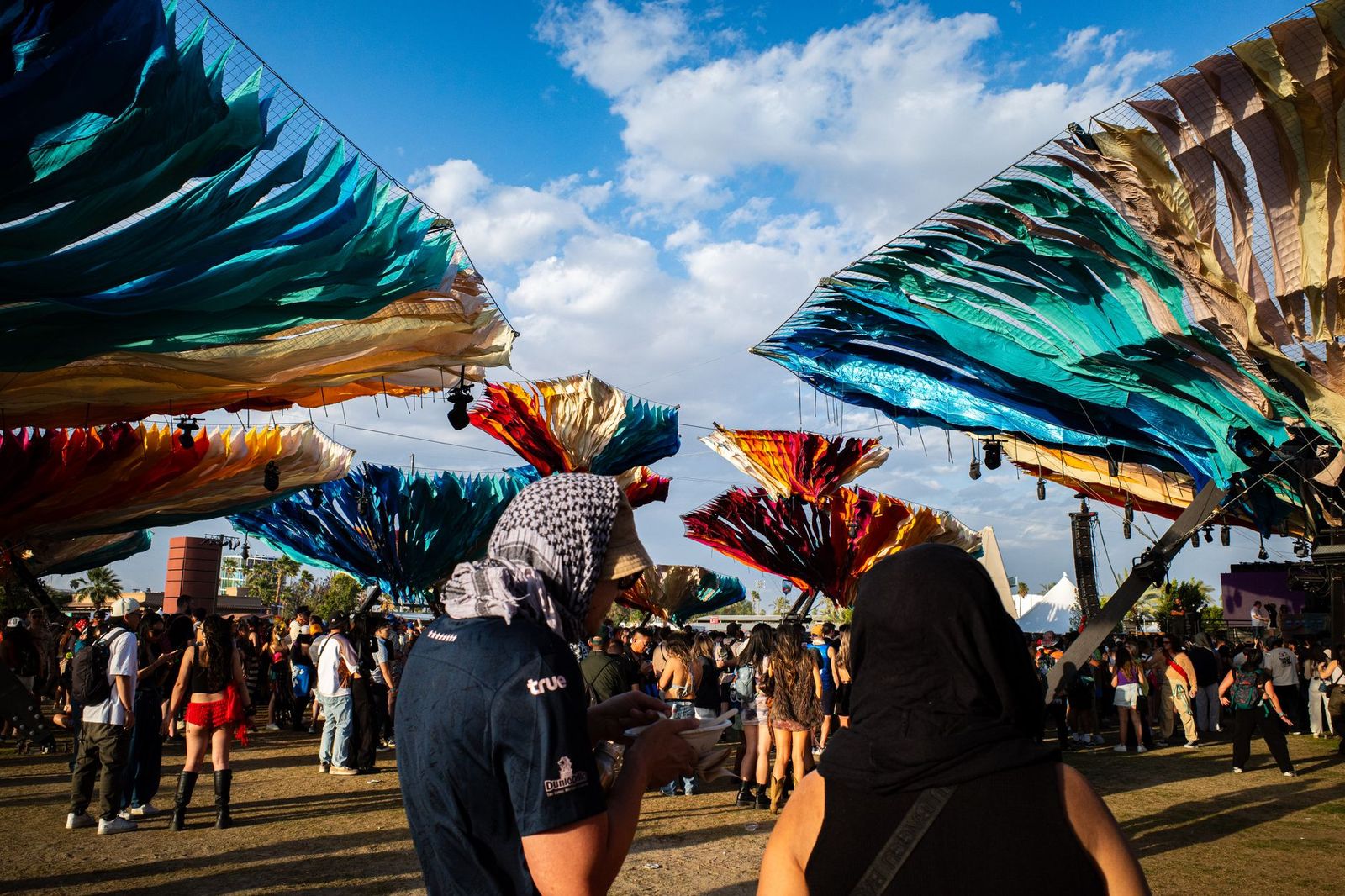
Best Coachella Shoes 2026: Complete Buying Guide
Disclosure: We may earn a commission when you buy through links on this page, at no extra cost to you. As an Amazon Associate I earn from qualifying purchases. Learn more

The best coachella shoes handle dust, heat, long standing and miles between stages: compare festival boots, sneakers and sandals on comfort, grip and cover.
Choosing the best coachella shoes comes down to one truth about desert festivals: you will walk and stand for ten hours a day on dusty, uneven ground in heat that fades into cool nights. The pair that photographs well at noon has to still feel good at the last set. The comparison table below gives a quick overview of festival ready pairs, and this guide explains how to judge comfort, grip, dust protection, and style so you choose a pair you can wear all weekend.
Western boots have become the signature Coachella look for a reason: they cover the foot against dust and dropped cups, grip loose ground, and pair with dresses, denim, and shorts alike. Breathable sneakers and sturdy sandals have their place too, so this guide covers all three and tells you which suits each kind of festival day.




Who Should Buy Coachella Shoes
Three groups shop for festival footwear. First time attendees want a pair that will not cause blisters and that works with every outfit they packed. Repeat festival goers often want a second pair so one can air out while the other is worn. Travelers flying in need one pair that handles the airport, the shuttle, and the polo field without taking up half a suitcase.
Think about how you spend a festival day before you pick. Dancing near the front means crowded ground, spilled drinks, and the occasional heel landing on your toes, so a closed toe matters most. Hanging back on the grass with friends lets you choose lighter, cooler styles. Most people do both across a weekend, which is why a boot for the main days and a sandal for the campsite is a common plan.
Blisters, swelling, or foot pain that lasts after rest deserve attention from a clinician, especially if you have diabetes or circulation problems. Shoes support comfort, but they do not treat foot conditions, so talk with your clinician about ongoing pain before you rely on a new pair.
Types Compared
The three main styles trade cover, cooling, and comfort differently. Use the table as a starting point, then read the notes that follow.
| Type | Best For | Typical Price |
|---|---|---|
| Western and festival boots | Dusty fields, crowds, and the classic look | about $40 to $200 |
| Breathable sneakers | All day walking in heat | about $50 to $130 |
| Sturdy strapped sandals | Campsite hours and easy on and off wear | about $30 to $120 |
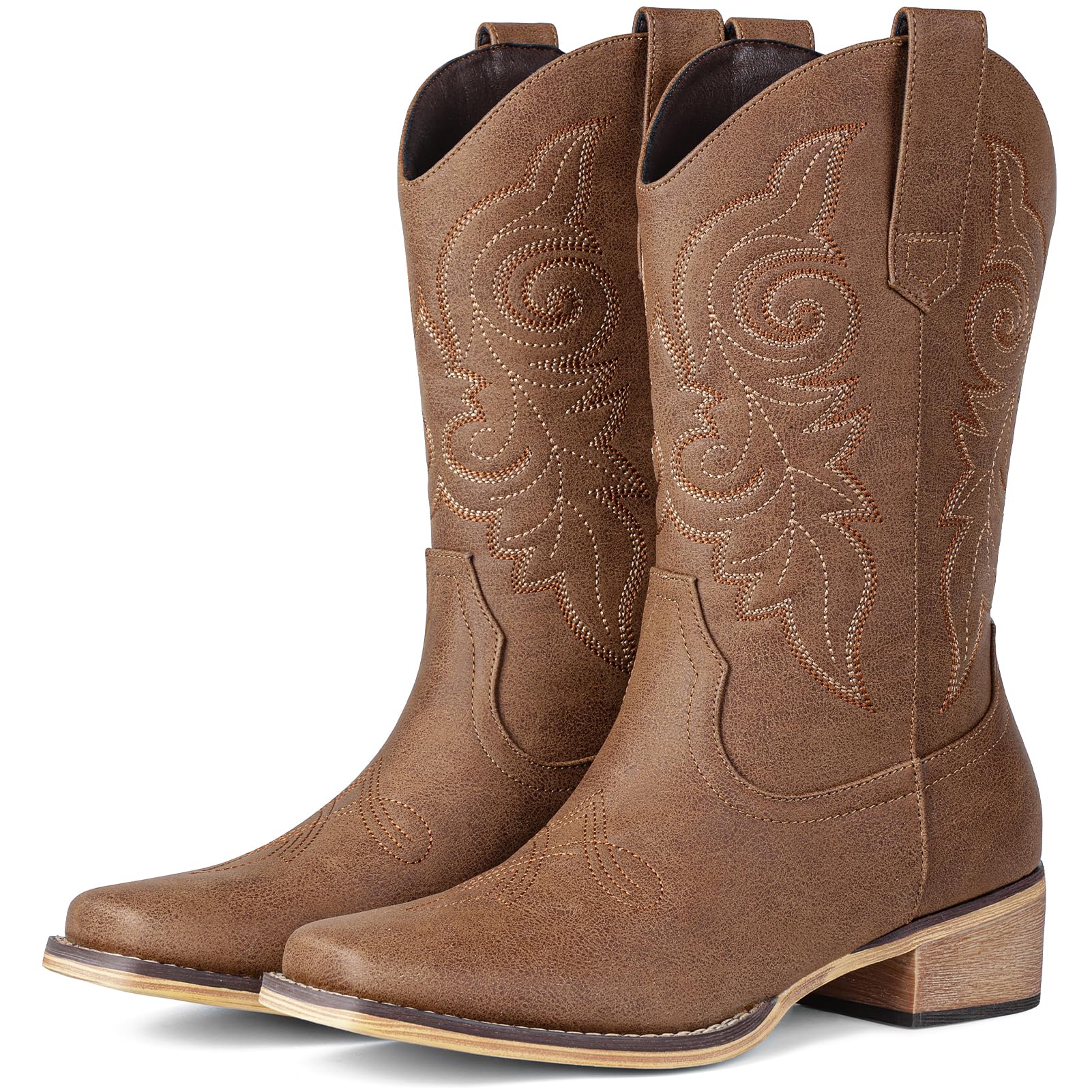
Western and festival boots top most lists of the best coachella shoes for a reason. A mid calf or knee high shaft keeps dust and grit off your ankles, a square or snip toe gives your toes room, and a low block heel of about one to two inches stays stable on packed dirt. Look for a pull on design with a side zipper for quick changes back at camp, and a lightly cushioned insole, since many boots are built for looks first.
Breathable sneakers suit people who walk between stages all day and value airflow over the western look. Mesh uppers vent heat, cushioned midsoles soften hard ground, and a grippy rubber outsole handles the gravel paths. The cost is dust: mesh lets fine sand straight through, so pack a spare pair of socks and expect to wash the shoes afterward.
Sturdy strapped sandals belong at the campsite, the pool, and relaxed afternoons away from the crowd. Choose a thick sole and two or more adjustable straps so the sandal stays put when you walk on loose ground. Avoid flip flops in dense crowds, where exposed toes and a thin sole invite injury.
Key Features to Check
Start with comfort over hours, because that is the feature every festival goer wishes they had taken more seriously. A cushioned footbed, a heel height under two inches, and a toe box that leaves room for swelling matter more than the color of the leather. If a boot feels firm in the store, plan on an insole or on wearing it for several long walks before the trip.
Next, judge grip and ground protection. Festival grounds mix packed dirt, grass, gravel, and the occasional patch of mud after an evening watering, so a lugged or textured rubber outsole beats a smooth leather sole. A closed toe and a shaft that covers the ankle protect against dropped cans, boots in a crowd, and the dust that stains everything. Then confirm the pair cleans easily, since a damp cloth should restore faux leather and suede needs a brush and spray.
- cushioning that lasts through long standing
- a heel of two inches or less for stable walking
- a closed toe and ankle cover for crowds and dust
- a grippy rubber outsole for dirt, grass, and gravel
- a toe box with room for feet that swell in heat
- materials you can wipe or brush clean after a dusty day
Fit and Break In
Measure both feet in the afternoon, when they are at their largest, and order the size that fits the larger foot. Boots should hold your heel without lifting more than a little as you walk, with your toes clear of the end, and a wide calf option matters if a knee high shaft feels tight over jeans. Sneakers should leave a thumb width ahead of your longest toe.
Break new shoes in over at least two weeks of normal walks before the festival. Wear the socks you plan to wear on the day, and note any rubbing at the heel, the ankle bone, or the top of the foot, because those spots become blisters after ten hours. Blister pads, a thin insole, and a second pair of socks in your bag solve most problems that show up on day one.
Style and Outfit Pairing
Brown and tan boots match the widest range of festival outfits, from flowing dresses to cut off shorts, and they hide dust far better than white or black. Embroidered and fringed boots make a statement with simple clothes, while plain shafts let a bold outfit do the talking. For sneakers, a neutral colorway with a chunky sole reads current and still looks fine after a dusty weekend.
Think about the whole three day plan rather than one look. Many festival goers wear boots on the two busiest days and switch to sneakers or sandals on the lighter day, which also gives each pair time to air out. Pack the heavier pair on your feet for the trip and the lighter pair in your bag to save space.
Care After the Festival
Knock dust out of boots and shoes before they go into a suitcase, then clean them fully at home. Wipe faux leather with a damp cloth, brush suede with a dedicated brush, and wash mesh sneakers by hand or on a gentle cycle if the maker allows it. Dry everything away from direct heat, stuff boots with paper to hold their shape, and treat suede with a protector spray before the next trip so dust and spills wipe off more easily.
Common Mistakes to Avoid
The most common mistake is buying new boots the week before the festival and wearing them for the first time on the polo field. The second is choosing a tall heel for photos and regretting it by the second set. Open toes in dense crowds, smooth soles on dusty slopes, and white shoes that turn beige by lunchtime round out the list. Choose for the ten hour day, break the pair in, and let style come second.
What Your Money Gets
Lower priced coachella shoes, roughly $30 to $60, cover the look with synthetic uppers and simple insoles, and they suit a single festival or a first try at the western style. Mid priced pairs around $60 to $120 add better cushioning, sturdier soles, and real or higher grade faux leather that survives several seasons. Above about $120 you pay for full grain leather, hand finishing, and brands that resole, which makes sense if boots are part of your regular wardrobe rather than a one weekend purchase. At every level, compare the same core points: cushioning, heel height, toe cover, and grip.
Frequently Asked Questions
Should I wear sandals or closed shoes to a festival?
Sandals feel cooler and suit hot days, but closed shoes protect toes in crowds and on dusty ground. Many festival goers choose breathable closed shoes for main stage days and sandals for relaxed time at camp. Think about crowd density and ground surface, then choose protection when either feels rough.
How do I handle dust at an outdoor festival?
Dust settles into fabric, seams, and laces, so choose shoes you can brush and wipe clean easily. Closed shoes with a smooth upper keep dust out better than open mesh alone. Pack a small brush or cloth, and clean shoes at the end of each day to keep dust from grinding into the fabric.
What if my feet swell in the heat?
Feet often swell in heat and after long standing, so choose shoes with a little extra room and adjustable straps or laces. Avoid a tight new pair on festival day, and break shoes in during normal walks first. Socks that wick moisture also help feet feel fresher through a long day.
Are new shoes a good idea for a festival?
New shoes can cause blisters during long festival days, so break them in with several shorter walks before the event. Wear the socks you plan to use, and check for rubbing at the heel and toes. If a spot rubs during a short walk, it will likely hurt far more after hours on your feet.
How do I choose shoes for rain at a festival?
Rain turns festival fields muddy, so a grippy sole and water resistant fabric help you stay steady. Avoid smooth soles that slip on wet grass, and keep a spare pair of socks in your bag. After a wet day, dry shoes fully before wearing them again to avoid odor and stiffness.
Final Thoughts
Take your measurements, rank the features that matter for your festival days, and compare a short list before you order. A careful choice of best coachella shoes should feel comfortable at the last set, survive the dust, and work with most of what you packed. The product table above gives a useful starting point, and the sections in this guide give you a clear way to judge each pair. If pain or a health concern persists, talk with your clinician before you rely on a new pair.