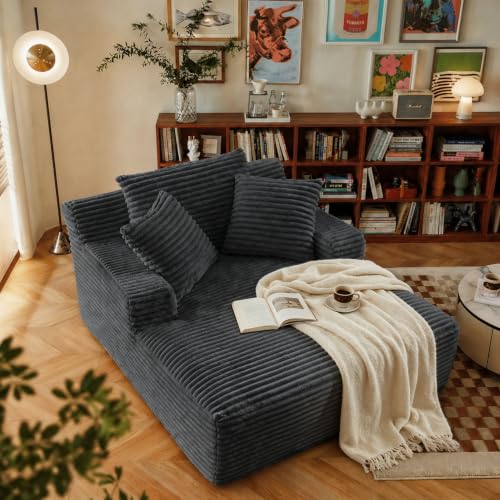
Best Club Chairs in 2026: Which Type Is Right for You?
Disclosure: We may earn a commission when you buy through links on this page, at no extra cost to you. As an Amazon Associate I earn from qualifying purchases. Learn more

The best club chairs come in compact, swivel, ergonomic, leather and budget types: compare seat depth, frames, fabrics and price bands for every room.
A club chair is one of the easiest chairs to picture and one of the hardest to buy well, because the label covers everything from a small apartment chair to a deep leather lounge chair. If you are comparing best club chairs for a living room, reading corner, or bedroom, the useful first step is to sort by type. The comparison table below lines the main types up side by side so the differences are easy to see.
Start from the shape that defines the class. A club chair sits low and deep, with a low back and wide arms that wrap around the sitter, so seat depth and arm height matter more than almost any other measurement. Once the type fits your room and your habits, fabric and frame decide how the chair ages.


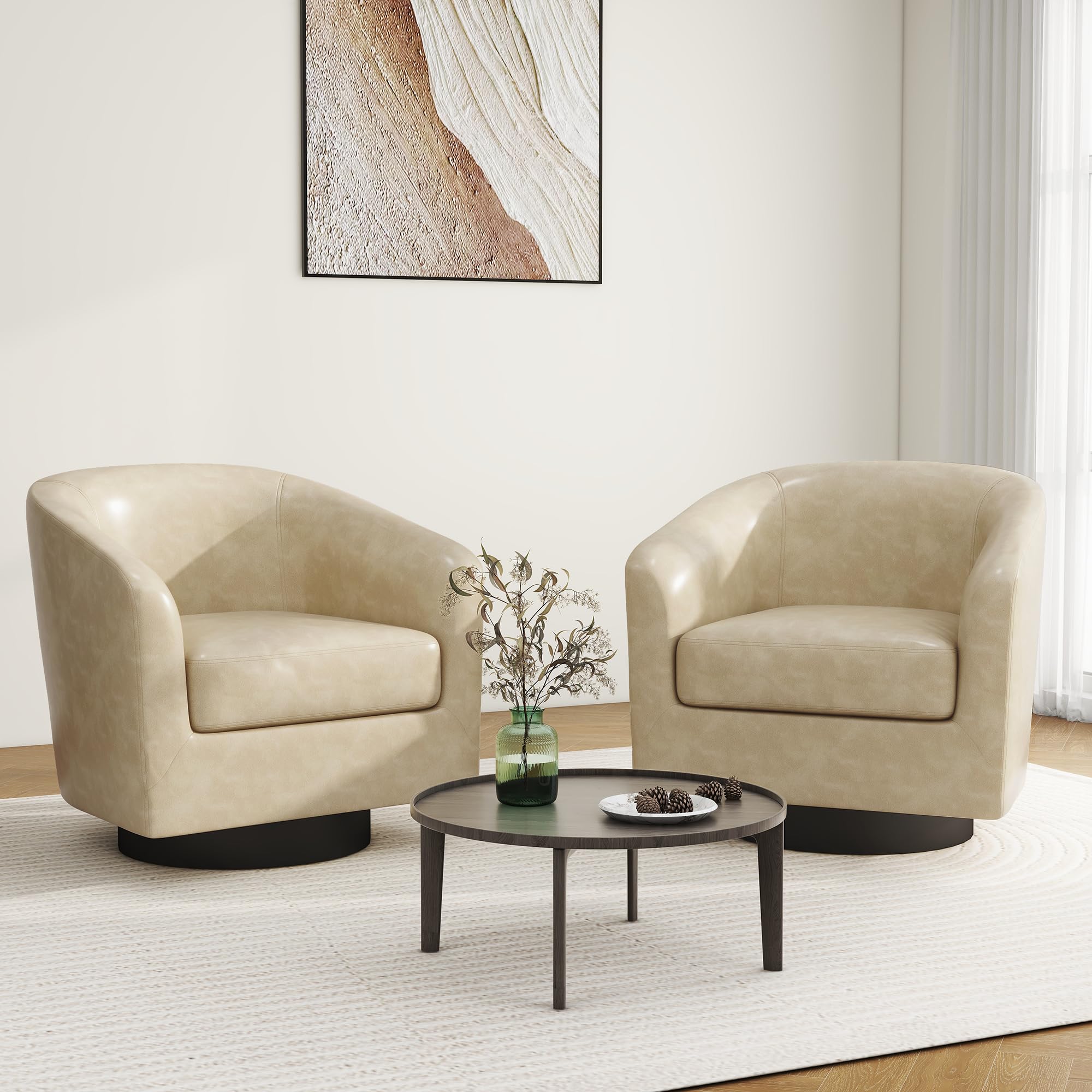

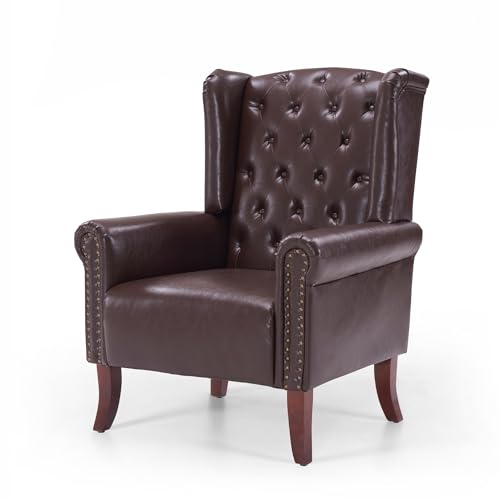
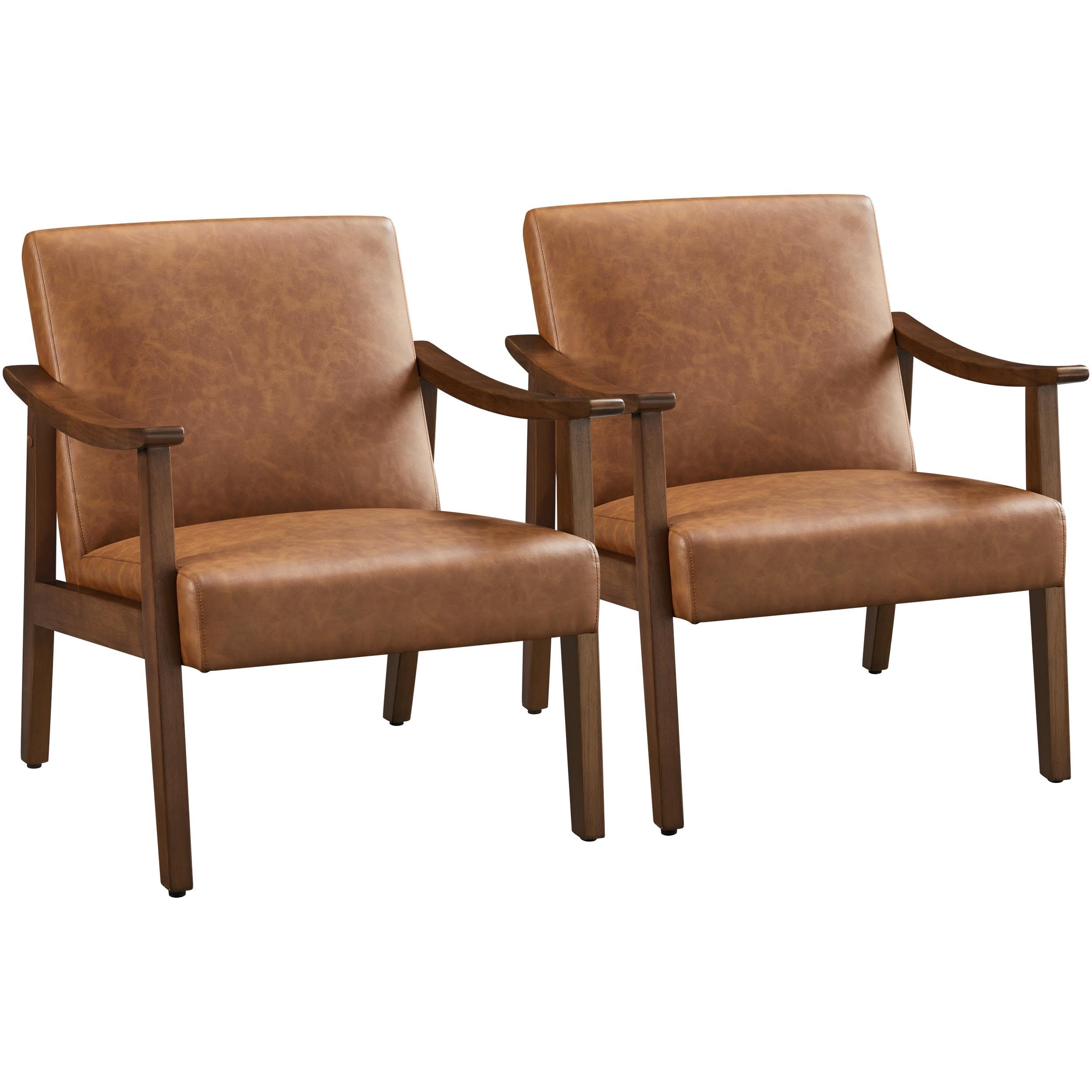
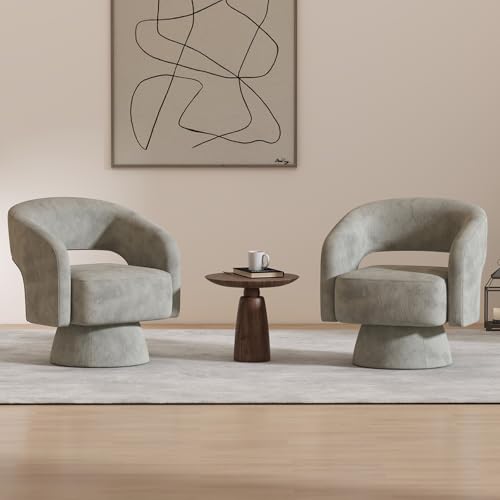
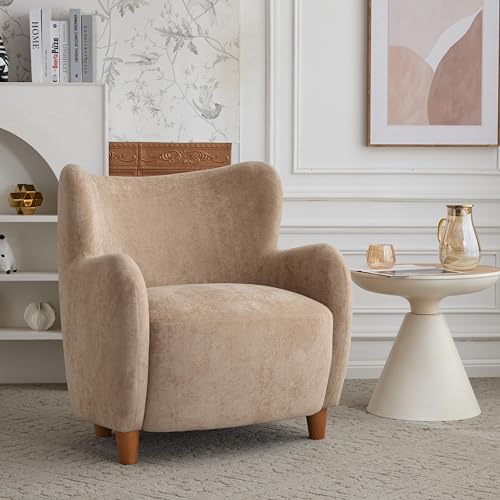
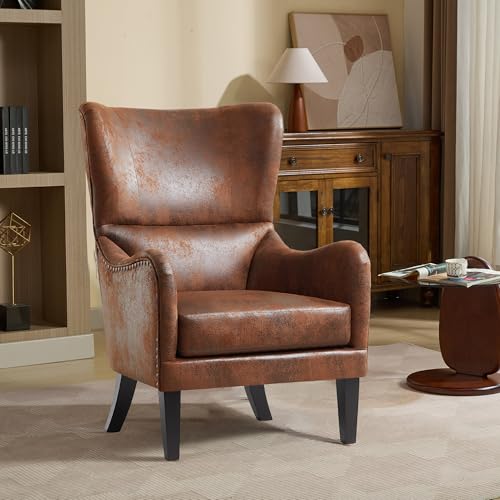

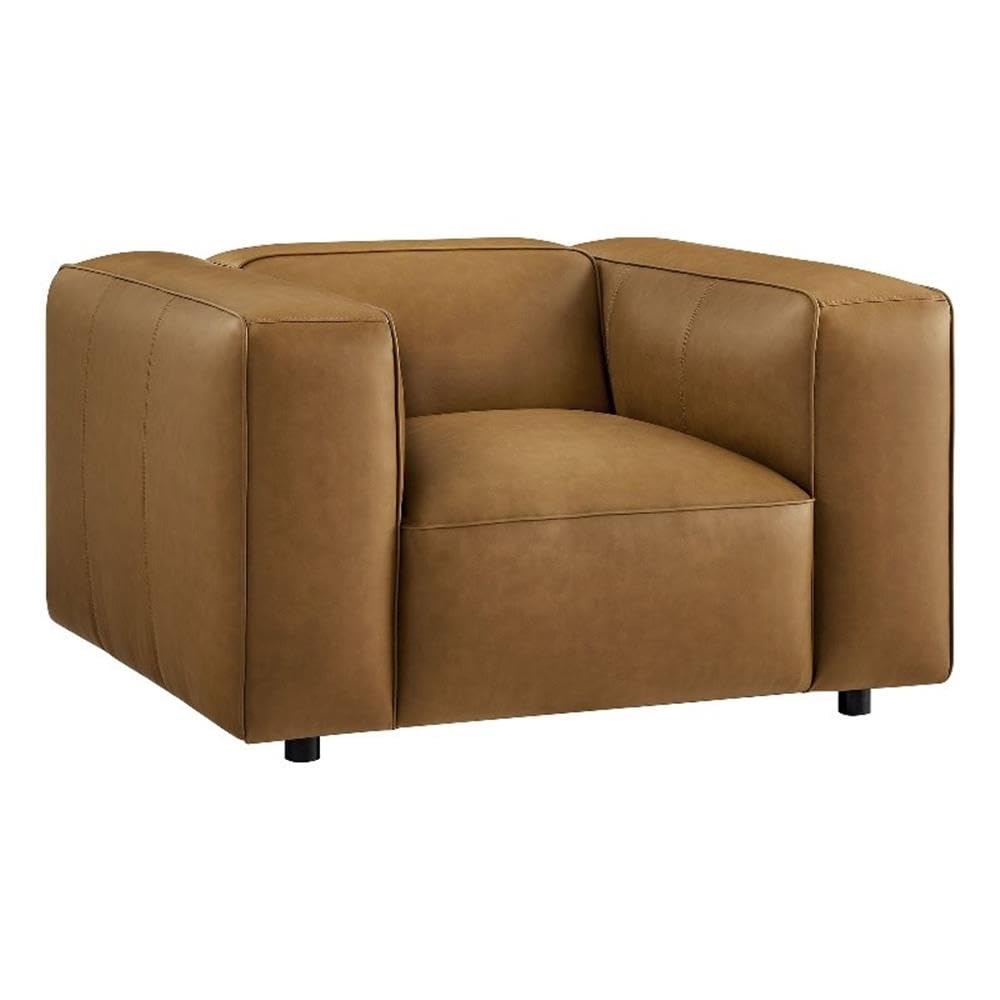

Types of Club Chairs Compared
Five type families cover most of the market, and each trades size, support, and price differently. Shoppers who want the classic version of the class usually start with best leather club chairs, the traditional form built with leather over a hardwood frame.
| Type | Best For | Pros | Cons | Typical Price |
|---|---|---|---|---|
| Traditional | Formal living rooms | Deep seat, durable build | Heavy, needs floor space | about $700 to $1,800 |
| Compact | Apartments and small rooms | Fits tight floor plans | Shallower seat, less sprawl | about $250 to $600 |
| Swivel | Open plan rooms | Turns toward talk or TV | Base mechanism adds cost | about $350 to $900 |
| Ergonomic | Long reading sessions | Supportive back angle | Less classic look | about $400 to $1,000 |
| Budget | Guest rooms, first homes | Low entry price | Softer frames, thinner foam | about $150 to $350 |
Compact and Space Saving Models
Compact club chairs shrink the classic shape to an overall width of about 28 to 32 inches, with slimmer arms and a seat depth closer to 20 inches. That smaller footprint suits apartments, bedrooms, and reading corners where a traditional chair would crowd the room. The trade is sprawl room: most sitters cannot curl sideways or tuck their legs up as easily. Measure your doorway and the walkway around the chair before ordering, because the chair still arrives as one solid piece.
Ergonomic Models
Ergonomic club chairs keep the low lounge shape but tune it for longer sitting, with a back angle that supports the lower back, firmer cushion foam, and a seat height that lets your feet rest flat on the floor. Some add a separate lumbar cushion or a higher back than the traditional form. Choose this type if the chair will hold you through a whole film or a long evening of reading. The look is usually cleaner and less rolled than the classic club profile.
Budget Models
Budget club chairs deliver the basic shape at the lowest prices by using lighter frames, thinner foam, and simpler fabrics. They work well in guest rooms, student flats, and spare corners that see occasional use. The risk is comfort fade: soft foam and a light frame can feel tired within a couple of years of daily sitting. If a budget chair will be your main seat, check frame construction and cushion density before decorative stitching.
Compact and Space Saving Models vs Ergonomic Models: Which Should You Choose?
These two types answer different problems. The compact model wins on footprint, since it fits rooms where the ergonomic type simply cannot go, and it usually costs less. The ergonomic model wins on session length, since its back angle and firmer foam stay comfortable for hours where a shallow compact seat starts to feel cramped. Price overlaps in the middle, so money alone does not separate them.
Choose compact when floor space is your hard limit. Choose ergonomic when the chair is a daily seat and your back complains in unsupportive chairs. If both problems apply, look for a compact chair with firmer foam and a supportive back rather than the softest small chair on the shelf.
How to Choose the Right Club Chair
One boundary saves wasted orders. A club chair is lounge seating, built for reading and conversation at a low, relaxed angle, and it is not desk seating. Readers who land here while hunting for a work seat are in a different class: guides to best officer chairs cover that office category, and the more task focused best office task chairs suit a desk better, because a lounge chair at a desk leaves your arms too low for typing. With that settled, the checks below decide the lounge chair itself.
Comfort and Cushioning
Be plain about the form first: a club chair is a low and deep class of chair, and seat depth and arm height define it more than any feature list. Seat depth runs about 21 to 24 inches on traditional models, which lets shorter sitters dangle unless they add a cushion behind the back. Cushion fill matters next: high density foam holds its shape and support for years, while soft low density foam feels plush in the shop and flattens early. A firm seat with a softer back cushion is the combination most long term owners rate highest.
Size, Dimensions, and Weight Capacity
Measure the room first: overall width, depth with walking space behind it, and door widths on the delivery path. Seat height on club chairs is low, usually about 17 to 19 inches, which taller or older sitters can find hard to rise from. Weight capacity is stated by the maker for most models, so match it to the largest regular sitter with room to spare. A chair that fits the room but strands the sitter is the wrong chair.
Style and Room Fit
Fabric shapes the whole ownership experience, because it decides cleaning, wear, and how the chair looks after five years. Leather ages with a patina and wipes clean, woven fabrics hide crumbs and pet hair between cleans, and pale performance fabrics resist stains but show every scuff. Match the arm profile and leg finish to the room rather than to a photograph. One related note: if you already own a chair you like, best slipcovers for club chairs are an accessory you fit over that chair, not a chair class of their own.
Ergonomics and Adjustability
Club chairs offer little adjustment, so the fit is built in at purchase. What varies between models is seat height, back angle, arm height relative to the seat, and the base: fixed legs, a swivel base, or a gentle glider motion on some designs. Check that the arm height supports your forearms without lifting your shoulders while you read. If you share the chair with a much taller or shorter partner, a separate lumbar cushion and a footstool can bridge most of the gap.
Build Quality and Frame
The frame decides whether the chair is a five year purchase or a fifteen year one. Kiln dried hardwood frames with corner blocks resist the wobble that loosens lighter frames, and sinuous steel springs give a seat that bounces back instead of sagging. In a shop, turn the chair over; online, look for underside photos. Stapled softwood frames and thin dust covers underneath are the usual signs of a chair built to a price.
Choosing Club Chairs for Your Situation
Best Club Chairs at Good Prices: Which Type Works Best
Value in this class comes from the compact and budget types, which keep the low, deep shape while trimming fabric cost and frame weight. Spend first on the frame and the seat foam, since those two parts decide how long the chair stays comfortable, and save on decorative extras like nailhead trim. A mid priced compact chair with dense foam will outlast a large cheap chair with soft foam. Watch for sales on traditional models near the top of the budget range.
For a covered porch or sunroom, indoor club chairs are the wrong class, because their frames and fabrics are not built for damp air and strong sun. Look instead at best outdoor club chairs, which use weather resistant frames and quick drying fabrics made for outdoor rooms.
Setup and Care Tips
- Set the chair on a level floor and check all four feet sit flat, since a rocking frame loosens joints fast.
- Vacuum upholstery weekly with a soft brush head, and blot spills at once rather than rubbing them in.
- Rotate and flip loose cushions every few weeks so foam wears evenly on both sides.
- Tighten leg and frame bolts every few months, especially on swivel bases.
- Keep leather chairs out of direct sun and condition the leather once or twice a year.
Club Chair Questions Answered
Is an expensive club chair worth it?
It can be, if you sit in it daily. The honest way to judge is cost per year: a well framed chair at about $900 that stays comfortable for ten years costs less per year than a $250 chair replaced three times. Price also buys repairability, since better makers sell replacement cushions and covers. For a guest room chair used twice a month, the premium rarely pays back.
How do I choose the right club chair size for my height?
Sit down and check two points: your feet should rest flat with your knees near a right angle, and the seat front should not press the back of your knees. If you cannot visit a shop, measure a chair you already find comfortable and compare seat height and depth directly. Shorter sitters under about five feet four usually do better with depths near 20 to 21 inches, or with a back cushion added.
How long should a good club chair last?
A hardwood framed club chair with quality foam should last about ten to fifteen years of regular use. The first part to tire is almost always the seat cushion foam, which can soften noticeably after five to seven years even when the frame is sound. Models with replaceable cushion inserts stretch the life of the chair at low cost. Fabric wear at the arm fronts is the other common end point.
What club chair features matter most for long sitting sessions?
A supportive back angle and firm seat foam matter most, because they hold your posture without effort over hours. After that, add a footstool: raising your feet turns a deep club seat into a near recline and takes pressure off the lower back. Arm height that keeps your forearms level while holding a book also reduces shoulder ache. A small side table within reach stops the repeated twisting that makes long sessions tiring.
Can a club chair work as the only chair in a studio apartment?
Yes, and a swivel model does the job best. The swivel base lets one chair face the desk, the TV, and a guest seat in turn, which replaces a second chair in a small floor plan. Pick a compact width so the chair can rotate without striking furniture. A light fabric color keeps the single large piece from dominating the room visually.
Final Thoughts
Sort by type first, then judge the seat depth, the frame, and the fabric, since those three decide comfort and lifespan more than style details. Match the footprint to the room you actually have, and be honest about how many hours a day the chair will hold you. With those checks done, the best club chairs for your space become a short list rather than a guess, and the product table above can help you compare the current options side by side.