
Best Cloud Shoes for Walking: A 2026 Buying Guide
Disclosure: We may earn a commission when you buy through links on this page, at no extra cost to you. As an Amazon Associate I earn from qualifying purchases. Learn more

The best cloud shoes for walking pair soft cushioning with a stable base: learn how to judge foam, fit, toe room and outsole grip before you buy a pair.
Walking in soft, pillowy cushioning sounds appealing, yet comfort on a short stroll can feel very different after several miles. The best cloud shoes for walking balance that soft landing with enough stability to keep your feet aligned through each step. This guide explains how to judge cushioning, fit, and traction so you can choose a pair that stays comfortable on real walks, not just in the store.
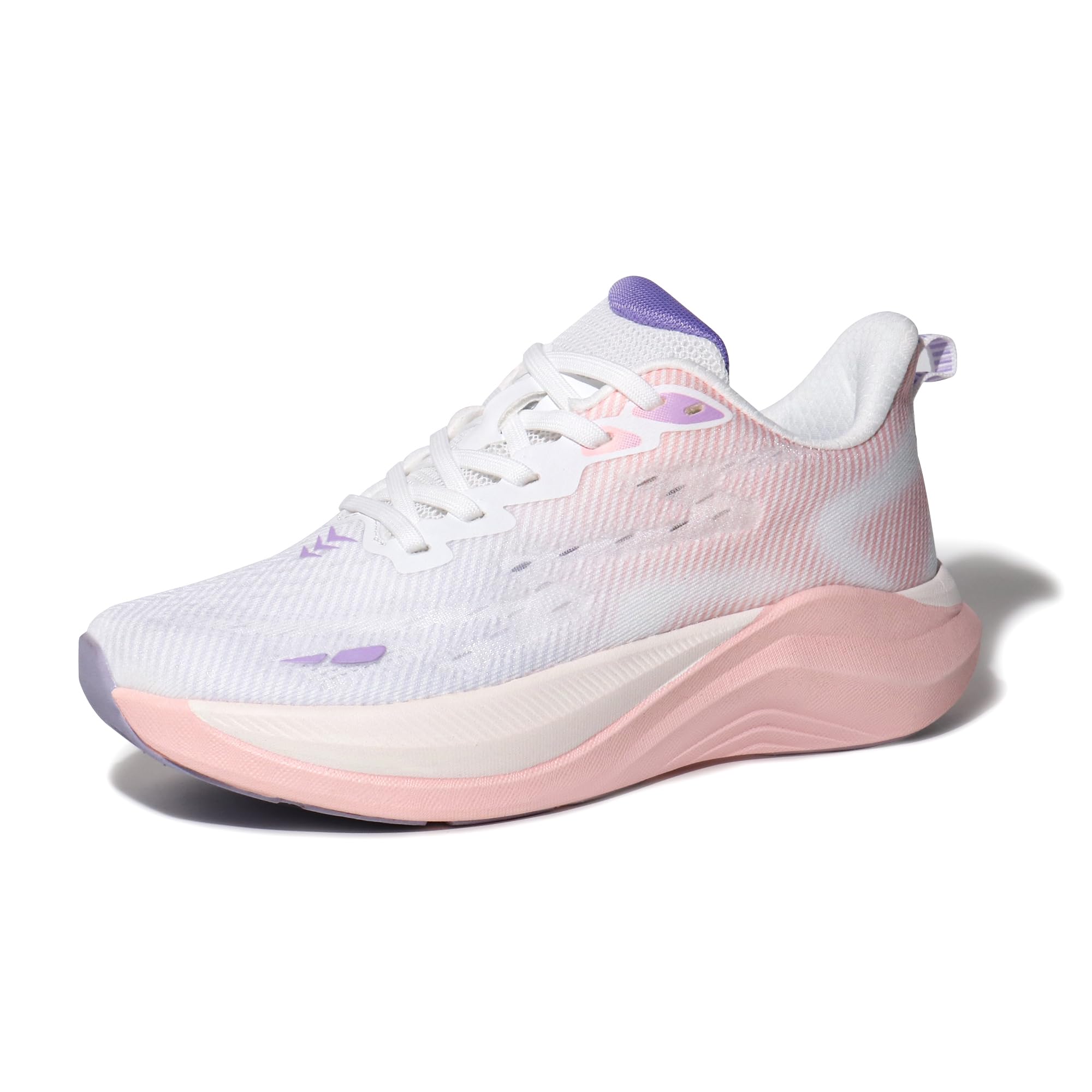
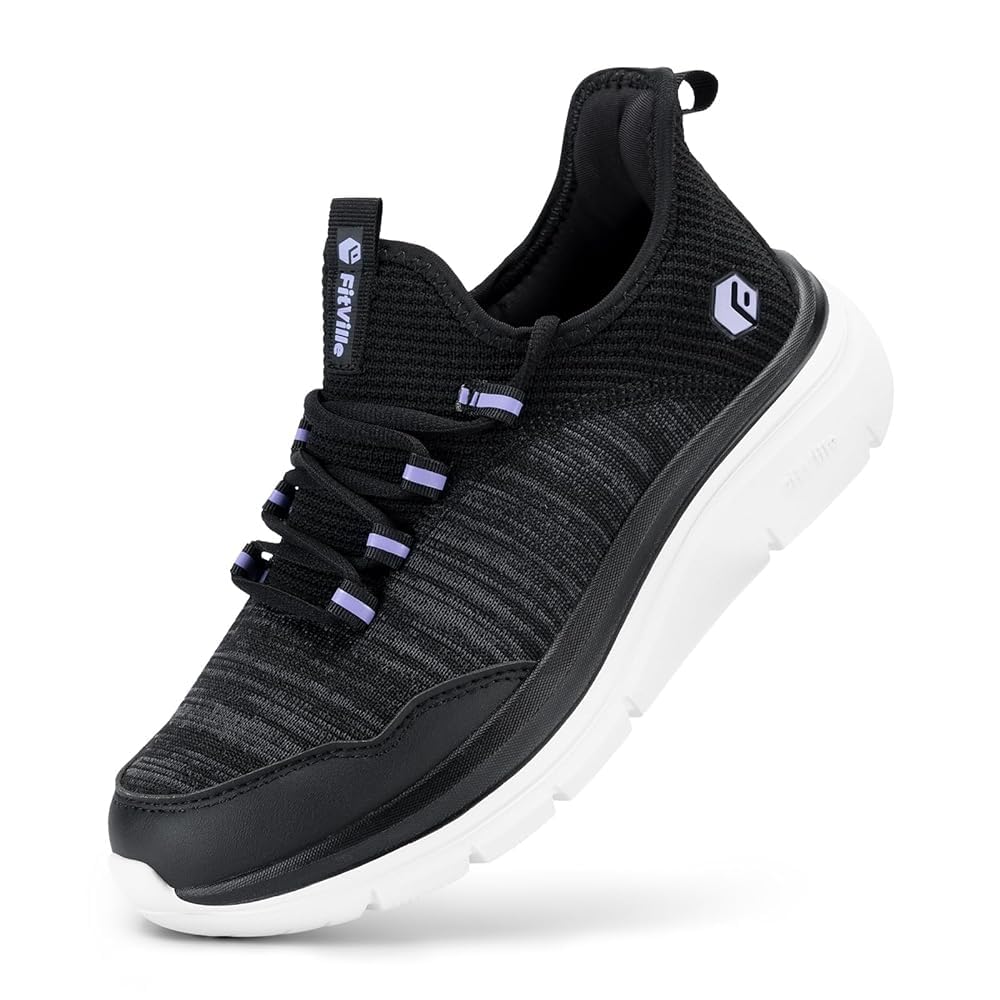
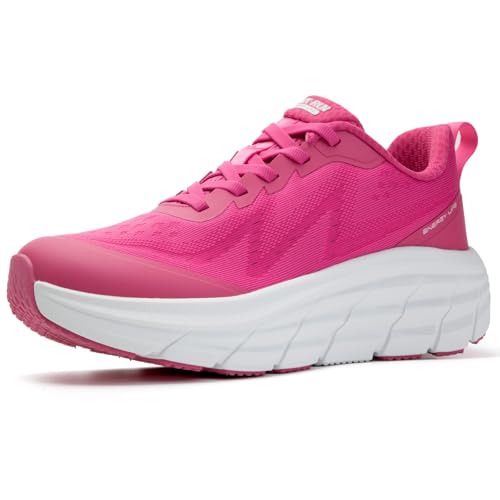
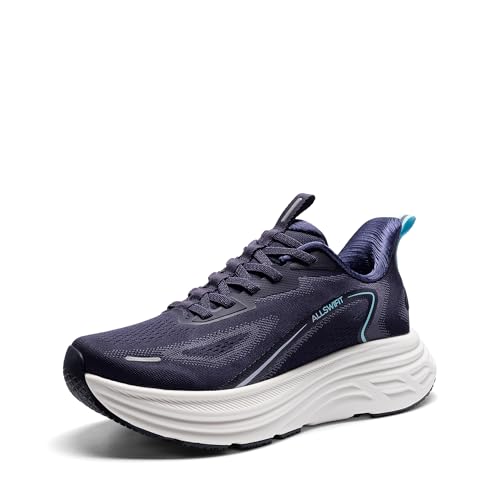
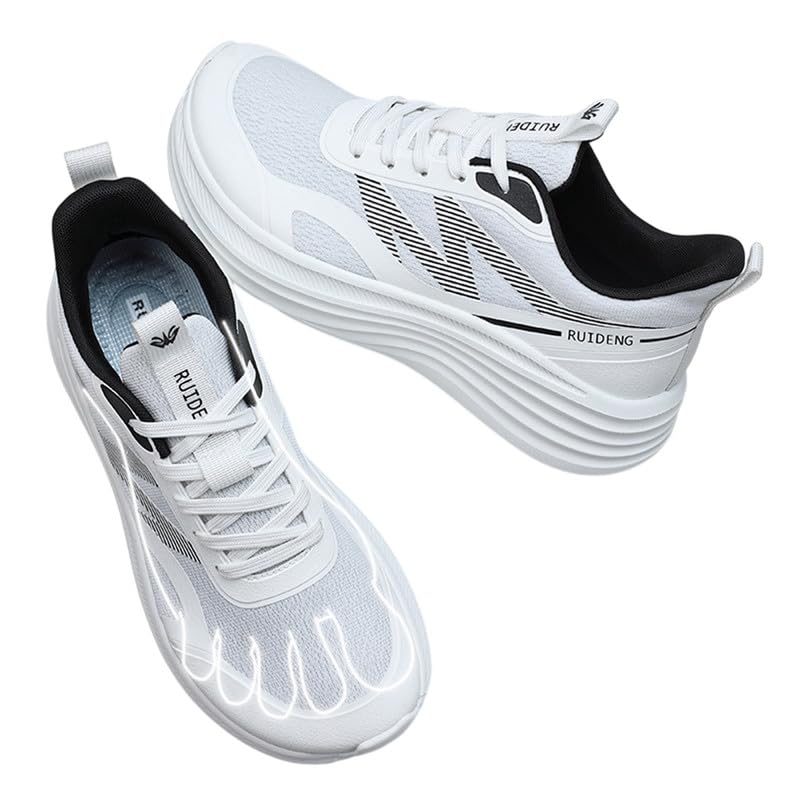
Cloud style shoes use thick foam midsoles with hollow pods or channels that compress on impact and spring back as you push off. That design can reduce jarring on hard pavement, but very soft foam can also feel wobbly for walkers who roll inward or outward. The comparison table below gives a quick overview, while the sections that follow explain each feature in plain terms.





Who Should Buy Cloud Shoes for Walking
Daily walkers
If you walk for exercise, errands, or commuting, cloud cushioning can soften repeated impact on concrete and asphalt. Look for a stable base under the heel so the soft foam does not let your ankle tilt with every step. A roomy toe box matters too, since feet swell slightly during longer walks and cramped toes can lead to blisters.
Walkers with tired feet
People who stand or walk for hours often notice fatigue in the arches and heels first. A cloud shoe with gentle arch support and a cushioned collar can ease that end of day ache, but it cannot correct a medical foot problem. If you notice sharp pain, numbness, swelling that does not settle, or a change in how you walk, talk with your clinician before relying on footwear alone.
Key Features to Compare
Cushioning and stability
Press the midsole with your thumb and check whether it rebounds quickly or stays compressed. Quick rebound usually feels livelier, while slow, very soft foam can feel plush at first and flat later in a walk. Pair soft foam with a wider platform or a firmer rim of foam, which helps the shoe stay steady when you land.
Fit, sizing, and toe box
Measure both feet in the afternoon, when they are slightly larger, and fit the larger foot. You should have about a thumb width of space ahead of your longest toe, and the widest part of the shoe should match the widest part of your foot. A snug heel with no slipping matters, because heel lift causes friction and blisters on longer routes.
Outsole traction and terrain
Smooth foam outsoles grip well on dry pavement but can slip on wet leaves, polished floors, and light frost. Deeper lugs and rubber coverage under the forefoot improve grip on paths and trails, though they add a little weight. Match the outsole to where you actually walk most often rather than to the roughest surface you might rarely visit.
Price Tiers and What They Deliver
Budget pairs around $60 to $100 usually offer soft foam and simple mesh uppers, which suit shorter daily walks. Midrange pairs around $100 to $160 often add better heel counters, more durable outsoles, and wider width options. Premium pairs around $160 to $250 may use lighter foams, reflective details, and more refined fits, but extra cost only pays off if the fit and stability suit your stride.
Living With Your Choice Day to Day
Rotate two pairs if you walk daily, since foam needs time to recover its shape between outings. Replace shoes when the midsole creases deeply, leans to one side, or no longer rebounds, even if the upper still looks new. Keep a simple log of aches after walks, and seek professional advice if pain persists, worsens, or changes suddenly, since footwear alone should not mask an injury.
Related Guides Worth Reading
Readers weighing nearby options often look at best walking shoes next, since it covers a closely related choice in more detail.
If you want to compare a related category before deciding, best walking shoes for women walks through the key differences.
For a different angle on a similar buying decision, best walking shoes for men is worth a look alongside this guide.
Shoppers who narrow their shortlist here often check best on cloud shoes for walking to see how a related option compares.
When you are ready to explore adjacent choices, best on cloud shoes for walking all day explains what changes with a different use case.
A Final Check Before You Order
Try cloud shoes late in the day, when your feet are closest to their walking size, and walk the store loop for several minutes rather than standing still. Pay attention to the heel first, since heel slip causes blisters long before cushioning wears out. Then notice the forefoot, where a tight toe box squeezes toes together and a roomy one lets them spread naturally. If the store allows a short walk outside, take a pavement loop, because carpet hides grip and stability problems that pavement reveals quickly.
Compare two or three pairs back to back on the same day, wearing the socks you will walk in most often. Walk up and down stairs if the store has them, since stair climbing reveals heel hold and forefoot flexibility that flat walking hides. Notice whether the soft foam feels steady or wobbly when you turn, since lateral stability matters on uneven paths. A pair that feels plush while standing can still feel unstable in motion, so trust the walk itself over the first impression.
Check the return policy before buying, especially when ordering online, since cloud cushioning varies more between models than standard foam. Wear new shoes indoors for a few days to confirm fit, and keep the box until you are sure. If hot spots appear in the same place on repeated walks, the last shape likely mismatches your foot, and a different width or model will serve you better than breaking in a poor fit.
Think about your walking surfaces across the week, not just your favorite route, since wet pavements, park paths, and gravel demand different outsoles. A smooth road outsole grips dry pavement well but struggles on loose gravel, while deeper lugs handle trails at the cost of a heavier feel. Choose the outsole for the surface you meet most often, and accept a compromise on the rare surfaces rather than buying for an exception.
Mistakes Worth Avoiding
Do not buy cloud shoes a size smaller hoping the foam will compress into shape, since foam compresses under weight, not sideways across the toes. Cramped toes cause blisters, numbness, and black toenails on longer walks, and no amount of breaking in fixes a narrow last. Size for your larger foot and use lacing adjustments to fine tune the smaller one. Comfort should feel right on the first real walk, not after weeks of pain.
Do not judge a shoe by softness alone, since the softest foam often lacks the stability that longer walks demand. Walkers who roll inward or outward need a stable platform under soft cushioning, or fatigue and knee discomfort can follow. Press the heel counter and twist the shoe gently, since a shoe that twists easily may feel wobbly on uneven ground. Balance softness with structure for walks beyond a couple of miles.
Do not ignore worn foam, since cloud midsoles lose rebound gradually and feet adapt to the decline without you noticing. Compare an old pair with a new pair side by side, and watch for leaning heels or deep permanent creases. Replacing shoes on time prevents compensating strides that strain ankles and knees. Keep a rough mileage note when you start a pair, so replacement becomes a planned decision rather than a reaction to pain.
Frequently Asked Questions
What makes a cloud shoe different from a regular walking shoe?
A cloud shoe uses a thick foam midsole with hollow pods or channels that compress on landing and rebound on push off. Regular walking shoes may use flatter, denser foam that feels firmer and more stable but less pillowy. The difference matters most on hard surfaces, where the extra cushioning softens impact, yet very soft foam can feel less steady for some walkers. Try both styles on a longer indoor walk before deciding.
Are cloud shoes good for flat feet?
Some cloud shoes work well for flat feet when they pair soft cushioning with a stable base and gentle arch support. Very soft, unstructured foam alone can let the arch collapse further, which may increase fatigue. Look for a firm heel counter, a wide platform, and a fit that holds the midfoot without squeezing it. If you have ongoing foot pain, ask your clinician about support needs rather than guessing.
How long do cloud walking shoes last?
Most walking shoes last around 300 to 500 miles, depending on body weight, surfaces, and how often you walk. Foam breakdown shows up as deep creases, a lean to one side, or cushioning that feels flat. Rotating pairs and avoiding machine washing can extend life, but worn foam will not recover. Replace the shoes when comfort drops noticeably, even if the upper looks fine.
Should I choose waterproof cloud shoes?
Waterproof membranes help in rain and wet grass, but they also trap heat and reduce breathability on warm days. If most of your walks are on dry pavement, a breathable mesh upper will feel cooler and lighter. Choose waterproofing only when you regularly walk in rain, mud, or standing water, and accept the warmer feel that comes with it.
Do I need to size up in cloud shoes?
Many walkers take their usual size, but thick cushioning and narrow lasts can make some models feel tight across the toes. Measure both feet in the afternoon and leave a thumb width ahead of your longest toe. If you wear thicker socks in cold weather, try the shoes with those socks on. A slightly roomy toe box beats a snug one on walks longer than an hour.
Final Thoughts
Start with fit, then judge cushioning on a walk long enough to reveal hot spots. The product table above can narrow your shortlist of the best cloud shoes for walking, but only your feet can confirm the final choice. Choose the pair that stays steady and comfortable from the first mile to the last, and talk with your clinician if foot pain persists.
Keep this checklist beside you while you compare, and let the best cloud shoes for walking details above guide a choice you will enjoy living with.


