
Best Cleaner for Timberland Boots: What Actually Matters Before You Buy in 2026
Disclosure: We may earn a commission when you buy through links on this page, at no extra cost to you. As an Amazon Associate I earn from qualifying purchases. Learn more

Use this checklist to choose the best cleaner for timberland boots: match the formula to nubuck, suede, or smooth leather, and budget for a protector too.
Timberland boots are made mostly from nubuck, suede, and smooth leather, and each material reacts differently to water, soap, and scrubbing. The best cleaner for timberland boots is the one that matches the material on your pair, not the bottle with the boldest label. This guide gives you a short checklist to run through before you buy, so the first product you try is the right one.
You will see why a brush does more work than any liquid, which formula each common mess needs, and why waterproofing is a separate purchase. The comparison table below gathers the main cleaner types side by side, so you can check each one against your boots.
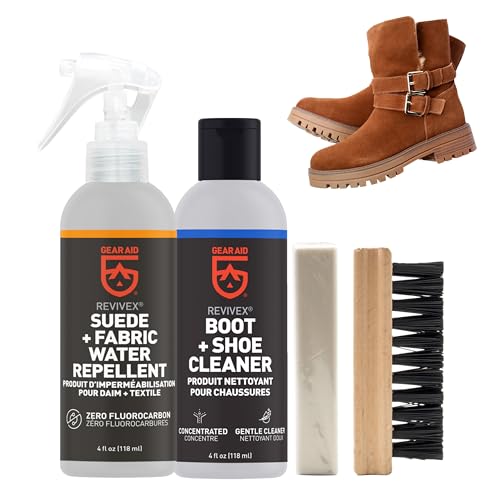
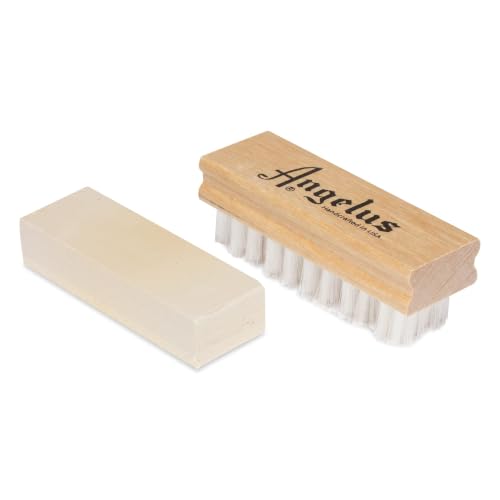


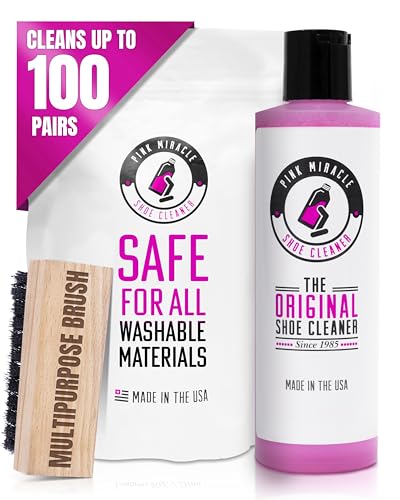
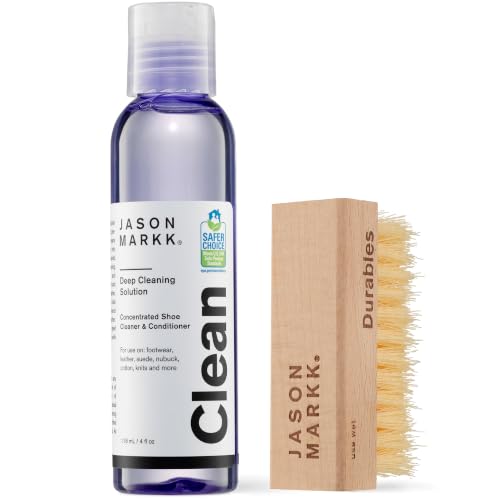

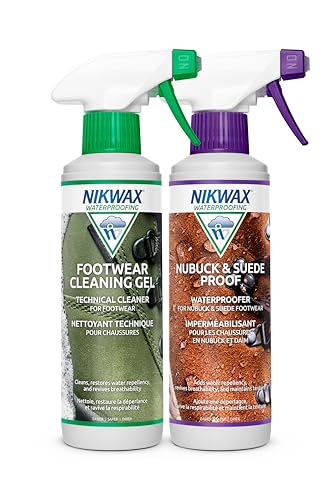

Start With the Material on Your Boots
The material check comes before everything else on the checklist, because nubuck and suede read a cleaner in a different way from smooth leather. Nubuck and suede are sanded leathers with a soft, fuzzy surface called the nap, and water can spot them while gels and heavy foams can darken them for good. A formula that is perfectly safe on a smooth leather work boot can flatten the nap and change the color of a nubuck pair in a single wash.
Nubuck and Suede Need Gentle, Dry First Cleaning
For nubuck and suede, most cleaning should happen dry: brush off dust, rub marks with an eraser block, and only then use a light foam made for these materials. Look for labels that name nubuck and suede directly rather than saying all leathers, which usually means the formula was blended for smooth leather. If your pair is suede, our guide to the best suede cleaner for timberland boots goes deeper on erasers, nap care, and restoring an even finish after cleaning.
Smooth Leather Tolerates More, Within Limits
Smooth leather accepts foam and cream cleaners that nubuck cannot, and it handles a damp cloth without spotting. It still has limits: soaking the leather, scrubbing with stiff household brushes, or using strong detergents can dry the surface and open cracks along the flex points. Always read the label and test the cleaner on a small hidden area, such as the inside of the heel, before treating the whole boot.
The Checklist That Matters
A Brush and an Eraser Lift Marks Before Any Liquid
The most useful cleaning tools cost the least. In plain terms, a brush and an eraser lift most marks before any liquid touches the boot, and for most everyday dirt they finish the job alone. A stiff brush knocks dried mud and dust out of the nap and the seams, while an eraser block rubs away scuffs, transfer marks, and the pale lines from road salt. Buy the brush and eraser first; many boots that look like they need a deep clean only need ten patient minutes of dry work.
Effectiveness on the Specific Mess
Match the formula to the mess in front of you. Salt lines need a cleaner that can dissolve and lift mineral residue, followed by a full wipe so salt does not creep back as the boot dries. Caked mud needs patience more than chemistry: let it dry completely, brush it out, and wash only what remains. Grease and oil spots are the hardest case, since they soak into nubuck; a degreasing foam made for footwear helps, but an old oil stain may fade rather than vanish, and no honest label will promise otherwise.
Scent and Fragrance Free Options
Cleaners with fragrance can leave a strong smell in leather that lingers for days, and some scented formulas carry dyes that transfer to light colored nubuck. Fragrance free options are the safer default for sensitive noses and for anyone cleaning boots indoors. An EPA Safer Choice label is another useful shortcut, since it marks formulas screened for safer ingredients. Words like fresh or outdoor on a label usually mean added fragrance.
Format: Spray, Foam, Gel, Wipes, and Concentrate
Foam gives the most control on nubuck because it sits on the surface instead of soaking in, and it is the format most first time buyers should choose. Sprays coat evenly and suit smooth leather and full boot cleanings. Gels cling to vertical surfaces and work well on heavily soiled smooth leather, but they are a poor match for suede. Wipes are handy for travel and quick dust removal, though they cost the most per use, while concentrates suit owners who clean several pairs.
Cost per Use and Value
A single cleaner, about $7 to $12, usually handles many full cleanings, so the cost per use is small next to the price of the boots. Kits, about $15 to $25, bundle a cleaner with a brush and an eraser, and they are often the best value for a first purchase because the tools outlast the liquid by years. When you shop for the best cleaner for timberland boots, judge value by whether the formula matches your material, not by bottle size; a large bottle of the wrong cleaner is worth nothing.
A Cleaner Is Not a Protector
One confusion costs buyers more than any other: a protector is a separate purchase from a cleaner, and no single product does both jobs well. A cleaner removes dirt, salt, and stains that are already there.
A protector, applied afterward to clean and fully dry boots, sheds water and slows new stains, but it removes nothing. Apply protector only after cleaning, give it time to cure, and expect to renew it after several wet wears. Skipping the protector is fine for dry weather use, but then cleaning has to happen more often.
Quick Buyer Checklist
- Do you know whether your boots are nubuck, suede, or smooth leather?
- Does the label name your exact material as safe to clean?
- Do you already own a brush and an eraser block?
- Is your main mess salt, mud, grease, or plain dust?
- Does the formula need rinsing, and can your material handle that much water?
- Have you budgeted for a protector spray as a separate item?
- Will you clean indoors, where a fragrance free formula matters?
Red Flags to Watch For
Walk away from any label that promises one formula for every material including suede, since that claim ignores how differently the nap reacts to liquid. Missing directions, no material list, and vague words like miracle or professional grade with no specifics are all signs of a weak product. Claims that a cleaner also waterproofs your boots permanently should end the conversation, because cleaning and protecting are separate jobs.
Household strength products are another warning sign. A bathroom or tile formula is made for grout and glazed surfaces and is far too harsh for nubuck, so keep those bottles away from your boots even when the label says heavy duty cleaner.
Care and Maintenance Tips
Good habits stretch the time between deep cleans. Brush boots after dusty wears, let wet boots dry at room temperature away from radiators and direct heat, and stuff them with paper so the shape holds. Never mix bleach with ammonia or acids, and ventilate the room while cleaning with stronger formulas. When the sole splits or the leather cracks through, no cleaner can fix the damage, and our guide to the best timberland boots covers what to look for in a replacement pair.
Frequently Asked Questions
What features matter most in a cleaner for Timberland boots?
A clear material match matters most: the label should name nubuck, suede, or smooth leather rather than claiming to suit everything. Gentle action comes next, since a formula that needs no rinsing protects the nap and the color. Here is the point most buyers learn late: upgrade your brush before you upgrade your liquid. A good brush and eraser solve most cleaning problems on their own, and the cleaner only handles what dry work leaves behind.
Are natural cleaners as effective on nubuck and suede?
For dry cleaning, yes: a brush, an eraser, and plain patience remove most dust and scuffs without any chemicals at all.
Natural liquids are riskier. Vinegar solutions can shift the color of nubuck, and oils that condition smooth leather will darken suede badly. Saddle soap is another common mistake, since it suits smooth leather tack and can leave nubuck stiff and patchy. If you prefer natural options, keep them dry and mechanical, and test any liquid on a hidden spot first.
How often should Timberland boots be cleaned?
Brush them after muddy or dusty wears, and do a full clean whenever salt lines appear or dirt starts to change the color of the nap. For most owners that means a deep clean a few times a season rather than on a fixed schedule. One timing tip makes a real difference: clean boots before you store them for the season, because salt and grime left in leather for months set deeper and dry the surface out.
What should never be mixed when cleaning boots?
Never mix bleach with ammonia or with vinegar, since the reaction releases harmful gas. Bleach itself has no place on nubuck or suede in the first place, because it strips color unevenly. Also avoid layering two different liquid cleaners on the same boot without rinsing and drying in between, since residues can react and leave rings. If the first product does not finish the job, rinse with a damp cloth, let the boot dry fully, and then decide whether a second try is needed.
Can boot cleaner be used indoors around kids and pets?
Yes, with basic care: choose a fragrance free formula, work with a window open or a fan running, and let the boots dry completely before wearing them again. Keep bottles stored out of reach, and wipe up drips from floors where pets walk. Most footwear cleaners are mild compared with household chemicals, but the drying step matters most, because a fully dry boot carries no residue into the rest of the house.
Final Thoughts
Run the checklist in order: name your material, do the dry work with a brush and eraser, match the formula to your worst mess, and buy the protector separately. The product table above gathers the cleaner types that pass those tests so you can compare them quickly. Follow that order and the best cleaner for timberland boots becomes an easy choice, because it is simply the one your material and your mess both point to.


