
Best Classical Music Box Sets for 2026: The Buyer Checklist We Use
Disclosure: We may earn a commission when you buy through links on this page, at no extra cost to you. As an Amazon Associate I earn from qualifying purchases. Learn more

Use this buyer checklist for best classical music box sets to judge recording quality, booklets, packaging, disc value, and long term care needs.
Every large classical collection promises a lifetime of music, yet some boxes gather dust while others get played weekly for years. The gap comes down to a few checkable facts: the performances, the sound, the notes, and the packaging. This checklist for best classical music box sets walks you through those facts in the order a careful buyer should check them. Begin with the comparison table below, then score each set you are considering against every section that follows.
Bring a pencil or a phone note to this process. A written score beats a vague impression once sale prices start pulling at you.
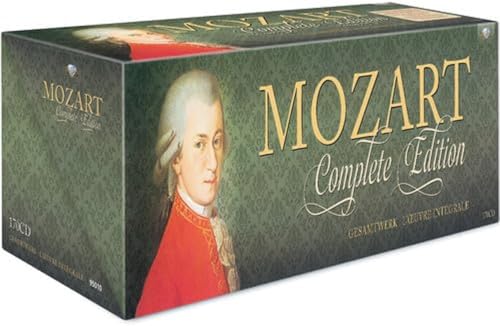
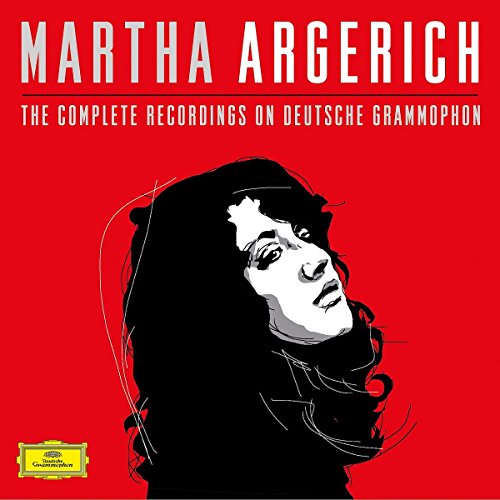
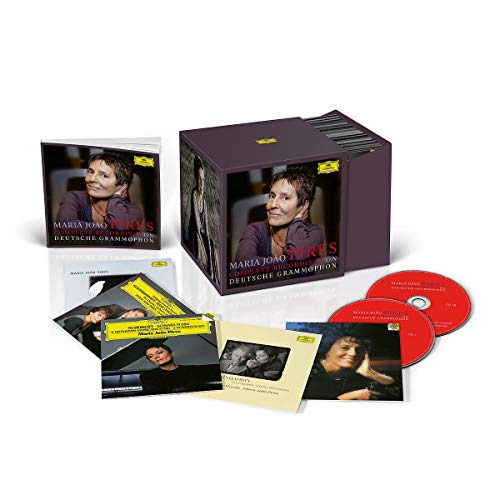
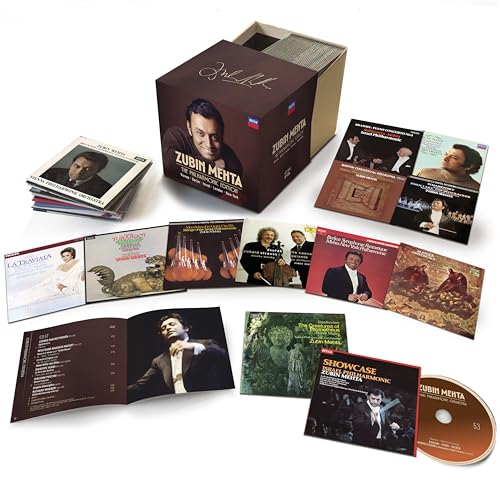
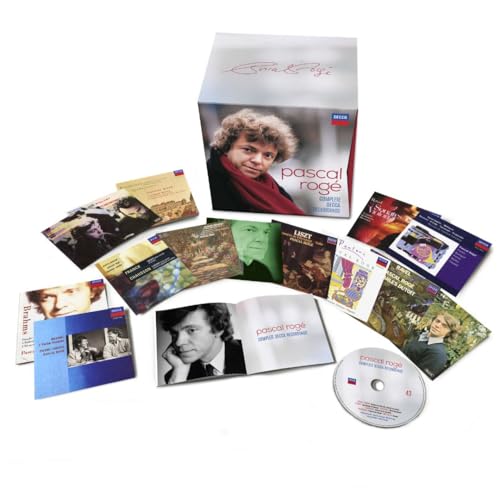


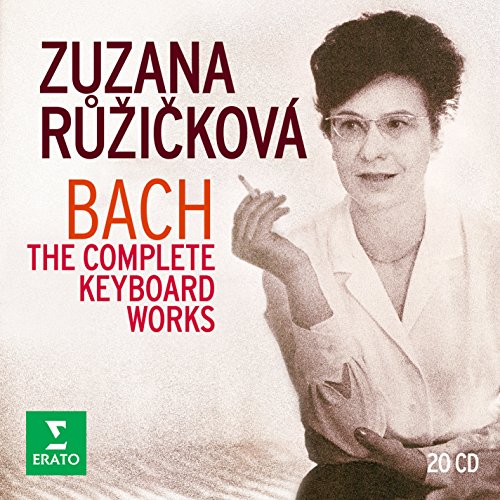
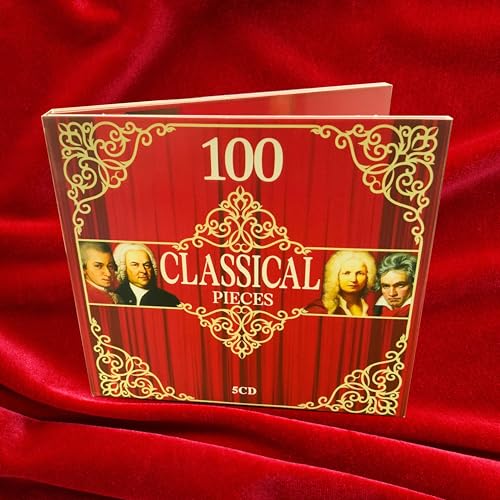

How We Evaluate Classical Music Box Sets
Intended Use and Who It Is For
Start by naming the job the set must do, because the best classical music box sets for study and for background listening differ. A core library set needs the central works in strong performances, a study set needs complete cycles and serious notes, and a gift set needs famous music with welcoming guidance.
A set bought for a child or a new listener should sequence pieces from short and vivid toward long and complex. When the job is clear, half the market falls away at once. Keep that one sentence in view while you read every later criterion in this checklist.
Safety and Certifications
In this category, trust is the safety question. A reliable set names its label, performers, recording dates, and rights information in full. Sets that hide those facts may be poor transfers or unauthorized copies with weak sound and no recourse if a disc fails.
Buy through a seller with a clear return policy, inspect the discs as soon as the box arrives, and play samples from across the set. If a download or streaming code is part of the offer, confirm its terms and expiry before you count it in the price.
Size, Weight, and Fit for Your Space
Measure before you buy, because the largest editions can be as deep as a vinyl record and as heavy as a small appliance. Check shelf height, depth, and the weight your shelf can carry across a full row of boxes.
Decide where the set will sit during a listening session too, since a box that lives in a closet gets opened less. Compact households should favor focused sets that earn their space. A beautiful box that must be stored sideways or stacked under others will wear faster and please you less.
Price vs Value
Value is cost divided by music you will actually replay. Budget sets may run under $2 per disc but vary in sound and notes. Mid range sets, often around $60 to $200, usually balance respected performances with fair booklets.
Premium sets can cost several hundred dollars and must justify it with landmark recordings and serious books. Compare cost per disc only among sets with similar sources. A cheap box of weak transfers is not a bargain, and a costly box that replaces five lesser sets can be the thrifty choice.
Key Performance Specs
The performance specs here are sound quality, program logic, and completeness. Prefer sets drawn from coherent sources, such as one label archive or one artist estate, since the sound stays even across discs. Check total playing time rather than disc count alone, and scan for repeated works that pad the box.
Texts and translations matter when voices are involved, and their absence is a real flaw. For a format focused companion, read our guide to the best classical cd box sets after you finish this checklist.
Maintenance and Long Term Costs
Long term costs are mostly storage, time, and the odd replacement. You may add shelf space, plain sleeves for daily discs, or backup storage for digital rips. Time is the hidden cost of a giant set, so plan a listening rhythm, such as one new disc each Sunday, and log your favorites.
Good storage prevents the most common losses, since heat and damp damage boxes and booklets long before discs fail. A set cared for this way can serve for decades and still be handed on in fine shape.
Three Set Types That Pass Our Checklist
Best Overall Type
The overall winner in most homes is a single composer or single performer set from a major label with twenty to sixty discs, a real booklet, and consistent mastering. It gives depth you can study and sound you can trust, at a cost that often lands around $100 to $250. This type suits a listener building a lasting core library one subject at a time.
Its limit is breadth, since deep focus on one name leaves other eras untouched. Solve that later with a contrasting second set rather than diluting the first choice. Many readers cross check this route against the best classical box sets guide, which applies a similar checklist.
Best Value Type
The value type is a large licensed survey box with a very low cost per disc and a wide sweep of works. It suits students, teachers, and explorers who want the map of a whole era before choosing favorites.
Notes are usually shorter and sound varies more between discs, so sample widely in the first weeks and mark the gems. Prices can start around $40 for surprisingly large boxes. The risk is repetition of famous pieces across the box, so read the works list with a pen and count duplicates before you pay.
Best Compact Type
The compact type holds about five to fifteen discs around one clear theme, such as a full symphony cycle or a set of string quartets. It suits small shelves, focused study, and thoughtful gifts, and it is the type most likely to be played from start to finish. Prices often sit around $30 to $90. Sound and notes tend to be strong because the scope is tight.
Its limit is range, but two compact sets from different centuries often teach more than one unfocused giant. Survey minded readers can compare this approach with the sets in the best music box sets of all time overview.
Quick Buyer Checklist
- Does the set name every work, performer, and recording year in its listing?
- Is the booklet substantial, with texts and translations when singers are involved?
- Do the sleeves or trays let you remove discs without touching or scuffing the surface?
- Does the box fit the shelf where it will live, with room to lift it out easily?
- Is the cost per disc fair for the label, the performers, and the mastering?
- Have you checked the works list for duplicates of music you already own?
- Will the seller replace one defective disc without demanding the whole box back?
- Do you have a listening plan that will carry you through the full set within a year?
Red Flags to Watch For
- Vague sound claims with no label, source, or remaster credit anywhere in the listing.
- A disc count that looks huge while total playing time stays oddly low.
- Tight card sleeves that scrape discs, or a spindle that stacks discs against each other.
- No booklet at all in a set built around vocal or stage works that need texts.
- Prices far below every other seller for the same edition, which can signal damage or a copy.
If your taste runs toward complete recorded legacies, the companion survey of the best classical music cd box sets shows how the same checklist plays out when the format is fixed to discs alone.
Care and Maintenance Tips
Read the booklet guidance before first use, especially any notes on special sleeves or bonus discs. Clean and inspect discs regularly, holding them by the edges and wiping from the center outward only when dust is visible. Store the box upright in a dry place away from sun and heat, and keep a short listening log inside the lid. These small habits protect both the music and the resale or gift value of the set over many years.
FAQs
How long does a classical music box set last?
The discs themselves can last for decades because normal playback does not wear the surface. Boxes, sleeves, and booklets usually show age first, especially with damp storage or rough handling. Keep the set cool, dry, and upright, and it can outlast the player you bought it for. Making a home digital backup of rare discs adds a second layer of safety for the music itself.
What features matter most when buying classical music box sets?
Performance quality comes first, followed by honest recording information and a booklet that teaches you something. Packaging that protects discs and a program order that makes sense come next.
Disc count and bonus items matter least. If two sets tie on music, choose the one with better notes and gentler sleeves, since those decide how often you return to it. The comparison table above helps line up those basics quickly.
Are expensive classical music box sets worth it?
They are worth it when they unite definitive performances, careful remastering, and a book you will reread. They fail when the price buys only size, heavy packaging, or works you already own in fine sound. List your current shelf before you shop, then let an expensive set earn its place by filling a named gap. That single habit prevents most costly mistakes in this category.
How do I maintain a classical music box set?
Return every disc to its sleeve after play, store the box upright away from heat and damp, and wipe dusty discs with a soft cloth from center to edge. Keep hands clean before handling booklets, and note any skipping disc so you can try it in another player. A brief check each season catches damp, warping sleeves, or a loose box corner while the fix is still simple and cheap.
How much should I spend on a classical music box set?
Plan around $50 to $200 for most home libraries, with compact sets below that range and giant complete editions above it. Tie the budget to the works you lack, not to disc count. Students can start with a value survey and upgrade favorite works later. Collectors should reserve the highest spend for a set that replaces several weaker ones, which keeps both the shelf and the budget in better shape.
The Bottom Line
Score every set on performances, sound, notes, and packaging before you look at size or sale price, and buy only what your shelf and schedule can truly hold. Use the product table above for a final side by side check, and you will land on best classical music box sets that reward you every time you open the box.


