
Best Classical Box Sets for 2026: Our Checklist and How to Choose
Disclosure: We may earn a commission when you buy through links on this page, at no extra cost to you. As an Amazon Associate I earn from qualifying purchases. Learn more

Run through this checklist for best classical box sets covering recording quality, booklet notes, disc packaging, remastering, and value per disc.
A classical box set can hold a lifetime of listening or a shelf of discs you never open twice. The difference rarely shows in the cover art. It shows in recording quality, in the booklet, and in how the set is organized.
This checklist for best classical box sets gives you a clear way to judge any set before you pay, whether it covers one composer or a whole era. Start with the comparison table below, then score each candidate against the criteria that follow.
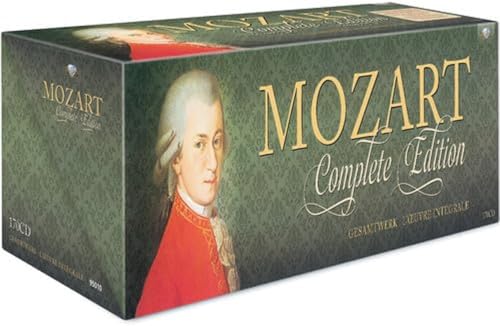
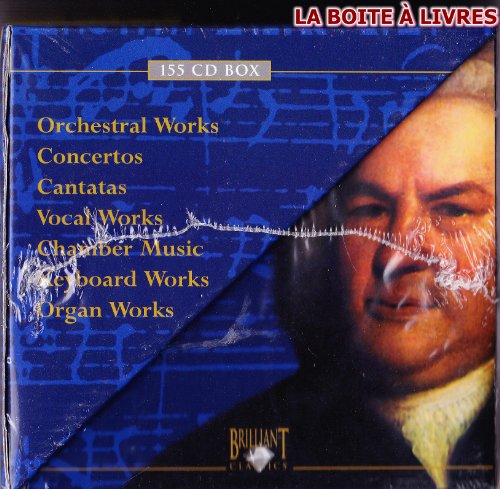

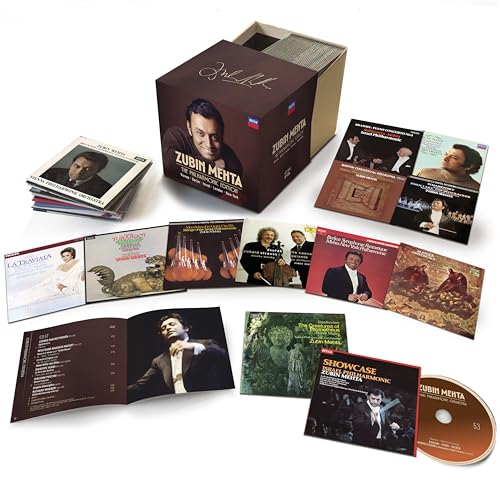

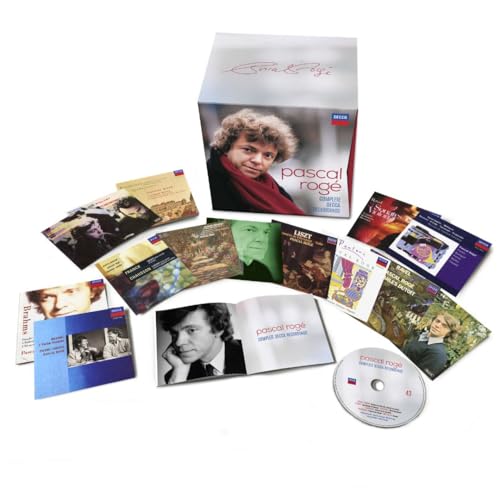
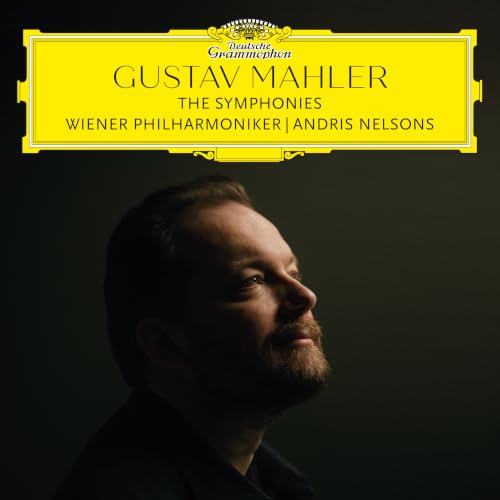

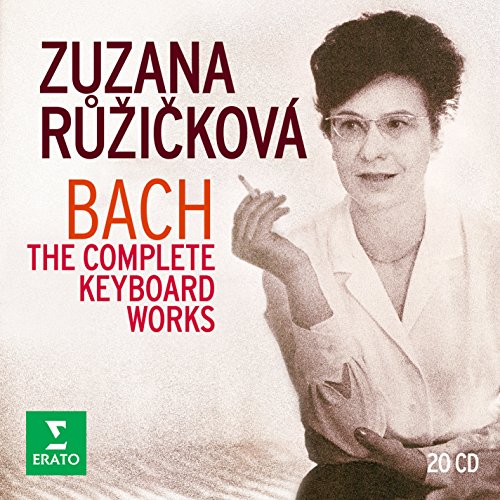
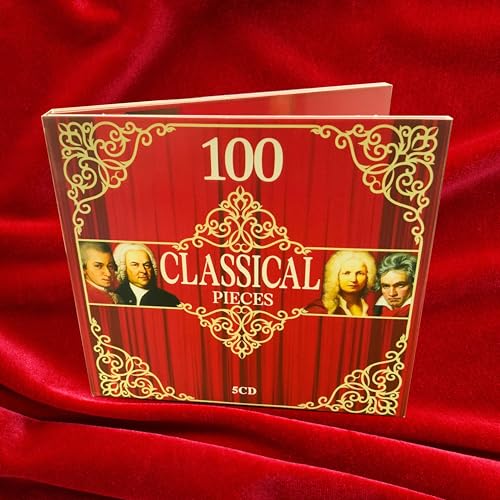
Collectors who chase the best classical box sets of all time often start with one well chosen set and build slowly. That patient path almost always beats buying the largest box on sale.
How We Evaluate Classical Box Sets
Intended Use and Who It Is For
Decide whether the set is for deep study, daily listening, or a gift. A student needs complete works in logical order with strong notes, while a casual listener needs famous pieces programmed in a friendly sequence.
A gift buyer should favor sturdy packaging and a booklet that welcomes a newcomer. Write your main use in one sentence before you shop. That sentence will settle arguments later, such as whether a huge complete edition is a bargain or simply more shelf weight than your listening life can absorb.
Build Quality and Materials
Judge the physical set as an object you will handle for years. Discs should sit in sleeves or trays that do not scuff the playing surface, and the outer box should resist corner wear. Card sleeves look elegant but can grip discs tightly, so check that removal is easy.
A good set uses paper and card stock that will not shed fibers onto the discs. If the box will travel between rooms or homes, weight and a secure lid matter as much as looks on a shelf.
Size, Weight, and Fit for Your Space
Large complete editions can run to dozens of discs and a box the size of a small suitcase. Measure your shelf depth and height before you order, and decide where the set will live while in use, since a box stored in another room gets played less.
Compact sets suit small homes and dorm rooms. A heavy set also costs more to return, so size is a budget question as well as a storage one. Keep the most played sets within easy reach of your player.
Safety and Certifications
For audio sets, safety mostly means honest labeling and clean production. The box should state the recording years, the performers, and whether the audio is remastered, without vague claims. Avoid sets with no label information at all, since counterfeit classical boxes do exist in online marketplaces.
Buy from a seller who accepts returns, and check each disc for scratches or warping as soon as the set arrives. If a set includes a download code, confirm the region and expiry terms before you rely on it.
Warranty and Customer Support
Box sets have no moving parts, but support still matters. A reputable label or retailer will replace a defective or duplicated disc inside a set, which happens more often than buyers expect.
Ask how single disc replacement works before you buy a large edition, because returning a 50 disc box for one faulty disc is a real burden. Keep your order record and photograph any damage on arrival. Good sellers resolve these issues quickly when you report them within the return window.
Key Performance Specs
For classical audio, performance specs mean recording and mastering quality. Look for named engineers or a stated remaster source when a set claims improved sound. Original recordings from respected labels usually beat anonymous budget transfers of the same concerts.
Check the total playing time and the works list, since some sets repeat the same famous pieces across discs. A set that lists every track, soloist, and orchestra earns trust. If you focus on disc based listening, our guide to the best classical cd box sets goes deeper on formats and players.
Maintenance and Long Term Costs
Costs after purchase are small but real. You may add storage sleeves, a larger shelf, or a backup digital rip of rare discs. Time is the bigger cost, since a vast set demands a listening plan to avoid waste.
Plan to play one disc a day or a week and keep a simple log of favorites. Proper storage away from heat keeps discs and booklets sound for decades, so the long term value of a well chosen set keeps growing with each replay.
Three Set Types That Pass Our Checklist
Best Overall Type
The strongest all round type is a single composer or single orchestra set from a major label, usually around $80 to $200 depending on disc count. It pairs respected performances with a serious booklet and consistent sound across discs.
This type suits a listener building a core library who wants depth without chaos. The limit is scope, since one composer cannot cover your whole curiosity. Treat it as the anchor of a collection, then add contrasting sets later as your taste sharpens.
Best Value Type
Value sets gather licensed recordings into large boxes at a low cost per disc, often under $2 per disc. Sound and notes vary more, but the best of them open a whole era for the price of two single albums.
This type suits explorers and students who want breadth first. Check the works list with care, because value boxes sometimes repeat popular pieces and skip rarer ones. If the booklet is thin, free online program notes can fill the gap while you listen.
Best Compact Type
Compact sets of about five to fifteen discs suit small spaces, gifts, and focused listening. A complete set of one cycle, such as all the symphonies of one composer, gives a satisfying arc without shelf strain. Prices often run around $30 to $80. The limit is obvious, since a compact set cannot survey a century of music.
Choose it when you know exactly what you want to study, or pair two compact sets from different eras for contrast. Readers comparing formats may also enjoy the survey in the best classical music box sets of all time guide.
Quick Buyer Checklist
- Can you list the exact works, performers, and recording years before you buy?
- Does the set use sleeves or trays that let you remove discs without scuffing them?
- Is the booklet long enough to explain the works, with texts or translations if voices are included?
- Does the box fit the shelf where it will actually live?
- Is the cost per disc fair for the label and recording quality offered?
- Will the seller replace a single defective disc without a full return?
- Do you have a simple listening plan that will get every disc played within a year?
Red Flags to Watch For
- A works list that hides performers or recording dates behind vague language.
- Claims of remastered sound with no source, engineer, or label information.
- Packaging that forces discs against rough card or stacks them on a spindle.
- Prices far below every other seller, which can signal a counterfeit or damaged set.
- Reviews that praise the box size but never mention sound, notes, or organization.
If you want a broader shelf view before you decide, the general guide to the best box sets compares how other genres package large collections. Listeners who think in complete survey terms can also read the best classical music cd box sets overview for a format first angle.
Tips to Get the Most From Your Classical Box Set
Read the booklet notes for one work before you play it, since a short paragraph on form and history sharpens every hearing. Clean and inspect discs regularly, holding each by the edges and wiping from the center outward with a soft cloth. Store the box upright in a dry place away from direct sun and heat vents. Keep a small notebook or phone note with the date and your reaction to each disc, so the set becomes a record of your own listening growth.
FAQs
What features matter most when buying classical box sets?
Recording quality, a complete and honest works list, and a useful booklet matter most. Packaging that protects discs comes next, followed by cost per disc.
A famous name on the cover cannot rescue poor transfers or a set that repeats the same pieces. Score each candidate on those basics first. Only then let box art, bonus discs, or a low sale price influence your final call.
How long does a classical box set last?
A well stored compact disc set can last for decades, since discs do not wear from normal playback. The booklet and box usually age first, especially at the corners and spine. Heat, damp, and rough sleeves shorten that life, so storage habits decide the outcome. Many listeners also rip discs to a home library as a backup, which protects rare recordings even if a disc is later lost or damaged.
How much should I spend on a classical box set?
Spend in line with disc count and label quality. Compact sets often cost around $30 to $80, while large complete editions can run around $150 to $400. Cost per disc is a fair guide, but only when the performances are ones you will replay.
A cheap set of weak recordings is poor value at any price. Set your budget after you fix the works you want, not before.
How do I maintain a classical box set?
Handle discs by the edges, return each one to its sleeve right after play, and store the box upright in a cool dry room. Wipe dust from discs with a clean microfiber cloth using straight strokes from center to edge. Check the booklet for damp if the room is humid. A short inspection every few months catches problems while a seller or label can still replace a faulty disc.
Are expensive classical box sets worth it?
They are worth it when the price buys landmark performances, careful remastering, and notes you will read more than once. The best classical box sets of all time earned their standing on those merits, not on box size. An expensive set that duplicates music you already own in fine recordings adds little. Audit your current shelf first, then let the costly set fill a real gap in works or performers.
Wrapping Up
Judge sound, notes, and packaging before size or sale price, and let your main use lead the choice. The comparison table above and the checklist in this guide will steer you to best classical box sets that you will still be playing with pleasure years from now.


